
 Source:
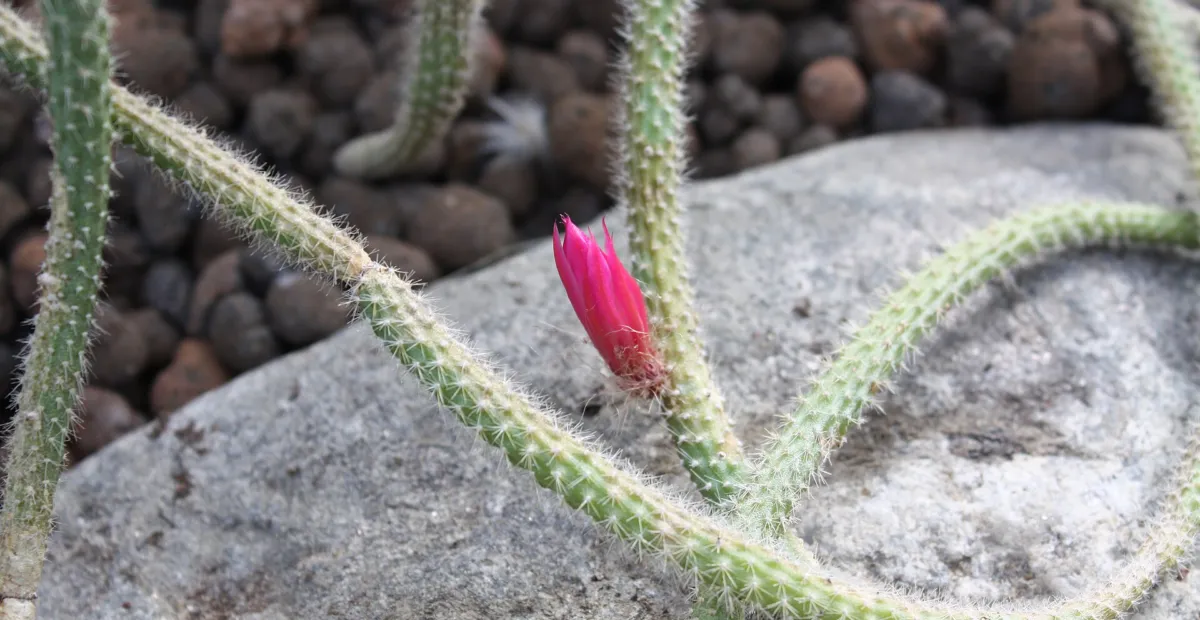
 Rat-tail cactus (Aporocactus flagelliformis) short overview
Aporocactus flagelliformis, known in the United States as rat-tail cactus, is a distinctive trailing cactus from east-central Mexico. Its slender, many-ribbed stems cascade from hanging containers and carry colorful pink to reddish flowers in bright conditions. Grow it in sharply drained cactus mix, water thoroughly only after the substrate dries, and protect it from frost. A cool, relatively dry winter rest can encourage spring flowering.
Taxonomic classification
Rat-tail cactus (Aporocactus flagelliformis) care guide
Light and placement
Provide bright filtered light with several hours of gentle direct sun, such as an east or west window or a lightly shaded south exposure. Outdoors, morning sun and afternoon protection work well in hot climates. Too little light causes elongated, weak growth and sparse flowering; harsh reflected heat or sudden intense sun can scorch stems.
Watering and humidity
Water thoroughly until excess drains from the pot, then wait until the mix is mostly dry before watering again. During spring and summer, check more often but never keep the roots saturated. Reduce watering in fall and winter, giving only enough to prevent severe shriveling. Empty saucers promptly and keep water out of a cold, enclosed container.
Soil and growing medium
Use a porous cactus or succulent mix amended with extra pumice, perlite, or coarse grit. The container must drain freely, because dense or water-retentive media can cause stem and root rot. A slightly acidic to neutral substrate is suitable; avoid chronically alkaline, compacted soil.
Feeding
Feed during active spring and summer growth with a balanced cactus fertilizer diluted to about one-quarter to one-half the label strength every four to six weeks. Do not fertilize dry, stressed, recently repotted, or dormant plants. Avoid high-nitrogen feeding, which can produce weak, overly soft growth and reduce flowering.
Growth and habit
This perennial cactus develops flexible, cylindrical, ribbed stems that become pendulous with age. It performs best when active growth alternates with a somewhat cooler, drier rest. Support is rarely needed, but hanging containers should be stable and wide enough to prevent stem breakage or tipping.
Planting and repotting
In the United States, plant outdoors only after frost danger has passed and nighttime temperatures are reliably mild. Set the root ball at its original depth; do not bury the stem base. Space plants according to their container or display, allowing room for cascading stems and airflow rather than crowding them.
Repot in spring or after flowering when the root ball has filled the container. Move up only one pot size and handle the spiny stems with thick gloves or folded cardboard. Replace exhausted, compacted mix and allow damaged roots or cut surfaces to dry before watering.
Propagation and pruning
Propagation
Stem cuttings are the most practical method. Take a healthy segment in spring or early summer, allow the cut end to callus for several days, then place it in barely moist, sharply drained mix. Seed propagation is possible but slower and less common for routine horticulture.
Pruning
Prune only to remove damaged, diseased, or unwanted stems, preferably after flowering or during active growth. Cut cleanly at a joint with sterile tools and allow wounds to dry. Healthy trimmings can be used as cuttings; avoid severe routine cutting, which removes future flowering stems.
Overwintering
Bring containers indoors before temperatures approach 40°F, especially where frost is possible. Keep the plant in bright light, cool to average indoor temperatures, and much drier soil through winter. Avoid placing it against cold glass or near heating vents. Resume more regular watering gradually as spring growth begins.
Uses
Primarily an ornamental hanging-basket cactus for homes, conservatories, patios, and frost-free landscapes. Its cascading stems are useful for vertical displays and specimen collections. It has no well-supported culinary or medicinal use for this profile; spines require careful placement and handling.
Appearance
The plant has numerous narrow, cylindrical green stems with many shallow ribs and closely spaced areoles bearing fine spines. New shoots are more upright, while older stems bend and trail. The whip-like form and side-borne flowers distinguish it from thicker, more heavily tuberculate rat-tail-like cacti.
Flowering
Flowers are produced on mature stems, generally from spring into summer, and open from areoles along the sides of the trailing shoots. Strong filtered light and a cooler, drier winter rest may support better blooming. Flowering can be reduced by insufficient light, excessive nitrogen, or continual winter warmth and moisture.
Pollination and visitors
The flowers are tubular and animal visitation is plausible, but reliable species-specific pollinator records for this exact taxon were not found. Occasional visits by other insects may occur in cultivation; the attraction level is therefore recorded as unknown rather than assumed high.
Aporocactus flagelliformis photos
Click any photo for a larger view. Source, author and license are shown separately.
Diseases and pests
Diseases
The main risks are root or stem rot from excess moisture and poor drainage. Use a porous mix, water only when the substrate has dried substantially, and isolate soft or discolored growth. Remove affected tissue with a sterile blade, let cut surfaces dry, and replace heavily contaminated mix. Good airflow helps limit fungal problems.
Pests
Watch for mealybugs, scale, and spider mites, especially on stressed plants or in dry indoor air. Inspect areoles and stem joints regularly. Remove isolated pests with a cotton swab and 70% isopropyl alcohol, avoiding hot sun immediately afterward; use a labeled horticultural treatment for persistent infestations and follow its instructions.
Related diseases and pests
Only Plant Doctor profiles whose host data indicate this plant may be affected are shown here.
 PestCotton mealybugPhenacoccus solenopsis Tinsley
 DiseaseRhizopus soft rotRhizopus stolonifer
 DiseaseBacterial soft rotPectobacterium carotovorum
 PestCottony Cushion ScaleIcerya purchasi
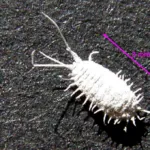 PestObscure mealybugPseudococcus viburni
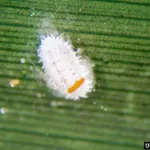 PestCitrus mealybugPlanococcus citri
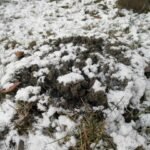 Environmental stressFrost heaving
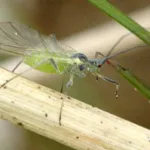 PestGreen Peach AphidMyzus persicae
Toxicity and pollen
Reliable authoritative evidence establishing clinically significant toxicity to people or pets was not located. The practical hazard is mechanical injury from spines and possible irritation from sap or plant fragments. Keep away from children and animals that may chew plants, and seek medical or veterinary advice after ingestion or eye exposure.
- Typical season
- No specific U.S. airborne-pollen season is established
- Pollination / pollen
- Primarily insect-carried pollen
This is an insect-pollinated flowering cactus, so its pollen is not typically released as a large airborne cloud like wind-pollinated plants. However, no robust clinical allergy assessment specific to this species was located, so airborne allergy risk is rated low rather than none. Handling flowers or dried plant material may still cause localized irritation in sensitive people.
Native habitat
Kew records the species as native to east-central Mexico, where it occurs in subtropical environments. It is associated with well-drained rocky or elevated situations rather than persistently saturated ground. Cultivation should mimic rapid drainage, bright light, seasonal dryness, and protection from freezing temperatures.
Interesting fact
The species name flagelliformis means whip-shaped, referring to its long, slender stems. It is traditionally cultivated as a hanging cactus rather than a ground-level desert plant. Disocactus flagelliformis is a frequently encountered alternative name in horticultural and taxonomic literature.
Frequently asked questions (FAQ)
The most relevant questions about this plant, with short and direct answers.
🌱Quick care
How do you care for a rat-tail cactus?⌄
Give a rat-tail cactus bright light, sharply draining cactus soil, and thorough watering only after the mix has dried substantially. Protect it from frost and keep it drier during winter.
Is Aporocactus flagelliformis easy to grow indoors?⌄
Yes, Aporocactus flagelliformis is generally easy to grow indoors when it receives strong light and is not overwatered. A hanging basket near a bright east-, south-, or west-facing window suits its trailing stems.
🌤️Environment and placement
How much light does a rat-tail cactus need?⌄
A rat-tail cactus needs bright light with some gentle direct sun for strong growth and flowering. Protect it from abrupt exposure to intense afternoon sun, which can scorch the stems.
Can a rat-tail cactus grow in full sun?⌄
A rat-tail cactus can tolerate some direct sun, especially gentle morning sun, but intense all-day summer sun may cause scorching. Acclimate it gradually and provide filtered light during the hottest part of the day.
Can I grow a rat-tail cactus outdoors?⌄
Yes, you can grow a rat-tail cactus outdoors during warm weather in a sheltered spot with bright light and good air circulation. Bring it indoors before temperatures approach 40°F or any frost is expected.
What temperature is too cold for a rat-tail cactus?⌄
Temperatures below about 40°F are too cold for a rat-tail cactus because it is frost tender. Keep it above that threshold, and provide a somewhat cooler, dry winter rest only where freezing temperatures are avoided.
Does a rat-tail cactus need high humidity?⌄
No, a rat-tail cactus does not need high humidity and usually performs well in average household conditions. Avoid persistently damp air combined with wet soil because that increases the risk of rot.
Is a rat-tail cactus good for a hanging basket?⌄
Yes, a rat-tail cactus is especially well suited to a hanging basket because its long, slender stems naturally cascade over the sides. Use a sturdy container with drainage holes and place it where the stems will not be brushed frequently.
💧Care and problems
How often should I water a rat-tail cactus?⌄
Water a rat-tail cactus whenever the potting mix has dried substantially, then let excess water drain completely. The interval varies with light, temperature, pot size, and season, so checking the mix is more reliable than following a fixed schedule.
How do I know when a rat-tail cactus needs water?⌄
Check that the potting mix is substantially dry and that the container feels noticeably lighter before watering a rat-tail cactus. Slight stem shriveling can indicate thirst, but soft or mushy stems usually indicate excess moisture instead.
How often should I water a rat-tail cactus in winter?⌄
Water a rat-tail cactus much less often in winter, allowing the mix to become nearly dry between light waterings. Water only enough to prevent prolonged severe shriveling, and never water when the soil is already damp.
Why is my rat-tail cactus turning brown or mushy?⌄
Brown, soft, or mushy stems on a rat-tail cactus most often indicate overwatering, poor drainage, or rot. Remove affected tissue, inspect the roots, replace saturated soil, and correct the watering and drainage conditions.
Why is my rat-tail cactus shriveling?⌄
A rat-tail cactus may shrivel from prolonged dryness, damaged roots, cold stress, or rot that prevents water uptake. Check the roots and soil before watering; firm, dry stems need water, while soft stems require urgent inspection for rot.
Why is my rat-tail cactus growing thin or pale?⌄
Thin, pale, or weak growth usually means a rat-tail cactus is not receiving enough light. Move it gradually to a brighter location, because sudden exposure to intense direct sun can scorch previously shaded stems.
What pests affect a rat-tail cactus?⌄
Mealybugs, scale, and spider mites can affect a rat-tail cactus, especially indoors or in hot, dry conditions. Inspect stems and joints regularly and isolate affected plants while treating pests with an appropriate labeled product.
Should I fertilize a rat-tail cactus?⌄
Yes, you can fertilize a rat-tail cactus during active growth with a diluted cactus fertilizer, generally in spring and summer. Do not fertilize a stressed, recently repotted, or dormant plant, and avoid excessive nitrogen.
🪴Planting and repotting
What is the best soil for a rat-tail cactus?⌄
Use a porous, sharply drained cactus mix for a rat-tail cactus, with added mineral material such as perlite or pumice if the mix stays wet. The container must have unobstructed drainage holes.
What type of pot is best for a rat-tail cactus?⌄
Choose a hanging basket or elevated pot with drainage holes that can support the plant’s trailing growth. Terra-cotta can help the mix dry faster, but drainage and an appropriately sized container matter more than the material.
When should I repot a rat-tail cactus?⌄
Repot a rat-tail cactus in spring when the roots are crowded, the mix has broken down, or drainage has declined. Handle the spiny stems carefully, and avoid immediately watering if roots were damaged during repotting.
Does a rat-tail cactus like to be root-bound?⌄
A rat-tail cactus can tolerate being somewhat root-bound, so repotting is not necessary every year. Move it to a slightly larger container only when the roots are crowded or the old mix no longer drains well.
✂️Propagation and pruning
How do you propagate a rat-tail cactus from cuttings?⌄
Cut a healthy stem section, allow the cut end to callus, and place it in a porous cactus mix. Keep the cutting warm and bright, using only restrained moisture until roots develop.
Can you propagate a rat-tail cactus in water?⌄
Water propagation is possible but is not the preferred method for a rat-tail cactus because newly formed water roots may adapt poorly to a dry, porous mix. Callusing and rooting directly in a lightly moist cactus medium is usually more practical.
How long do rat-tail cactus cuttings take to root?⌄
Rat-tail cactus cuttings commonly take several weeks to root under warm, bright conditions, although timing varies with stem size and growing conditions. Avoid repeatedly disturbing the cutting, and keep the medium from remaining wet.
Can I prune a rat-tail cactus?⌄
Yes, you can prune a rat-tail cactus to remove dead, damaged, diseased, or unwanted stems and to manage its length. Use clean tools and allow fresh cuts to dry before exposing them to substantial moisture.
⚠️Toxicity and safety
Is a rat-tail cactus poisonous to cats or dogs?⌄
There is no established toxicity classification for Aporocactus flagelliformis, but its spines are a clear physical hazard. Keep it away from pets and children who might chew, knock over, or brush against the plant.
How should I handle a rat-tail cactus safely?⌄
Handle a rat-tail cactus with thick gloves, folded newspaper, or tongs to avoid its fine spines. Keep the plant in a stable location where trailing stems and the container will not be bumped.
🌸Flowering and special interest
When does a rat-tail cactus bloom?⌄
A rat-tail cactus typically blooms in spring, producing showy tubular flowers on mature stems. Bright light during growth and a cooler, drier winter rest can support flowering, but young or stressed plants may not bloom.
Why is my rat-tail cactus not flowering?⌄
A rat-tail cactus may fail to flower because of insufficient light, immature growth, excessive winter watering, or stress from poor roots. Give it brighter light, maintain a dry winter period without frost, and resume active-growth care in spring.
What color are rat-tail cactus flowers?⌄
Rat-tail cactus flowers are commonly vivid pink to reddish or magenta tubular blooms. Flower color and bloom abundance can vary with the plant’s clone, maturity, light, and growing conditions.
Similar plants
 Azure Monkshood (Aconitum carmichaelii) care guideAconitum carmichaelii
 Monkshood (Aconitum ‘Stainless Steel’)Aconitum 'Stainless Steel'
 Monkshood (Aconitum ‘Bressingham Spire’)Aconitum 'Bressingham Spire'
 Golden full moon maple (Acer shirasawanum ‘Aureum’)Acer shirasawanum 'Aureum'
 Globosum (Acer platanoides ‘Globosum’)Acer platanoides 'Globosum'
 Striped maple (Acer pensylvanicum) care guideAcer pensylvanicum