
 Source:
 Golden Lotus Banana (Musella lasiocarpa) short overview
Musella lasiocarpa, commonly called the Golden Lotus Banana, is a compact, clumping banana relative from southwestern China and northern Vietnam. It forms broad blue-green leaves and is best known for its striking, long-lasting golden-yellow inflorescence. Grow it in rich, well-drained soil with regular summer moisture and shelter from strong winds. In much of the United States, container culture or substantial winter protection is needed because its cold tolerance is limited and inconsistently reported.
Taxonomic classification
Golden Lotus Banana (Musella lasiocarpa) care guide
Light and placement
Give full sun to partial shade, with morning or filtered afternoon light preferred in hot, dry interiors. A sheltered south- or east-facing position helps maximize growth and flowering. Pale, stretched leaves and slow growth suggest insufficient light; scorched margins, shredded leaves or persistent midday wilt can indicate excessive exposure, wind or heat stress.
Watering and humidity
Water deeply when the surface begins to dry, keeping the root zone evenly moist during active summer growth. Do not let containers stand in saucers of water. Reduce watering in cool weather and during indoor dormancy, but do not allow the rhizome to become bone-dry. Humidity is helpful but should be paired with good air movement.
Soil and growing medium
Use fertile, humus-rich soil that holds consistent moisture without becoming stagnant. A loam amended with compost is suitable, provided drainage is good. Slightly acidic to neutral conditions are appropriate. Avoid compacted clay and sites that remain waterlogged around the rhizome.
Feeding
Feed during active spring and summer growth with a balanced, complete fertilizer at label strength or slightly diluted for container plants. Compost or a slow-release fertilizer can supplement feeding at the start of the season. Stop or greatly reduce fertilizing in autumn and during cool, dormant indoor storage, when excess nutrients can encourage weak growth.
Growth and habit
This rhizomatous perennial forms a clump of upright pseudostems rather than a woody trunk. Mature shoots can flower after establishment, while older flowering stems may decline afterward as new shoots develop. Remove spent stems only after they have clearly finished contributing to the clump, and allow offsets to develop if a fuller colony is desired.
Planting and repotting
Plant outdoors after the danger of frost has passed and soil has warmed. Set the rhizome at roughly the same depth as it was growing in its container, with the crown level with or just slightly above the soil surface. Space plants about 4–6 feet apart to allow clumps to expand, and water thoroughly during establishment.
Repot container plants in spring when roots fill the pot or growth becomes crowded. Move up only one pot size, use a sturdy container with generous drainage holes, and handle the rhizome and offsets carefully. Large plants may be top-dressed rather than repotted every year.
Propagation and pruning
Propagation
Divide established clumps or separate offsets in spring as active growth begins. Each division should retain a healthy rhizome section and viable roots. Seed propagation is possible but may be slower and less predictable; sow fresh seed in warm, consistently moist medium.
Pruning
Cut away damaged or frost-killed leaves as needed with clean, sharp tools. After flowering, remove a spent pseudostem at or near ground level once it begins to decline, taking care not to injure emerging offsets. Do not cut healthy foliage unnecessarily during the growing season.
Overwintering
In colder parts of the United States, move container plants indoors before nights approach the low 40s°F. Keep them bright and cool, reduce watering, and protect the rhizome from prolonged cold or saturation. Outdoor plants may be cut back after frost and heavily mulched in mild climates, but survival and flowering are not dependable in colder zones.
Uses
Primarily an ornamental foliage and flowering accent for warm-climate borders, patios, courtyards and large containers. Its compact stature makes it useful where a banana-like effect is wanted without a very tall Musa. It is also suitable for conservatory or greenhouse displays. Culinary and medicinal uses were not included because reliable species-specific support was not established.
Appearance
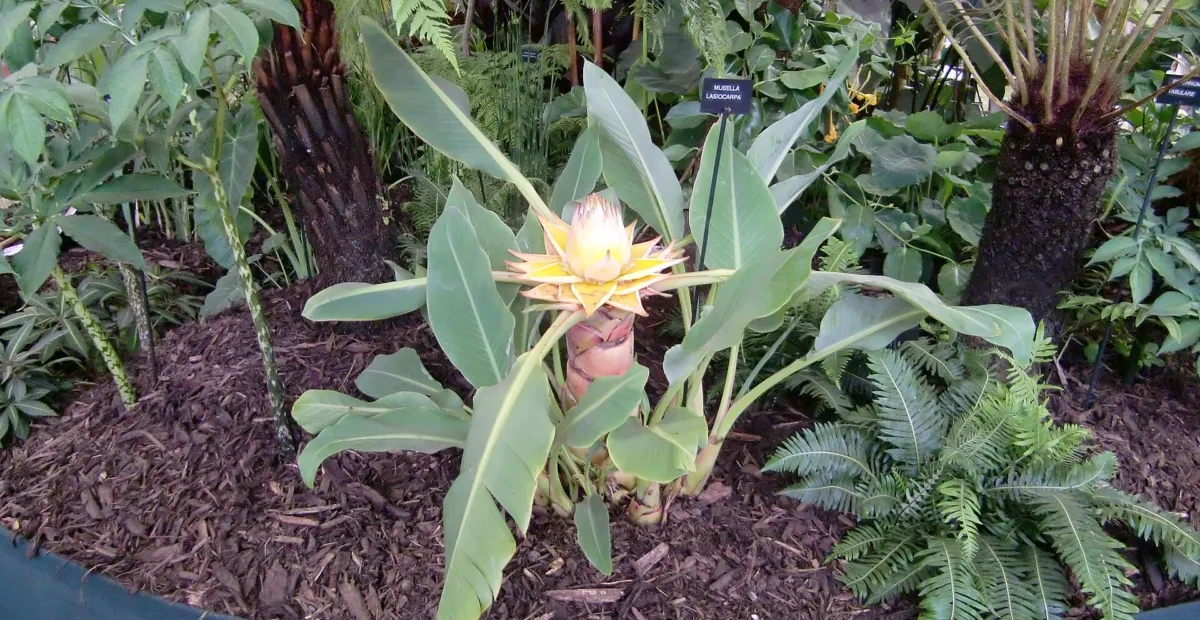
The plant has broad, blue-green leaves arising from stout, banana-like pseudostems. Leaves are generally upright to arching and may tear in strong wind. The defining ornamental feature is the substantial golden-yellow inflorescence, whose layered bracts give it a lotus-like appearance. Horizontal rhizomes produce offsets and gradually create a clump.
Flowering
The plant produces a conspicuous, upright, lotus-like inflorescence after becoming established, often requiring more than one growing season. Golden-yellow bracts surround the flowers and can remain decorative for an extended period. Exact outdoor bloom timing varies considerably with climate, plant age and winter protection.
Pollination and visitors
Species-specific pollinator documentation was not located in the authoritative sources reviewed. The showy inflorescence may receive animal visitors in cultivation, but no visitor group is assigned here without dependable evidence.
Musella lasiocarpa photos
Click any photo for a larger view. Source, author and license are shown separately.
Diseases and pests
Diseases
Prevent problems by providing airflow, avoiding chronically wet soil and watering at the base rather than over the foliage. Watch for soft rhizome rot in poorly drained conditions and remove damaged tissue promptly. In containers, sterilize tools and replace heavily contaminated potting mix rather than repeatedly watering a failing plant.
Pests
Inspect undersides of leaves for spider mites, especially in hot, dry conditions, and check young growth for aphids or mealybugs. Rinse foliage, improve humidity and airflow, and use insecticidal soap only when pests are confirmed. Avoid routine broad-spectrum insecticides and monitor plants before bringing containers indoors.
Related diseases and pests
Only Plant Doctor profiles whose host data indicate this plant may be affected are shown here.
 DiseaseRhizopus soft rotRhizopus stolonifer
 PestBroad mitePolyphagotarsonemus latus (Banks)
 DiseaseBacterial soft rotPectobacterium carotovorum
 PestMealy Plum AphidHyalopterus pruni (Geoffroy, 1762)
 DiseaseRhizoctonia DiseasesRhizoctonia solani Kühn
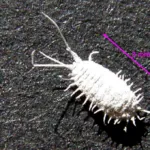 PestObscure mealybugPseudococcus viburni
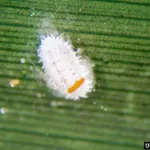 PestCitrus mealybugPlanococcus citri
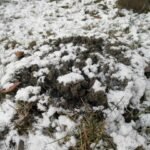 Environmental stressFrost heaving
Toxicity and pollen
Authoritative species-specific toxicity information for humans, dogs, cats and children was not located. Do not assume complete safety from that absence of evidence. Keep plant material away from children and pets, avoid ingesting ornamental plant parts, and seek medical or veterinary advice if a substantial amount is eaten or irritation develops.
- Pollination / pollen
- Flower pollen; airborne relevance undocumented
Musella lasiocarpa is an angiosperm and therefore produces pollen when flowering, but reliable species-specific data on airborne dispersal and human allergy relevance were not found. The large inflorescence and lack of documented allergy information do not justify calling its pollen risk zero.
Native habitat
Native populations occur in southwestern China and northern Vietnam, including subtropical upland environments. The species is associated with warm growing seasons, seasonal moisture and soils that drain while retaining organic matter. It is not a cold-climate perennial without substantial protection.
Interesting fact
Musella lasiocarpa is the accepted species name in current Kew-backed taxonomic resources. It is the sole species of the genus Musella. The plant was historically placed in Musa and Ensete, and its swollen golden inflorescence inspired the Golden Lotus Banana name. Its native range extends from southwestern China to northern Vietnam.
Frequently asked questions (FAQ)
The most relevant questions about this plant, with short and direct answers.
🌱Quick care
What is the Golden Lotus Banana?⌄
The Golden Lotus Banana is Musella lasiocarpa, a compact, clumping herbaceous perennial in the banana family, Musaceae. It is grown mainly for its upright, golden-yellow, lotus-like flower structure rather than edible fruit.
How big does Musella lasiocarpa get?⌄
Musella lasiocarpa typically grows about 3 to 5 feet tall and wide in cultivation. Its size depends on warmth, moisture, fertility, container space, and whether winter cold causes the foliage or pseudostem to die back.
Is the Golden Lotus Banana a true banana tree?⌄
No, it is not a woody tree or a typical fruiting banana; it is a herbaceous perennial with a pseudostem. Musella lasiocarpa is a separate genus in the banana family and is usually grown as an ornamental foliage and flowering plant.
🌤️Environment and placement
Can you grow Musella lasiocarpa indoors?⌄
Yes, but it needs very bright light, warmth, humidity, and adequate space to grow well indoors. A sunny conservatory, greenhouse, or bright room is more suitable than a dim living-room location, especially if you want strong growth or flowering.
How much sun does the Golden Lotus Banana need?⌄
Grow the Golden Lotus Banana in full sun to partial shade, with morning or filtered afternoon shade in very hot climates. More sun generally supports stronger growth and flowering, but intense reflected heat can scorch leaves if the soil becomes dry.
Where should I plant Musella lasiocarpa outdoors?⌄
Choose a warm, sheltered site with fertile, humus-rich, well-drained loam and protection from strong wind. A south- or west-facing location near a wall can provide extra heat, but avoid spots that remain waterlogged after rain.
What USDA hardiness zone is Musella lasiocarpa?⌄
Musella lasiocarpa is commonly listed for USDA Zones 7 through 10, but performance varies considerably with drainage, winter wetness, exposure, and the severity and duration of freezes. In colder areas, growing it in a container is the more dependable option.
💧Care and problems
Can Musella lasiocarpa survive winter outdoors?⌄
It may survive outdoors in mild parts of USDA Zone 7 and warmer when planted in well-drained soil and protected from prolonged freezing. In colder zones, the foliage and pseudostem can die back, and the crown may not reliably survive without substantial winter protection.
How do I protect a Golden Lotus Banana in winter?⌄
After frost damages the foliage, remove collapsed leaves and keep the crown protected with a thick, breathable layer of dry mulch. In colder regions, move container plants to a frost-free garage, greenhouse, or cool indoor space and keep the dormant soil only slightly moist.
How often should I water Musella lasiocarpa?⌄
Water Musella lasiocarpa regularly during active growth so the soil stays consistently moist but never soggy. Reduce watering in winter or during dormancy, because cold, wet soil can cause crown or rhizome rot.
Does the Golden Lotus Banana need high humidity?⌄
Higher humidity supports better foliage, particularly indoors or in dry climates, but the plant can tolerate ordinary outdoor humidity if it receives consistent moisture. Improve indoor humidity with grouping or a humidifier rather than keeping the pot in standing water.
How do I fertilize a Golden Lotus Banana?⌄
Feed the Golden Lotus Banana regularly during active growth with a balanced fertilizer or a fertilizer suitable for vigorous foliage plants. Stop or greatly reduce feeding in fall and winter when growth slows or the plant becomes dormant.
Why are the leaves of Musella lasiocarpa turning brown?⌄
Brown leaves commonly result from drought, low humidity, wind damage, cold exposure, or intense heat combined with dry soil. Keep the soil evenly moist during growth, shelter the plant from wind, and remove badly damaged leaves once new growth resumes.
Why is my Golden Lotus Banana not growing?⌄
Slow growth is often caused by cool temperatures, insufficient light, dry soil, poor drainage, root restriction, or winter damage. Provide warmth, bright light, steady moisture, fertile soil, and time for the crown to recover after cold weather.
What pests attack Musella lasiocarpa?⌄
Spider mites and mealybugs can attack Musella lasiocarpa, especially in warm, dry indoor or greenhouse conditions. Inspect leaf undersides and leaf bases regularly, improve air humidity, and treat infestations promptly with a product labeled for ornamental plants.
🪴Planting and repotting
What soil is best for Musella lasiocarpa?⌄
Use fertile, humus-rich, well-drained loam that retains moisture without becoming saturated. For containers, combine quality potting mix with organic matter and drainage material, and always use a pot with an unobstructed drainage hole.
When should I plant Musella lasiocarpa outdoors?⌄
Plant it outdoors in spring after the danger of hard frost has passed and the soil has begun to warm. Spring planting gives the crown and roots a full growing season to establish before winter.
Can the Golden Lotus Banana grow in a container?⌄
Yes, container growing is recommended in areas colder than its dependable outdoor range. Use a heavy, well-drained pot, refresh or repot as the clump expands, and move the plant to a frost-free location before severe winter weather.
How often should I repot Musella lasiocarpa?⌄
Repot Musella lasiocarpa when roots fill the container, drainage declines, or the clump becomes unstable, usually every two to three years in vigorous conditions. Move it into a pot only modestly larger to avoid leaving excess wet soil around the roots.
Can I plant Musella lasiocarpa in heavy clay soil?⌄
It can struggle in heavy clay unless drainage is substantially improved. Incorporate organic matter and coarse drainage material, plant slightly high if necessary, and avoid locations where winter water collects around the crown.
How far apart should I plant Golden Lotus Bananas?⌄
Space plants about 3 to 5 feet apart for individual clumps, allowing room for their mature spread and offsets. Use wider spacing if you want each plant to remain visually distinct rather than forming a dense mass.
✂️Propagation and pruning
How do I propagate Musella lasiocarpa?⌄
The most practical propagation method is separating rooted offsets, also called pups or suckers, from the parent clump. Divide them during active growth, retain some roots with each offset, and pot them in a well-drained, consistently moist mix.
Can I grow the Golden Lotus Banana from seed?⌄
Yes, but seed propagation is generally less dependable because available seed may be dormant or have low viability. Fresh, viable seed and warm, consistently moist conditions improve the chances of germination, but offsets are usually easier for home growers.
Should I prune Musella lasiocarpa?⌄
Prune only damaged, dead, or collapsing leaves and spent pseudostems. Each pseudostem flowers once and may gradually die afterward, so remove it at the base when it is clearly declining and allow healthy offsets to continue developing.
⚠️Toxicity and safety
Does Musella lasiocarpa produce edible bananas?⌄
No, it is not grown for edible bananas. Any fruit is generally small, seedy, and not considered palatable, so the plant’s ornamental value comes from its foliage and distinctive lotus-like flower structure.
Is the Golden Lotus Banana toxic to pets or people?⌄
The toxicity of Musella lasiocarpa is not well established, and species-specific safety evidence is limited. Treat it as potentially unsafe to ingest, keep plant material away from children and pets, and contact a medical or veterinary professional if ingestion occurs.
Is Musella lasiocarpa invasive in the United States?⌄
Musella lasiocarpa is a clumping ornamental that spreads mainly by offsets rather than by aggressive seed dispersal. It is not generally treated as a major invasive garden plant, but remove unwanted pups and check local regulations before planting.
🌸Flowering and special interest
Does Musella lasiocarpa die after flowering?⌄
Yes, the individual flowering pseudostem generally declines after blooming, but the clump can continue through new offsets arising from the crown or rhizome. Removing the spent stem helps direct attention to the developing pups.
When does the Golden Lotus Banana bloom?⌄
In suitable outdoor conditions, the Golden Lotus Banana commonly blooms from summer into early fall, although timing varies with age, climate, light, fertility, and winter damage. Plants grown in warm conditions may flower at other times of year.
How long does the Golden Lotus Banana flower last?⌄
The prominent golden bracts can remain ornamental for an unusually long period, often lasting for several months under favorable conditions. The display may persist longer than the individual small flowers hidden among the bracts.
How old must Musella lasiocarpa be before flowering?⌄
Musella lasiocarpa usually needs several growing seasons to reach flowering size, although vigorous plants may bloom sooner. Consistent warmth, strong light, adequate feeding, and protection from severe winter damage all improve flowering potential.
Similar plants
 Azure Monkshood (Aconitum carmichaelii) care guideAconitum carmichaelii
 Monkshood (Aconitum ‘Stainless Steel’)Aconitum 'Stainless Steel'
 Monkshood (Aconitum ‘Bressingham Spire’)Aconitum 'Bressingham Spire'
 Golden full moon maple (Acer shirasawanum ‘Aureum’)Acer shirasawanum 'Aureum'
 Globosum (Acer platanoides ‘Globosum’)Acer platanoides 'Globosum'
 Striped maple (Acer pensylvanicum) care guideAcer pensylvanicum