
 Source:
 Bergenia ‘Silberlicht’ short overview
Bergenia 'Silberlicht' is a durable, rhizomatous perennial grown for its broad, glossy leaves and early spring flower clusters. White blooms emerge from red-tinged stems and often age to pale pink around prominent red centers. The slowly spreading clumps suit woodland borders, shady beds, path edging, slopes, and containers. In colder parts of the United States, foliage may bronze or become weathered in winter, while established plants tolerate brief dry periods once rooted.
Taxonomic classification
Bergenia ‘Silberlicht’ care guide
Light and placement
Give 'Silberlicht' morning sun, dappled light, or partial shade, especially in regions with hot summers. Full sun is suitable in cooler climates when soil stays evenly moist; afternoon shade is preferable in hotter areas. Too much intense sun with dry soil can scorch or weather leaves, while deep, stagnant shade may produce weaker growth and fewer flowers.
Watering and humidity
Water deeply when the upper soil surface begins to dry, keeping the root zone consistently moist during establishment and spring flowering. Reduce frequency in cool or rainy weather, but do not allow container plants or newly planted divisions to dry completely. Established plants tolerate brief drought, yet prolonged dryness and hot conditions can damage foliage.
Soil and growing medium
Use humus-rich, moderately fertile soil that holds even moisture without becoming waterlogged. Loam, clay, and sandy soils can work when amended appropriately and well drained. The plant tolerates acid, neutral, and alkaline conditions, but avoid very dry, sharply depleted soil and improve drainage where rhizomes may stay saturated.
Feeding
Incorporate compost before planting, then apply a balanced slow-release fertilizer in early spring if growth is weak or soil is poor. Avoid heavy nitrogen feeding, which can produce soft foliage and reduce flowering quality. Do not fertilize drought-stressed, newly divided, or dormant plants until active growth resumes.
Growth and habit
This long-lived perennial spreads gradually from thick rhizomes and forms a persistent clump rather than racing across a bed. Its slow expansion makes it useful for controlled ground cover and easy to maintain by lifting and dividing crowded clumps. Remove damaged winter foliage before or around flowering to improve presentation.
Planting and repotting
Plant in spring or early fall, setting the crown at soil level rather than burying it deeply. Space plants about 18–24 inches apart for ground-cover massing, allowing the slowly spreading rhizomes to knit together. Water consistently during the first growing season and mulch lightly without covering the crown.
Repot container plants when the clump becomes crowded or the rhizomes fill the pot, preferably in early spring or fall. Use a sturdy container with drainage holes and a moisture-retentive but free-draining potting mix. Replant divisions at the original depth and water thoroughly while they re-establish.
Propagation and pruning
Propagation
Divide established clumps or separate sections of rhizome in early spring or fall. Replant divisions promptly with the crown at soil level and keep them evenly moist until rooted. Seed is not the preferred method for preserving this named cultivar because seedlings may not come true to type.
Pruning
After flowering, cut faded flower stems to the base. Remove blackened, torn, or winter-damaged leaves in late winter or early spring, taking care not to injure the crown. Avoid routine hard cutting while healthy foliage is providing winter protection.
Overwintering
Plants are outdoor perennials in their hardiness range and should not normally be overwintered indoors. In colder areas, apply a light winter mulch after the ground cools, especially where snow cover is unreliable. Foliage may bronze, redden, or become battered in winter; remove only the damaged portions in late winter. Protect emerging spring flower buds from severe late frosts.
Uses
Primarily ornamental: use it as a durable ground cover, edging plant, woodland perennial, border-front accent, slope planting, or container specimen. The thick foliage also contributes winter structure and can be used as greenery in arrangements. No culinary or medicinal use is recommended for this named garden cultivar without specific safety evidence.
Appearance
Large, rounded to oval, thick leathery leaves form open rosettes and remain attractive through much of winter, often developing maroon-purple tones as temperatures fall. Flower stems are stout and red tinged, rising above the leaves with branched clusters of pale blooms. Thick rhizomes run horizontally near the soil surface and explain the plant's gradual spreading habit.
Flowering
Dense clusters of bell-shaped flowers rise above the foliage on stout, often red-tinged stems. Flowers open white or pinkish-white and commonly develop stronger pink tones as they mature, with conspicuous red centers or calyces. Flowering is concentrated in spring, and early frosts can damage emerging buds and open flowers.
Pollination and visitors
Bergenia flowers are recognized as an early-season resource for pollinating insects. Reports for Bergenia include bees, bumblebees, hoverflies and other flies, but direct visitor records for 'Silberlicht' itself are limited. The medium attraction rating reflects genus-level and horticultural evidence rather than a cultivar-specific visitation study.
Bergenia 'Silberlicht' photos
Click any photo for a larger view. Source, author and license are shown separately.
Diseases and pests
Diseases
Leaf spot is the principal reported disease concern. Reduce leaf wetness, provide adequate spacing and airflow, remove heavily affected foliage, and avoid overhead irrigation. Rhizome or crown rots are more likely in persistently waterlogged soil, so correct drainage and do not plant the crown too deeply.
Pests
Watch for slugs, snails, vine weevil, aphids, thrips, mealybugs, and occasional weevils. Inspect leaves and crowns regularly, remove hiding places, improve airflow, and use targeted, proportionate controls only when damage is significant. Deer and rabbits generally avoid bergenia foliage.
Related diseases and pests
Only Plant Doctor profiles whose host data indicate this plant may be affected are shown here.
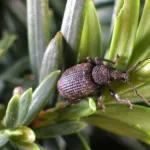 PestBlack Vine WeevilOtiorhynchus sulcatus
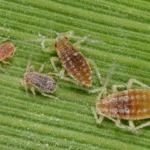 PestMealy Plum AphidHyalopterus pruni (Geoffroy, 1762)
 DiseaseRhizoctonia DiseasesRhizoctonia solani Kühn
 Environmental stressWaterlogging
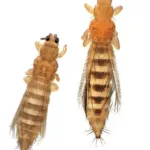 PestOnion thripsThrips tabaci Lindeman
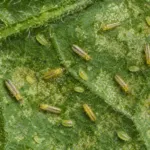 PestMelon thripsThrips palmi Karny
 DiseaseRhizopus soft rotRhizopus stolonifer
 Environmental stressFrost heaving
Toxicity and pollen
No reliable cultivar-specific toxicity assessment was found for Bergenia 'Silberlicht'. Do not treat the plant as edible, and discourage chewing because ordinary garden plants can cause irritation or gastrointestinal upset when eaten. Seek medical or veterinary advice after significant ingestion or unusual symptoms.
- Typical season
- Mainly during spring flowering in the United States
- Pollination / pollen
- Insect-dispersed pollen; not typically released in large airborne clouds
The flowers are insect-pollinated rather than adapted for mass airborne pollen release, so exposure is expected to be lower than for wind-pollinated trees and grasses. This does not establish zero allergy risk; sensitive people should avoid handling flowers if symptoms occur.
Native habitat
The Bergenia lineage is associated with temperate Asian habitats ranging from open woodland and rocky ground to mountain environments. Garden forms perform best in humus-rich, moisture-retentive but well-drained soil and tolerate shade, cool exposure, and brief drought after establishment. Hot, dry conditions can reduce vigor and foliage quality.
Interesting fact
The cultivar was introduced by Arends Nursery near Cologne, Germany.
The name 'Silberlicht' means silver light.
Leaves can turn maroon-purple as temperatures fall.
Bergenia foliage can produce a squeak when rubbed.
Frequently asked questions (FAQ)
The most relevant questions about this plant, with short and direct answers.
🌱Quick care
How do you care for Bergenia 'Silberlicht'?⌄
Grow Bergenia 'Silberlicht' in part shade or shade, keep the soil evenly moist but well drained, and remove spent flower stems after blooming. It is a low-maintenance perennial that benefits from humus-rich soil and occasional cleanup of damaged leaves.
Is Bergenia 'Silberlicht' evergreen?⌄
Bergenia 'Silberlicht' is generally evergreen, although foliage may become bronzed, purple, or weathered in cold climates. In colder USDA zones, winter damage is normal and damaged leaves can be removed in early spring.
How big does Bergenia 'Silberlicht' get?⌄
Bergenia 'Silberlicht' typically grows about 12–18 inches tall and 12–24 inches wide. Its slowly spreading rhizomes form dense clumps rather than rapidly taking over an area.
🌤️Environment and placement
Does Bergenia 'Silberlicht' grow in full shade?⌄
Bergenia 'Silberlicht' tolerates full shade, but flowering may be reduced and the foliage may be less vigorous. Bright shade or dappled light is usually a better choice, especially where summers are warm.
Can Bergenia 'Silberlicht' grow in full sun?⌄
Bergenia 'Silberlicht' can grow in full sun where summers are cool and the soil stays consistently moist. In hot regions, provide afternoon shade because intense heat and dry soil can scorch or weaken the plant.
What is the best location for Bergenia 'Silberlicht'?⌄
Plant Bergenia 'Silberlicht' in bright shade, dappled shade, or morning sun with protection from intense afternoon heat. It works well along paths, beneath shrubs, in woodland-style borders, and as a low ground cover.
What USDA zones can grow Bergenia 'Silberlicht'?⌄
Bergenia 'Silberlicht' is commonly listed for USDA Zones 4–8, although performance can vary with winter exposure and summer heat. In colder areas, mulch over the root zone if there is little protective snow cover.
Can Bergenia 'Silberlicht' grow under trees?⌄
Bergenia 'Silberlicht' can grow beneath trees if it receives sufficient filtered light and does not have to compete with dense tree roots for moisture. Improve the planting area with organic matter and water during prolonged dry periods.
Does Bergenia 'Silberlicht' tolerate drought?⌄
Established Bergenia 'Silberlicht' can tolerate brief dry periods, but it grows and flowers best with consistent moisture. Do not allow the soil to remain completely dry, particularly during establishment, flowering, or hot weather.
💧Care and problems
How often should you water Bergenia 'Silberlicht'?⌄
Water Bergenia 'Silberlicht' whenever the upper soil begins to dry, keeping the root zone evenly moist without making it waterlogged. Frequency depends on rainfall, soil, temperature, and exposure, so check the soil rather than following a fixed schedule.
Why are Bergenia 'Silberlicht' leaves turning purple or bronze?⌄
Purple, bronze, or maroon foliage is usually a natural response to cool weather and can add winter interest. Leaves may also look darker after cold exposure, but mushy, black, or rapidly collapsing foliage can indicate winter injury or excessive wetness.
Why is Bergenia 'Silberlicht' not flowering?⌄
The most common reasons Bergenia 'Silberlicht' fails to flower are deep shade, drought stress, young plants, or damage from a late frost. Move overly shaded plants to brighter conditions and maintain even moisture, but recognize that early flowers can still be lost in freezing weather.
What soil does Bergenia 'Silberlicht' need?⌄
Bergenia 'Silberlicht' prefers humus-rich, moderately fertile soil that holds moisture but drains freely. It can tolerate clay, loam, sand, and relatively poor soil, provided the planting site is not permanently wet or excessively dry.
Does Bergenia 'Silberlicht' need fertilizer?⌄
Bergenia 'Silberlicht' usually needs little fertilizer when planted in reasonably fertile soil. If growth is weak, apply a modest balanced perennial fertilizer in spring according to the product label rather than overfeeding.
What pests affect Bergenia 'Silberlicht'?⌄
Slugs, snails, vine weevils, aphids, and other occasional pests may affect Bergenia 'Silberlicht'. Inspect leaves and the crown regularly, especially in damp conditions, and address pests promptly if feeding or root damage becomes noticeable.
What diseases affect Bergenia 'Silberlicht'?⌄
Leaf spot and rhizome rot are the main reported disease concerns for Bergenia 'Silberlicht'. Improve air circulation, remove affected foliage, avoid overhead watering, and plant in well-drained soil to reduce disease pressure.
Is Bergenia 'Silberlicht' deer resistant?⌄
Bergenia 'Silberlicht' is generally avoided by deer and rabbits, although no plant is completely browsing-proof. Hungry wildlife may still sample it, particularly when preferred food is scarce.
🪴Planting and repotting
When should you plant Bergenia 'Silberlicht'?⌄
Plant Bergenia 'Silberlicht' in spring or fall when the soil is workable and temperatures are moderate. Spring planting is useful in colder areas, while fall planting allows roots to establish before winter without the stress of summer heat.
How do you plant Bergenia 'Silberlicht' in the ground?⌄
Set Bergenia 'Silberlicht' at the same depth it was growing in its container, with the crown at or just above soil level. Backfill with improved soil, water thoroughly, and keep the planting evenly moist until new growth shows steady establishment.
Can Bergenia 'Silberlicht' grow in containers?⌄
Bergenia 'Silberlicht' can grow in a container with drainage holes and a moisture-retentive but well-drained potting mix. Use a container wide enough for its clump and protect the roots from severe winter cold because container plants experience colder temperatures than plants in the ground.
How far apart should Bergenia 'Silberlicht' be planted?⌄
Space Bergenia 'Silberlicht' about 18–24 inches apart for a continuous ground-cover effect, or leave more room for individual clumps. The plant spreads slowly by rhizomes and gradually fills the space between plants.
✂️Propagation and pruning
How do you propagate Bergenia 'Silberlicht'?⌄
Propagate Bergenia 'Silberlicht' mainly by dividing established clumps or planting sections of rhizome in fall or spring. Division is preferable to seed when you want new plants to retain the exact characteristics of this named cultivar.
When should Bergenia 'Silberlicht' be divided?⌄
Divide Bergenia 'Silberlicht' in fall or in spring, preferably after flowering if dividing in spring. Lift an established clump, separate healthy rhizome sections with roots and shoots, and replant them promptly at the original depth.
Can Bergenia 'Silberlicht' be grown from seed?⌄
Bergenia 'Silberlicht' can be propagated from seed, but seedlings may not reproduce the named cultivar exactly. Division or rhizome sections are more reliable for maintaining its characteristic flowers, foliage, and growth habit.
Should Bergenia 'Silberlicht' be pruned?⌄
Bergenia 'Silberlicht' needs only light pruning: remove faded flower stems and cut away old, torn, or blackened leaves. Avoid cutting healthy foliage unnecessarily because it provides structure and winter protection for the crown.
⚠️Toxicity and safety
Is Bergenia 'Silberlicht' toxic to dogs or cats?⌄
No cultivar-specific toxicity assessment for Bergenia 'Silberlicht' was located, so its safety for dogs, cats, and other pets should be treated as uncertain. Prevent pets and children from chewing ornamental plants, and contact a veterinarian or poison-control service if ingestion causes symptoms.
🌸Flowering and special interest
When does Bergenia 'Silberlicht' bloom?⌄
Bergenia 'Silberlicht' usually blooms in early to mid-spring, with timing varying by climate. In many U.S. gardens, flowering occurs around April and May, though warmer areas may see earlier blooms.
What color are Bergenia 'Silberlicht' flowers?⌄
Bergenia 'Silberlicht' produces white flowers on red-flushed stems, and the blooms often develop pale pink tones as they age. The flowers have noticeable red centers or red calyces that contrast with the pale petals.
Do late frosts damage Bergenia 'Silberlicht' flowers?⌄
Late frosts can damage or destroy the early flower buds and open blooms of Bergenia 'Silberlicht'. The foliage usually survives, but flowering may be reduced for that season; a sheltered site can lessen the risk.
Similar plants
 Yellow lantern chili (Capsicum chinense) care guideCapsicum chinense
 Capsicum baccatum care guideCapsicum baccatum
 Serrano (Capsicum annuum ‘Serrano’)Capsicum annuum 'Serrano'
 Purple Beauty (Capsicum annuum ‘Purple Beauty’)Capsicum annuum 'Purple Beauty'
 Numex Twilight (Capsicum annuum ‘Numex Twilight’)Capsicum annuum 'Numex Twilight'
 Explosive Ember Chili Pepper (Capsicum annuum ‘Explosive Ember’)Capsicum annuum 'Explosive Ember'