
 Source:
Heath aster (Aster ericoides) short overview
Heath aster is a hardy North American perennial valued for its airy, branching habit and clouds of small white flower heads with yellow centers. Formerly known as Aster ericoides, it thrives in full sun, lean to average well-drained soil, and dry to medium moisture. Its late-season bloom supports bees, butterflies, and other beneficial insects, making it a useful choice for prairie plantings, naturalistic borders, and pollinator gardens.
Taxonomic classification
Heath aster (Aster ericoides) care guide
Light and placement
Grow in full sun for the strongest stems and most flowers; a site facing south or west is suitable if soil does not dry excessively. Light afternoon shade is tolerated, especially in hot climates, but deep shade can produce sparse growth and fewer blooms. Excessive shade or rich, moist soil may cause weak, leaning stems.
Watering and humidity
Water deeply when the upper several inches of soil dry during the first growing season, rather than giving frequent shallow sprinkles. Once established, allow the soil to dry moderately between waterings; irrigate during prolonged drought, especially in containers. Avoid wet crowns and standing water. Normal outdoor humidity is adequate.
Soil and growing medium
Use sandy, gravelly, rocky, or loamy soil that drains freely. Heath aster tolerates lean ground and is less likely to flop in soils that are not excessively fertile. Slightly acidic to neutral conditions are suitable; avoid persistently waterlogged sites and heavy organic enrichment.
Feeding
Heath aster usually performs well without routine fertilizer in average or lean soil. If growth is weak, apply a thin layer of compost in spring or use a balanced slow-release fertilizer at the low label rate. Avoid high-nitrogen feeding, which can produce soft, overly leafy growth and reduce a sturdy flowering habit.
Growth and habit
This herbaceous perennial forms a branching, somewhat bushy colony through rhizomes and runners. It is durable in open, dry to medium-moisture conditions and may spread gradually. In fertile or shaded sites, stems can become loose or floppy; lean soil, adequate light, and a spring cutback help maintain a cleaner display.
Planting and repotting
Plant in spring after the soil can be worked, or in early fall while temperatures are moderate. Set the crown at the same depth as in its container. Space plants about 18–24 inches apart, allowing room for branching and gradual colony formation. Water regularly during the first growing season, then reduce irrigation as roots establish.
Repot container-grown plants in spring when roots fill the pot. Use a sturdy, sharply draining potting mix and a container with drainage holes. Transplant divisions or nursery plants with the crown at soil level, then water thoroughly until established.
Propagation and pruning
Propagation
Sow cleaned seed in fall or provide approximately 2.5–4 months of cold, moist stratification before spring sowing. Established clumps can be divided in late summer or spring; each division should retain roots and viable buds. Seedlings and divisions establish best in well-drained soil.
Pruning
Cut stems back to a few inches above the crown in late winter or early spring before new growth begins. Removing spent flower heads can limit self-sowing, while leaving some seed heads benefits wildlife. If stems flop, a light early-summer trim can encourage branching, but late heavy pruning may delay flowering.
Overwintering
Plants are hardy outdoors in USDA Zones 5–8 and generally need no special winter protection in those regions. Leave dry stems standing over winter for habitat, then cut them back in late winter. In colder or exposed sites, a light mulch after the ground freezes can protect the crown; container plants need more root insulation.
Uses
Use heath aster in native borders, prairie restorations, meadow plantings, wildlife gardens, and late-season pollinator beds. The open sprays can also be used as a cut flower. It is chiefly an ornamental and ecological plant; no culinary or medicinal use is recommended here without separate verified evidence.
Appearance
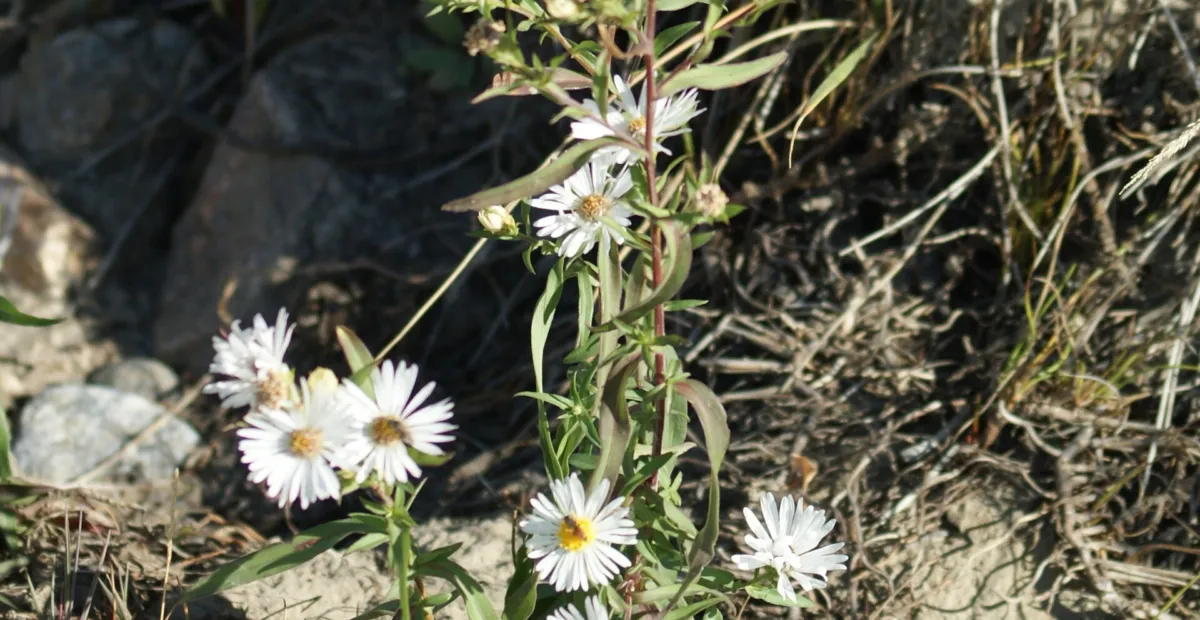
Heath aster has slender, highly branched green stems and narrow, linear, sessile leaves that give the plant a fine-textured, heath-like appearance. Many leaves may fall by flowering time, exposing the airy branch structure. The numerous small white heads with yellow centers are the main identification feature.
Flowering
Numerous small flower heads are carried in loose, highly branched sprays. Each head has white ray florets surrounding a yellow to yellowish central disk. In the United States, flowering is typically concentrated from September through November, though timing varies by latitude and local weather.
Pollination and visitors
The flower heads provide nectar and pollen for bees, butterflies, and other beneficial insects. The species is also associated with specialist and generalist native bee use, while asters support caterpillars of insects such as the pearl crescent butterfly and wavy-lined emerald moth.
Aster ericoides photos
Click any photo for a larger view. Source, author and license are shown separately.
Diseases and pests
Diseases
Good air circulation and well-drained soil help prevent fungal problems. Watch for powdery mildew, leaf spots, and stem or root rots during humid or persistently wet conditions. Remove heavily affected foliage, avoid overhead watering, and cut back and discard diseased stems after flowering.
Pests
Monitor for aphids, lace bugs, leafhoppers, and occasional caterpillar feeding. Most insect damage is cosmetic and can be tolerated in wildlife plantings. Use a strong water spray for aphids, encourage beneficial insects, and avoid broad-spectrum insecticides while the plant is flowering.
Related diseases and pests
Only Plant Doctor profiles whose host data indicate this plant may be affected are shown here.
 DiseaseImpatiens necrotic spot virus diseaseImpatiens necrotic spot orthotospovirus
 DiseaseAster yellows‘Candidatus Phytoplasma asteris’
 DiseaseSouthern blightAthelia rolfsii
 DiseasePhytophthora cryptogea Root and Crown RotPhytophthora cryptogea Pethybr. & Lafferty
 PestBrown planthopperNilaparvata lugens (Stål)
 PestRosy Apple AphidDysaphis plantaginea
 Environmental stressFrost heaving
 DiseaseMaple powdery mildewSawadaea bicornis
Toxicity and pollen
No authoritative source located in this review documents significant toxicity for Aster ericoides to people or pets. As with any ornamental plant, prevent ingestion of large amounts and seek professional advice after an unusual reaction or suspected ingestion. Plant identification should be certain before any use.
- Typical season
- September–November
- Pollination / pollen
- Insect-carried pollen; limited airborne dispersal
The species produces viable pollen, but its insect-pollinated flower heads are not generally regarded as major wind-dispersed pollen sources. Sensitive individuals can still react to direct contact or nearby flowering plants. During bloom, avoid handling flowers before touching the face and monitor personal symptoms.
Native habitat
Native populations occur across much of central and eastern North America, including prairies, plains, open rocky woods, savannas, dunes, sand bars, roadsides, and other open disturbed habitats. It commonly occupies sandy, gravelly, rocky, or otherwise well-drained soils in temperate climates.
Interesting fact
The species was formerly placed in Aster and remains widely sold under that name. Its narrow leaves often drop by flowering time, leaving the branching flower display especially airy. Underground rhizomes and above-ground runners can help form colonies. Plants can resprout vigorously after fire.
Frequently asked questions (FAQ)
The most relevant questions about this plant, with short and direct answers.
🌱Quick care
What is Aster ericoides called?⌄
Aster ericoides is commonly called heath aster in the United States. It is a native North American perennial in the Asteraceae family and is also treated by many botanical references under the name Symphyotrichum ericoides.
Is heath aster a perennial?⌄
Yes, heath aster is a herbaceous perennial that returns from its roots each year. Established plants commonly reach about 1 to 3 feet tall and 1 to 1½ feet wide.
How large does heath aster get?⌄
Heath aster typically grows about 1 to 3 feet tall and 1 to 1½ feet wide, although plants may become taller or flop in rich soil or lower light. Its branching habit can make the plant appear wider while flowering.
How can I tell heath aster from similar white asters?⌄
Heath aster has many slender, branching upper stems, narrow linear leaves, and numerous small white flower heads with yellow centers. Identification can be difficult because several native asters look similar, so regional flower, leaf, bract, and stem features should be checked together.
Is Aster ericoides the same as Symphyotrichum ericoides?⌄
Yes, Symphyotrichum ericoides is the widely used modern botanical treatment associated with the name Aster ericoides. Plant labels and references may use either name, so checking the full species name helps avoid confusing it with unrelated plants sold as heath aster.
🌤️Environment and placement
How much sun does heath aster need?⌄
Heath aster grows best in full sun, meaning at least 6 hours of direct sunlight daily. It tolerates partial shade, but reduced light may produce weaker stems and fewer flowers.
What type of soil is best for Aster ericoides?⌄
Use well-drained sandy, gravelly, rocky, or loamy soil for heath aster. It tolerates poor, shallow, clay, and somewhat alkaline soils, but consistently wet soil can cause problems.
What USDA hardiness zones can grow heath aster?⌄
Heath aster is broadly reported as hardy across much of the United States, with conservation references commonly listing Zones 3 through 10. Exact performance can vary by local population, cultivar, winter exposure, and drainage.
Is heath aster native to the United States?⌄
Yes, Aster ericoides is native across broad parts of the central and eastern United States and occurs in prairies, open woods, savannas, roadsides, fields, dunes, and other open habitats. Local native status should be checked because distributions vary by state.
Can heath aster tolerate frost?⌄
Yes, heath aster is frost hardy across its recommended growing range. Frost may end the season’s flowers and darken the foliage, but established roots normally survive winter and resprout in spring.
💧Care and problems
Is heath aster drought tolerant?⌄
Yes, established heath aster is drought tolerant and generally needs low to moderate water. Water it during prolonged drought, especially in the first growing season, but allow the soil to dry somewhat between waterings.
How often should I water heath aster?⌄
Water heath aster when the soil is dry several inches below the surface during its establishment year. Once established, it usually needs supplemental water only during extended hot or dry periods.
Does heath aster need fertilizer?⌄
No, heath aster usually does not need fertilizer when grown in reasonably fertile soil. Excess fertilizer, especially nitrogen, can encourage sprawling foliage and reduce the plant’s natural flowering habit.
How do I keep heath aster from flopping?⌄
Grow heath aster in full sun and avoid overly rich or heavily fertilized soil, which can produce weak, tall growth. A discreet plant support can help, and light pruning or shearing earlier in the season may create a shorter, bushier plant.
Does heath aster spread aggressively?⌄
Heath aster can spread by short rhizomes and self-seeding, particularly in open, disturbed, or lightly managed sites. It is usually manageable in a garden by removing unwanted seedlings and cutting off seed heads before they disperse.
Does heath aster have serious pest or disease problems?⌄
Heath aster is generally a low-maintenance plant without major recurring pest or disease problems. Poor air circulation, excessive moisture, and weak growth from shade can still increase the chance of foliar disease.
🪴Planting and repotting
Can heath aster grow in clay soil?⌄
Yes, heath aster can tolerate clay soil if drainage is adequate. Improve heavy, compacted ground with organic matter and avoid planting it where water remains saturated after rain.
Where should I plant heath aster in my garden?⌄
Plant heath aster in a sunny border, prairie planting, meadow, rock garden, pollinator garden, or dry naturalized area. Give it room to spread because rhizomes and self-seeding can gradually create a colony.
Can heath aster grow in a container?⌄
Yes, heath aster can grow in a large container if it receives full sun and has excellent drainage. Choose a pot with drainage holes, use a well-drained mix, and expect to water more often than plants grown in the ground.
✂️Propagation and pruning
Should heath aster be cut back?⌄
Cut heath aster back to several inches above the ground in late fall, winter, or early spring if you want a tidier plant. Leave the stems through winter when possible to provide wildlife habitat and allow birds to use the seed heads.
How do I grow heath aster from seed?⌄
Sow heath aster seed outdoors in fall, late winter, or early spring, or provide about 2½ to 4 months of cold, moist stratification before indoor sowing. Germination may occur within roughly two weeks after suitable temperatures and moisture are provided.
When should I collect heath aster seeds?⌄
Collect heath aster seeds in September or when the small achenes separate easily from the spent flower head. Dry and clean the seed, then store it sealed in a cool place until sowing or stratification.
Can heath aster be propagated by division?⌄
Yes, mature heath aster clumps can be divided into sections containing both roots and growing buds. Divide in spring or late summer, then replant promptly and keep the divisions evenly moist while they establish.
⚠️Toxicity and safety
Is heath aster toxic to dogs, cats, or people?⌄
No significant toxicity to people, dogs, or cats is well documented for heath aster, but the evidence is incomplete and the plant should not be eaten. Livestock require extra caution because heath aster can accumulate selenium in certain soils, and contaminated hay may be hazardous.
Can livestock eat heath aster?⌄
Livestock should not be allowed to consume large amounts of heath aster, particularly when it grows on selenium-rich soils or is present in hay. The plant is usually low in palatability, but selenium accumulation can create a livestock-poisoning risk under the right conditions.
Is heath aster edible?⌄
Heath aster should not be treated as an edible plant because reliable safety and preparation information is limited. Avoid consuming it and keep it away from pets and children who may chew on garden plants.
🌸Flowering and special interest
When does heath aster bloom?⌄
Heath aster usually blooms from late summer into fall, often from August through October or later depending on location. The small white flowers have yellow centers, although pinkish, bluish, or purplish forms can occur.
Why is my heath aster not flowering?⌄
The most common causes are insufficient sunlight, excessive nitrogen, drought stress, or a plant that is still becoming established. Move or thin surrounding plants if needed, avoid high-nitrogen fertilizer, and provide water during prolonged drought.
Is heath aster good for pollinators?⌄
Yes, heath aster is a valuable late-season nectar and pollen plant for bees, butterflies, beetles, flies, moths, skippers, wasps, and other insects. It also serves as a larval host for the pearl crescent butterfly and wavy-lined emerald moth.
Do birds use heath aster?⌄
Yes, heath aster produces small seeds that can provide food for birds, including wild turkeys. Leaving the dried flower heads standing through fall and winter makes this resource more available.
Similar plants
 Yellow lantern chili (Capsicum chinense) care guideCapsicum chinense
 Capsicum baccatum care guideCapsicum baccatum
 Serrano (Capsicum annuum ‘Serrano’)Capsicum annuum 'Serrano'
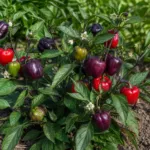 Purple Beauty (Capsicum annuum ‘Purple Beauty’)Capsicum annuum 'Purple Beauty'
 Numex Twilight (Capsicum annuum ‘Numex Twilight’)Capsicum annuum 'Numex Twilight'
 Explosive Ember Chili Pepper (Capsicum annuum ‘Explosive Ember’)Capsicum annuum 'Explosive Ember'