
 Source:
 Arrow Bamboo (Pseudosasa japonica) short overview
Arrow Bamboo is a vigorous, evergreen running bamboo valued for its tall olive-green culms and dense display of glossy, lance-shaped leaves. Native to Japan and Korea, it adapts to full sun or partial shade and to a range of well-drained soils. In the United States it is most useful as a screen, hedge, or bold foliage plant where its spreading rhizomes can be contained. Mature height varies substantially with climate and growing conditions.
Taxonomic classification
Arrow Bamboo (Pseudosasa japonica) care guide
Light and placement
Grow in full sun to partial shade, with morning or filtered light preferred in hot-summer regions. East- or west-facing sites are suitable; afternoon shade can reduce leaf scorch and winter desiccation. Sparse, weak shoots and elongated leaves suggest insufficient light, while bleached foliage, browned margins, or curled leaves may indicate excessive heat, reflected sun, or drought stress.
Watering and humidity
Water deeply during establishment and whenever the upper few inches of soil begin to dry. Keep the root zone evenly moist during spring shooting and summer heat, but avoid stagnant water. Reduce frequency in cool weather while checking containers more often than ground plantings. Mulch helps moderate soil moisture and temperature; humidity is not normally a limiting factor outdoors.
Soil and growing medium
Use fertile soil that retains moisture without remaining saturated. Loam is ideal, but Arrow Bamboo tolerates clay and sand when organic matter and drainage are improved. Incorporate compost into poor soil rather than creating a sharply different planting pocket. The species tolerates acidic through alkaline conditions, so routine pH correction is usually unnecessary unless a soil test identifies a specific problem.
Feeding
Top-dress with compost or aged organic matter in spring as new shoots emerge. A balanced slow-release fertilizer may be used according to its label, especially in poor soil or containers. Do not overfeed drought-stressed or newly transplanted plants, and avoid rich late-summer applications that encourage tender growth before winter.
Growth and habit
This is a running bamboo that spreads by vigorous underground rhizomes and can form dense thickets. New culms emerge seasonally and generally reach their final height quickly, while the stand becomes fuller over several years. Install a rhizome barrier or grow it in a suitably large, contained bed; inspect the perimeter regularly because escaped rhizomes are difficult to remove.
Planting and repotting
Choose a site with adequate room or install a robust rhizome barrier before planting. Set the root ball level with the surrounding soil, water thoroughly, and apply a 2–3 inch organic mulch while keeping it away from the culms. Maintain consistent moisture through the first growing season and monitor nearby beds, paving edges, and property lines for rhizome escape.
Container-grown plants should be divided or shifted into a larger, sturdy container when rhizomes become crowded or growth declines. Repot in spring, use a moisture-retentive but well-drained potting mix, and ensure the container has drainage holes. Large containers may still require periodic root pruning and should be checked for rhizomes escaping through drainage openings.
Propagation and pruning
Propagation
Propagate mainly by division of established clumps or by sections of viable rhizome, preferably in spring as new growth begins. Keep divisions from drying during handling, replant them promptly, and maintain even moisture until rooted. Seed is not a dependable routine method because flowering and viable seed production are irregular.
Pruning
Remove dead, damaged, weak, or unwanted culms at ground level with clean loppers or a saw. Thin older canes to improve access and maintain a neat screen. Cut back flowering shoots promptly if flowering occurs, while monitoring the stand for decline. Avoid indiscriminate topping when a natural upright form is desired; control spread primarily through rhizome management rather than repeated culm cutting.
Overwintering
In USDA Zone 7 and colder or exposed sites, mulch the root zone deeply before hard freezes and protect young plants from drying winds. Container plants are more vulnerable than plants in the ground; move them to a sheltered location, insulate the container, and water occasionally during prolonged dry freezes when the soil is not frozen. Evergreen leaves may scorch or shed after severe winter exposure.
Uses
Arrow Bamboo is used as an evergreen screen, hedge, wind-filter, privacy planting, specimen, or large container plant where spreading can be controlled. Its stiff culms have a documented traditional association with arrow making in Japan. Because it is a running bamboo with naturalization and thicket-forming concerns in some regions, avoid planting near unmanaged natural areas or shared boundaries without containment.
Appearance
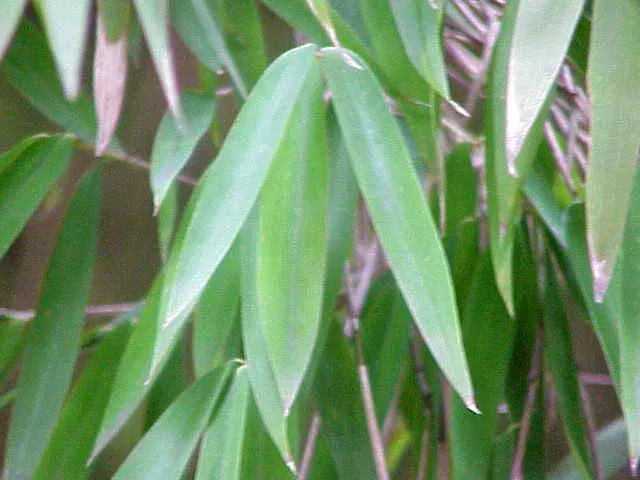
Upright, hollow culms are typically olive green and carry dense branches with narrow, glossy, dark green leaves. Leaves can reach roughly 10 inches in favorable conditions and create a substantial evergreen screen. The combination of relatively broad bamboo foliage, upright canes, and a spreading habit helps distinguish it from finer-leaved clumping bamboos.
Flowering
Unlike showy ornamental flowers, the reproductive structures are small grass spikelets arranged in panicles. Flowering is irregular and may occur on scattered culms or portions of a stand rather than as a predictable annual display. Accounts differ on the effect of flowering: some plants continue growing, while heavily flowering portions may decline or die.
Pollination and visitors
The inconspicuous spikelets are grass reproductive structures rather than nectar-rich ornamental flowers. Available horticultural and invasion-risk accounts characterize the species as wind-pollinated; no dependable animal pollinator or visitor association was found for this exact taxon.
Pseudosasa japonica photos
Click any photo for a larger view. Source, author and license are shown separately.
Diseases and pests
Diseases
Good drainage, adequate spacing, and removal of damaged culms reduce disease pressure. Watch for leaf spots, culm rots, and symptoms associated with prolonged wetness or poor air circulation. Prune affected tissue with sanitized tools and dispose of heavily diseased material. Persistent or severe symptoms should be diagnosed locally before treatment rather than managed with broad, unnecessary pesticide applications.
Pests
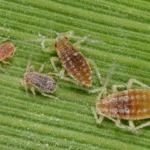
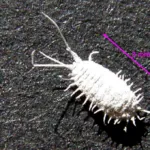
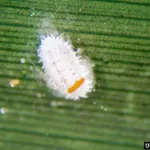
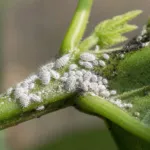
Inspect leaves and culms for scale insects, aphids, mites, mealybugs, and chewing damage, especially on stressed container plants. Improve watering and site conditions first. Wash light infestations from foliage, prune badly affected growth, and use horticultural oil or another labeled treatment only when needed and according to the product label. Monitor regularly because dense foliage can conceal pests.
Related diseases and pests
Only Plant Doctor profiles whose host data indicate this plant may be affected are shown here.
Toxicity and pollen
Independent plant-risk information located for this exact species did not identify it as toxic to humans or animals. As with any ornamental grass, leaves and culms can cause minor mechanical irritation, and plant material should not be intentionally eaten. Wear gloves when cutting dense stands and seek medical or veterinary advice if an unusual reaction or ingestion concern occurs.
- Typical season
- Irregular flowering periods; no dependable U.S. season established
- Pollination / pollen
- Light, wind-dispersed grass pollen when flowering occurs
Arrow Bamboo is a grass and releases wind-dispersed pollen when it flowers, but this species flowers irregularly and its airborne-allergy importance is not well quantified. Do not assume zero allergy risk solely because the flowers are inconspicuous. People with severe grass-pollen sensitivity should avoid handling flowering material and monitor symptoms during local flowering events.
Native habitat
The species is native to Japan and Korea and occurs in temperate East Asian conditions. In cultivation it favors moist but well-drained soils and tolerates sun, partial shade, clay, loam, and sand. Its rhizomatous growth allows dense stand formation, which explains both its screening value and its potential to spread beyond intended planting areas.
Interesting fact
The common name refers to the historical use of its hard, stiff culms for arrows by Japanese samurai. It is a running bamboo rather than a clumping bamboo, despite its ability to form visually dense stands. Flowering is unusual and unpredictable, and the consequences can vary from a few affected culms to decline of a larger portion of the stand.
Frequently asked questions (FAQ)
The most relevant questions about this plant, with short and direct answers.
🌱Quick care
What is Arrow Bamboo (Pseudosasa japonica)?⌄
Arrow Bamboo is an evergreen, running bamboo in the grass family Poaceae, native to Japan and Korea. It is grown for its upright canes, large glossy leaves, and dense screening habit.
How tall does Arrow Bamboo get?⌄
Arrow Bamboo commonly grows about 12 to 16 feet tall, although height varies with climate, soil, and available moisture. Its mature spread can reach roughly 12 to 25 feet if the rhizomes are not contained.
🌤️Environment and placement
How much sun does Arrow Bamboo need?⌄
Arrow Bamboo grows in full sun to partial shade and can tolerate heavier shade. In hot U.S. climates, afternoon shade can help reduce leaf scorch and moisture stress.
What USDA hardiness zones can grow Arrow Bamboo?⌄
Arrow Bamboo is generally hardy in USDA Zones 6 through 9. In Zone 6, plant it in a sheltered location and protect the roots with mulch during severe cold.
Is Arrow Bamboo evergreen?⌄
Arrow Bamboo is usually evergreen in mild climates, but severe winter exposure can cause leaf browning or foliage loss. The canes and rhizomes may survive and produce new growth when conditions improve.
Can Arrow Bamboo grow in full shade?⌄
Arrow Bamboo can tolerate full shade, but growth may be less dense and vigorous than in bright filtered light or partial shade. Avoid very dry shade beneath large trees unless irrigation is reliable.
Can Arrow Bamboo be used as a privacy screen?⌄
Arrow Bamboo can form a dense evergreen or semi-evergreen screen and is often used for hedges and privacy plantings. Because it is a running bamboo, install containment before planting and maintain the boundary afterward.
💧Care and problems
How often should I water Arrow Bamboo?⌄
Water Arrow Bamboo when the soil begins to dry, keeping it moderately and consistently moist. Do not allow newly planted plants or container specimens to dry out for prolonged periods.
Is Arrow Bamboo a running or clumping bamboo?⌄
Arrow Bamboo is a running bamboo that spreads by wide-creeping rhizomes. It may spread more slowly than some aggressive running bamboos, but it should still be treated as capable of forming large thickets.
Does Arrow Bamboo spread aggressively?⌄
Arrow Bamboo can spread beyond its planting area, especially in warm, moist conditions. Use a substantial root barrier or grow it in a large container, and inspect the perimeter regularly for escaping rhizomes.
How do I keep Arrow Bamboo from spreading?⌄
Contain Arrow Bamboo with a properly installed bamboo barrier or a durable above-ground container, then monitor for rhizomes and new shoots outside the planting area. Regular removal of escapes is essential because containment requires ongoing maintenance.
Should Arrow Bamboo be fertilized?⌄
Arrow Bamboo usually benefits from a balanced, slow-release fertilizer in spring when growth begins. Avoid excessive fertilizer, particularly in dry soil or near waterways, because vigorous growth can increase maintenance and spread.
How do I remove Arrow Bamboo?⌄
Remove Arrow Bamboo by repeatedly cutting new growth and thoroughly excavating the rhizomes, or use a carefully managed control program where legally permitted. Small fragments left in the soil can regenerate, and large established stands may require persistent follow-up.
Does Arrow Bamboo have serious pest or disease problems?⌄
Arrow Bamboo generally has no major pest or disease problems when grown in suitable conditions. Stress from drought, winter injury, poor drainage, or overcrowding can still cause browning and decline.
Why are the leaves on my Arrow Bamboo turning brown?⌄
Brown leaves commonly result from drought, winter exposure, intense heat, or root problems caused by poor drainage. Check soil moisture and drainage first, then protect the plant from severe exposure and remove dead foliage as needed.
Can Arrow Bamboo tolerate drought?⌄
Arrow Bamboo has limited drought tolerance and performs best with consistent moisture. Established plants may tolerate short dry periods, but prolonged drought can cause leaf browning, thinning, and reduced vigor.
🪴Planting and repotting
What soil is best for Arrow Bamboo?⌄
Arrow Bamboo grows best in moist, well-drained soil, including loam, clay, or sand. Improve compacted or poorly drained ground before planting because waterlogged roots can decline.
Can Arrow Bamboo grow in clay soil?⌄
Arrow Bamboo can grow in clay soil if it drains reasonably well. Loosening compacted clay and incorporating organic matter can improve root establishment, but avoid creating a permanently wet planting hole.
Can Arrow Bamboo be grown in a container?⌄
Arrow Bamboo can be grown in a large, sturdy container, which limits but does not eliminate maintenance concerns. Divide or root-prune it when crowded, provide dependable moisture, and ensure the container has drainage holes.
How far apart should I plant Arrow Bamboo for a screen?⌄
For a dense screen, space Arrow Bamboo according to the desired mature width rather than planting it tightly. Allow several feet between plants and plan for rhizome spread, because crowded plantings can become difficult to manage.
When is the best time to plant Arrow Bamboo?⌄
Plant Arrow Bamboo in spring or early fall when soil moisture is dependable and temperatures are moderate. Spring planting is especially useful in colder USDA Zones because it gives roots more time to establish before winter.
✂️Propagation and pruning
How do I prune Arrow Bamboo?⌄
Remove dead, damaged, or unwanted canes at ground level with clean loppers or a saw. Thin older culms to improve appearance and access, but pruning the tops will not stop rhizomes from spreading.
Can I cut Arrow Bamboo back to the ground?⌄
Arrow Bamboo can be cut back to the ground when renovation or removal of damaged growth is needed. It commonly regrows from its rhizomes, so cutting alone is not a reliable eradication method.
How do I propagate Arrow Bamboo?⌄
Arrow Bamboo is most practically propagated by dividing rhizomes or rooted sections with healthy shoots. Make divisions during active growth in spring, replant them promptly, and keep the soil evenly moist while they establish.
Can Arrow Bamboo be grown from seed?⌄
Growing Arrow Bamboo from seed is uncommon because flowering is rare and unpredictable. Division is the more dependable propagation method for gardeners.
⚠️Toxicity and safety
Is Arrow Bamboo invasive in the United States?⌄
Arrow Bamboo has escaped cultivation and is considered invasive or a high-risk invasive plant in parts of the United States, including documented concerns in the Mid-Atlantic and Florida. Check state and local restrictions before planting.
Is Arrow Bamboo toxic to dogs or cats?⌄
No specific toxicity has been documented for Arrow Bamboo, but that does not guarantee it is harmless if large amounts are eaten. Prevent pets from chewing the plant and contact a veterinarian if unusual symptoms occur.
Is Arrow Bamboo safe to plant near a house?⌄
Arrow Bamboo is best planted away from foundations, drainage systems, property lines, and other areas where spreading rhizomes would be difficult to remove. A running bamboo can escape even when initially planted as a small clump.
🌸Flowering and special interest
Does Arrow Bamboo flower?⌄
Arrow Bamboo rarely flowers, and its green, grass-like flowers are not considered ornamental. Flowering may occur unpredictably, so it is usually grown for foliage and structure rather than blooms.
Similar plants
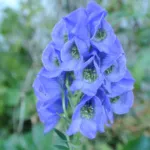 Azure Monkshood (Aconitum carmichaelii) care guideAconitum carmichaelii
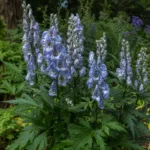 Monkshood (Aconitum ‘Stainless Steel’)Aconitum 'Stainless Steel'
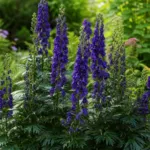 Monkshood (Aconitum ‘Bressingham Spire’)Aconitum 'Bressingham Spire'
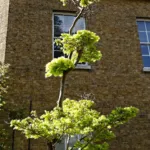 Golden full moon maple (Acer shirasawanum ‘Aureum’)Acer shirasawanum 'Aureum'
 Globosum (Acer platanoides ‘Globosum’)Acer platanoides 'Globosum'
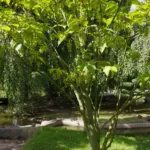 Striped maple (Acer pensylvanicum) care guideAcer pensylvanicum