
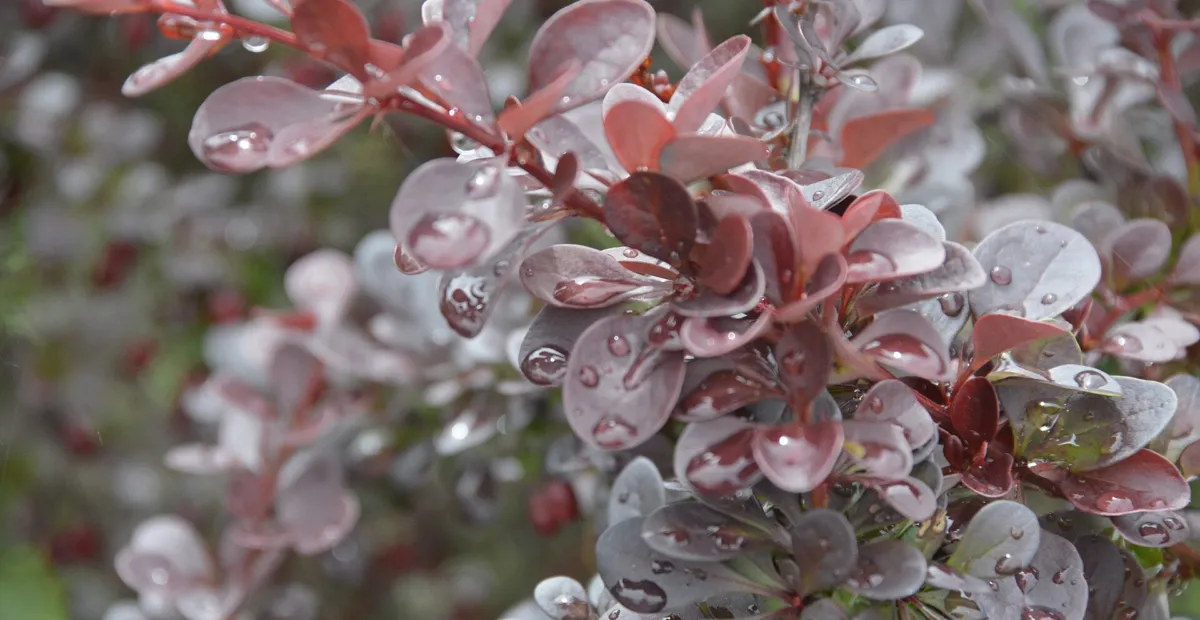
 Source:
 Atropurpurea (Berberis thunbergii ‘Atropurpurea’) short overview
Berberis thunbergii 'Atropurpurea' is a dense, rounded deciduous shrub with rich burgundy to purple foliage that holds its strongest color in full sun. Small, fragrant yellow flowers appear in spring, followed by bright red berries that may persist into winter. Its spiny branches make a formidable barrier, while its drought tolerance and broad soil adaptability suit many landscapes. Because Japanese barberry can spread and is invasive in parts of the United States, check local restrictions before planting.
Taxonomic classification
Atropurpurea (Berberis thunbergii ‘Atropurpurea’) care guide
Light and placement
Give the plant full sun for the deepest burgundy color, ideally with unobstructed southern, southeastern or western exposure. Light partial shade is tolerated, especially in hot climates, but foliage may become greener and the shrub can grow more open. Excessive shade produces thin growth and weaker color; intense reflected heat may increase drought stress.
Watering and humidity
Water deeply and slowly when the upper few inches of soil become dry during establishment, usually once or twice weekly depending on rainfall and soil. After rooting in, allow the soil to dry moderately between thorough waterings. Reduce irrigation in cool or wet weather and avoid persistently saturated ground. Average outdoor humidity is adequate.
Soil and growing medium
Use average, moderately fertile soil that drains freely. Sand, loam, clay and shallow rocky soils can work if water does not remain around the roots. Slightly acidic to neutral soil is preferred, although the plant tolerates a broad pH range. Improve compacted ground with organic matter without creating a water-retentive planting pocket.
Feeding
Usually needs little fertilizer once established. Apply a thin layer of compost in spring or use a balanced, slow-release shrub fertilizer at label rates if growth is weak or soil is poor. Do not overfeed, especially with high-nitrogen products, because lush growth can reduce foliage color and increase pruning needs. Avoid fertilizing drought-stressed or newly transplanted plants.
Growth and habit
Forms a dense, rounded shrub with arching branches and can become difficult to penetrate because of its spines. It tolerates drought, urban conditions and a wide range of soils after establishment. Branches may root where they touch the ground, while birds can disperse seed; remove unwanted seedlings promptly and avoid planting beside unmanaged habitat.
Planting and repotting
Plant in spring or fall when the soil is workable, setting the shrub at the same depth it grew in its nursery container. Space plants about 3–6 feet apart depending on whether a formal mass or looser hedge is wanted. Water deeply during the first growing season, then reduce irrigation after roots are established.
For container plants, repot in early spring before strong new growth begins, moving to a pot only one or two sizes larger. Use a gritty, well-drained shrub mix and ensure the container has open drainage holes. Handle branches carefully because the spines can catch skin and clothing.
Propagation and pruning
Propagation
Vegetative propagation by semi-hardwood cuttings is the most reliable way to preserve the purple-leaved selection. Take cuttings in summer, use a clean, free-draining rooting medium and maintain even moisture and high humidity until roots form. Layering is also practical. Seed can produce plants with variable foliage and is less suitable for maintaining a named selection.
Pruning
Prune after flowering or in late winter before new growth begins, removing dead, damaged or crossing branches and thinning congested stems at the base. Wear thick gloves and eye protection because the spines are substantial. Avoid shearing repeatedly if a natural rounded form is desired; remove escaped seedlings before they fruit.
Overwintering
Outdoor plants generally need no winter protection within their hardiness range. In colder areas, apply a modest mulch layer over the root zone after the ground cools, keeping mulch away from stems. Container specimens are more vulnerable to root freezing; move them to a sheltered location or insulate the pot without keeping the soil wet.
Uses
Valued primarily as an ornamental foliage shrub, barrier planting, hedge and wildlife-cover plant. The red fruits are consumed by birds, but this does not make the plant suitable as a household edible crop. Because Japanese barberry is invasive in parts of the United States, use only where legally permitted and consider noninvasive alternatives near natural areas.
Appearance
Leaves are small, simple and arranged alternately in clusters along reddish to brown stems. The foliage ranges from burgundy to purple-red and contrasts with the plant's fine, stiff spines, which occur at the nodes. The shrub is densely branched and rounded, with bright red berries becoming more visible after leaf fall.
Flowering
Small, pendant yellow flowers are produced along the branches in mid to late spring. They are usually understated rather than a primary ornamental feature, but their contrast with the dark foliage is distinctive. Flowers are perfect and are pollinated by visiting bees through a touch-sensitive stamen mechanism.
Pollination and visitors
Species-level research documents pollination by small and large bees. The flowers' touch-sensitive stamens can snap toward the stigma when visited, helping transfer pollen. Evidence for a specific pollinator species for this exact cultivar is not well established.
Berberis thunbergii 'Atropurpurea' photos
Click any photo for a larger view. Source, author and license are shown separately.
Diseases and pests
Diseases
Watch for anthracnose, bacterial leaf spot, wilt and root rots, especially where foliage stays wet or soil drains poorly. Reduce disease pressure with good air circulation, clean pruning tools and removal of heavily infected debris. Avoid routine fungicide use unless the diagnosis is clear and treatment is locally appropriate.
Pests
Aphids, scale and barberry webworm may occur, though serious infestations are uncommon. Inspect new growth and leaf undersides regularly. Dislodge aphids with a strong water spray or use a targeted, least-toxic treatment when needed. Remove badly infested shoots and avoid broad-spectrum insecticides during bloom.
Toxicity and pollen
North Carolina Extension describes low-severity poisoning associated with berberine-containing bark, leaves, roots and sap, with possible gastrointestinal upset after ingestion. The exact cultivar has not been independently characterized for toxicity. Keep plant material away from children and pets, wear gloves when pruning, and seek professional advice after significant ingestion.
- Typical season
- Spring flowering period, typically April to May
- Pollination / pollen
- Insect-carried pollen; limited airborne dispersal expected
This is an insect-pollinated shrub rather than a plant known for abundant wind-dispersed pollen. However, cultivar-specific airborne pollen and allergy studies are limited, so a zero-allergy claim is not justified. People with strong seasonal sensitivities should avoid handling flowering branches closely and monitor individual reactions.
Native habitat
The species is native to Japan and occurs in temperate habitats associated with woodland edges, thickets and disturbed ground. It tolerates dry to moderately moist, well-drained soils and a broad range of conditions. In parts of the United States it has naturalized and can form dense stands that compete with native understory plants.
Interesting fact
The cultivar name refers to the plant's dark purple-red foliage.
Flowers have stamens that move inward when touched by a bee.
Birds may eat and disperse the bright red berries.
Purple foliage develops best under strong sunlight.
The form was introduced into cultivation in France around 1913.
Japanese barberry can alter understory vegetation and soil conditions.
Frequently asked questions (FAQ)
The most relevant questions about this plant, with short and direct answers.
🌱Quick care
What is Berberis thunbergii 'Atropurpurea' commonly called?⌄
Berberis thunbergii 'Atropurpurea' is commonly called Japanese barberry, purple Japanese barberry, purple-leaf barberry, or red barberry in the United States.
How large does Berberis thunbergii 'Atropurpurea' get?⌄
The standard form typically grows about 3 to 6 feet tall and 4 to 7 feet wide. Check the plant label because named dwarf selections have different mature sizes.
Is Berberis thunbergii 'Atropurpurea' evergreen?⌄
No, it is a deciduous shrub that loses its leaves in fall. Its foliage typically changes to red, orange, or bronze tones before leaf drop.
🌤️Environment and placement
How much sun does Berberis thunbergii 'Atropurpurea' need?⌄
Plant it in full sun for the strongest purple foliage, although it tolerates partial shade. With less light, the leaves usually become greener or less intensely colored.
What USDA hardiness zones can grow Berberis thunbergii 'Atropurpurea'?⌄
This barberry is generally cold hardy in USDA Zones 4 through 8, although local microclimate and winter exposure can affect performance.
Is Berberis thunbergii 'Atropurpurea' deer resistant?⌄
Yes, its spiny branches and foliage are generally avoided by deer. Deer resistance is not absolute, particularly when other food is scarce.
Can Berberis thunbergii 'Atropurpurea' grow in partial shade?⌄
Yes, it tolerates partial shade, but full sun produces better purple foliage and a denser habit. Avoid deep shade if foliage color is a priority.
Can Berberis thunbergii 'Atropurpurea' tolerate urban conditions?⌄
Yes, it generally tolerates heat, drought, air pollution, and difficult urban conditions. Even so, avoid sites where compacted soil stays wet for long periods.
💧Care and problems
How often should I water Berberis thunbergii 'Atropurpurea'?⌄
Water regularly during the first growing season, then reduce watering once the shrub is established. Mature plants are drought tolerant but benefit from water during prolonged hot, dry periods.
Is Berberis thunbergii 'Atropurpurea' drought tolerant?⌄
Yes, established plants are drought tolerant and generally need low to moderate water. Drought tolerance is best when the shrub is planted in well-drained soil and receives adequate light.
Why is my Berberis thunbergii 'Atropurpurea' losing its purple color?⌄
Insufficient sunlight is the most common reason the foliage becomes greener or duller. Move or prune nearby plants if practical, while avoiding saturated soil and excessive shade.
What pests affect Berberis thunbergii 'Atropurpurea'?⌄
Possible pests include aphids, scale, and barberry webworm. Inspect new growth and treat problems early with methods appropriate for the specific pest.
What diseases affect Berberis thunbergii 'Atropurpurea'?⌄
Potential problems include leaf spot, anthracnose, wilt, and root rot. Good air circulation, careful watering, and well-drained soil help reduce disease pressure.
🪴Planting and repotting
What type of soil is best for Berberis thunbergii 'Atropurpurea'?⌄
Use well-drained sandy, loamy, clay, or rocky soil. It tolerates a broad range of soils but performs poorly in consistently wet or poorly drained ground.
Can Berberis thunbergii 'Atropurpurea' grow in clay soil?⌄
Yes, it can grow in clay soil if drainage is adequate. Amend or mound the planting area if water remains around the roots after rain.
When is the best time to plant Berberis thunbergii 'Atropurpurea'?⌄
Plant it in spring or fall when temperatures are moderate and soil moisture is reliable. Avoid planting into waterlogged soil or during extreme summer heat.
How far apart should I plant Berberis thunbergii 'Atropurpurea' for a hedge?⌄
Space plants according to their expected mature width, commonly about 3 to 5 feet apart for a dense hedge. Use wider spacing for a looser, more natural planting.
Is Berberis thunbergii 'Atropurpurea' suitable for containers?⌄
It can be grown in a large container temporarily or as a compact specimen if the root system has adequate space and drainage. Choose a container with drainage holes and expect more frequent watering than for plants in the ground.
✂️Propagation and pruning
How should I prune Berberis thunbergii 'Atropurpurea'?⌄
Prune in late winter or early spring to remove dead, damaged, or crossing stems and to control size. Wear thick gloves because the branches have sharp spines.
Can Berberis thunbergii 'Atropurpurea' be cut back hard?⌄
Yes, established plants generally tolerate severe pruning or renewal cutting. Heavy pruning can reduce or eliminate flowering and fruiting for the following season.
How do I propagate Berberis thunbergii 'Atropurpurea'?⌄
Stem cuttings are the most practical propagation method for maintaining the plant’s selected foliage traits. Seeds may not reproduce the parent plant exactly and can contribute to unwanted spread.
⚠️Toxicity and safety
Is Berberis thunbergii 'Atropurpurea' invasive in the United States?⌄
Yes, Japanese barberry is considered invasive or problematic in parts of the United States, especially in the East and Midwest. Check your state and local regulations before planting, and remove volunteer seedlings promptly.
Does Berberis thunbergii 'Atropurpurea' spread by seed?⌄
Yes, birds can disperse its red berries and seeds, and the shrub may also spread locally by runners or rooting branches. Monitor surrounding areas for seedlings and dispose of removed fruit and plants responsibly.
Is Berberis thunbergii 'Atropurpurea' poisonous to humans or pets?⌄
It is considered a low-severity poisonous plant, and eating plant material may cause minor illness such as vomiting or diarrhea. Keep children and pets from chewing the leaves, bark, roots, sap, or berries, and contact a medical or veterinary professional after ingestion.
Does Berberis thunbergii 'Atropurpurea' have thorns?⌄
Yes, its stems have sharp spines that make it useful as a barrier but difficult to handle. Wear protective gloves and long sleeves when planting, pruning, or removing it.
🌸Flowering and special interest
When does Berberis thunbergii 'Atropurpurea' flower?⌄
It produces small yellow flowers in spring, commonly around April in temperate areas of the United States. The flowers are usually secondary to the plant’s colored foliage and berries.
Are the flowers of Berberis thunbergii 'Atropurpurea' fragrant?⌄
The small yellow flowers may have a noticeable fragrance, although descriptions vary and the blooms are not usually the plant’s main ornamental feature.
Does Berberis thunbergii 'Atropurpurea' produce berries?⌄
Yes, it produces small bright-red berries in fall that may persist into winter. Birds can eat and disperse the fruit, which contributes to the plant’s spreading potential.
Similar plants
 Crimson Pygmy (Berberis thunbergii ‘Crimson Pygmy’)Berberis thunbergii 'Crimson Pygmy'
 Admiration (Berberis thunbergii ‘Admiration’)Berberis thunbergii 'Admiration'
 Japanese barberry (Berberis thunbergii ‘Concorde’)Berberis thunbergii 'Concorde'
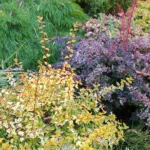 Rose Glow (Berberis thunbergii ‘Rose Glow’)Berberis thunbergii 'Rose Glow'
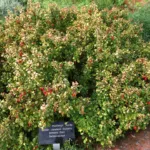 Golden Japanese barberry (Berberis thunbergii ‘Aurea’)Berberis thunbergii 'Aurea'
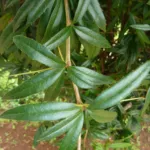 Wintergreen barberry (Berberis julianae) care guideBerberis julianae