
 Source:
 Rose Glow (Berberis thunbergii ‘Rose Glow’) short overview
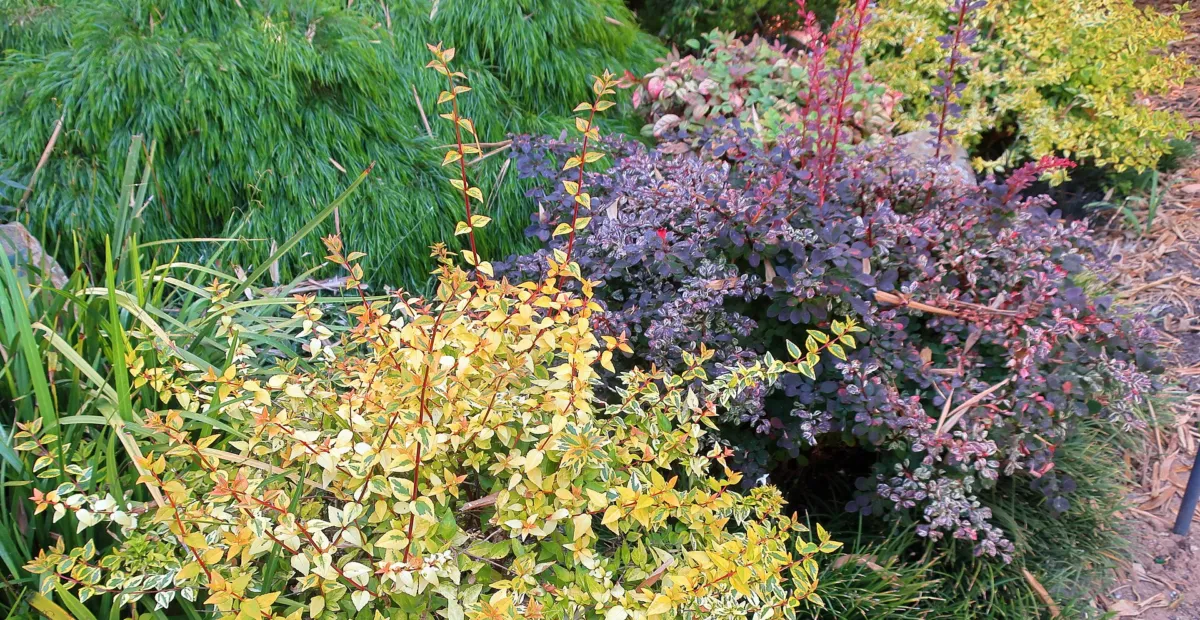
Berberis thunbergii 'Rose Glow' is a dense, deciduous barberry cultivar grown for its changing foliage rather than its small spring flowers. New leaves emerge rose-pink with bronze, purple, and sometimes pale mottling before deepening toward reddish purple. The thorny, rounded shrub is adaptable to sun, drought, clay, and urban conditions, but it can produce viable seed and may contribute to the spread of Japanese barberry in regions where the species is invasive.
Taxonomic classification
Rose Glow (Berberis thunbergii ‘Rose Glow’) care guide
Light and placement
Plant in full sun for the strongest pink, purple, and reddish foliage color, ideally with an unobstructed southern or western exposure. It tolerates partial shade, but shade can produce greener foliage and a looser appearance. Scorched margins or bleached leaves suggest excessive reflected heat or drought, while predominantly green, elongated growth usually indicates insufficient light.
Watering and humidity
Water deeply when the upper several inches of soil begin to dry during the first growing season. Once established, the shrub is relatively drought tolerant and usually needs supplemental irrigation only during prolonged heat or drought. Avoid frequent shallow watering and permanently wet soil, which can encourage root problems. No special humidity treatment is needed outdoors.
Soil and growing medium
Use ordinary garden soil amended only when drainage is poor. A moderately fertile, well-drained loam is ideal, but the species tolerates sandy and clay soils if water does not remain around the roots. Slightly acidic through slightly alkaline conditions are generally acceptable. Mulch lightly over the root zone, keeping it away from the stems.
Feeding
Feed in early spring only if the plant shows weak growth or pale foliage. Apply a balanced, slow-release shrub fertilizer at the label rate, or top-dress with a thin layer of compost. Avoid high-nitrogen feeding, which can promote soft, overly vigorous shoots and reduce the compact ornamental habit. Do not fertilize drought-stressed, newly transplanted, or dormant plants.
Growth and habit
This cultivar forms a dense, rounded shrub with many branches and a medium growth rate. Branches may arch slightly and can root where they contact soil; creeping roots and bird-dispersed seed can also aid spread. Because the stems are armed with single sharp spines, locate it where routine access, pruning, and pedestrian traffic will not create repeated contact.
Planting and repotting
Plant at the same depth as the container or root ball, with the crown level with the surrounding soil. Water thoroughly after planting and maintain even moisture during the first growing season. Allow enough room for the mature spread, and keep the shrub away from paths, play areas, and narrow access routes because of its spines.
For container culture, transplant into a pot with drainage holes when roots fill the existing container or growth slows. Use a well-drained general shrub mix and keep the root ball at its original depth. Repot in early spring or fall, water thoroughly afterward, and protect the container from rapid winter temperature swings.
Propagation and pruning
Propagation
Seed is possible but does not reliably reproduce the cultivar and may produce variable seedlings. Semi-hardwood cuttings can be used by experienced propagators, generally in summer with rooting hormone and high humidity. Commercial plants are commonly maintained as named clonal material; verify nursery stock rather than relying on seed for true-to-type foliage.
Pruning
Prune in late winter or immediately after flowering to remove dead, damaged, crossing, or overly old branches and to maintain the desired outline. Wear thick gloves and protective clothing because of the spines. Avoid shearing deeply into bare wood unless renovation is necessary. Remove fruiting branches or bag berries where seed spread is a concern.
Overwintering
Plants established in the ground are generally hardy through USDA Zone 4. In colder sites, apply a light mulch after the soil cools, but do not mound mulch against the stems. Container-grown plants have less root insulation than in-ground shrubs; move them to a sheltered location or insulate the pot during severe winter weather.
Uses
Used as a specimen, grouping, foundation shrub, informal hedge, barrier planting, or container accent where its mature size is suitable. Its colorful foliage and persistent red berries provide ornamental value, and birds eat the fruit. Because 'Rose Glow' can produce viable seed and Japanese barberry is invasive in parts of the United States, check state and local restrictions and consider noninvasive alternatives where appropriate.
Appearance
The identifying feature is the foliage sequence: new shoots are rose-pink and mottled with bronze, purple, and pale tones, while older leaves deepen toward reddish purple. Leaves are small, smooth, spatulate to obovate, and borne in clusters. Reddish-brown, grooved stems carry a single spine at each node. Bright red berries and yellow autumn color add seasonal interest.
Flowering
Flowers normally appear from April into May in much of the United States. They are small, yellow, and often concealed by the foliage, so the cultivar is grown primarily for its leaves rather than its bloom display. The flowers can develop into bright red, bead-like berries that often persist into fall and winter.
Pollination and visitors
The small yellow flowers are insect-pollinated and can be visited by bees, bumblebees, hoverflies, and other small insects. The stamens respond to tactile contact by moving toward the stigma, a mechanism that helps transfer pollen during visits. Documentation is stronger for the species than for this individual cultivar.
Berberis thunbergii 'Rose Glow' photos
Click any photo for a larger view. Source, author and license are shown separately.
Diseases and pests
Diseases
Potential problems include bacterial leaf spot, anthracnose, wilt, and root rot, especially where foliage stays wet or soil drains poorly. Improve air circulation, water at the base, remove infected debris, and avoid working among wet leaves. Correct drainage before using fungicides; severe wilt or recurring root decline may require removal of the plant.
Pests
Aphids, scale, barberry webworm, and occasional other chewing or sucking insects may occur. Inspect new growth and leaf undersides, and begin with pruning of heavily infested shoots or a strong water spray for aphids. Encourage natural enemies and use horticultural oil or another labeled treatment only when monitoring shows a persistent problem.
Toxicity and pollen
Barberries contain isoquinoline alkaloids, including berberine, and the raw plant, especially roots, bark, and unripe fruit, should not be eaten casually. Evidence and risk vary by plant part and dose. Prevent children and pets from chewing the plant, wear gloves when handling thorny stems, and seek medical or veterinary advice after ingestion or significant exposure.
- Typical season
- Spring, mainly April–May
- Pollination / pollen
- Insect-carried pollen from small spring flowers
The flowers release pollen during spring, but Japanese barberry is insect-pollinated and its pollen is not typically described as a major windborne allergen. This does not mean exposure is impossible. People with strong seasonal sensitivities should avoid handling flowering branches closely and reduce contact with airborne plant material during bloom.
Native habitat
The species is native to Japan and occurs in temperate woodland margins, thickets, and open sites. It tolerates a broad range of soils and climates, including dry, urban, and disturbed settings. In parts of the eastern and central United States it has naturalized and can form dense thickets, especially where birds disperse its berries.
Interesting fact
The cultivar was raised in the Netherlands around 1957 and introduced commercially in the 1960s. Its young foliage changes color as it matures, giving the shrub a multicolored appearance during the growing season. 'Rose Glow' is not reliably seedless; studies found substantial fruit and seed production, and seedlings do not necessarily retain the cultivar's foliage pattern.
Frequently asked questions (FAQ)
The most relevant questions about this plant, with short and direct answers.
🌱Quick care
What is Berberis thunbergii 'Rose Glow'?⌄
Berberis thunbergii 'Rose Glow' is a deciduous, thorny shrub grown for its purple foliage mottled with pink, cream, and white on new growth. It typically reaches about 3–6 feet tall and wide, depending on growing conditions and pruning.
How much sunlight does Berberis thunbergii 'Rose Glow' need?⌄
Plant Berberis thunbergii 'Rose Glow' in full sun for the strongest foliage color and best flowering. It tolerates partial shade, but the leaves may become greener and the plant may produce fewer flowers and berries.
How often should I water 'Rose Glow' barberry?⌄
Water Berberis thunbergii 'Rose Glow' regularly during its first growing season, then reduce watering once established. It prefers low to moderate moisture and should not remain in consistently wet soil.
Is Berberis thunbergii 'Rose Glow' evergreen?⌄
No, Berberis thunbergii 'Rose Glow' is deciduous in most US gardens. It loses its leaves in fall and regrows in spring, often retaining some ornamental berry and branch interest after leaf drop.
What USDA zones can grow 'Rose Glow' barberry?⌄
Berberis thunbergii 'Rose Glow' is generally cold hardy in USDA Zones 4–8, although exact performance can vary with exposure, winter moisture, and regional availability. Check local restrictions before planting because Japanese barberry is regulated or discouraged in some areas.
🌤️Environment and placement
Where should I plant Berberis thunbergii 'Rose Glow'?⌄
Choose a sunny to partly shaded site with well-drained loam, sand, or clay soil. Its thorny habit makes it useful for a barrier, hedge, foundation planting, or shrub border, but avoid locations beside paths where people or pets may brush against it.
Can 'Rose Glow' barberry grow in clay soil?⌄
Yes, Berberis thunbergii 'Rose Glow' can tolerate clay soil if drainage is adequate. Amendments are usually less important than preventing prolonged saturation, especially during winter and periods of heavy rainfall.
Does Berberis thunbergii 'Rose Glow' tolerate drought?⌄
Established plants have moderate drought tolerance, but they perform best with occasional deep watering during prolonged summer heat or drought. Newly planted shrubs need more consistent moisture until their roots become established.
Can 'Rose Glow' barberry grow in containers?⌄
Yes, it can grow in a large container with drainage holes and a well-draining potting mix. Choose a container that is heavy enough to resist tipping, protect yourself from the thorns, and expect to water more often than plants grown in the ground.
Is Berberis thunbergii 'Rose Glow' deer resistant?⌄
Berberis thunbergii 'Rose Glow' is often considered deer resistant because its thorny stems and bitter foliage are unattractive to browsing deer. Deer may still sample it when food is scarce, so it should not be treated as completely deer proof.
Is 'Rose Glow' barberry invasive in the United States?⌄
Berberis thunbergii 'Rose Glow' is a cultivar of Japanese barberry, a species that is invasive or considered potentially invasive in parts of the United States. Before planting, check your state and local regulations, and avoid allowing berries or seedlings to spread into natural areas.
💧Care and problems
How do I fertilize Berberis thunbergii 'Rose Glow'?⌄
Fertilize only if the shrub shows poor growth or a soil test indicates a nutrient deficiency. In spring, apply a balanced slow-release fertilizer according to the label, because excessive nitrogen can encourage weak, overly vigorous growth.
Why is my 'Rose Glow' barberry losing its pink color?⌄
Reduced pink coloration is usually caused by insufficient sunlight, normal aging of the leaves, or vigorous green shoots arising from the rootstock or below the graft. Move container plants to brighter light and remove green reverted shoots at their point of origin.
Why is my Berberis thunbergii 'Rose Glow' turning green?⌄
Older leaves naturally become more purple or greenish as the season progresses, while new growth usually provides the strongest pink-and-white coloration. If an entire branch produces only green leaves, prune it out because it may be a reverted shoot.
What pests affect 'Rose Glow' barberry?⌄
Common problems include aphids and berberis sawfly larvae, which may chew or distort the foliage. Inspect new growth regularly and use hand removal, a strong water spray, or a labeled treatment only when damage is significant.
What diseases affect Berberis thunbergii 'Rose Glow'?⌄
Powdery mildew can occur, particularly where air circulation is poor, and honey fungus is an occasional concern. Improve spacing and airflow, water at the soil surface, remove badly affected debris, and avoid planting in persistently waterlogged soil.
Why does my 'Rose Glow' barberry have holes in its leaves?⌄
Leaf holes are commonly caused by chewing insects such as sawfly larvae or other occasional defoliators. Check both sides of the leaves for larvae, eggs, or webbing and address the pest early before extensive damage develops.
How do I protect myself from the thorns when caring for 'Rose Glow' barberry?⌄
Wear thick gloves, long sleeves, eye protection, and sturdy clothing when planting or pruning Berberis thunbergii 'Rose Glow'. Keep children and pets away from freshly cut branches, and dispose of thorny clippings securely rather than placing them loosely in a yard-waste pile.
🪴Planting and repotting
When is the best time to plant Berberis thunbergii 'Rose Glow'?⌄
Plant 'Rose Glow' in spring or fall when temperatures are moderate and the soil can be worked. Fall planting is useful in many US climates, while spring is safer in regions with severe winters or poorly drained cold soils.
How far apart should I plant 'Rose Glow' barberry?⌄
For a hedge, space plants about 3–5 feet apart, depending on the desired density and mature size. For individual shrubs, allow roughly 5–6 feet of room so the branches can develop without constant crowding.
How do I plant a Berberis thunbergii 'Rose Glow' shrub?⌄
Dig a hole about twice as wide as the root ball and no deeper than the existing root flare, set the shrub at the same soil level, backfill, and water thoroughly. Add a thin layer of mulch without piling it against the stems.
Does 'Rose Glow' barberry need winter protection?⌄
Established plants generally do not need winter protection in their hardiness range. Newly planted shrubs in exposed or colder locations may benefit from a layer of mulch over the root zone, but avoid wrapping the plant tightly or trapping excess moisture.
✂️Propagation and pruning
How can I propagate Berberis thunbergii 'Rose Glow'?⌄
Propagate 'Rose Glow' most reliably from softwood or semi-hardwood cuttings taken during the growing season. Seed propagation is less suitable for preserving the cultivar’s distinctive foliage and may contribute to unwanted spread.
Can I grow 'Rose Glow' barberry from seed?⌄
You can grow Berberis thunbergii from seed, but seedlings may not reproduce the exact pink-and-white foliage of 'Rose Glow'. Because Japanese barberry can spread by seed, avoid sowing it where seedlings could escape into nearby natural areas.
When should I prune Berberis thunbergii 'Rose Glow'?⌄
Prune Berberis thunbergii 'Rose Glow' after flowering if you want to preserve as many flowers and berries as possible. Remove dead, damaged, crossing, or reverted green branches first, then shorten remaining stems to maintain the desired shape.
Can I cut 'Rose Glow' barberry back hard?⌄
Yes, established plants usually tolerate rejuvenation pruning, but severe cutting may reduce or eliminate flowering and fruiting for the following season. Spread major renovation over two or three years when possible, and protect yourself carefully from the thorns.
How do I remove green shoots from 'Rose Glow' barberry?⌄
Cut entirely green shoots back to their point of origin as soon as you notice them. Do not simply trim the green tips, because the remaining reverted wood may continue producing non-variegated growth.
⚠️Toxicity and safety
Is Berberis thunbergii 'Rose Glow' poisonous to dogs and cats?⌄
Treat Berberis thunbergii 'Rose Glow' as potentially harmful if eaten by dogs, cats, or other pets. Keep animals from chewing the foliage or berries and contact a veterinarian or animal poison service if ingestion causes concern.
Is 'Rose Glow' barberry safe around children?⌄
Use caution around children because the shrub has sharp thorns and potentially harmful plant parts if eaten. Place it away from play areas, walkways, and frequently handled spaces, and supervise children near the plant.
Can Berberis thunbergii 'Rose Glow' be planted near a walkway?⌄
It can be planted near a walkway only when there is enough clearance to prevent contact with its thorny branches. A safer placement is behind a border or in a location where mature stems cannot extend into the path.
🌸Flowering and special interest
When does Berberis thunbergii 'Rose Glow' flower?⌄
Berberis thunbergii 'Rose Glow' usually flowers in mid- to late spring with small yellow flowers along the stems. Flowering is generally heavier in full sun and may be reduced after hard pruning or in deep shade.
Does 'Rose Glow' barberry produce berries?⌄
Yes, it can produce small ornamental red berries after flowering, especially in sunny conditions. The berries may persist into fall or winter, but fruit production can increase the risk of seed dispersal, so remove them where the plant is restricted or invasive.
Are the berries of Berberis thunbergii 'Rose Glow' edible?⌄
Do not eat the berries of Berberis thunbergii 'Rose Glow' or offer them to children or pets. Plant parts are potentially harmful if eaten, and the cultivar is primarily ornamental rather than a food plant.
Similar plants
 Green Carpet (Berberis thunbergii ‘Green Carpet’)Berberis thunbergii 'Green Carpet'
 Crimson Pygmy (Berberis thunbergii ‘Crimson Pygmy’)Berberis thunbergii 'Crimson Pygmy'
 Atropurpurea (Berberis thunbergii ‘Atropurpurea’)Berberis thunbergii 'Atropurpurea'
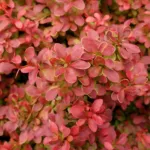 Admiration (Berberis thunbergii ‘Admiration’)Berberis thunbergii 'Admiration'
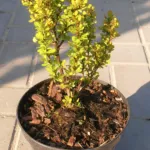 Golden Rocket (Berberis thunbergii ‘Golden Rocket’)Berberis thunbergii 'Golden Rocket'
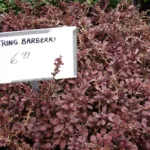 Golden Ring barberry (Berberis thunbergii ‘Golden Ring’)Berberis thunbergii 'Golden Ring'