 AI-generated illustration
 Penstemon ‘Sour Grapes’ short overview
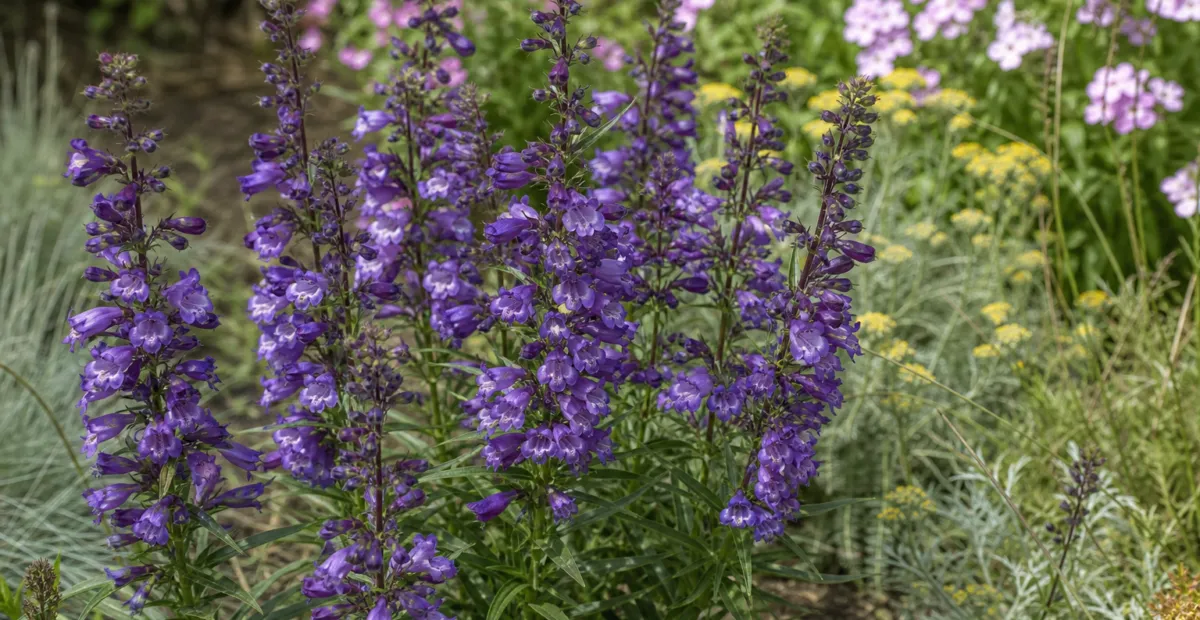
Penstemon 'Sour Grapes' is an erect perennial cultivar with dark-green, lance-shaped leaves and dense summer panicles of rich purple to blue-purple, tubular, two-lipped flowers with pale throats. It performs best in full sun and moderately fertile, well-drained soil, making a strong choice for sunny borders, containers, and cut-flower production. Winter survival can be unreliable in colder regions, so established plants benefit from excellent drainage and protective mulch.
Taxonomic classification
Penstemon ‘Sour Grapes’ care guide
Light and placement
Give the plant full sun for the strongest stems and best flowering, ideally with a south- or west-facing exposure and shelter from strong winds. Partial afternoon shade is acceptable in hot climates, but excessive shade can produce leafy growth, fewer flowers, and weaker stems. Pale or stretched growth suggests insufficient light; scorched foliage suggests heat or drought stress rather than a need for deep shade.
Watering and humidity
Water deeply when the upper several inches of soil begin to dry, then allow excess water to drain fully. Keep newly planted or divided plants evenly moist through establishment, while mature plants tolerate short dry periods once rooted. Reduce watering in cool or wet fall weather and avoid frequent shallow irrigation that leaves the crown damp.
Soil and growing medium
Use fertile but sharply drained soil with a sandy or loamy structure. Avoid sites that remain wet in winter, because saturated roots can reduce longevity. A near-neutral to slightly alkaline soil is suitable; no cultivar-specific pH value is firmly documented, so avoid strongly acidifying amendments unless a soil test indicates a need.
Feeding
In spring, incorporate a modest amount of finished compost or apply a balanced slow-release fertilizer at the label rate. Avoid heavy nitrogen feeding, which can produce soft, leafy growth and weaker stems. Do not fertilize drought-stressed, newly divided, or autumn-dormant plants; water normally before any application.
Growth and habit
Plants form a leafy perennial clump and send up flowering stems that may need support, particularly in exposed positions or during early establishment. Cut back spent stems after flowering to improve appearance and reduce self-seeding; leave a small basal framework until spring in colder climates.
Planting and repotting
Plant in spring after severe freezes have passed, or in early fall where plants can establish before winter. Set the crown at the same depth as in the nursery container. Allow roughly 18–24 inches between plants for airflow and flowering stems; stake stems if they become lax or exposed to wind.
Repot or transplant in spring, moving the plant with as much root ball intact as practical. Choose a container with generous drainage holes and refresh only part of the mix unless the root system is crowded. Avoid keeping the crown buried below its previous soil level.
Propagation and pruning
Propagation
For maintaining the cultivar, use summer cuttings or spring division. Seed may be produced, but seedlings are not expected to come true to the named cultivar. Take nonflowering cuttings during active growth and keep them evenly moist while rooting; divide established clumps in spring when growth resumes.
Pruning
Deadhead after the main flush to encourage a tidier display and possibly extend flowering. In spring, remove dead or winter-damaged stems once new basal growth is visible. Avoid cutting deeply into dormant crowns in late fall where winter protection is needed.
Overwintering
In colder regions, protect the crown with a light, well-drained mulch after the ground cools, but avoid piling wet material directly against the crown. Container plants are more vulnerable than in-ground specimens and should be placed in a sheltered location. Because trial plants reportedly failed near 12°F, do not assume reliable hardiness in USDA Zone 6 or colder.
Uses
Use 'Sour Grapes' in sunny mixed borders, cottage gardens, patio containers, and dedicated cut-flower plantings. Its long stems and rich purple color have been evaluated for floral production, although staking may be needed and vase performance can vary. It is ornamental only; no culinary or medicinal use is supported here.
Appearance
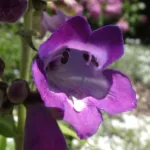
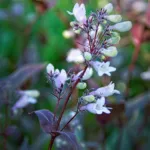
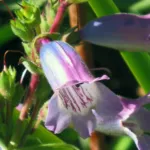
The cultivar has narrow to lance-shaped dark-green leaves and erect flowering stems carrying dense, foxglove-like panicles. Flowers are richly purple to blue-purple, often with a paler throat. Stem strength can vary, and plants may become somewhat lax without adequate sun or support.
Flowering
Dense panicles of tubular, two-lipped flowers are produced on upright stems. Bloom is usually concentrated in midsummer, with documented flowering from July into August and potential extension into early fall under favorable conditions. First-year flowering and stem quality may be variable while plants establish.
Pollination and visitors
Tubular flowers are reported to attract bees, with bumblebees specifically highlighted in horticultural guidance. The flower form is consistent with bee visitation, but a cultivar-specific pollinator study identifying a particular bee species was not found.
Diseases and pests
Diseases
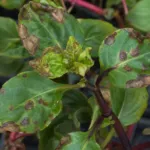
Provide sun, airflow, and well-drained soil to reduce crown and root problems. Watch for foliage spotting, mildew, and decline associated with prolonged wetness. Remove badly affected leaves, avoid overhead irrigation, and improve drainage before resorting to control products.
Pests
Check new growth for aphids and foliage for slugs or snails, especially where conditions are cool and damp. Encourage airflow, remove hiding debris, and use hand removal or a proportionate, label-approved control if damage becomes significant.
Related diseases and pests
Only Plant Doctor profiles whose host data indicate this plant may be affected are shown here.

Toxicity and pollen
No toxic effects are reported for this cultivar in the consulted horticultural plant profile. That is not proof of complete safety, and plant material should not be eaten. Prevent ingestion by children and pets and seek professional advice if a substantial amount is consumed or irritation develops.
- Typical season
- During flowering, chiefly July–August
- Pollination / pollen
- Insect-released pollen
This is an insect-pollinated flowering plant, so pollen is generally released within the flower rather than dispersed like wind-borne grass or tree pollen. Airborne exposure is therefore expected to be low, but not necessarily zero for people who handle flowering stems or are highly sensitive.
Native habitat
This is a cultivated garden hybrid rather than a wild species with a single native habitat. Garden performance is best in sunny, open sites with fertile, well-drained soil and moderate moisture. Winter-wet ground and severe cold are the main environmental limitations reported for the cultivar.
Interesting fact
The cultivar was evaluated in a North Carolina cut-flower trial in 1998 and 1999. Trial plants produced average stems about 24 inches long, with higher yields in the second year. Reports describe both heavy flowering and inconsistent first-year bloom, showing the importance of establishment. The cultivar’s winter performance varies considerably by climate and drainage.
Frequently asked questions (FAQ)
The most relevant questions about this plant, with short and direct answers.
🌱Quick care
What is Penstemon 'Sour Grapes'?⌄
Penstemon 'Sour Grapes' is a hybrid beardtongue perennial in the Plantaginaceae family, grown for its purple to violet-blue, tubular flowers. It typically forms an upright clump about 2 feet tall and 1 to 1½ feet wide.
How much sun does Penstemon 'Sour Grapes' need?⌄
Penstemon 'Sour Grapes' grows best in full sun, meaning at least 6 hours of direct sunlight daily. It can tolerate partial shade, but reduced light may produce fewer or weaker flower stems.
How often should I water Penstemon 'Sour Grapes'?⌄
Water Penstemon 'Sour Grapes' when the soil begins to dry, keeping moisture moderate but never soggy. Provide more consistent water during its first growing season and during extended summer drought.
What soil is best for Penstemon 'Sour Grapes'?⌄
Use fertile, sandy or loamy soil that drains quickly. Although this cultivar benefits from reasonable fertility, heavy or waterlogged soil can cause poor growth and winter losses.
🌤️Environment and placement
Can Penstemon 'Sour Grapes' grow in partial shade?⌄
Yes, Penstemon 'Sour Grapes' can grow in partial shade, especially where afternoon conditions are hot. Full sun generally gives the strongest stems and best flowering.
Is Penstemon 'Sour Grapes' hardy in cold climates?⌄
Penstemon 'Sour Grapes' needs winter protection in colder parts of the United States. Trial results indicate that it may be unreliable around USDA Zones 6 and 7, so shelter, excellent drainage, and root protection are important.
Where should I plant Penstemon 'Sour Grapes' in my garden?⌄
Plant it in a sunny, well-drained border, raised bed, rock garden, or patio container. A sheltered location protected from harsh winter winds is preferable in colder regions.
Can Penstemon 'Sour Grapes' grow in a container?⌄
Yes, Penstemon 'Sour Grapes' can grow in a container with drainage holes and a fast-draining potting mix. Choose a container large enough for its clump and protect the roots from severe winter cold.
💧Care and problems
Does Penstemon 'Sour Grapes' need fertilizer?⌄
Penstemon 'Sour Grapes' usually needs only modest feeding in fertile soil. Add compost when planting and use a light, balanced fertilizer only if growth is weak or the soil is poor.
Why is my Penstemon 'Sour Grapes' not flowering?⌄
Insufficient sunlight, overly wet soil, transplant stress, or a first-year establishment period can reduce flowering. Move it toward brighter light, improve drainage, and avoid heavy nitrogen fertilizer.
Why is Penstemon 'Sour Grapes' becoming floppy?⌄
Floppy stems can result from insufficient sun, rich or overly moist soil, wind exposure, or the plant’s natural growth habit. Give it stronger light, avoid excess fertilizer, and stake flower stems when necessary.
How do I protect Penstemon 'Sour Grapes' over winter?⌄
Protect Penstemon 'Sour Grapes' by planting it in sharply drained soil, leaving some foliage in place, and applying a loose mulch of compost around the crown in fall. Avoid heavy, wet mulch directly against the stems.
What problems commonly affect Penstemon 'Sour Grapes'?⌄
The most important problems are winter injury, root damage from poorly drained soil, and weak or leaning flower stems. Good drainage, adequate sun, moderate watering, and winter shelter reduce these risks.
🪴Planting and repotting
When should I plant Penstemon 'Sour Grapes' in the United States?⌄
Plant Penstemon 'Sour Grapes' in spring after severe frost has passed or in early fall where winters are moderate. Spring planting is safer in colder areas because it gives the root system more time to establish.
How far apart should I plant Penstemon 'Sour Grapes'?⌄
Space Penstemon 'Sour Grapes' about 12 to 18 inches apart. This allows the clumps to develop while maintaining air circulation around the foliage.
How do I plant Penstemon 'Sour Grapes' in the ground?⌄
Set the plant at the same depth it was growing in its nursery container, backfill with well-drained soil, and water thoroughly. Do not bury the crown, and improve heavy soil with a raised planting area rather than creating a water-retaining pocket.
✂️Propagation and pruning
How can I propagate Penstemon 'Sour Grapes'?⌄
The most reliable method is division in spring. Seed propagation is possible, but seedlings may not retain the characteristics of this named cultivar.
Can Penstemon 'Sour Grapes' be grown from seed?⌄
Yes, it can be grown from seed, but the resulting plants may differ from the parent because 'Sour Grapes' is a named hybrid cultivar. Use division or cuttings when maintaining the exact cultivar is important.
When should I divide Penstemon 'Sour Grapes'?⌄
Divide Penstemon 'Sour Grapes' in spring as new growth begins. Replant the divisions promptly in well-drained soil and keep them moderately moist while they establish.
Should I deadhead Penstemon 'Sour Grapes'?⌄
Yes, deadheading spent flower spikes can extend the display and encourage additional flowering. Leave some stems in place if you want the plant to produce seed or provide winter structure.
When should I prune Penstemon 'Sour Grapes'?⌄
Prune Penstemon 'Sour Grapes' in early spring, or lightly cut back after flowering has finished. In cold regions, avoid cutting all the way to the ground in fall because the remaining stems can help protect the crown.
⚠️Toxicity and safety
Is Penstemon 'Sour Grapes' poisonous to people?⌄
No toxic effects have been reported for Penstemon 'Sour Grapes'. Even so, it is not recommended for eating, and children and pets should not be encouraged to chew ornamental plants.
Is Penstemon 'Sour Grapes' safe for dogs and cats?⌄
Penstemon 'Sour Grapes' has no reported toxic effects for dogs or cats. Prevent pets from consuming large amounts of any ornamental plant because plant material can still cause digestive upset.
🌸Flowering and special interest
When does Penstemon 'Sour Grapes' bloom?⌄
Penstemon 'Sour Grapes' generally blooms from July into August, with flowering potentially continuing longer in favorable conditions. Regular deadheading and adequate sunlight can help extend the season.
What color are the flowers of Penstemon 'Sour Grapes'?⌄
The flowers are typically rich purple, violet, or purple-blue with a lighter throat. Color can vary somewhat with growing conditions and individual plants.
Does Penstemon 'Sour Grapes' attract bees?⌄
Yes, Penstemon 'Sour Grapes' is attractive to bees, including bumblebees, because its tubular flowers provide nectar and pollen. Planting it in a sunny location supports the strongest bloom display.
Is Penstemon 'Sour Grapes' good as a cut flower?⌄
Yes, Penstemon 'Sour Grapes' can be grown as a cut flower and may produce useful, relatively long stems after establishment. Stem quality and flower production can vary by climate, light level, and plant age.