 Source:
 Chelone ‘Obliqua’ short overview
Chelone 'Obliqua' is an upright, clump-forming turtlehead with glossy, toothed leaves and unusual two-lipped flowers that resemble open turtle mouths. The supplied cultivar name is not widely documented separately from the species, so its profile follows well-supported horticultural information for Chelone obliqua while retaining the requested identity. Give it rich, consistently moist soil and full sun to partial shade for dependable late-summer and early-fall color.
Taxonomic classification
Chelone ‘Obliqua’ care guide
Light and placement
Grow in full sun to partial shade, with morning sun or dappled light especially useful in hot climates. Full sun produces stronger flowering when soil stays wet; afternoon shade can reduce heat and drought stress. Pale, weak stems or reduced flowering suggest insufficient light, while scorched foliage or repeated wilt indicates excessive exposure for the available moisture.
Watering and humidity
Water deeply whenever the upper inch of soil begins to dry, and do not allow the root zone to remain drought-stressed. Keep moisture more consistent in full sun and during summer heat; plants in naturally wet soil may need little supplemental irrigation. Avoid repeatedly wetting foliage, particularly where mildew is common.
Soil and growing medium
Use rich, humusy soil that stays consistently moist but is not stagnant. Loam or moisture-retentive clay amended with compost suits it well. The species tolerates acidic, neutral, and somewhat alkaline conditions; prioritize organic matter and reliable moisture over precise pH adjustment.
Feeding
In fertile soil, apply a thin layer of compost or leaf mold in spring. If growth is weak, use a balanced, slow-release fertilizer at the label rate as growth begins. Avoid heavy nitrogen feeding, which can produce soft, floppy stems and lush foliage at the expense of sturdy flowering.
Growth and habit
Plants form slowly broadening clumps of upright, mostly unbranched stems. Moisture stress or heavy shade can reduce sturdiness and increase the need for support; spring pinching can encourage shorter, stronger stems. The plant may self-seed where soil remains moist.
Planting and repotting
Plant in spring or early fall, setting the crown at soil level. Space plants about 18–24 inches apart to allow clumps to broaden and airflow to reach the foliage. Water deeply after planting and maintain even moisture through the first growing season.
Repot container plants in spring before vigorous growth, using a moisture-retentive but well-aerated potting mix. Move plants into a container only slightly larger than the root mass, and keep the root zone evenly moist after transplanting.
Propagation and pruning
Propagation
Divide established clumps in spring, or propagate from soft stem cuttings in early summer. Seed can be sown when fresh or after appropriate moist-cold stratification; seedlings may not reproduce an unnamed or selected cultivar consistently.
Pruning
Pinch stem tips in spring if shorter, sturdier growth is desired, especially in shade. Leave stems standing through winter for structure and wildlife value, then cut back old growth in early spring before new shoots expand.
Overwintering
Leave stems in place through winter, especially in exposed beds where they provide structure. Apply a light organic mulch after the ground cools, keeping it away from the crown. Remove old stems in early spring. Established plants in Zones 5–9 generally overwinter outdoors; container roots need extra insulation in colder areas.
Uses
Use in rain gardens, moist perennial borders, woodland gardens, native plantings, and pond margins. Flowering stems can be cut, although trial reports indicate variable vase performance and quick browning or fading under some conditions. No culinary or medicinal use is supported here.
Appearance
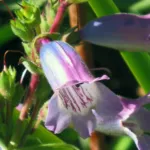
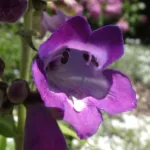
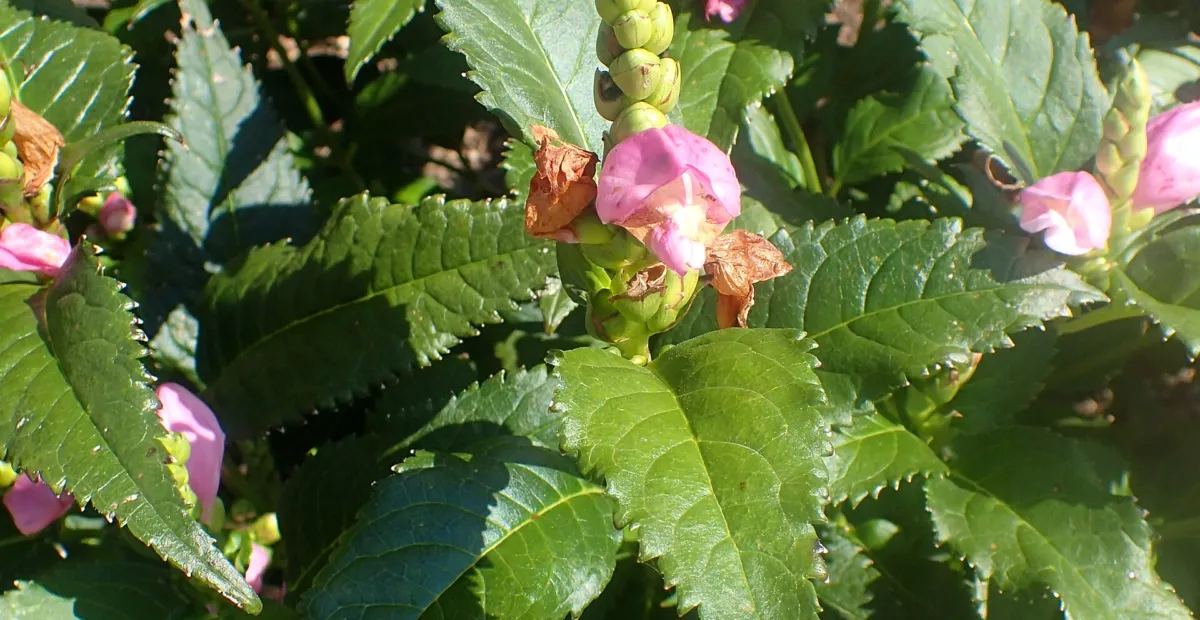
Opposite, glossy dark-green leaves are lance-shaped to oval-lance-shaped, pointed, and coarsely toothed. Mostly upright, smooth stems carry dense terminal flower spikes. The distinctive flowers have an arched upper lip and lower lip, creating the open-mouthed turtle appearance; pale hairs may be visible inside the lower lip.
Flowering
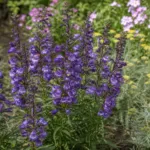
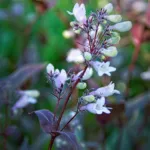
Terminal spikes carry hooded, two-lipped flowers with a turtlehead-like profile. Bloom is typically concentrated from late July through September in much of the United States, with timing shifting earlier or later by region. Flowers may be pink, rose, rosy purple, or occasionally white in species-level horticultural material; cultivar-specific color confirmation is unavailable.
Pollination and visitors
The tubular, hooded flowers are visited by butterflies and other insect pollinators; bees and bumblebees are also plausible visitors for the species. A specific pollinator species was not consistently documented for the requested cultivar.
Chelone 'Obliqua' photos
Click any photo for a larger view. Source, author and license are shown separately.
Diseases and pests
Diseases
Powdery mildew and occasional fungal leaf problems are favored by dry roots, drought stress, overcrowding, or poor air circulation. Maintain steady soil moisture, avoid wetting foliage late in the day, and thin congested growth if needed. Remove badly affected leaves; use a labeled fungicide only when cultural measures are insufficient.
Pests
Aphids, slugs, and snails may occur, especially on stressed or crowded plants. Inspect new growth and leaf undersides, improve airflow, hand-pick or use exclusion for slugs and snails, and avoid broad-spectrum insecticides when flowers are open.
Toxicity and pollen
No reliable authoritative evidence was found establishing significant toxicity for Chelone obliqua. As with any ornamental plant, avoid ingestion, supervise children and pets, and wash hands after handling. Cultivar-specific toxicology for Chelone 'Obliqua' is unavailable.
- Typical season
- Late summer to early fall
- Pollination / pollen
- Insect-dispersed flower pollen
This is an insect-pollinated flowering perennial, so pollen is mainly presented within flowers rather than released broadly into the air. Individual sensitivity cannot be ruled out, and cultivar-specific allergy data are unavailable; people with severe plant allergies should avoid direct contact with pollen and sap.
Native habitat
The species is associated with moist woods, swamps, floodplains, alluvial forests, and stream margins in the southeastern United States. It favors rich organic soils and tolerates wet conditions, making it well adapted to naturally damp or seasonally saturated garden sites.
Interesting fact
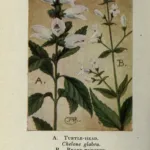
The genus name Chelone comes from the Greek word for tortoise or turtle. The flowers’ unusual shape inspired the common turtlehead name. The foliage is reported as a larval food source for the Baltimore checkerspot butterfly. Pointed seed capsules contain flat, winged seeds.
Frequently asked questions (FAQ)
The most relevant questions about this plant, with short and direct answers.
🌱Quick care
What is Chelone 'Obliqua'?⌄
Chelone 'Obliqua' is a hardy, clump-forming perennial turtlehead grown for its late-summer flowers and bold, toothed foliage. It performs best in rich soil that stays consistently moist to wet.
Is Chelone 'Obliqua' easy to grow?⌄
Chelone 'Obliqua' is generally easy to grow when it receives steady moisture and fertile soil. It may struggle in dry locations or in dense shade where stems can become less sturdy.
How big does Chelone 'Obliqua' get?⌄
Chelone 'Obliqua' commonly reaches about 2 to 3 feet tall and 1 to 2 feet wide. Height and spread can vary with moisture, light, soil fertility, and the plant’s growing conditions.
Is Chelone 'Obliqua' perennial?⌄
Yes, Chelone 'Obliqua' is a herbaceous perennial that returns from its roots each year. Its above-ground stems die back after the growing season and resume growth in spring.
🌤️Environment and placement
How much sun does Chelone 'Obliqua' need?⌄
Chelone 'Obliqua' grows in full sun to partial shade. Full sun is suitable only when the soil remains reliably moist; partial shade is often preferable in hot or dry summer conditions.
Can Chelone 'Obliqua' grow in shade?⌄
Chelone 'Obliqua' can grow in partial shade and may tolerate fairly heavy shade if the soil stays moist. Plants grown in excessive shade may become taller and require support.
What soil is best for Chelone 'Obliqua'?⌄
The best soil for Chelone 'Obliqua' is rich, humusy, moisture-retentive soil. It tolerates clay and wet conditions, making it suitable for rain gardens, pond edges, and other damp sites.
Can Chelone 'Obliqua' grow in wet soil?⌄
Yes, Chelone 'Obliqua' is well suited to consistently moist or wet soil. It can tolerate boggy conditions, although newly planted specimens still need time to establish a healthy root system.
Can Chelone 'Obliqua' grow in dry soil?⌄
Chelone 'Obliqua' is not a good choice for persistently dry soil. It may tolerate brief dryness once established, but drought can reduce vigor, cause leaf damage, and increase stress.
Is Chelone 'Obliqua' suitable for a rain garden?⌄
Yes, Chelone 'Obliqua' is a strong choice for rain gardens and other areas with dependable moisture. Plant it where water collects temporarily or where the soil naturally stays damp.
💧Care and problems
How often should I water Chelone 'Obliqua'?⌄
Water Chelone 'Obliqua' whenever the soil surface begins to dry, aiming to keep the root zone consistently moist. Plants in full sun, sandy soil, or hot summer weather may need more frequent watering.
Why are the leaves of Chelone 'Obliqua' turning brown?⌄
Brown leaves on Chelone 'Obliqua' are commonly associated with insufficient moisture, intense heat, or poor establishment. Check the soil moisture first and provide mulch and afternoon shade if the site is drying too quickly.
Does Chelone 'Obliqua' need fertilizer?⌄
Chelone 'Obliqua' usually needs little fertilizer when planted in rich soil. Add compost or leaf mold in spring rather than applying heavy nitrogen, which can encourage weak, overly leafy growth.
Does Chelone 'Obliqua' need staking?⌄
Chelone 'Obliqua' often stands without staking in suitable light and moist soil. Plants grown in deep shade or overly fertile conditions may become tall and benefit from support.
How can I prevent powdery mildew on Chelone 'Obliqua'?⌄
Improve air circulation, avoid wetting the foliage late in the day, and prevent the soil from drying out. Powdery mildew is more likely when plants are crowded, stressed by drought, or grown in stagnant air.
What pests affect Chelone 'Obliqua'?⌄
Chelone 'Obliqua' generally has few serious pest problems, but slugs, snails, and aphids may occasionally feed on it. Inspect new growth and manage pests early if leaf damage appears.
🪴Planting and repotting
When is the best time to plant Chelone 'Obliqua' in the United States?⌄
Plant Chelone 'Obliqua' in spring or early fall, when temperatures are moderate and the soil is workable. Spring planting is especially useful in colder USDA hardiness zones because it allows a full growing season for establishment.
How should I plant Chelone 'Obliqua'?⌄
Plant Chelone 'Obliqua' at the same depth as it was growing in its container, then water thoroughly. Space plants about 18 to 24 inches apart and mulch the soil to help maintain even moisture.
Can Chelone 'Obliqua' be grown in a container?⌄
Chelone 'Obliqua' can be grown in a large container if the pot retains moisture and has adequate drainage. Choose a container at least 16 inches wide, use rich potting mix, and monitor watering closely during summer.
Does Chelone 'Obliqua' spread aggressively?⌄
Chelone 'Obliqua' usually forms a gradually enlarging clump rather than spreading aggressively. In consistently moist soil, it may also self-seed, but seedlings are generally manageable.
✂️Propagation and pruning
How do you propagate Chelone 'Obliqua' by division?⌄
Divide Chelone 'Obliqua' in spring as new growth begins. Dig up the clump, separate sections with roots and shoots, replant them promptly, and keep the divisions evenly moist while they establish.
Can Chelone 'Obliqua' be grown from seed?⌄
Yes, Chelone 'Obliqua' can be grown from seed, typically sown in containers in early spring. Germination and the appearance of seedlings may be uneven, and plants grown from seed may not reproduce a named cultivar exactly.
Can Chelone 'Obliqua' be propagated from cuttings?⌄
Chelone 'Obliqua' can be propagated from soft-tip cuttings taken in late spring or early summer. Use young, nonflowering shoots and keep the rooting medium evenly moist until roots develop.
Should I cut back Chelone 'Obliqua' in fall?⌄
Leave Chelone 'Obliqua' stems standing through winter and cut them back in early spring before new growth starts. The old stems provide winter structure and make spring cleanup easier to time.
Should I pinch Chelone 'Obliqua' in spring?⌄
Pinching the stem tips in spring can keep Chelone 'Obliqua' shorter and encourage branching. This is most useful in shady locations, where plants are more likely to become tall and floppy.
⚠️Toxicity and safety
Is Chelone 'Obliqua' toxic to dogs, cats, or people?⌄
No confirmed significant toxicity is documented for Chelone 'Obliqua', but cultivar-specific safety evidence is unavailable. Prevent pets and children from eating any ornamental plant and contact a medical or veterinary professional if ingestion causes symptoms.
🌸Flowering and special interest
When does Chelone 'Obliqua' bloom?⌄
Chelone 'Obliqua' typically blooms from late summer into early fall, often from July through September in U.S. gardens. Bloom timing varies with climate, light, moisture, and establishment.
What do Chelone 'Obliqua' flowers look like?⌄
Chelone 'Obliqua' produces dense spikes of two-lipped, tubular flowers shaped somewhat like turtle heads. Flower colors reported for the species include pink, rose, rosy purple, and occasionally white.
Does deadheading make Chelone 'Obliqua' bloom longer?⌄
Deadheading Chelone 'Obliqua' can improve the plant’s appearance and may extend flowering modestly. Remove faded flower spikes before seed production if you want to limit self-seeding.
Is Chelone 'Obliqua' good for pollinators?⌄
Chelone 'Obliqua' attracts butterflies and other pollinators when it is in bloom. Its late-season flowers can provide useful garden interest after many summer perennials have finished flowering.