 Source:
 White turtlehead (Chelone glabra) short overview
White turtlehead is a moisture-loving native perennial for rain gardens, pond margins, wet woodland borders, and other consistently damp sites. Its upright stems carry opposite, sharply toothed leaves and dense spikes of hooded white flowers, often lightly flushed pink, from midsummer into fall. The turtle-head-like blooms are especially valuable to bumblebees, while the plant’s clumping habit provides dependable late-season structure in partly shaded gardens.
Taxonomic classification
White turtlehead (Chelone glabra) care guide
Light and placement
Grow in full sun to partial shade; afternoon shade is useful in hot climates, while full sun is suitable where the soil stays wet. A bright east- or west-facing edge, open woodland, rain garden, or pond margin works well. Pale, weak growth and flopping usually indicate excessive shade; scorched foliage or wilting despite watering suggests intense sun combined with drying soil.
Watering and humidity
Keep the root zone consistently moist and do not allow established plants to dry deeply. Water slowly at the soil line when the surface begins to lose moisture, and increase frequency during hot weather or after planting. A 2–3 inch organic mulch layer helps stabilize moisture, but keep it off the stems. Humidity is naturally supplied by damp soils and wetland-style planting sites.
Soil and growing medium
Use fertile, humus-rich soil that holds moisture while still allowing some air around the roots. Loam amended with composted leaf mold is suitable; avoid fast-draining, drought-prone beds unless irrigation is dependable. The species is associated with acidic to slightly acidic soils, and excessive lime or alkaline conditions may reduce vigor. Good air movement matters because stagnant, dry foliage can encourage mildew.
Feeding
Top-dress with compost or leaf mold in spring. If growth is poor, use a balanced slow-release fertilizer at the low end of the label rate as growth begins. Avoid heavy nitrogen feeding, which can produce soft, floppy stems and reduce ornamental balance. Do not fertilize drought-stressed or newly transplanted plants until they have resumed active growth.
Growth and habit
White turtlehead forms a slowly spreading clump from short rhizomes and can develop a substantial colony in favorable wet soil. Stems are generally self-supporting in good light, but plants grown in deep shade may stretch and flop. Spring pinching encourages branching and can reduce the need for staking. Allowing some seed capsules to mature can help naturalize a planting.
Planting and repotting
Plant in spring or fall into thoroughly prepared, moist soil. Set the crown at soil level and water deeply after planting. Space plants about 12–36 inches apart; closer spacing creates a quicker mass, while wider spacing allows clumps to expand. Mulch with leaf mold or compost to conserve moisture, and irrigate regularly through the first growing season.
For container culture, use a moisture-retentive but aerated mix and a pot with drainage holes. Repot in spring when roots fill the container, moving the plant into a slightly larger pot or dividing the clump. Do not allow the root ball to dry during or after transplanting.
Propagation and pruning
Propagation
Propagate by seed or division. Collect brown capsules before they split and sow seeds on the surface because light may aid germination; fall sowing or a period of moist chilling can improve results. Divide established clumps in spring as new growth begins, keeping roots and shoots together. Seedlings may require several months to germinate.
Pruning
Cut back dead stems in late winter or early spring before new growth begins. Remove spent flower spikes if preventing self-seeding is important, but leave some capsules for wildlife interest and natural reseeding. Pinch stem tips in spring to encourage bushier growth and reduce flopping, especially in shaded sites.
Overwintering
This perennial is hardy outdoors through USDA Zones 3–8. Leave dormant stems standing over winter for structure and habitat, then cut them down in late winter or early spring. Container plants are more exposed to freezing than plants in the ground; group pots in a sheltered location and keep the medium from becoming bone-dry.
Uses
Useful for rain gardens, wetland restorations, pond edges, streamside borders, moist woodland gardens, native-plant beds, and pollinator plantings. It is also suitable for large containers if the potting medium remains reliably moist. Its late-summer flowers extend seasonal interest. No culinary or medicinal use should be assumed from the common name or historical associations.
Appearance
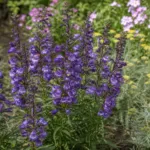
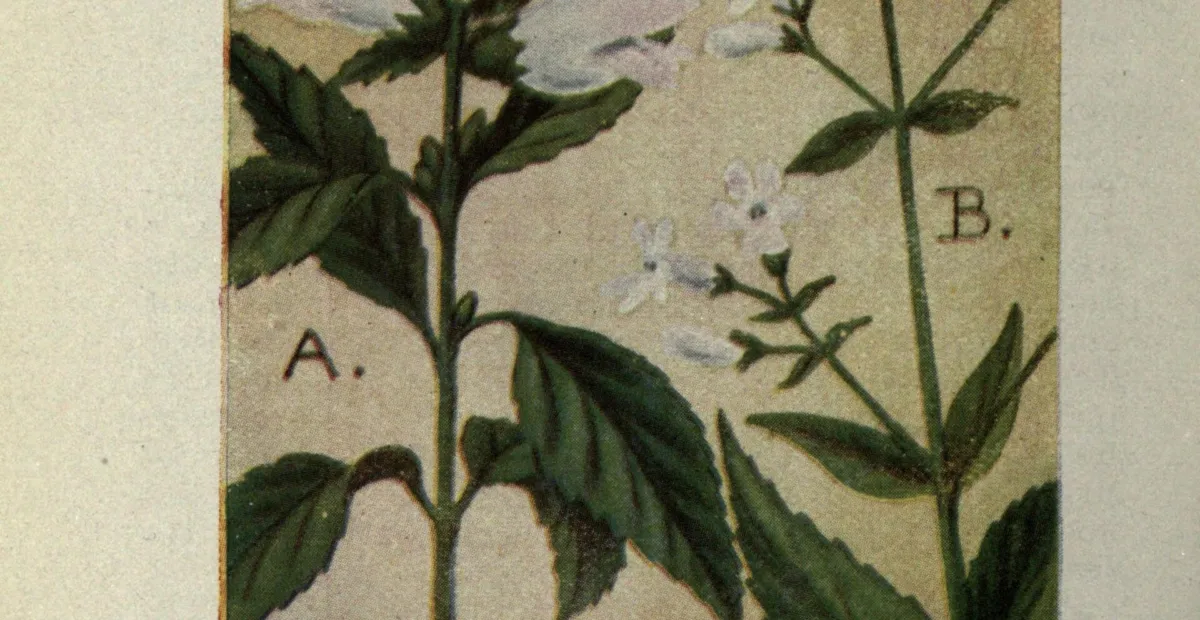
The plant has erect green, sometimes subtly square or round stems with paired, nearly stalkless lance-shaped leaves. Leaves are dark green, sharply serrated, hairless, and arranged in opposite pairs that turn orientation along the stem. Dense terminal racemes carry hooded, two-lipped flowers whose profile resembles a turtle’s head. Oval capsules follow the flowers.
Flowering
Flowers are borne in dense terminal racemes and open progressively from the base upward. The white corollas are hooded and two-lipped, with a shape reminiscent of a turtle’s head; pink flushing may occur. Bloom commonly extends from July into October in the United States, with timing varying by latitude and local conditions.
Pollination and visitors
Bumblebees are documented as the chief pollinators and can enter the hooded flowers to reach nectar. Extension and conservation sources also record bees, butterflies, and hummingbirds as visitors. The species is a host plant associated with the Baltimore checkerspot butterfly, making it valuable in wet native-plant habitats.
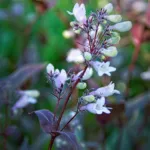
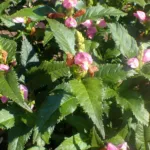
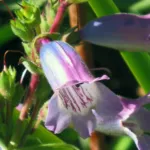
Chelone glabra photos
Click any photo for a larger view. Source, author and license are shown separately.
Diseases and pests
Diseases
Powdery mildew can occur when plants are stressed by dry soil, poor air circulation, or excessive shade. Maintain even moisture, avoid wetting foliage late in the day, thin crowded stems if needed, and provide adequate spacing. Remove heavily affected foliage and improve the growing conditions before considering a labeled fungicide.
Pests
No serious pest problems are consistently reported. Monitor for occasional chewing insects, aphids, or slug damage in wet, shaded conditions. Hand-pick visible pests, rinse aphids from stems, reduce hiding places for slugs, and avoid broad-spectrum insecticides during bloom to protect visiting pollinators.
Toxicity and pollen
Authoritative species-specific human and pet toxicity information was not located in the reviewed sources. Do not eat the plant, and prevent children and animals from chewing unfamiliar plant material. Wear gloves if handling causes skin irritation, and contact Poison Control or a veterinarian after suspected ingestion or significant exposure.
- Typical season
- During flowering, usually July–October
- Pollination / pollen
- Heavy, insect-carried pollen released within enclosed flowers
White turtlehead is insect-pollinated, and its pollen is primarily contained within the hooded flowers rather than released freely into the air. This suggests low airborne exposure for most gardeners, but it does not prove zero allergy risk. People with known plant or pollen allergies should avoid direct contact if symptoms occur.
Native habitat
Native populations occur in eastern and central North America, especially in stream banks, marshes, fens, floodplains, wet ditches, moist woods, and other wetland margins. It is a FACW wetland indicator, generally found where soils remain saturated or seasonally wet. In cultivation, it performs best in low-lying or naturally damp ground rather than dry upland beds.
Interesting fact
The genus name Chelone comes from the Greek word for tortoise, referring to the flower shape. The species epithet glabra means smooth or without hairs. Flowers open progressively from the bottom of each raceme upward. The plant’s flattened, winged seeds mature in oval capsules in fall.
Frequently asked questions (FAQ)
The most relevant questions about this plant, with short and direct answers.
🌱Quick care
What is white turtlehead?⌄
White turtlehead is a cold-hardy, herbaceous perennial native to moist habitats in the eastern and central United States. Its scientific name is Chelone glabra, and it typically grows about 2 to 3 feet tall.
How much sun does white turtlehead need?⌄
White turtlehead grows in full sun to partial shade. It generally flowers and stands more upright with more light, but plants in sunny sites need consistently moist soil.
How often should I water white turtlehead?⌄
Water white turtlehead whenever the soil surface begins to dry, keeping the root zone consistently moist to wet. Do not allow newly planted plants or plants in sunny locations to dry out.
Is white turtlehead easy to grow?⌄
White turtlehead is generally easy to grow when planted in rich, humus-rich soil that stays moist. It may struggle in dry soil, and excessive shade can make the stems taller and more likely to flop.
🌤️Environment and placement
Where should I plant white turtlehead?⌄
Plant white turtlehead in a moist border, rain garden, woodland edge, wet meadow, or beside a pond or stream. Choose a site with rich, moisture-retentive soil and full sun to partial shade.
Can white turtlehead grow in shade?⌄
White turtlehead tolerates partial shade and can grow in bright woodland conditions. Deep shade may reduce flowering and produce weaker, taller stems that need support.
Can white turtlehead grow in full sun?⌄
White turtlehead can grow in full sun if the soil remains consistently moist. Add organic mulch to help prevent the root zone from drying during hot weather.
Does white turtlehead tolerate wet soil?⌄
Yes, white turtlehead tolerates moist to wet soil and is well suited to rain gardens, stream margins, and other damp locations. It should not be placed in a site that becomes completely dry for long periods.
What type of soil does white turtlehead need?⌄
White turtlehead prefers rich, humus-rich, moisture-retentive soil with plenty of organic matter. It performs best when the soil stays evenly moist rather than alternating between drought and saturation.
What USDA hardiness zones can grow white turtlehead?⌄
White turtlehead is generally hardy in USDA Zones 3 through 8. Local performance can vary with winter exposure, summer heat, and whether the soil remains adequately moist.
💧Care and problems
How tall does white turtlehead get?⌄
White turtlehead usually grows about 2 to 3 feet tall and 1 to 2.5 feet wide. Plants in deep shade may become taller and more open.
Why is my white turtlehead flopping?⌄
White turtlehead may flop when it receives too much shade, grows in overly rich conditions, or becomes tall and weak. Move future plants to brighter light when possible, and pinch the stems in spring to encourage a shorter, bushier form.
Does white turtlehead need staking?⌄
White turtlehead usually does not need staking in suitable light and moisture. Plants grown in heavy shade may need support because their stems can become elongated.
How do I prevent mildew on white turtlehead?⌄
Prevent mildew by keeping the soil evenly moist while improving air circulation around the stems. Mildew is more likely when plants are stressed by dry soil or crowded in poorly ventilated conditions.
Does white turtlehead have serious pests or diseases?⌄
White turtlehead has no major pest or disease problems reported for normal garden conditions. Powdery mildew can occur, particularly when plants experience dry soil or poor air circulation.
🪴Planting and repotting
When is the best time to plant white turtlehead?⌄
Plant white turtlehead in spring or fall when temperatures are moderate and the soil is workable. Spring planting is especially useful in colder areas because it gives the perennial a full growing season to establish.
How far apart should I plant white turtlehead?⌄
Space white turtlehead plants about 18 to 30 inches apart, depending on the mature size of the plants and how quickly you want the planting to fill in. Leave enough room for air movement between stems.
Can white turtlehead grow in a container?⌄
White turtlehead can be grown in a large container if the pot has drainage and the mix stays consistently moist. Choose a container at least 12 inches wide and protect the roots from severe winter temperature swings.
✂️Propagation and pruning
How do you propagate white turtlehead?⌄
Propagate white turtlehead by seed or division, and some sources also report propagation from cuttings. Division is usually the more predictable method for producing established plants.
Can white turtlehead be grown from seed?⌄
Yes, white turtlehead can be grown from seed, although seedlings may take time to establish. Sow fresh seed in a moist seed-starting medium and keep it evenly moist; germination may be uneven.
Can you divide white turtlehead?⌄
Yes, divide white turtlehead clumps when the plant is dormant or during mild spring or fall weather. Replant divisions promptly at the original depth and keep them consistently moist while they establish.
Should white turtlehead be cut back in fall?⌄
It is generally better not to cut white turtlehead down in fall. Leaving the stems through winter can provide structure and wildlife value, while old growth can be removed in late winter or early spring.
Should I pinch white turtlehead in spring?⌄
Pinch the stem tips in spring if you want a shorter, bushier plant with less risk of flopping. Pinching too late can remove developing flower growth and reduce blooming.
⚠️Toxicity and safety
Is white turtlehead toxic to people or pets?⌄
The toxicity of white turtlehead is not well established, so it should not be eaten by people or pets. Keep plant material away from children and animals, and contact a medical professional or veterinarian if ingestion causes symptoms.
🌸Flowering and special interest
When does white turtlehead bloom?⌄
White turtlehead usually blooms from late summer into fall, often from July or August through October depending on the local climate. The flowers are typically white and may have a pink tinge.
What do white turtlehead flowers look like?⌄
White turtlehead produces dense clusters of hooded, two-lipped flowers shaped somewhat like turtle heads. The blooms are usually white, sometimes with pink shading, and appear at the tops of upright stems.
Does white turtlehead attract pollinators?⌄
Yes, white turtlehead attracts bees, butterflies, hummingbirds, and other pollinators. Its late-season flowers are especially useful in native and pollinator gardens.
Is white turtlehead a host plant for butterflies?⌄
White turtlehead serves as a host plant for the Baltimore checkerspot butterfly and can also support other caterpillars. Its flowers additionally provide nectar for a range of adult pollinators.