
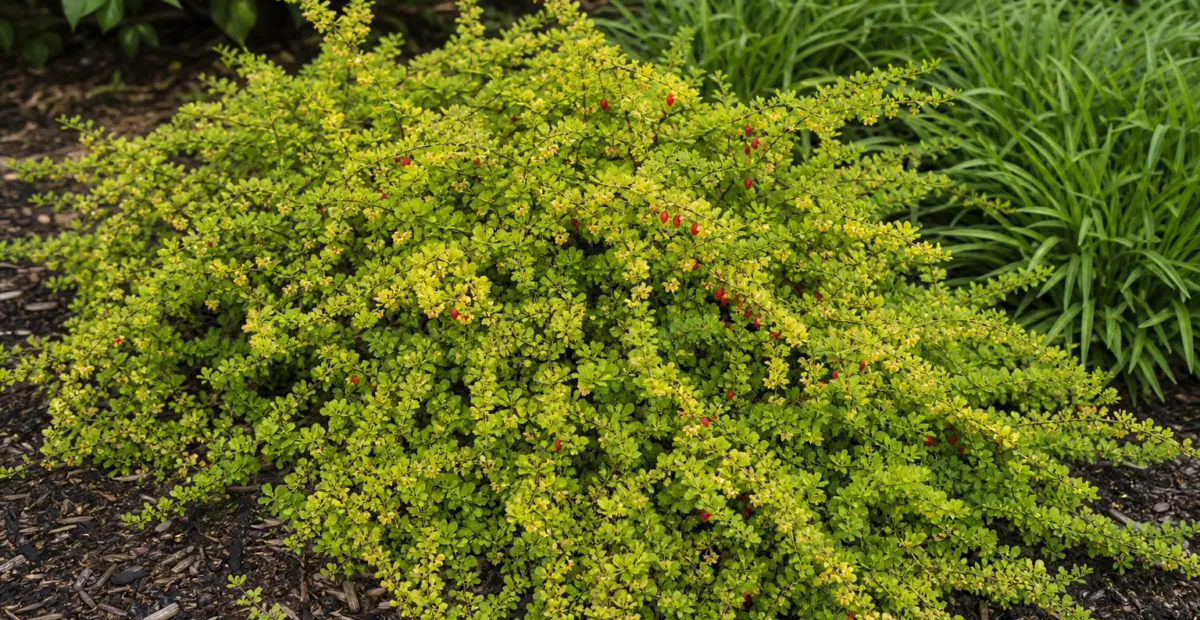
 AI-generated illustration
 Green Carpet (Berberis thunbergii ‘Green Carpet’) short overview
Berberis thunbergii 'Green Carpet' is a low, broadly spreading deciduous barberry valued for its fresh green foliage, arching stems, spring flowers, red berries, and vivid orange-to-red autumn color. It suits sunny borders, slopes, groundcover plantings, and low informal hedges where sharply spined branches are acceptable. The cultivar is adaptable and cold hardy, but its use should be checked against local regulations because Japanese barberry can be invasive in parts of the United States.
Taxonomic classification
Green Carpet (Berberis thunbergii ‘Green Carpet’) care guide
Light and placement
Plant in full sun for the densest habit, best flowering, strongest berry display, and most vivid autumn color; a site with afternoon sun is especially useful. Partial shade is tolerated, but plants may become looser and show less intense fall color. Sparse growth and greener autumn foliage suggest insufficient light, while scorched leaf margins may indicate reflected heat, drought, or drying wind rather than excessive light alone.
Watering and humidity
Water deeply at planting and whenever the upper few inches of soil dry during the first growing season. After establishment, water during prolonged heat or drought, allowing the soil to drain between applications. Do not keep the root zone constantly wet. Leaf drop, browning margins, or premature autumn color can signal drought stress; yellowing with persistently wet soil suggests poor drainage.
Soil and growing medium
Use ordinary garden soil that drains freely yet holds enough moisture for steady growth. Loam, sandy soil, and clay are all acceptable if amended only to improve structure and drainage. A slightly acidic to slightly alkaline reaction is tolerated. Avoid planting in compacted depressions or saturated sites, where root problems and chlorosis are more likely.
Feeding
Apply a thin layer of compost or a balanced slow-release shrub fertilizer in early spring as growth begins. Feed lightly rather than pushing lush shoots, which can weaken the compact form and increase pruning needs. Do not fertilize drought-stressed, newly transplanted, or late-season plants, and avoid heavy nitrogen applications after midsummer.
Growth and habit
This cultivar develops a low, wide, arching outline rather than a strictly prostrate mat. Branches can extend outward and may root where they contact soil, so occasional shaping helps keep paths and neighboring plants clear. Its medium growth rate and naturally dense branching make it useful where a broad, informal groundcover effect is wanted without frequent shearing.
Planting and repotting
Plant in spring or early fall while soil temperatures support root establishment. Dig a hole no deeper than the root ball and about twice as wide, loosen circling roots, and set the crown at the original soil level. Water thoroughly, mulch lightly without touching stems, and maintain even moisture through the first growing season. Check state and local rules before planting.
For container culture, repot in early spring when roots fill the container, moving up only one pot size. Use a well-drained shrub or loam-based mix with added drainage material. Handle branches carefully because of the spines, keep the crown at its former level, and water thoroughly after transplanting.
Propagation and pruning
Propagation
Nursery plants are commonly propagated from softwood or semi-hardwood cuttings. Take softwood cuttings in late spring or semi-hardwood cuttings in summer, use a clean, free-draining rooting medium, and maintain consistent moisture and humidity until roots form. Seed propagation is less appropriate for preserving a named cultivar because seedlings may not reproduce the parent consistently.
Pruning
Little pruning is normally needed. Remove dead, damaged, or crossing stems in late winter or early spring, then trim lightly after flowering if the outline needs correction. Wear thick gloves and long sleeves because the nodes carry sharp spines. Avoid repeated hard shearing, which can remove flowering wood and produce a dense outer shell.
Overwintering
Established plants are highly cold hardy outdoors. In containers, protect the root ball from repeated freeze-thaw cycles by grouping pots in a sheltered location or insulating the container. Water containers before the ground freezes if the mix is dry, but do not leave them saturated. No indoor overwintering is normally needed.
Uses
Useful for sunny shrub borders, slopes, low informal hedges, rock gardens, containers, and broad groundcover-style plantings. Its thorny stems can add defensive value, but they make it unsuitable beside narrow walkways or areas used by children and pets. Because Japanese barberry is invasive in portions of the United States, choose it only where permitted and where seed spread can be monitored.
Appearance
The plant has small oval green leaves arranged in clusters along arching shoots. Single sharp spines occur at the nodes, a useful identification feature. Young stems may show reddish-brown tones, while older bark becomes gray-brown; the inner wood is yellow. Green summer foliage changes to orange, red, or crimson shades in autumn, followed by small red berries.
Flowering
Small flowers appear along the previous season's stems in spring, commonly around May in temperate North American gardens. They are pale yellow and may show reddish markings. Flowering is ornamental but relatively modest compared with the foliage and autumn fruit display.
Pollination and visitors
The small yellow flowers of Berberis are visited by bees and other insects seeking nectar and pollen. Barberry flowers have touch-sensitive stamens that can move when contacted by a visiting insect, helping place pollen on the visitor. Evidence for a cultivar-specific visitor list is limited, so no particular insect species is assigned.
Diseases and pests
Diseases
Possible problems include powdery mildew, leaf spot, anthracnose, wilt, and root rot. Favor full sun, good air movement, and well-drained soil; water at the base rather than wetting foliage. Remove fallen diseased leaves and prune out badly affected stems. Persistent wilt or decline in wet ground points to root problems and may require removal rather than repeated treatment.
Pests
Watch for aphids, scale, barberry sawfly, barberry webworm, and occasional weevils. Inspect new growth and leaf undersides, remove small infestations by hand or with a strong water spray, and preserve beneficial insects. Use a labeled treatment only when damage is significant and follow the product label, especially around flowering plants.
Toxicity and pollen
Reliable horticultural references describe the fruit as ornamental and not for eating, and the genus is associated with low-severity poison characteristics. Treat berries and other plant material as unsuitable for consumption, especially by children and pets. The sharp spines also create a mechanical injury risk; wear gloves when planting or pruning. Seek medical or veterinary advice after significant ingestion.
- Typical season
- Usually May in much of the United States
- Pollination / pollen
- Insect-dispersed pollen from small spring flowers
This is an insect-pollinated shrub with small flowers, so it is not generally considered a major airborne pollen source. However, insect pollination does not guarantee zero allergy relevance, and individual sensitivity can vary. Avoid handling flowering branches closely if you notice symptoms and consult a clinician for persistent seasonal reactions.
Native habitat
The parent species is a temperate shrub of central and southern Japan, where it occurs in open woodland edges, slopes, and disturbed or scrubby habitats. It prefers mineral soils with reliable drainage and tolerates a broad range of soil reactions. In the United States, Japanese barberry has naturalized in some regions and can form dense thickets in woodland and edge habitats.
Interesting fact
The cultivar's name refers to its broad, carpet-like spread rather than a truly creeping habit. Barberry stems commonly bear one sharp spine at each node. The flowers' stamens respond to touch from insects. Red berries may persist into the colder months and can be dispersed by birds.
Frequently asked questions (FAQ)
The most relevant questions about this plant, with short and direct answers.
🌱Quick care
What is Berberis thunbergii 'Green Carpet'?⌄
Berberis thunbergii 'Green Carpet' is a low-growing, deciduous barberry with arching, spreading branches and bright green leaves. It typically reaches about 2 to 3 feet tall and 5 feet wide, making it useful as a ground cover or low border shrub.
How big does Berberis thunbergii 'Green Carpet' get?⌄
Berberis thunbergii 'Green Carpet' usually grows about 2 to 3 feet tall and 3 to 5 feet wide. Its mature size varies with climate, soil, and pruning, but it generally stays broad and low rather than becoming an upright shrub.
Is Berberis thunbergii 'Green Carpet' evergreen?⌄
No, Berberis thunbergii 'Green Carpet' is generally deciduous and drops its leaves in winter. In mild conditions, some foliage may persist longer, but reliable winter leaf retention should not be expected.
🌤️Environment and placement
Does Berberis thunbergii 'Green Carpet' need full sun?⌄
Berberis thunbergii 'Green Carpet' grows in full sun to partial shade. Full sun produces the best flowering, fruiting, density, and autumn color, while partial shade is acceptable if the soil is well drained.
Where should I plant Berberis thunbergii 'Green Carpet'?⌄
Plant Berberis thunbergii 'Green Carpet' in a sunny to partly shaded site with well-drained soil and enough room for its spreading habit. It works well on slopes, in borders, along paths, and as a low ground-covering shrub, but avoid locations where its thorns may catch passersby.
What USDA hardiness zones are suitable for Berberis thunbergii 'Green Carpet'?⌄
Berberis thunbergii 'Green Carpet' is very cold hardy and is commonly listed for approximately USDA Zones 5 through 8. Local performance can still vary with winter exposure, drainage, snow cover, and unusual temperature extremes.
What type of soil does Berberis thunbergii 'Green Carpet' need?⌄
Berberis thunbergii 'Green Carpet' tolerates loam, sand, clay, and a broad range of soil pH, provided the soil drains well. Improve compacted or poorly drained ground before planting because constantly wet roots can cause decline.
Can Berberis thunbergii 'Green Carpet' tolerate drought?⌄
Yes, Berberis thunbergii 'Green Carpet' becomes moderately drought tolerant once established. Water it regularly during the first growing season and during prolonged summer heat, especially in sandy soil or exposed sites.
💧Care and problems
How often should I water Berberis thunbergii 'Green Carpet'?⌄
Water Berberis thunbergii 'Green Carpet' when the top few inches of soil begin to dry, applying water deeply rather than shallowly. Established plants usually need supplemental irrigation only during extended drought, extreme heat, or unusually dry winters.
Does Berberis thunbergii 'Green Carpet' need fertilizer?⌄
Berberis thunbergii 'Green Carpet' usually needs little fertilizer when planted in reasonably fertile soil. If growth is weak, apply a balanced slow-release shrub fertilizer in spring according to the product label, avoiding excessive nitrogen that can produce floppy growth.
Why is my Berberis thunbergii 'Green Carpet' losing leaves?⌄
Leaf loss in Berberis thunbergii 'Green Carpet' is normal in fall because it is deciduous. Premature summer defoliation may indicate drought, waterlogged soil, insect damage, foliar disease, or severe environmental stress, so inspect the leaves and roots before changing care.
What pests affect Berberis thunbergii 'Green Carpet'?⌄
Berberis thunbergii 'Green Carpet' may be affected by aphids and berberis sawfly larvae. Check the undersides of leaves and new growth, then use hand removal, water sprays, or a labeled control appropriate for the pest when damage is significant.
What diseases affect Berberis thunbergii 'Green Carpet'?⌄
Berberis thunbergii 'Green Carpet' can experience powdery mildew and, less commonly, root or stem problems associated with honey fungus. Good air circulation, well-drained soil, proper watering, and removal of badly affected material help reduce disease pressure.
🪴Planting and repotting
When is the best time to plant Berberis thunbergii 'Green Carpet'?⌄
The best planting times for Berberis thunbergii 'Green Carpet' are spring or fall, when temperatures are moderate and soil moisture is easier to maintain. Container-grown plants can be planted during the growing season if they receive consistent watering.
How far apart should I plant Berberis thunbergii 'Green Carpet'?⌄
Space Berberis thunbergii 'Green Carpet' about 3 to 5 feet apart, depending on whether you want individual plants or a more continuous ground-cover effect. Use the wider spacing where good air circulation and distinct plant shapes are preferred.
Can Berberis thunbergii 'Green Carpet' be used as ground cover?⌄
Yes, Berberis thunbergii 'Green Carpet' is well suited to ground-cover planting because it is low, spreading, and densely branched. It covers space gradually rather than rapidly, and its thorny stems make it less suitable for areas that receive frequent foot traffic.
Can Berberis thunbergii 'Green Carpet' grow in a container?⌄
Berberis thunbergii 'Green Carpet' can grow in a large container with drainage holes and a well-drained potting mix. Choose a container wide enough for its spreading habit, water when the mix begins to dry, and protect the roots from severe winter temperature swings.
✂️Propagation and pruning
How do I propagate Berberis thunbergii 'Green Carpet'?⌄
Berberis thunbergii 'Green Carpet' is most reliably propagated from softwood or semi-hardwood cuttings. Take healthy cuttings during active growth, use a sterile, well-drained rooting medium, and maintain even moisture and high humidity until roots form.
When should Berberis thunbergii 'Green Carpet' be pruned?⌄
Prune Berberis thunbergii 'Green Carpet' after flowering to maintain its shape or remove damaged and overcrowded stems. It generally needs little pruning, and heavy late-season cutting may reduce the following season's flowers and berries.
How do I prune Berberis thunbergii 'Green Carpet'?⌄
Wear thick gloves and long sleeves, then remove dead, damaged, or crossing branches and lightly shorten overly long shoots. Make cuts just above healthy buds or at the branch base, preserving the plant's naturally arching, spreading form.
⚠️Toxicity and safety
Is Berberis thunbergii 'Green Carpet' poisonous?⌄
Berberis thunbergii 'Green Carpet' has low-severity poisonous characteristics, and its ornamental berries should not be eaten. Keep children and pets from consuming the fruit, and seek medical or veterinary advice if ingestion causes concern.
Does Berberis thunbergii 'Green Carpet' have thorns?⌄
Yes, Berberis thunbergii 'Green Carpet' has sharp spines on its branches. Wear gloves and protective clothing when planting or pruning it, and position the shrub away from play areas, narrow walkways, and frequently handled garden edges.
Is Berberis thunbergii 'Green Carpet' invasive in the United States?⌄
Berberis thunbergii is invasive or regulated in some parts of the United States, and restrictions can vary by state or locality. Before planting 'Green Carpet', check your state department of agriculture or county extension guidance because cultivar behavior and legal status may not be identical everywhere.
🌸Flowering and special interest
When does Berberis thunbergii 'Green Carpet' bloom?⌄
Berberis thunbergii 'Green Carpet' typically blooms in spring, producing small pale yellow flowers with reddish coloring on the outside. Flowering is usually heavier in full sun and may vary by USDA Zone and seasonal weather.
Does Berberis thunbergii 'Green Carpet' produce berries?⌄
Yes, Berberis thunbergii 'Green Carpet' can produce small red berries after flowering, often appearing from late summer into fall. Fruit production is generally best with good sun exposure, although young or heavily pruned plants may fruit sparsely.
What color does Berberis thunbergii 'Green Carpet' turn in fall?⌄
The green leaves of Berberis thunbergii 'Green Carpet' commonly develop yellow, orange, and red to crimson tones in fall. The intensity depends on sunlight, temperature, plant health, and local growing conditions.
Similar plants
 Thunberg’s Barberry (Berberis thunbergii) care guideBerberis thunbergii
 Darwin’s Barberry (Berberis darwinii) care guideBerberis darwinii
 Admiration (Berberis thunbergii ‘Admiration’)Berberis thunbergii 'Admiration'
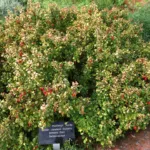 Golden Japanese barberry (Berberis thunbergii ‘Aurea’)Berberis thunbergii 'Aurea'
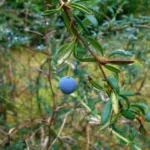 Hedge Barberry (Berberis stenophylla) care guideBerberis stenophylla
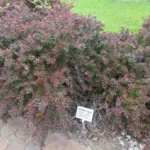 Crimson Pygmy (Berberis thunbergii ‘Crimson Pygmy’)Berberis thunbergii 'Crimson Pygmy'