
 Source:
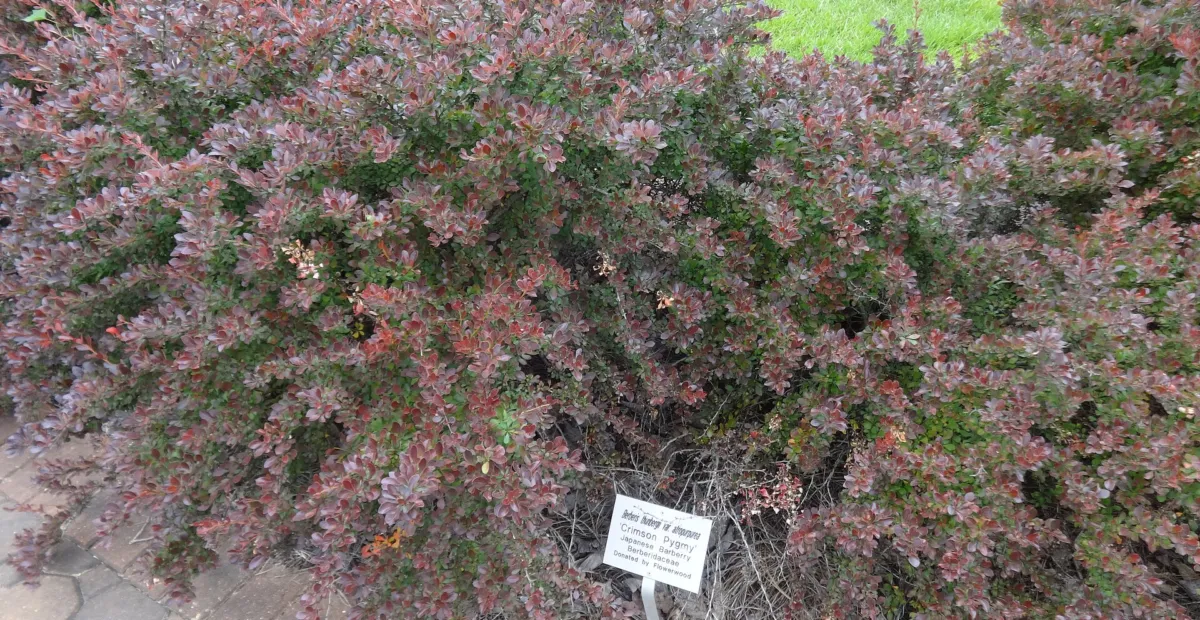
 Crimson Pygmy (Berberis thunbergii ‘Crimson Pygmy’) short overview
Berberis thunbergii 'Crimson Pygmy' is a compact, rounded deciduous barberry valued for dense deep red-purple foliage and vivid autumn color. Small pale yellow flowers appear in spring, followed by sparse red berries that may persist into winter. Give it full sun for the strongest leaf color, average well-drained soil, and moderate watering during establishment. Its thorns and invasive potential require careful placement and local regulation checks.
Taxonomic classification
Crimson Pygmy (Berberis thunbergii ‘Crimson Pygmy’) care guide
Light and placement
Plant in full sun, ideally with at least 6 hours of direct light, for the deepest burgundy foliage and best flowering. East-, south-, or west-facing positions are suitable if drainage is good. Partial shade is tolerated, especially in hot climates, but leaves may become greener and flowering may decrease. Bleached or scorched leaves suggest excessive reflected heat or drought; weak green growth suggests insufficient light.
Watering and humidity
Water deeply and infrequently once established, allowing the upper soil to dry between waterings. During the first growing season, water whenever the root zone begins to dry rather than relying on shallow daily irrigation. Reduce watering in cool weather and increase it during prolonged summer heat or drought. Avoid saturated soil, which raises the risk of root rot.
Soil and growing medium
Use average, well-drained soil ranging from sandy or loamy to clay if drainage is adequate. The plant tolerates acidic, neutral, and alkaline conditions, but avoid persistently wet or poorly aerated ground. Do not amend a broad planting hole with rich compost alone; improve drainage and structure across the planting area when needed.
Feeding
Usually needs little fertilizer once established. In early spring, apply a thin layer of compost or a balanced slow-release shrub fertilizer if growth is weak or soil fertility is poor. Follow the product label and avoid heavy nitrogen applications, which can produce soft, overly vigorous growth. Do not fertilize drought-stressed, newly transplanted, or dormant plants.
Growth and habit
This cultivar forms a dense, rounded to broadly spreading mound with fine branching and a relatively uniform habit. It is typically slow to moderate in landscape development and can become more open or less colorful in shade. Its thorny structure makes careful placement and use of gloves important during maintenance.
Planting and repotting
Plant in spring or fall when soil can be worked, setting the root flare level with the surrounding soil. Water deeply after planting and maintain even moisture through the first growing season. Allow enough room for the mature spread, and do not place it where children or pets will regularly brush against the thorns. Check state and local restrictions before planting.
For container plants, repot in early spring before active growth, moving up only one pot size. Use a durable container with drainage holes and a free-draining shrub mix. Handle the root ball carefully and wear thick gloves because the stems are spiny. Container specimens require more regular watering than plants established in the ground.
Propagation and pruning
Propagation
Propagate by semi-hardwood cuttings in summer or by seed after appropriate cold stratification. Layering is also practical for small quantities. Seed-grown plants may not reproduce the named cultivar faithfully, so cuttings or other clonal methods are preferable when maintaining 'Crimson Pygmy' characteristics.
Pruning
Prune after flowering or during dormancy to remove dead, damaged, crossing, or poorly placed stems. Because flowers form on new growth, severe pruning immediately before spring bloom can reduce flowering. Rejuvenate old plants gradually or cut back selected stems at the base. Wear thick gloves and eye protection around the spines.
Overwintering
Plants in the ground are generally hardy through USDA Zone 4. In colder areas, apply a light mulch over the root zone after the soil cools, keeping mulch away from the stems. Container plants are more exposed to root freezing; move them to a sheltered location or insulate the container, while still preventing waterlogged winter soil.
Uses
Useful as a foliage accent, low border, informal hedge, mass planting, container specimen, or erosion-control shrub where allowed. Its dense thorny structure can form a barrier, but it should not be placed beside walkways or children’s play areas. Because Japanese barberry is invasive in parts of the United States, native or sterile alternatives may be preferable.
Appearance
Leaves are small, simple, alternate, and clustered in short shoots beside a single spine at each node. New foliage is deep crimson to reddish purple, while autumn color can intensify toward red or orange. The shrub has dense fine-textured branching, reddish-brown stems, and small inconspicuous flowers beneath the leaves. Red oval berries may remain after leaf drop.
Flowering
Small, waxy pale yellow to yellow-orange flowers are produced in axillary clusters beneath the foliage in spring. They are ornamental but generally not showy at a distance. Flowering is usually strongest in full sun. The cultivar may produce fewer flowers and weaker foliage color in shade.
Pollination and visitors
Japanese barberry flowers are pollinated by small and large bees. The cultivar's small spring flowers can provide limited forage, but its pollinator value is generally modest compared with native flowering shrubs.
Berberis thunbergii 'Crimson Pygmy' photos
Click any photo for a larger view. Source, author and license are shown separately.
Diseases and pests
Diseases
Potential problems include root rot in wet soils, powdery mildew, anthracnose, wilt, and bacterial leaf spot. Prevent disease by providing good drainage, avoiding overhead irrigation, thinning crowded growth, and removing fallen diseased foliage. Prune out affected branches with clean tools. Persistent wilt or decline in saturated soil is more likely to reflect root damage than a simple nutrient deficiency.
Pests
Aphids, scale, barberry webworm, and occasional mites may occur. Inspect new growth and leaf undersides regularly. Wash small aphid infestations away with water and preserve beneficial insects. Use horticultural oil or insecticidal soap only when necessary and according to the label. Avoid stressing plants with drought or waterlogging, which can increase pest problems.
Related diseases and pests
Only Plant Doctor profiles whose host data indicate this plant may be affected are shown here.
 DiseaseStem Rust (Black Rust)Puccinia graminis
 DiseaseCoral Spot CankerNectria cinnabarina
 DiseaseEuropean brown rotMonilinia fructigena
 DiseaseAnthracnoseColletotrichum gloeosporioides
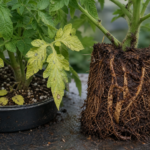 Environmental stressNutrient Deficiency Caused by Root Damage
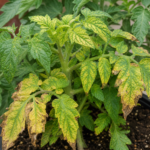 Environmental stressMultiple Nutrient Deficiency
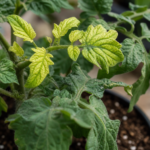 Environmental stressNutrient lockout
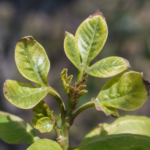 Environmental stressNickel deficiency
Toxicity and pollen
The berries contain berberine and may cause stomach upset if eaten, particularly in children. Do not treat the fruit as a food crop, and prevent ingestion of berries or other plant material. The sharp spines also create a physical injury risk. Contact a poison center or medical professional after a suspected ingestion.
- Typical season
- April–May
- Pollination / pollen
- Insect-carried floral pollen
The flowers release pollen during spring bloom, but Japanese barberry is insect-pollinated rather than wind-pollinated, so airborne dispersal is generally limited. Sensitive individuals should still avoid assuming zero allergy risk, especially during close contact with flowering branches.
Native habitat
The species is native to Japan and temperate eastern Asia, where it occurs in open woodland edges, thickets, slopes, and other well-drained sites. In the United States it has escaped cultivation and can invade forest edges and understories, especially in parts of the Northeast and Midwest.
Interesting fact
The cultivar is a dwarf, purple-leaved selection of Japanese barberry.
Its flowers hang beneath the leaves and are easy to overlook.
Red berries may persist into fall and winter but are often sparse.
Leaf color is strongest in full sun and greener in deeper shade.
Japanese barberry can spread by seed after birds eat the fruit.
The species is invasive or regulated in parts of the United States.
Frequently asked questions (FAQ)
The most relevant questions about this plant, with short and direct answers.
🌱Quick care
How do you care for Berberis thunbergii 'Crimson Pygmy'?⌄
Grow it in full sun to partial shade and well-drained soil, and water moderately until established. Once established, it usually tolerates dry conditions and needs little routine care.
How big does Berberis thunbergii 'Crimson Pygmy' get?⌄
It typically grows about 2 feet tall and 3 feet wide. Size can vary with pruning, soil, and growing conditions.
Is Berberis thunbergii 'Crimson Pygmy' evergreen?⌄
No, it is a deciduous shrub that loses its leaves in fall. The foliage often develops orange-red to crimson tones before leaf drop.
What USDA hardiness zones are suitable for 'Crimson Pygmy' barberry?⌄
It is generally hardy in USDA Zones 4 through 9. Extreme winter exposure or poorly drained soil can still cause damage, especially in newly planted shrubs.
🌤️Environment and placement
Does Berberis thunbergii 'Crimson Pygmy' need full sun?⌄
Full sun produces the strongest red-purple foliage and most compact growth. It tolerates partial shade, but the leaves may become greener and the plant may grow less densely.
Can 'Crimson Pygmy' barberry grow in shade?⌄
It can grow in partial shade but is not a good choice for deep shade. Low light commonly reduces foliage color and can produce a looser, less attractive habit.
What type of soil is best for Berberis thunbergii 'Crimson Pygmy'?⌄
Use average, well-drained soil, including sandy, loamy, or clay soil. Avoid sites that stay soggy because excess moisture increases the risk of root problems.
Is Berberis thunbergii 'Crimson Pygmy' drought tolerant?⌄
Yes, it is drought tolerant once established. Water deeply during prolonged heat or drought, particularly during the first growing season and when planted in sandy soil.
Can 'Crimson Pygmy' barberry grow in containers?⌄
Yes, its compact size makes it suitable for a large container with drainage holes. Use well-drained potting mix, water when the surface begins to dry, and protect the root ball from severe winter cold.
Is Berberis thunbergii 'Crimson Pygmy' deer resistant?⌄
It is generally avoided by deer because of its spines. Deer resistance is not absolute, especially when other food is scarce.
💧Care and problems
How often should I water Berberis thunbergii 'Crimson Pygmy'?⌄
Water regularly while the shrub establishes, then water deeply only during extended dry periods. Let the soil dry slightly between waterings rather than keeping it constantly wet.
Why is my 'Crimson Pygmy' barberry turning green?⌄
Insufficient sunlight is a common reason for weaker red coloration. Excess nitrogen, vigorous shade growth, or naturally greener new foliage can also reduce the intensity of the color.
What pests affect Berberis thunbergii 'Crimson Pygmy'?⌄
Potential pests include aphids, scale, and barberry webworm, although serious infestations are uncommon. Inspect new growth and treat only when damage is substantial.
What diseases can affect 'Crimson Pygmy' barberry?⌄
Possible problems include leaf spot, anthracnose, wilt, and root rot. Good air circulation, careful watering, and well-drained soil help reduce disease pressure.
Why is my Berberis thunbergii 'Crimson Pygmy' losing leaves in summer?⌄
Summer leaf loss can result from drought stress, root rot, severe heat, disease, or transplant shock. Check soil moisture and drainage first, then inspect the foliage and stems for spots, wilt, or pest damage.
🪴Planting and repotting
When is the best time to plant Berberis thunbergii 'Crimson Pygmy'?⌄
Plant it in spring or fall when temperatures are mild and the soil can be worked. In colder regions, early fall planting gives roots time to establish before the ground freezes.
How far apart should I plant 'Crimson Pygmy' barberry?⌄
Space plants about 3 feet apart for a continuous low border, or farther apart for individually rounded shrubs. Allow additional room where you want better air circulation and a looser appearance.
How do you plant Berberis thunbergii 'Crimson Pygmy'?⌄
Set the shrub with the root flare level with the soil surface, backfill with the excavated soil, and water thoroughly. Apply a thin layer of mulch without piling it against the stems.
Can Berberis thunbergii 'Crimson Pygmy' be transplanted?⌄
Yes, it can be transplanted most successfully in early spring or fall. Keep the root ball intact, replant at the original depth, and provide consistent moisture until new growth appears.
✂️Propagation and pruning
How do you propagate Berberis thunbergii 'Crimson Pygmy'?⌄
Propagation is usually done with cuttings because seed may not reproduce the cultivar’s dwarf size or foliage color. Semi-ripe cuttings taken during the growing season can be rooted under controlled moisture.
Can 'Crimson Pygmy' barberry be grown from seed?⌄
It can produce viable seed, but seedlings may differ from the named cultivar and may revert toward greener, more vigorous plants. Remove unwanted fruit and seedlings where escape into natural areas is a concern.
How do you prune Berberis thunbergii 'Crimson Pygmy'?⌄
Prune lightly after flowering or in late winter to remove dead, damaged, or crossing stems and maintain its shape. Wear thick gloves and long sleeves because the branches have sharp spines.
Can you cut 'Crimson Pygmy' barberry back hard?⌄
Yes, established plants tolerate rejuvenation pruning, but remove no more than about one-third of the oldest stems in a single year when possible. Severe pruning may temporarily reduce flowering and fruiting.
⚠️Toxicity and safety
Is Berberis thunbergii 'Crimson Pygmy' poisonous?⌄
Eating the plant can cause illness, so keep leaves, stems, roots, and berries away from children and pets. The sharp spines also create a significant puncture and handling risk.
Are the berries on 'Crimson Pygmy' barberry edible?⌄
The berries are not recommended for casual consumption because plant identification and toxicity risks can be confused with other barberries. Do not use them for food unless a qualified expert has confirmed the plant and appropriate preparation.
Is Berberis thunbergii 'Crimson Pygmy' invasive in the United States?⌄
Japanese barberry is invasive in parts of the United States, especially in regions of the Northeast and Midwest. 'Crimson Pygmy' may produce fewer or less vigorous offspring than some forms, but it should still be checked against local restrictions and not planted near natural areas.
Is 'Crimson Pygmy' barberry legal to plant in my state?⌄
Rules vary by state, county, and municipality, and some jurisdictions restrict or prohibit Japanese barberry cultivars. Check your state agriculture department or local invasive-plant list before purchasing or planting it.
Does Berberis thunbergii 'Crimson Pygmy' attract ticks?⌄
Dense Japanese barberry stands can create humid, sheltered habitat associated with higher black-legged tick abundance in some eastern U.S. studies. Keep plantings sparse, maintain surrounding vegetation, and use appropriate tick precautions.
🌸Flowering and special interest
When does Berberis thunbergii 'Crimson Pygmy' bloom?⌄
It usually blooms in mid- to late spring, often around April and May depending on local climate. The small yellow flowers are attractive but relatively inconspicuous.
Does 'Crimson Pygmy' barberry produce berries?⌄
Yes, small red berries can follow the spring flowers and may persist into fall or winter. Fruit production varies with plant age, weather, pollination, and growing conditions.
Why is my Berberis thunbergii 'Crimson Pygmy' not flowering?⌄
Insufficient sunlight, excessive pruning before bloom, young age, drought stress, or winter damage can reduce flowering. Prune after flowering rather than before it, and provide brighter light when practical.
Similar plants
 Azure Monkshood (Aconitum carmichaelii) care guideAconitum carmichaelii
 Monkshood (Aconitum ‘Stainless Steel’)Aconitum 'Stainless Steel'
 Monkshood (Aconitum ‘Bressingham Spire’)Aconitum 'Bressingham Spire'
 Golden full moon maple (Acer shirasawanum ‘Aureum’)Acer shirasawanum 'Aureum'
 Globosum (Acer platanoides ‘Globosum’)Acer platanoides 'Globosum'
 Striped maple (Acer pensylvanicum) care guideAcer pensylvanicum