
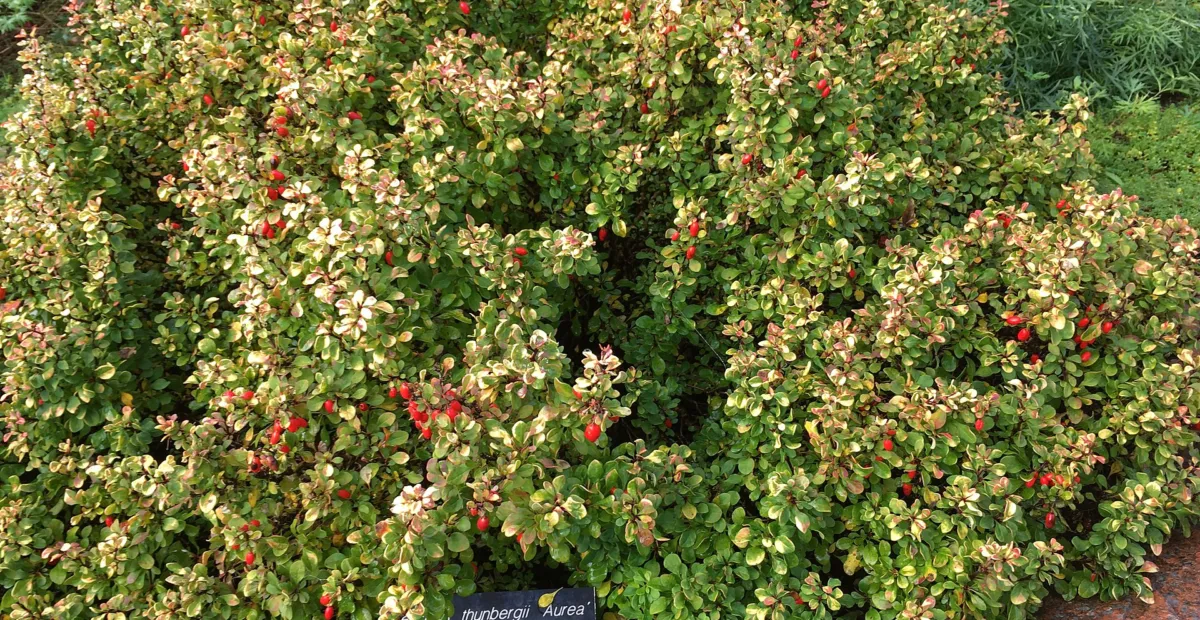
 Source:
 Golden Japanese barberry (Berberis thunbergii ‘Aurea’) short overview
Berberis thunbergii ‘Aurea’ is a compact, deciduous shrub grown for its vivid yellow foliage, which shows best in full sun or light partial shade. Small pale-yellow flowers appear in spring, followed by bright red berries that can persist into winter. Its thorny stems create a useful barrier, but the cultivar can still produce viable seed and may contribute to the spread of invasive Japanese barberry in parts of the United States.
Taxonomic classification
Golden Japanese barberry (Berberis thunbergii ‘Aurea’) care guide
Light and placement
Plant in full sun for the strongest yellow foliage, preferably with afternoon sun in cooler climates and some afternoon protection in very hot, intense-sun locations. Light partial shade is tolerated, but insufficient light can shift the leaves toward yellow-green and produce a looser habit. In hot southern sites, morning sun with light afternoon shade can reduce leaf scorch while retaining color.
Watering and humidity
Water deeply when the upper several inches of soil become dry during the first growing season. Once established, the shrub usually tolerates dry conditions, but occasional deep watering during prolonged summer drought improves foliage and berry production. Avoid frequent shallow irrigation and do not keep the root zone constantly wet. Humidity generally requires no special management.
Soil and growing medium
Use ordinary garden soil amended only if drainage is poor. A loamy or clay soil is acceptable provided excess water drains away; persistent winter wetness can encourage root problems. A slightly acidic to slightly alkaline reaction is generally tolerated. Mulch lightly over the root zone, keeping it away from the stems, to moderate temperature and conserve moisture.
Feeding
Apply a thin layer of compost or a balanced slow-release shrub fertilizer in early spring as growth begins. Avoid heavy nitrogen feeding, which can produce soft, overly lush shoots and reduce the compact ornamental habit. Do not fertilize drought-stressed, newly transplanted or late-season growth, and water after applying granular products.
Growth and habit
This cultivar forms a compact, upright-to-mounded, multi-stemmed shrub and is generally slower growing than many vigorous green-leaved forms. Branches can arch outward with age and may root where they contact soil. Its dense, thorny structure provides screening and barrier value, while the relatively modest size suits small borders and foundation plantings.
Planting and repotting
Plant after the soil can be worked in spring or several weeks before autumn freeze. Set the root ball level with the surrounding soil, backfill firmly and water thoroughly. Maintain a mulch ring without touching the stems. Allow enough space for the mature spread and avoid planting where its seed or berries could move into natural areas.
For container culture, repot in early spring when roots fill the pot, moving up one container size into a sharply drained shrub mix. Tease or trim circling roots lightly, replant at the original depth and water thoroughly. Containers dry and freeze faster than garden soil, so monitor moisture and protect the root system during severe cold.
Propagation and pruning
Propagation
Commercial plants are commonly propagated from cuttings. Semi-ripe cuttings can be taken in summer under humid, well-drained conditions; layering is also practical where a low branch contacts soil. Seed propagation is possible but may not reproduce the cultivar exactly and can contribute to unwanted spread.
Pruning
Prune in late winter or immediately after flowering to remove dead, damaged or crossing stems and maintain the desired outline. Wear thick gloves because of the spines. Renewal-prune a portion of the oldest stems at ground level rather than shearing repeatedly. Remove unwanted rooted branches and seedlings before they establish.
Overwintering
Plants established in the ground are generally hardy through USDA Zone 4. In colder or exposed sites, apply an airy mulch layer over the root zone after the ground cools. Container plants need protection from repeated freeze-thaw cycles; move them to a sheltered unheated location or insulate the pot while keeping the plant dormant and lightly watered.
Uses
Useful as a yellow-foliaged accent, low hedge, foundation shrub, border plant or thorny barrier. Red berries provide ornamental winter interest and are used by birds, but the plant is not recommended as a food crop. Japanese barberry can be invasive in parts of the United States; check state and local restrictions and avoid planting near susceptible natural habitats.
Appearance
Leaves emerge bright yellow and are arranged in small clusters along angular brown stems. The foliage may become yellow-green in shade or late summer and can develop orange, red or reddish-purple fall tones. Single sharp spines occur at the nodes. Small pale-yellow flowers are inconspicuous among the foliage, followed by glossy red, ellipsoid berries.
Flowering
The flowers are small, pale yellow and produced along the stems in spring. They may occur singly or in short clusters and are often partly hidden by the foliage, so flowering is ornamental but not the primary feature of the cultivar. Bright red berries develop later in the season when pollination and fruit set occur.
Pollination and visitors
The small flowers are insect-pollinated, but reliable cultivar-specific documentation identifying the principal visitor groups is limited. Birds are documented users of the red fruit, which is an ecological interaction distinct from flower pollination.
Berberis thunbergii 'Aurea' photos
Click any photo for a larger view. Source, author and license are shown separately.
Diseases and pests
Diseases
Avoid saturated soil and overhead irrigation to reduce root rots, bacterial leaf spot and anthracnose. Improve air circulation by thinning congested stems and remove affected leaves. Prune out diseased wood with clean tools. Persistent wilt or decline in wet ground may indicate root damage and requires correcting drainage rather than repeated fertilization.
Pests
Aphids, scale and barberry webworm may occasionally affect the shrub. Inspect new growth and leaf undersides, especially during warm weather. Encourage natural enemies, wash light infestations away with water and use horticultural oil or another labeled treatment only when monitoring shows it is necessary. Remove trapped litter from the thorny branches.
Related diseases and pests
Only Plant Doctor profiles whose host data indicate this plant may be affected are shown here.
 DiseaseStem Rust (Black Rust)Puccinia graminis
 DiseaseCoral Spot CankerNectria cinnabarina
 DiseaseEuropean brown rotMonilinia fructigena
 DiseaseAnthracnoseColletotrichum gloeosporioides
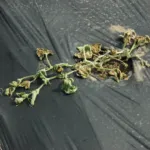 DiseaseBacterial WiltRalstonia solanacearum species complex
 DiseaseWalnut AnthracnoseOphiognomonia leptostyla
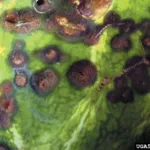 DiseaseCucurbit AnthracnoseColletotrichum orbiculare
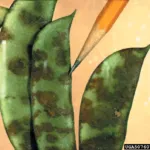 DiseaseBean AnthracnoseColletotrichum lindemuthianum
Toxicity and pollen
The plant contains berberine-related alkaloids, and ingestion of leaves, bark, roots, sap or other tissues may cause minor gastrointestinal illness such as vomiting or diarrhea. The sharp spines also create a puncture hazard. Keep prunings and plant material away from children and pets, and seek professional advice after significant ingestion.
- Typical season
- Typically April–May in much of the United States
- Pollination / pollen
- Pollen released from insect-visited flowers; airborne exposure is not well characterized.
This is an insect-pollinated flowering shrub, so its pollen is not typically released in large windborne clouds. However, insect-pollinated plants are not automatically allergy-free, and cultivar-specific airborne pollen data are limited. People with significant pollen sensitivity should avoid handling flowers closely and monitor their own response.
Native habitat
The species is associated with woodland edges, thickets and disturbed sites in its native East Asian range. It tolerates a broad range of soils, urban conditions and periodic drought, but performs poorly in persistently wet ground. In eastern North America, escaped Japanese barberry can establish in forests and alter understory structure.
Interesting fact
‘Aurea’ is recognized for bright yellow foliage rather than unusual flowers. The cultivar is compact but is not reliably sterile. Birds can disperse its seeds, and stems may root when they touch the ground. Its yellow leaves can shift toward green in shade and develop strong warm fall color.
Frequently asked questions (FAQ)
The most relevant questions about this plant, with short and direct answers.
🌱Quick care
What is Berberis thunbergii 'Aurea' commonly called?⌄
Berberis thunbergii 'Aurea' is commonly called golden Japanese barberry or golden barberry. It is a deciduous shrub in the barberry genus and the Berberidaceae family.
How big does golden Japanese barberry get?⌄
Golden Japanese barberry typically grows about 3 to 4 feet tall and wide. Growth is usually dense, rounded to mounded, and relatively slow.
Is Berberis thunbergii 'Aurea' evergreen?⌄
No, Berberis thunbergii 'Aurea' is deciduous and loses its leaves in winter. Its yellow foliage may develop orange or red tones in fall before dropping.
Is golden Japanese barberry a good hedge plant?⌄
Golden Japanese barberry can form a dense, thorny hedge or barrier and is useful where security and deer resistance matter. Its spines make it a poor choice beside sidewalks, play areas, or frequently used entrances.
How fast does golden Japanese barberry grow?⌄
Golden Japanese barberry is generally a slow- to moderate-growing shrub and may take several years to reach its mature size. Growth is faster with adequate sunlight, moderate moisture during establishment, and fertile but well-drained soil.
🌤️Environment and placement
What USDA hardiness zones are suitable for golden Japanese barberry?⌄
Golden Japanese barberry is generally hardy in USDA Zones 4 through 8. Winter performance can still vary with exposure, snow cover, and local microclimates.
Does golden Japanese barberry need full sun?⌄
Golden Japanese barberry grows in full sun to partial shade, but full sun produces the strongest golden foliage color. Too much shade can make the leaves more yellow-green and may reduce flowering and fruiting.
Can Berberis thunbergii 'Aurea' grow in afternoon shade?⌄
Yes, Berberis thunbergii 'Aurea' can grow in afternoon shade, especially in hot climates. However, deeper shade usually produces less intense yellow foliage and a looser appearance.
What type of soil does golden Japanese barberry prefer?⌄
Golden Japanese barberry prefers well-drained loam or clay, but it tolerates a fairly broad range of soils. Avoid persistently wet ground because poor drainage can contribute to root problems.
💧Care and problems
How often should I water golden Japanese barberry?⌄
Water golden Japanese barberry regularly while it establishes, then allow the soil to dry somewhat between waterings. Once established, it generally needs low to moderate irrigation and has useful drought tolerance.
How do I keep the leaves of Berberis thunbergii 'Aurea' golden?⌄
Give Berberis thunbergii 'Aurea' at least several hours of direct sun and avoid excessive nitrogen fertilizer. Insufficient light commonly causes the foliage to appear yellow-green rather than bright gold.
Why is my golden Japanese barberry turning green?⌄
Golden Japanese barberry often turns more yellow-green when it receives too much shade. Older leaves, seasonal changes, nutrient stress, or excessive moisture can also reduce color intensity.
Does golden Japanese barberry need fertilizer?⌄
Golden Japanese barberry usually needs little fertilizer when planted in reasonably fertile soil. If growth is weak, apply a balanced, slow-release fertilizer in spring according to the product label rather than overfeeding.
What pests and diseases affect Berberis thunbergii 'Aurea'?⌄
Possible problems include aphids, scale, barberry webworm, leaf spot, anthracnose, powdery mildew, wilt, and root rots. Good air circulation, well-drained soil, and avoiding unnecessary overhead watering help reduce risk.
Is golden Japanese barberry deer resistant?⌄
Yes, golden Japanese barberry is generally considered deer resistant because its thorny stems and foliage discourage browsing. Deer resistance is not absolute, particularly when food is scarce.
🪴Planting and repotting
When is the best time to plant Berberis thunbergii 'Aurea'?⌄
Plant Berberis thunbergii 'Aurea' in spring or fall when temperatures are moderate and the soil is workable. Spring planting is preferable in colder Zone 4 locations if late-season establishment would be limited.
How far apart should I plant golden Japanese barberry?⌄
Space golden Japanese barberry about 3 to 4 feet apart for a continuous planting, adjusting the distance to the desired density. Allow additional room from walkways because the mature shrub is thorny and can spread as wide as it grows tall.
Can golden Japanese barberry be grown in a container?⌄
Yes, golden Japanese barberry can be grown in a large container with drainage holes and well-drained potting mix. Container plants need more frequent watering and may require extra winter protection compared with plants in the ground.
✂️Propagation and pruning
How do I prune golden Japanese barberry?⌄
Prune golden Japanese barberry in late winter or immediately after flowering to remove dead, damaged, crossing, or overly long stems. Avoid heavy pruning after midsummer if you want to preserve the next season’s flower and berry display.
Can I cut golden Japanese barberry back hard?⌄
Yes, established golden Japanese barberry tolerates rejuvenation pruning, but remove no more than about one-third of the oldest stems in a single year when possible. Severe cutting can temporarily reduce flowering and may expose you to many sharp thorns.
How do you propagate Berberis thunbergii 'Aurea'?⌄
Berberis thunbergii 'Aurea' is commonly propagated from softwood or semi-hardwood cuttings taken in summer. Seed propagation is less reliable for preserving the cultivar’s exact golden foliage characteristics.
⚠️Toxicity and safety
Does golden Japanese barberry have thorns?⌄
Yes, golden Japanese barberry has sharp spines along its stems. Wear thick gloves and long sleeves when planting, pruning, or removing it, and avoid placing it beside paths used by children or pets.
Are the berries of golden Japanese barberry edible?⌄
Do not eat the berries of golden Japanese barberry because they are sold as ornamental fruit and may be harmful if consumed. Keep children and pets from chewing the berries or other plant parts, and contact a poison-control or medical professional if a significant amount is swallowed.
Is Berberis thunbergii 'Aurea' poisonous to dogs or cats?⌄
Berberis thunbergii 'Aurea' has low toxicity if eaten, but chewing the plant or berries can still cause gastrointestinal upset and the spines can injure the mouth or skin. Contact a veterinarian or animal poison service if a pet consumes a substantial amount or shows symptoms.
Is golden Japanese barberry invasive in the United States?⌄
Japanese barberry is invasive in parts of the United States, especially in areas of the eastern and Midwestern regions, and 'Aurea' should not automatically be assumed noninvasive. Check your state and local restrictions before planting, particularly where the shrub can produce berries and spread by seed.
Should I plant golden Japanese barberry near a natural area?⌄
No, avoid planting golden Japanese barberry beside woods, parks, wetlands, or other natural areas where berries or discarded plant material could spread. Choose a regionally appropriate, noninvasive substitute if escape into surrounding habitat is possible.
🌸Flowering and special interest
When does golden Japanese barberry flower?⌄
Golden Japanese barberry flowers in spring, typically from late April into early May in many temperate U.S. gardens. The small pale-yellow flowers are attractive on close inspection but are generally not the shrub’s main ornamental feature.
Does golden Japanese barberry produce berries?⌄
Yes, golden Japanese barberry can produce glossy red berries in fall after its spring flowers. Fruit production varies with flowering, pollination, weather, and the individual plant.
Similar plants
 Azure Monkshood (Aconitum carmichaelii) care guideAconitum carmichaelii
 Monkshood (Aconitum ‘Stainless Steel’)Aconitum 'Stainless Steel'
 Monkshood (Aconitum ‘Bressingham Spire’)Aconitum 'Bressingham Spire'
 Golden full moon maple (Acer shirasawanum ‘Aureum’)Acer shirasawanum 'Aureum'
 Globosum (Acer platanoides ‘Globosum’)Acer platanoides 'Globosum'
 Striped maple (Acer pensylvanicum) care guideAcer pensylvanicum