
 Source:
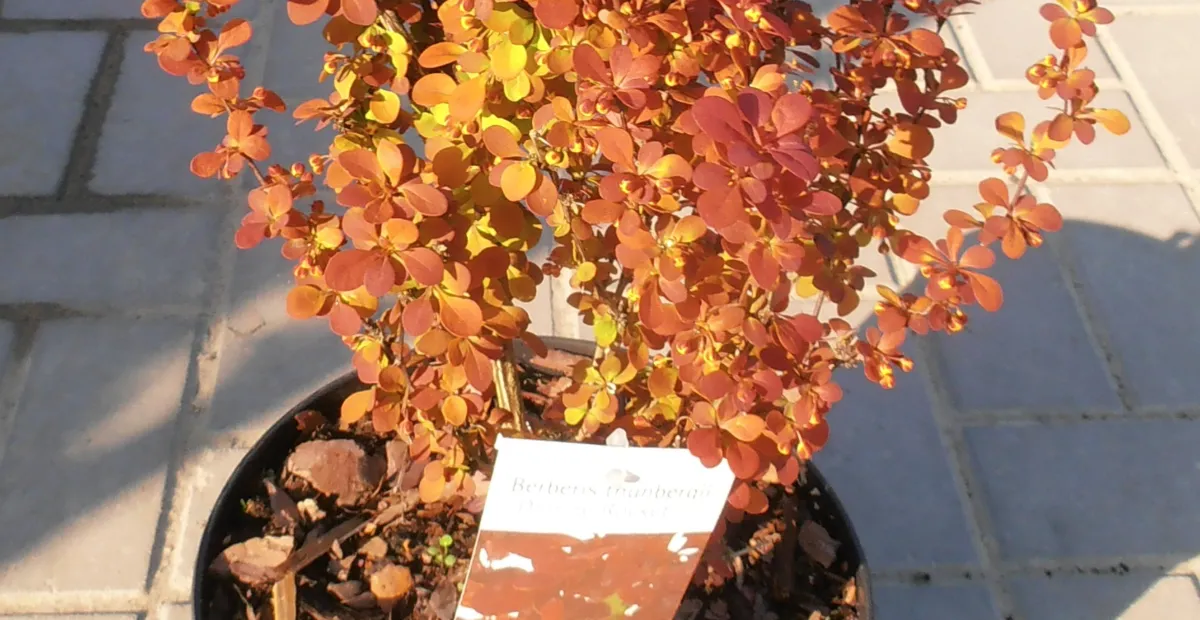
 Orange Rocket (Berberis thunbergii ‘Orange Rocket’) short overview
Berberis thunbergii ‘Orange Rocket’ is a deciduous barberry cultivar valued for its narrow, upright form and vivid coral-orange spring foliage. The leaves mature toward green during summer before developing ruby-red to red-orange tones in fall. Small, pale-yellow flowers may appear in late spring, followed by red berries when pollination and fruit set occur. It performs best in full sun, tolerates a range of well-drained soils, and is generally hardy in USDA Zones 5–9, although local restrictions on Japanese barberry should be checked before planting.
Taxonomic classification
Orange Rocket (Berberis thunbergii ‘Orange Rocket’) care guide
Light and placement
Give ‘Orange Rocket’ at least 6 hours of direct sun for the strongest orange and red foliage, ideally in an open east-, south- or west-facing position. It tolerates light afternoon shade, but dense shade can make the stems stretch and reduce color intensity. Scorched leaf edges, especially in hot reflected sites, indicate excessive heat or drought stress; pale, elongated growth usually indicates insufficient light.
Watering and humidity
Water deeply when the upper few inches of soil begin to dry, allowing excess water to drain away. During the first growing season, irrigate regularly to establish a broad root system; after establishment, reduce frequency and water during prolonged heat or drought. Avoid constantly wet soil. Humidity is normally not a special requirement in outdoor US gardens.
Soil and growing medium
Use ordinary garden soil amended only when drainage is poor. A loamy, sandy or clay-based soil is acceptable if it drains freely; avoid planting where water stands after rain. A slightly acidic to slightly alkaline reaction is tolerated. Mulch the root zone with a thin organic layer, keeping mulch away from the stems.
Feeding
If needed, apply a balanced slow-release shrub fertilizer in early spring as new growth begins, following the product label. Compost can be used as a light surface dressing. Do not overfeed late in the season, and do not fertilize drought-stressed, newly transplanted or obviously diseased plants until they recover.
Growth and habit
This cultivar develops a dense, upright, columnar framework rather than a broad, arching mound. Its compact vertical structure suits narrow beds and containers, but crowded interiors can retain humidity. Remove occasional crossing or weak stems to preserve airflow and the characteristic silhouette.
Planting and repotting
Plant in spring or fall in a hole no deeper than the root ball and about twice its width. Loosen circling roots, backfill with native soil, water thoroughly, and maintain a 2–3 inch mulch layer without touching the stems. Provide closer spacing for a continuous visual mass, but avoid crowding that restricts airflow.
For container culture, move the plant into a pot only one size larger when roots fill the existing container, preferably in early spring. Use a well-drained shrub or all-purpose potting mix and ensure generous drainage holes. Container plants need more frequent summer watering and may require extra winter root protection than plants in the ground.
Propagation and pruning
Propagation
The cultivar is maintained vegetatively, particularly by stem cuttings, because seed may not reproduce the named plant faithfully. Take semi-hardwood cuttings in summer, use a clean sterile medium with reliable drainage, and provide consistent moisture and high humidity until roots form. Propagation difficulty is moderate.
Pruning
Prune in late winter or early spring before new growth begins, removing dead, damaged, crossing or weak stems. Light shaping is usually sufficient; avoid shearing away the natural columnar structure. Wear thorn-resistant gloves and protective clothing. If renewal is needed, remove some of the oldest stems at ground level rather than cutting the entire shrub uniformly.
Overwintering
Plants in the ground generally overwinter outdoors in Zones 5–9. Water thoroughly before the ground freezes, maintain a light mulch layer, and protect young plants from drying winter winds. Containers expose roots to colder temperatures; move them to a sheltered location or insulate the pot without keeping the soil saturated.
Uses
Useful as a specimen, vertical accent, shrub-border plant, foundation planting, massed foliage display, barrier planting or container shrub. Its thorns can discourage passage, but they also require care around walkways and play areas. Because Japanese barberry is invasive in parts of the United States and may be regulated locally, confirm state and municipal rules before planting.
Appearance
The defining features are upright stems, small alternate leaves clustered on short shoots, and vivid coral-orange new growth that shifts through green and finishes red to ruby red in fall. Spines occur at the nodes, often beneath the foliage. The stems have yellow wood when cut, a characteristic associated with barberries.
Flowering
The flowers are small, pale yellow and commonly produced in late spring, with regional timing ranging from April into May in much of the United States. They hang in small clusters and may be partly concealed by the leaves. The flowers are not the principal ornamental feature of this cultivar, which is grown mainly for foliage color and form.
Pollination and visitors
Japanese barberry flowers are visited and pollinated by small and large bee species. The stamens respond to tactile contact by moving toward the stigma, a distinctive mechanism that transfers pollen during bee visits. Cultivar-specific visitation data for ‘Orange Rocket’ are limited, so its pollinator value should not be overstated.
Diseases and pests
Diseases
Potential problems include leaf spot, rust and root problems associated with poorly drained soil. Improve air circulation, avoid overhead irrigation, remove fallen diseased leaves, and water at the base. Prune out affected stems with disinfected tools. Persistent decline in wet soil is more likely to reflect root stress than a need for additional fertilizer.
Pests
Barberry may be affected by aphids, scale, mites or occasional caterpillars. Inspect new growth and leaf undersides regularly. Use a strong water spray for light aphid infestations, conserve beneficial insects, and reserve labeled horticultural treatments for confirmed, damaging populations. Avoid routine broad-spectrum insecticide use during bloom.
Related diseases and pests
Only Plant Doctor profiles whose host data indicate this plant may be affected are shown here.
 DiseaseStem Rust (Black Rust)Puccinia graminis
 DiseaseCoral Spot CankerNectria cinnabarina
 DiseaseEuropean brown rotMonilinia fructigena
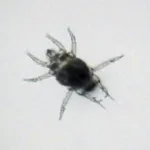 PestBroad mitePolyphagotarsonemus latus (Banks)
 DiseasePear Decline‘Candidatus Phytoplasma pyri’
 Environmental stressSalt stress
 Environmental stressHeat stress
 Environmental stressDrought stress
Toxicity and pollen
ASPCA lists Japanese barberry as potentially toxic to pets, with signs generally expected to be mild gastrointestinal upset. Human exposure information for this exact cultivar is limited; do not eat ornamental plant parts, and keep berries, leaves and stems away from children and pets. The thorns can also cause puncture injuries. Seek professional poison or veterinary advice after significant ingestion.
- Typical season
- Typically April–May in much of the United States
- Pollination / pollen
- Insect-carried pollen released from exposed stamens
This is an insect-pollinated shrub, so its pollen is not primarily dispersed by wind and is expected to contribute less to airborne pollen exposure than wind-pollinated trees and grasses. No strong, cultivar-specific airborne allergy evidence was located; sensitive individuals can still react to direct flower contact or nearby flowering material.
Native habitat
The species is native to Japan and occupies a range of temperate habitats, including woodland edges and disturbed sites. It tolerates varied soils, some shade, heat, drought and urban conditions, helping explain its persistence outside cultivation. In parts of the United States it can escape gardens and alter forest understories, so site-specific invasiveness is an important planting consideration.
Interesting fact
‘Orange Rocket’ was selected for unusual rust-orange foliage and introduced as a distinct cultivar. Its original description identifies an upright columnar habit and vegetative propagation by cuttings. Japanese barberry stamens move in response to touch from visiting bees. The species can provide berries and cover for wildlife while also behaving invasively in some US regions.
Frequently asked questions (FAQ)
The most relevant questions about this plant, with short and direct answers.
🌱Quick care
How much sunlight does Berberis thunbergii 'Orange Rocket' need?⌄
Berberis thunbergii 'Orange Rocket' grows best in full sun, with at least 6 hours of direct light daily. It tolerates partial shade, but its orange-red foliage may be less vivid and the plant may become less dense.
How often should I water Berberis thunbergii 'Orange Rocket'?⌄
Water Berberis thunbergii 'Orange Rocket' regularly during its first growing season, then reduce watering once it is established. Allow the soil to dry slightly between waterings because consistently wet soil can damage the roots.
What size does Berberis thunbergii 'Orange Rocket' get?⌄
Berberis thunbergii 'Orange Rocket' typically grows about 4–5 feet tall and 2–3 feet wide. Its naturally upright, columnar shape makes it useful in narrow foundation beds, borders, and containers.
Is Berberis thunbergii 'Orange Rocket' evergreen?⌄
No, Berberis thunbergii 'Orange Rocket' is a deciduous shrub that loses its leaves in winter. Its foliage emerges orange-red, matures toward reddish green, and often develops strong fall color before leaf drop.
🌤️Environment and placement
Can Berberis thunbergii 'Orange Rocket' grow in partial shade?⌄
Yes, Berberis thunbergii 'Orange Rocket' can grow in partial shade, especially in hot climates. Choose the brightest location available if vivid foliage color and a compact, upright habit are priorities.
What type of soil is best for Berberis thunbergii 'Orange Rocket'?⌄
The best soil for Berberis thunbergii 'Orange Rocket' is well-drained loam, sandy soil, clay amended for drainage, or average garden soil. Avoid locations that stay waterlogged after rain.
Can Berberis thunbergii 'Orange Rocket' tolerate clay soil?⌄
Yes, Berberis thunbergii 'Orange Rocket' can tolerate clay soil if excess water drains away. Improve heavy clay with organic matter and plant slightly high rather than leaving the root crown in a wet depression.
Is Berberis thunbergii 'Orange Rocket' drought tolerant?⌄
Berberis thunbergii 'Orange Rocket' becomes moderately drought tolerant after establishment. Water it during extended heat or drought, particularly if it is planted in a container or sandy soil.
Is Berberis thunbergii 'Orange Rocket' deer resistant?⌄
Berberis thunbergii 'Orange Rocket' is generally considered deer resistant because its spiny branches and foliage are unappealing to browsing deer. Deer resistance is not absolute, especially when other food is scarce.
Which USDA hardiness zones are suitable for Berberis thunbergii 'Orange Rocket'?⌄
Berberis thunbergii 'Orange Rocket' is generally suitable for USDA Zones 5–9. Winter protection may still help newly planted shrubs in exposed sites or during unusually severe cold.
Can Berberis thunbergii 'Orange Rocket' grow in a container?⌄
Yes, Berberis thunbergii 'Orange Rocket' can grow in a large container with drainage holes and well-drained potting mix. Container plants need more frequent watering and may require winter protection in colder parts of Zone 5.
💧Care and problems
Why is my Berberis thunbergii 'Orange Rocket' turning green?⌄
Some green in the foliage is normal, particularly as leaves mature or when the plant receives limited sunlight. Move or prune around the shrub only if needed to improve light, because full sun generally produces the strongest orange-red color.
Why are the leaves on my Berberis thunbergii 'Orange Rocket' turning brown?⌄
Brown leaves on Berberis thunbergii 'Orange Rocket' commonly indicate transplant stress, drought, heat scorch, root problems, or disease. Check soil moisture and drainage first, and remove damaged growth only after identifying whether the problem is continuing.
What pests affect Berberis thunbergii 'Orange Rocket'?⌄
Berberis thunbergii 'Orange Rocket' may be affected by aphids and berberis sawfly larvae. Inspect new growth and the undersides of leaves, then use a targeted treatment only if a pest is confirmed.
What diseases can affect Berberis thunbergii 'Orange Rocket'?⌄
Powdery mildew is one of the more common problems, especially where air circulation is poor or foliage stays humid. Avoid overhead watering, thin crowded growth, and remove heavily affected leaves.
Does Berberis thunbergii 'Orange Rocket' need fertilizer?⌄
Berberis thunbergii 'Orange Rocket' usually does not need regular fertilizer when planted in reasonably fertile soil. If growth is weak, test the soil before applying a balanced shrub fertilizer in spring.
How far apart should I plant Berberis thunbergii 'Orange Rocket'?⌄
Space Berberis thunbergii 'Orange Rocket' about 2–3 feet apart for a close row, or farther apart for individually defined shrubs. Allow additional room if you want the plants to retain their natural columnar outlines.
🪴Planting and repotting
When is the best time to plant Berberis thunbergii 'Orange Rocket'?⌄
The best planting times are spring and fall, when temperatures are moderate and soil moisture is easier to maintain. Avoid planting during frozen ground, extreme summer heat, or prolonged drought.
How do I plant Berberis thunbergii 'Orange Rocket'?⌄
Plant Berberis thunbergii 'Orange Rocket' at the same depth it grew in its nursery container, with the root crown level with or slightly above the soil surface. Backfill with native soil, water thoroughly, and apply a shallow layer of mulch without touching the stems.
Can I transplant an established Berberis thunbergii 'Orange Rocket'?⌄
Yes, an established Berberis thunbergii 'Orange Rocket' can be transplanted, preferably during dormancy or mild weather. Wear thick gloves, keep as much of the root ball intact as possible, and water consistently while it re-establishes.
✂️Propagation and pruning
How do I propagate Berberis thunbergii 'Orange Rocket'?⌄
Berberis thunbergii 'Orange Rocket' is commonly propagated from softwood or semi-hardwood cuttings. Use healthy, nonflowering shoots, rooting medium with good drainage, and consistent moisture while roots develop.
Can Berberis thunbergii 'Orange Rocket' be grown from seed?⌄
Growing Berberis thunbergii 'Orange Rocket' from seed is not recommended because seedlings may not retain the cultivar’s characteristic color and upright form. Cuttings are the more reliable method for producing plants true to the parent.
When should I prune Berberis thunbergii 'Orange Rocket'?⌄
Prune Berberis thunbergii 'Orange Rocket' in late winter or early spring before strong new growth, or lightly after flowering if shaping is needed. Avoid excessive shearing, which can spoil its naturally narrow form.
How do I prune Berberis thunbergii 'Orange Rocket'?⌄
Remove dead, damaged, crossing, or overly crowded branches first, then shorten selected shoots to maintain the desired shape. Wear sturdy gloves and long sleeves because the branches have sharp thorns.
Does Berberis thunbergii 'Orange Rocket' flower?⌄
Yes, Berberis thunbergii 'Orange Rocket' produces small yellow flowers in spring, usually in limited numbers compared with its ornamental foliage. The flowers may be followed by decorative berries, depending on pollination and local conditions.
⚠️Toxicity and safety
Is Berberis thunbergii 'Orange Rocket' poisonous to people?⌄
Berberis thunbergii 'Orange Rocket' is potentially toxic if plant parts are eaten and may cause mild stomach upset. Keep children and pets from chewing the plant or its berries, and wear gloves when handling the thorny branches.
Does Berberis thunbergii 'Orange Rocket' have thorns?⌄
Yes, Berberis thunbergii 'Orange Rocket' has sharp thorns along its branches. Position it away from narrow walkways and wear protective gloves when planting, pruning, or transplanting.
Is Berberis thunbergii 'Orange Rocket' invasive in the United States?⌄
Berberis thunbergii is invasive or restricted in some parts of the United States, particularly in regions where Japanese barberry can spread into natural areas. The invasive behavior of individual cultivars, including 'Orange Rocket', may vary and is not equally documented everywhere, so check your state or local restrictions before planting.
Similar plants
 Azure Monkshood (Aconitum carmichaelii) care guideAconitum carmichaelii
 Monkshood (Aconitum ‘Stainless Steel’)Aconitum 'Stainless Steel'
 Monkshood (Aconitum ‘Bressingham Spire’)Aconitum 'Bressingham Spire'
 Golden full moon maple (Acer shirasawanum ‘Aureum’)Acer shirasawanum 'Aureum'
 Globosum (Acer platanoides ‘Globosum’)Acer platanoides 'Globosum'
 Striped maple (Acer pensylvanicum) care guideAcer pensylvanicum