
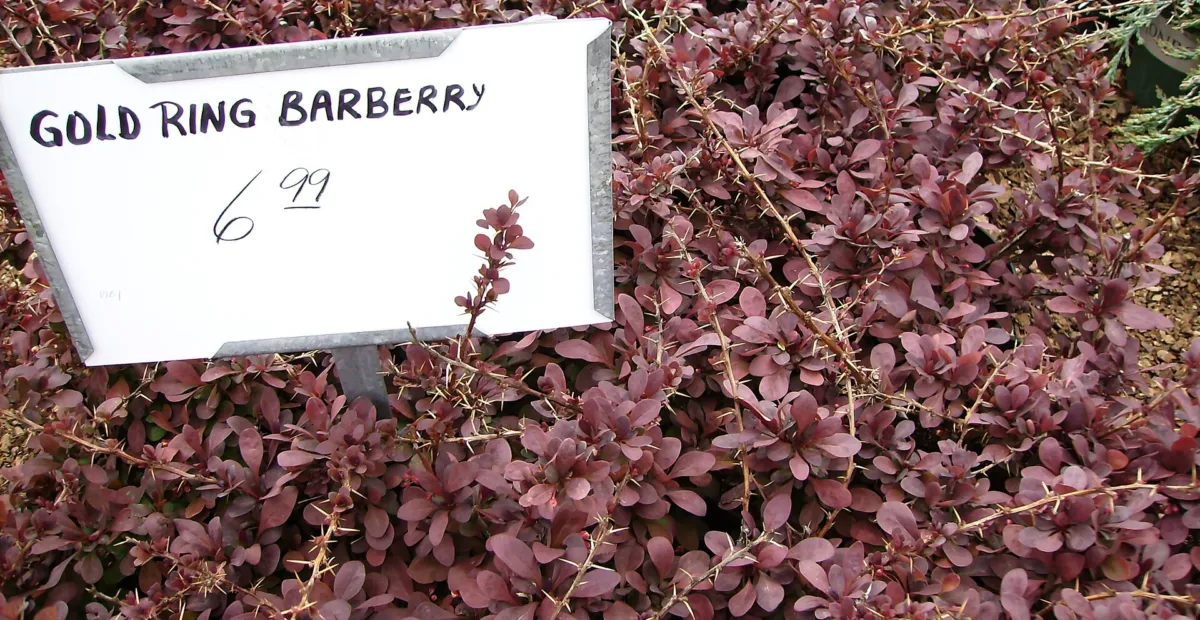
 Source:
 Golden Ring barberry (Berberis thunbergii ‘Golden Ring’) short overview
Berberis thunbergii 'Golden Ring' is a deciduous Japanese barberry cultivar grown for its dark reddish-purple leaves edged with a narrow golden margin. This compact, rounded shrub bears small pale-yellow flowers in spring, followed by glossy red berries that may persist into winter. It is adaptable to sun, drought, clay, and urban conditions, but its thorns and the invasive potential of Japanese barberry require careful placement and local regulation checks.
Taxonomic classification
Golden Ring barberry (Berberis thunbergii ‘Golden Ring’) care guide
Light and placement
Plant in full sun for the strongest purple foliage and clearest golden leaf margins; a south- or west-facing position is suitable where summer heat is not extreme. It tolerates partial shade, but leaves may become greener and less vividly marked. Sparse, weak growth can indicate inadequate light, while scorched margins may reflect intense reflected heat, drought, or root-zone dryness rather than simple sun exposure.
Watering and humidity
Water deeply when the upper few inches of soil become dry during the first growing season, allowing excess water to drain away. Once established, it usually manages with rainfall and occasional irrigation, although prolonged summer drought can reduce vigor and berry display. Avoid frequent shallow watering and do not keep the root zone saturated. Humidity generally needs no special management outdoors.
Soil and growing medium
Use ordinary garden soil amended only when necessary to improve structure. The essential requirement is reliable drainage; heavy clay is tolerated if it does not remain waterlogged. A loam or clay-loam with moderate organic matter is suitable. Slightly acidic through slightly alkaline soil is generally acceptable, and routine pH correction is unnecessary unless a soil test shows a serious imbalance.
Feeding
Feed in early spring with a modest, balanced slow-release fertilizer or a thin layer of finished compost around the root zone. Avoid piling fertilizer against stems and avoid high-nitrogen applications that produce soft, overly leafy growth. Do not fertilize drought-stressed, newly transplanted, or dormant plants; water normally first and resume feeding only after active growth is established.
Growth and habit
This cultivar forms a dense, rounded to broadly mounded shrub with somewhat arching branches and slow to moderate establishment. Branches can root where they touch the ground, and berries may be dispersed by birds, so unwanted spread should be monitored. Its dense thorny structure can make an effective barrier, but it also traps windblown debris and complicates pruning.
Planting and repotting
Plant at the same depth as in the nursery container, keeping the crown and main stems above the surrounding soil. Space plants about 3–5 feet apart for a continuous informal barrier, or give wider spacing for individual rounded specimens. Water deeply after planting and maintain consistent moisture through the first growing season while roots establish.
For container culture, repot in early spring when roots fill the container, moving up only one pot size. Use a sturdy container and a well-drained shrub mix, and protect hands and arms from thorns during handling. Container plants dry and freeze more quickly than plants in the ground, so monitor moisture and winter root protection closely.
Propagation and pruning
Propagation
Semi-ripe or hardwood cuttings are the most practical method for preserving the cultivar's foliage pattern, although rooting can be moderate rather than guaranteed. Take cuttings during active growth or after leaf drop, use a clean free-draining medium, and maintain even moisture without saturation. Layering may also work where a low branch contacts soil. Seed is not recommended for maintaining cultivar characteristics.
Pruning
Prune in late winter or immediately after flowering, using gloves and eye protection because the stems are thorny. Remove dead, damaged, crossing, or inward-growing branches first. Thin older stems at the base to preserve airflow and renew the shrub, and shorten overly long branches just above an outward-facing bud. Avoid shearing into a rigid box unless a formal hedge is specifically intended.
Overwintering
Plants in USDA Zones 4–8 generally overwinter outdoors when established. Water thoroughly before the ground freezes if autumn is dry, then apply a light mulch over the root zone without covering stems. Container specimens need extra insulation around the pot and protection from drying winter winds. Do not bring established landscape plants indoors for winter.
Uses
Useful as a foliage accent, informal hedge, barrier planting, foundation shrub, border grouping, or specimen for small landscapes. Its thorns provide defensive structure, while berries can be used by birds. Because Japanese barberry is invasive in parts of the United States and may be restricted locally, check state and municipal rules and avoid planting near natural areas where spread is a concern.
Appearance
Leaves are small, rounded to obovate, and dark reddish-purple, each outlined by a narrow yellow to golden-green margin. Young stems are reddish to red-brown and carry solitary or divided spines at the nodes. The shrub is deciduous, with foliage often shifting toward vivid red or wine tones in fall. Glossy red to dark red berries remain conspicuous after leaf drop.
Flowering
Small pale-yellow flowers hang singly or in short clusters along the previous season's stems in spring. They are visually subordinate to the foliage and are often described as insignificant in landscape displays, but they are followed by showy glossy red berries that can persist into fall and winter.
Pollination and visitors
The available cultivar-specific references confirm spring flowers but do not provide sufficiently specific, reliable documentation for naming a principal animal pollinator or visitor group for this exact cultivar. Do not treat its presence in a wildlife-friendly garden as proof of strong pollinator value.
Berberis thunbergii 'Golden Ring' photos
Click any photo for a larger view. Source, author and license are shown separately.
Diseases and pests
Diseases
Potential problems include bacterial leaf spot, anthracnose, wilt, and root rots, especially where foliage stays wet or soil drains poorly. Improve air circulation, water at the base, remove infected fallen leaves, and sanitize pruning tools. Correct drainage before using treatments; chemical control is rarely justified for minor cosmetic symptoms.
Pests
Aphids, scale, and barberry webworm may occur. Inspect young shoots and leaf undersides, particularly during spring growth. Start with pruning of heavily affected tips, a strong water spray, or horticultural oil or insecticidal soap when appropriate and label-approved. Avoid broad-spectrum insecticides during bloom and use proportionate control for localized infestations.
Related diseases and pests
Only Plant Doctor profiles whose host data indicate this plant may be affected are shown here.
 DiseaseStem Rust (Black Rust)Puccinia graminis
 DiseaseCoral Spot CankerNectria cinnabarina
 DiseaseEuropean brown rotMonilinia fructigena
 DiseaseAnthracnoseColletotrichum gloeosporioides
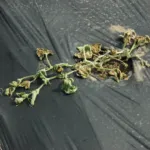 DiseaseBacterial WiltRalstonia solanacearum species complex
 DiseaseWalnut AnthracnoseOphiognomonia leptostyla
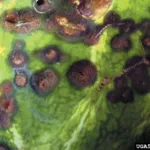 DiseaseCucurbit AnthracnoseColletotrichum orbiculare
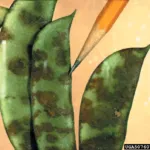 DiseaseBean AnthracnoseColletotrichum lindemuthianum
Toxicity and pollen
Reliable U.S. references located for this cultivar do not establish a clear human or pet toxicity classification. The plant has sharp spines that can cause puncture injuries, and ingestion of unfamiliar plant material should be avoided. Do not treat the berries as food without authoritative species-specific guidance; contact Poison Control or a veterinarian after a concerning ingestion.
- Typical season
- Spring, mainly March–May depending on region
- Pollination / pollen
- Insect-released pollen from spring flowers
This is an insect-pollinated shrub with small spring flowers, so its pollen is not typically released in large windborne clouds like wind-pollinated trees and grasses. A low rating is a practical general estimate rather than a cultivar-specific allergy study; sensitive people may still react to any ornamental pollen or to nearby seasonal pollen sources.
Native habitat
The species is native to Japan and occurs in temperate habitats, where it tolerates a broad range of soils and exposed conditions. In cultivation it performs best in well-drained sites with sun, but it also tolerates clay, drought, heat, urban stress, and some shade. In parts of the United States, escaped Japanese barberry can form dense stands in woodland edges and other disturbed habitats.
Interesting fact
The cultivar name refers to the thin golden margin that appears to ring each dark leaf. 'Golden Ring' has been associated with more than one similar propagated seedling, so the name may not represent a strictly uniform clone in all commerce. Birds eat the red berries and can disperse seed. The species was introduced to the United States as an ornamental and is invasive in some regions.
Frequently asked questions (FAQ)
The most relevant questions about this plant, with short and direct answers.
🌱Quick care
How do you care for Berberis thunbergii 'Golden Ring'?⌄
Grow Berberis thunbergii 'Golden Ring' in full sun to partial shade, well-drained soil, and water when the soil is dry. It is a low-maintenance, drought-tolerant shrub once established, but performs best with more sun.
How large does Golden Ring barberry get?⌄
Golden Ring barberry typically matures about 3 to 4 feet tall and wide, although size can vary with climate, pruning, and plant source. It forms a dense, rounded mound with thorny branches.
🌤️Environment and placement
How much sun does Golden Ring barberry need?⌄
Golden Ring barberry grows in full sun to partial shade, but full sun produces the strongest purple-and-gold foliage, flowering, and fruiting. Provide at least 6 hours of direct sun when possible.
Can Golden Ring barberry grow in shade?⌄
Yes, Berberis thunbergii 'Golden Ring' tolerates partial shade, but its foliage color and fruit production may be less vivid. Avoid dense shade if you want the best golden leaf margins.
What USDA hardiness zones are suitable for Golden Ring barberry?⌄
Golden Ring barberry is generally hardy in USDA Zones 4 through 8. Local exposure, winter wind, snow cover, and cultivar source can affect performance near the limits of that range.
Does Golden Ring barberry make a good hedge?⌄
Yes, its dense, rounded growth and sharp spines make Golden Ring barberry useful as a barrier or informal hedge. Check local regulations first because Japanese barberry cultivars are restricted or discouraged in some U.S. states.
Can deer eat Golden Ring barberry?⌄
Deer generally avoid established Japanese barberry because of its sharp spines, although no plant is completely deer-proof. Young shoots may still receive occasional browsing under high pressure.
💧Care and problems
How often should you water Golden Ring barberry?⌄
Water Golden Ring barberry regularly during its first growing season, then reduce watering once the roots are established. Established plants usually need water only during prolonged heat or drought.
Does Golden Ring barberry tolerate drought?⌄
Yes, established Golden Ring barberry tolerates drought and dry soil. Water deeply during extended drought, especially if the shrub is young, recently transplanted, or growing in sandy soil.
Does Golden Ring barberry need fertilizer?⌄
Golden Ring barberry usually does not need routine fertilizer when planted in reasonably fertile soil. If growth is weak, test the soil before applying a balanced fertilizer in spring.
Why is my Golden Ring barberry losing its purple-and-gold color?⌄
Insufficient sunlight is the most common reason Golden Ring barberry develops less intense foliage color. Excess nitrogen, seasonal aging, drought stress, and natural variation can also reduce the contrast between the purple leaves and golden margins.
What pests affect Golden Ring barberry?⌄
Golden Ring barberry can be affected by aphids, scale, barberry webworm, and other occasional insect pests. Inspect new growth and leaf undersides, and improve plant vigor with proper sunlight, drainage, and watering.
What diseases affect Berberis thunbergii 'Golden Ring'?⌄
Possible problems include bacterial leaf spot, anthracnose, wilt, and root rot. Good air circulation, well-drained soil, careful watering, and removal of infected debris help reduce disease pressure.
🪴Planting and repotting
What soil is best for Berberis thunbergii 'Golden Ring'?⌄
Use well-drained loam or clay soil for Berberis thunbergii 'Golden Ring'. It tolerates average, dry, and moderately poor soils, but poorly drained or persistently wet soil can cause root problems.
Can Golden Ring barberry grow in clay soil?⌄
Yes, Golden Ring barberry can tolerate clay soil if drainage is adequate. Improve compacted sites with organic matter and avoid planting where water remains around the roots after rain.
When should you plant Golden Ring barberry?⌄
Plant Golden Ring barberry in spring or fall when temperatures are moderate and the soil can be worked. Fall planting gives roots time to establish before summer heat, while spring planting is useful in colder regions.
How far apart should Golden Ring barberry be planted?⌄
For individual shrubs, space Golden Ring barberry about 3 to 4 feet apart based on the intended mature width. For a denser hedge, plants can be placed somewhat closer, but allow enough room for airflow and maintenance.
✂️Propagation and pruning
When should Golden Ring barberry be pruned?⌄
Prune Golden Ring barberry after flowering or during dormancy to shape it and remove damaged wood. Avoid heavy pruning in late summer if you want to preserve fall berries.
How do you prune Berberis thunbergii 'Golden Ring'?⌄
Remove dead, damaged, crossing, or overly long branches and selectively thin crowded growth. Wear thick gloves and eye protection because the stems have sharp spines.
Can Golden Ring barberry be propagated from cuttings?⌄
Yes, Berberis thunbergii 'Golden Ring' can be propagated from stem cuttings, although results may vary because cultivar identity and rooting success are not always consistent. Use healthy, nonflowering shoots and maintain evenly moist rooting media.
Can Golden Ring barberry be grown from seed?⌄
It can produce viable seed, but seedlings may not reproduce the parent plant's exact purple foliage, golden margins, or growth habit. Cuttings are preferable when maintaining the named cultivar is important.
⚠️Toxicity and safety
Is Golden Ring barberry invasive in the United States?⌄
Golden Ring barberry can be invasive in parts of the United States because it produces berries and can spread by seed or rooting branches. It is specifically regulated in some states, including Wisconsin, so verify local rules before planting.
Is Golden Ring barberry poisonous to people or pets?⌄
Cultivar-specific toxicity evidence for Berberis thunbergii 'Golden Ring' is insufficient to confirm that it is safe to eat. Treat the berries as ornamental, do not consume them, and prevent children and pets from chewing the plant.
Are Golden Ring barberry thorns dangerous?⌄
Golden Ring barberry has sharp spines that can puncture skin and make handling difficult. Plant it away from walkways and play areas, and use protective gloves when pruning or removing it.
🌸Flowering and special interest
Does Golden Ring barberry produce berries?⌄
Yes, Golden Ring barberry produces glossy red berries in fall that may persist into winter. Birds can eat and disperse the fruit, which is one reason the cultivar may contribute to Japanese barberry spread.
When does Golden Ring barberry flower?⌄
Golden Ring barberry usually flowers in spring, commonly around March or April in milder U.S. regions and later in colder areas. The small pale-yellow flowers are ornamental but not especially showy.
Are Golden Ring barberry flowers attractive to pollinators?⌄
The small yellow flowers may be visited by insects, but Golden Ring barberry is generally grown for its foliage, compact form, and berries rather than for major pollinator value. Flowering is usually brief.
Similar plants
 Azure Monkshood (Aconitum carmichaelii) care guideAconitum carmichaelii
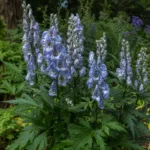 Monkshood (Aconitum ‘Stainless Steel’)Aconitum 'Stainless Steel'
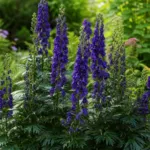 Monkshood (Aconitum ‘Bressingham Spire’)Aconitum 'Bressingham Spire'
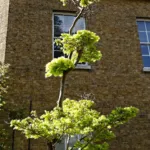 Golden full moon maple (Acer shirasawanum ‘Aureum’)Acer shirasawanum 'Aureum'
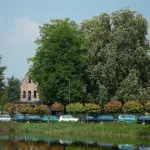 Globosum (Acer platanoides ‘Globosum’)Acer platanoides 'Globosum'
 Striped maple (Acer pensylvanicum) care guideAcer pensylvanicum