
 Source:
 Wintergreen barberry (Berberis julianae) short overview
Wintergreen barberry is a dense, evergreen shrub from central China, valued in U.S. gardens for glossy, sharply toothed foliage, yellow spring flower clusters, blue-black fruit, and formidable three-parted spines. It grows quickly into a substantial hedge or barrier plant, tolerates urban conditions and moderate drought once established, and is hardy across much of USDA Zones 6–8. Site it away from paths and play areas because the thorns are exceptionally sharp.
Taxonomic classification
Wintergreen barberry (Berberis julianae) care guide
Light and placement
Plant in full sun for the densest growth, strongest flowering, and best hedge form; light shifting shade is also tolerated. An east-, south-, or west-facing site is suitable in the United States. Sparse growth and fewer flowers usually indicate insufficient light, while winter leaf bronzing can be normal rather than a sign of sun injury.
Watering and humidity
Water deeply after planting whenever the upper few inches of soil begin to dry, keeping the root zone evenly moist during the first growing season. Once established, reduce frequency and water during prolonged summer drought. Avoid constantly wet ground, which is the main soil limitation. Mulch around, but not against, the stems.
Soil and growing medium
Use fertile, well-drained soil that holds moderate moisture without becoming waterlogged. The species tolerates loam, clay, and sand, and accepts acidic through slightly alkaline conditions. Improve compact clay with organic matter and drainage rather than creating a sharply different planting pocket. Avoid permanently saturated sites.
Feeding
If growth is vigorous and foliage is healthy, routine fertilizer is usually unnecessary. In poor soil, apply a balanced, slow-release shrub fertilizer in early spring according to the product label, or top-dress with compost. Do not feed during drought, immediately after severe root damage, or late in the growing season when soft new growth would be vulnerable to cold.
Growth and habit
This shrub grows rapidly and develops a dense, multi-stemmed thicket. It begins fairly upright and becomes more rounded with age. Interior stems can become crowded with both living and dead wood, so periodic thinning is more useful than repeatedly shearing the outer surface. Its dense, spiny structure makes it effective as a physical barrier.
Planting and repotting
Plant after hard freezes in spring or during cool fall weather, keeping the root flare at grade. Space plants 3–5 feet apart for a dense hedge, farther apart for individual shrubs. Water thoroughly at planting and through the first growing season. Wear gloves and keep the plant away from paths, patios, and children’s play areas.
Container plants should be moved into a slightly larger pot when roots fill the existing container, preferably in spring. Use a sturdy, well-drained shrub mix and protect hands from the thorns. Because this is a large, fast-growing shrub, containers are best for temporary display or young plants rather than long-term culture.
Propagation and pruning
Propagation
Propagate from seed or semi-hardwood stem cuttings. Sow cleaned seed when fresh or provide appropriate pretreatment if stored. Semi-hardwood cuttings are generally rooted under mist during the growing season. Cuttings require clean material, a free-draining medium, and consistent moisture; success is moderate rather than guaranteed.
Pruning
Prune after flowering or as needed for shape, using heavy gloves and long sleeves because the spines are sharp. Remove dead, damaged, or crossing stems and thin crowded interior wood to improve light and air movement. Avoid relying only on hard shearing, which can preserve a congested center. Remove unwanted basal shoots if the plant is spreading.
Overwintering
Outdoor plants in Zones 6–8 generally overwinter without special protection once established. Mulch the root zone after the ground cools, especially for new plantings, but keep mulch away from stems. In colder or exposed sites, protect young shrubs from drying winter wind with temporary screening. Container roots are more vulnerable than roots in the ground.
Uses
Useful as a dense privacy screen, security hedge, barrier planting, foundation shrub, or structural component of a mixed border. Its flowers and persistent fruit provide seasonal wildlife interest, while the spines discourage deer and human passage. Because it can escape cultivation in some regions, check local invasive-plant guidance before planting near natural areas.
Appearance
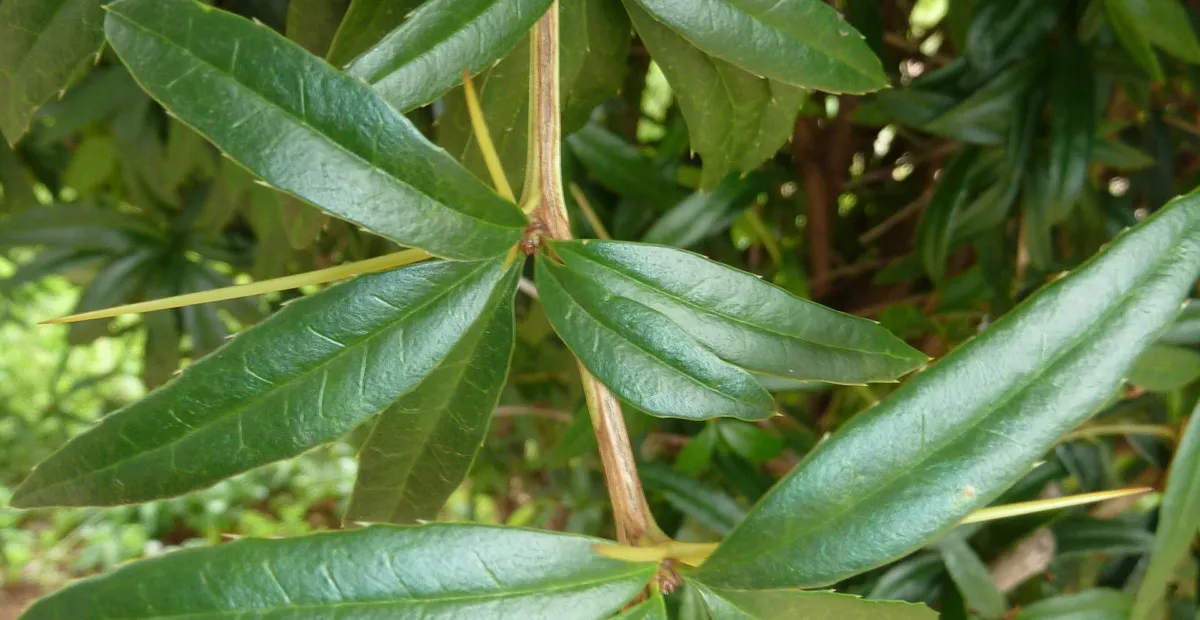
Identification features include glossy evergreen leaves clustered on short shoots, narrow lance-shaped blades with sharply spiny margins, angled yellowish young stems, and three-parted spines at the nodes. Small yellow flowers are followed by oval blue-black berries with a visible waxy bloom and persistent style. Winter foliage may turn wine-red or purplish bronze.
Flowering
Small lemon-yellow flowers appear in spring in hanging clusters, with individual flowers borne on slender stalks. Clusters may contain numerous flowers, and bloom is generally brief, lasting roughly one to two weeks. Fragrance is usually mild but can occasionally be unpleasant. Flowers are followed by blue-black, wax-coated berries.
Pollination and visitors
The spring flowers are visited by bees; horticultural documentation also records the fruit as attracting birds and the plant as attracting pollinators generally. A consistently documented, species-level pollinator was not established in the sources reviewed, so the visitor record is kept at group level.
Berberis julianae photos
Click any photo for a larger view. Source, author and license are shown separately.
Diseases and pests
Diseases
No major disease problems are consistently reported for this species. Prevent stress by providing drainage, avoiding chronic overwatering, spacing hedges for airflow, and sanitizing pruning tools. Investigate persistent leaf discoloration or dieback for site, root, or winter injury before applying treatment.
Pests
Serious pest damage is not usually reported. Inspect new growth and leaf undersides for scale, aphids, or mites, especially on drought-stressed plants. Improve watering and plant vigor first; use a forceful water spray or a labeled horticultural oil or insecticidal soap only when a pest is identified and treatment is justified.
Related diseases and pests
Only Plant Doctor profiles whose host data indicate this plant may be affected are shown here.
 DiseaseStem Rust (Black Rust)Puccinia graminis
 DiseaseCoral Spot CankerNectria cinnabarina
 DiseaseEuropean brown rotMonilinia fructigena
 Environmental stressOverwatering
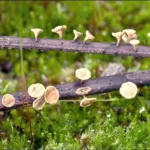 DiseaseAsh diebackHymenoscyphus fraxineus
 Environmental stressSalt stress
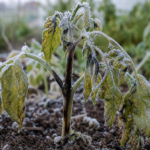 Environmental stressFreeze injury
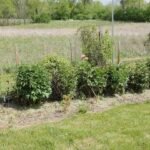 Environmental stressFrost injury
Toxicity and pollen
Extension guidance classifies this species as having low-severity poison characteristics. The evidence reviewed does not support treating the berries or other plant parts as food, and the sharp spines create a separate physical-injury risk. Do not allow children or pets to chew plant material; seek medical or veterinary advice after ingestion, particularly if symptoms occur.
- Typical season
- Spring flowering period
- Pollination / pollen
- Insect-borne pollen; not documented as a major airborne pollen source
This is an insect-pollinated flowering shrub, and available horticultural sources do not identify it as a major airborne-pollen source. However, insect pollination does not prove zero allergy risk, and species-specific aerobiological data were not located. People with strong pollen sensitivity should avoid handling flowers closely during bloom if symptoms occur.
Native habitat
The species is native to temperate regions of central China, where it grows as a woody shrub in climates with cool winters and seasonal moisture. In cultivation it tolerates a broad range of mineral soils but performs best in fertile, well-drained ground. It is limited by waterlogged conditions and can persist in disturbed or urban landscapes.
Interesting fact
The species was introduced into British cultivation around 1900. Its stems commonly bear three stout spines at each node. The blue-black fruit has a conspicuous waxy bloom and persistent terminal style. Plants sold under this name have sometimes been confused with Berberis manipurana or other related barberries.
Frequently asked questions (FAQ)
The most relevant questions about this plant, with short and direct answers.
🌱Quick care
What is wintergreen barberry?⌄
Wintergreen barberry is the evergreen shrub Berberis julianae, a dense, thorny plant from central China that is commonly grown as a hedge, screen, barrier, or foundation shrub.
How big does wintergreen barberry get?⌄
Wintergreen barberry typically grows 6–10 feet tall and 4–8 feet wide, although compact cultivars can remain smaller. Give it enough room to develop without crowding paths or buildings.
Is wintergreen barberry evergreen?⌄
Yes, wintergreen barberry is generally evergreen in USDA Zones 6a–8b. Its foliage may turn wine-red or purplish-bronze during cold weather, especially in colder or exposed locations.
How fast does wintergreen barberry grow?⌄
Wintergreen barberry is a relatively fast-growing shrub once established. Growth is strongest in full sun with adequate moisture and well-drained soil.
🌤️Environment and placement
What light does wintergreen barberry need?⌄
Plant wintergreen barberry in full sun to partial shade. Full sun usually produces denser growth and better flowering, while light shade is tolerated.
What soil is best for wintergreen barberry?⌄
Wintergreen barberry grows in well-drained loam, clay, or sandy soil and performs best when the soil is not waterlogged. It is adaptable, but rich, moderately moist soil supports the strongest growth.
What USDA hardiness zones can grow wintergreen barberry?⌄
Wintergreen barberry is hardy in USDA Zones 6a–8b. Winter injury is more likely in exposed sites near the colder edge of its range.
Is wintergreen barberry drought tolerant?⌄
Yes, wintergreen barberry is drought tolerant once established. Water it regularly during its first growing season and during prolonged heat or drought.
Is wintergreen barberry salt tolerant?⌄
Wintergreen barberry has useful tolerance of salt and urban conditions, making it suitable for some roadside or coastal landscapes. Avoid planting it where drainage is poor.
Where should I plant wintergreen barberry?⌄
Plant wintergreen barberry where its dense, thorny growth is useful, such as a property boundary or security hedge. Keep it away from walkways, patios, entrances, and children’s play areas.
💧Care and problems
How often should I water wintergreen barberry?⌄
Water wintergreen barberry when the soil begins to dry, especially during establishment and extended summer drought. Once mature, it usually needs only occasional deep watering.
Does wintergreen barberry need fertilizer?⌄
Wintergreen barberry usually needs little fertilizer when grown in reasonably fertile soil. If growth is weak, apply a balanced slow-release fertilizer in spring according to the product label.
What problems commonly affect wintergreen barberry?⌄
Wintergreen barberry has no major pest or disease problems commonly reported in extension references. Poor drainage, overcrowding, and winter damage are more likely to cause trouble than routine insect infestations.
Why is my wintergreen barberry losing leaves?⌄
Leaf loss can result from winter injury, drought, root stress, or waterlogged soil. Check the stems for living tissue, improve drainage if needed, and remove only clearly dead growth.
How do I safely handle wintergreen barberry?⌄
Wear heavy gloves, long sleeves, and eye protection when handling wintergreen barberry because its stems and leaves are sharply spiny. Use caution when collecting cut branches or working inside the shrub.
🪴Planting and repotting
When is the best time to plant wintergreen barberry?⌄
Plant wintergreen barberry in spring or fall when temperatures are moderate and the soil can be worked. In mild parts of its range, container-grown plants may be planted during much of the year with proper watering.
How far apart should wintergreen barberry be planted for a hedge?⌄
For a dense hedge, space wintergreen barberry about 4–6 feet apart, depending on the mature width of the cultivar and how quickly you want the plants to fill in. Wider spacing reduces crowding and maintenance.
Can wintergreen barberry grow in clay soil?⌄
Yes, wintergreen barberry can grow in clay soil if excess water drains away. Amend the planting area only as needed and avoid creating a sharply different soil pocket around the roots.
Can wintergreen barberry be grown in a container?⌄
Young wintergreen barberry can be grown in a large container with drainage holes and a well-drained potting mix. Because the species becomes a large shrub, container growing requires periodic root-space management or eventual planting in the ground.
✂️Propagation and pruning
How do you propagate wintergreen barberry from cuttings?⌄
Propagate wintergreen barberry from semi-hardwood cuttings taken during the growing season and rooted under consistently moist, humid conditions. Rooting hormone and a sterile, well-drained medium can improve results.
Can wintergreen barberry be grown from seed?⌄
Yes, wintergreen barberry can be propagated from seed, although seed-grown plants may be slower and less uniform than cuttings. Clean ripe seed and use appropriate cold-moist stratification if germination is poor.
When should wintergreen barberry be pruned?⌄
Prune wintergreen barberry in late winter or early spring before active growth begins, removing dead, damaged, or crossing stems first. Light thinning is usually preferable to frequent shearing.
How do I prune an overgrown wintergreen barberry?⌄
Thin older stems at the base to open the dense center and remove dead wood. For a severely overgrown plant, hard renewal pruning may work, but it creates a thorny handling challenge and can temporarily reduce its appearance.
⚠️Toxicity and safety
Is wintergreen barberry poisonous?⌄
Wintergreen barberry has low-severity poisonous characteristics, so do not intentionally eat its berries, leaves, or other plant parts. Keep fallen fruit and pruned material away from children and pets, and contact a poison center or veterinarian if ingestion occurs.
Is wintergreen barberry invasive in the United States?⌄
Wintergreen barberry is not uniformly regulated nationwide, but it has escaped cultivation in some areas and is listed or monitored in parts of the United States. Check your state and county invasive-plant guidance before planting or allowing berries to spread.
Is wintergreen barberry deer resistant?⌄
Wintergreen barberry is generally resistant to deer browsing because of its dense, sharply spined stems and leaves. Deer resistance is not absolute, particularly when other food is scarce.
Is wintergreen barberry a good plant for a home with children or pets?⌄
Wintergreen barberry is usually a poor choice next to play areas because of its sharp spines and low-severity poisonous characteristics. If grown in a family landscape, place it well away from regular traffic and supervise children and pets around fallen fruit.
🌸Flowering and special interest
When does wintergreen barberry bloom?⌄
Wintergreen barberry usually blooms in spring. Its small, fragrant yellow flowers appear in clusters along the branches.
Does wintergreen barberry produce berries?⌄
Yes, wintergreen barberry produces purplish-black berries after flowering. Fruit production can vary with flowering conditions, pollination, plant age, and local weather.
Do bees visit wintergreen barberry flowers?⌄
The spring flowers can attract bees and other flower-visiting insects. Its value for pollinators is secondary to its primary landscape use as a dense, thorny structural shrub.
Similar plants
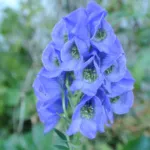 Azure Monkshood (Aconitum carmichaelii) care guideAconitum carmichaelii
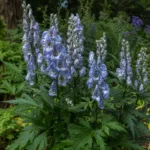 Monkshood (Aconitum ‘Stainless Steel’)Aconitum 'Stainless Steel'
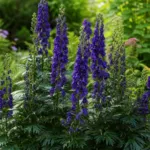 Monkshood (Aconitum ‘Bressingham Spire’)Aconitum 'Bressingham Spire'
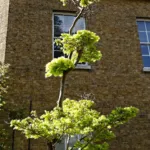 Golden full moon maple (Acer shirasawanum ‘Aureum’)Acer shirasawanum 'Aureum'
 Globosum (Acer platanoides ‘Globosum’)Acer platanoides 'Globosum'
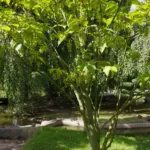 Striped maple (Acer pensylvanicum) care guideAcer pensylvanicum