
 Source:
 Garden aster (Aster amellus) short overview
Garden aster is a clump-forming herbaceous perennial with hairy stems, narrow mid-green leaves, and violet-blue to lilac flowerheads surrounding yellow centers. Native from Europe through western Siberia and the Caucasus, it prefers an open, sunny position and sharply drained soil. Its late-summer to autumn display suits perennial borders, cottage gardens, containers, and cut-flower plantings, while the open flowerheads provide accessible resources for insect visitors.
Taxonomic classification
Garden aster (Aster amellus) care guide
Light and placement
Plant in full sun, ideally in an open bed with at least 6 hours of direct light and good air movement. East-, south-, or west-facing positions are suitable. Insufficient light can produce weak, stretched stems and fewer flowerheads; excessive heat is usually tolerated if roots remain evenly watered, but reflected heat and drought can shorten flowering.
Watering and humidity
Water deeply when the upper 1–2 inches of soil become dry during establishment and summer flowering. After rooting in, keep moisture moderate but avoid constant saturation. Reduce irrigation in cool fall weather and during dormancy, while increasing frequency during prolonged heat or drought. Water at the soil line to help keep foliage dry.
Soil and growing medium
Use fertile but sharply drained soil that does not remain waterlogged in winter. Loam, sand, clay, and chalk can work when structure is improved with organic matter and drainage is adequate. The species tolerates a broad pH range, with neutral to mildly alkaline, calcareous soil especially compatible with its natural ecology.
Feeding
In spring, top-dress established plants with compost or apply a balanced, slow-release perennial fertilizer at label rates. Avoid heavy nitrogen feeding, which can encourage soft leafy growth and reduce stem strength or flowering. Do not fertilize drought-stressed, newly divided, or dormant plants until active growth resumes.
Growth and habit
This perennial forms a steadily enlarging clump rather than a running groundcover. Upright or slightly arching stems carry flowerheads in loose terminal clusters. Divide congested clumps in spring to maintain vigor, improve air circulation, and limit loss of flowering in the center.
Planting and repotting
Plant after the soil can be worked in spring, or several weeks before the ground freezes in fall. Set the crown at soil level and water thoroughly. Space plants to allow mature clumps to expand without crowding. Mulch lightly after planting, keeping mulch away from stems and crowns.
Container plants should be moved into fresh, well-drained potting mix when roots fill the container or growth becomes weak, preferably in spring. Choose a pot only modestly larger than the root ball and ensure generous drainage holes. Avoid burying the crown during transplanting.
Propagation and pruning
Propagation
Divide established clumps in spring as new growth begins, replanting vigorous outer sections at crown level. Softwood basal cuttings can also be taken in spring. Seed propagation is possible, but seedlings may not remain identical to selected garden forms.
Pruning
Deadhead spent flowerheads to extend a tidy display and reduce self-seeding if desired. After flowering, cut stems back near ground level in late fall or leave some seedheads through winter for structure before cutting back in early spring.
Overwintering
The species is reliably hardy in many temperate gardens when planted in well-drained soil. In colder regions, avoid wet winter conditions and use only a light mulch after the ground freezes. Container plants are more exposed to cold and may need to be placed in a sheltered location or overwintered in an unheated protected space.
Uses
Useful in sunny perennial borders, cottage gardens, informal plantings, containers, rock gardens, meadow-style designs, and cut-flower beds. Its late-season flowers also contribute to pollinator plantings. It is an ornamental species, not a recommended culinary or medicinal plant.
Appearance
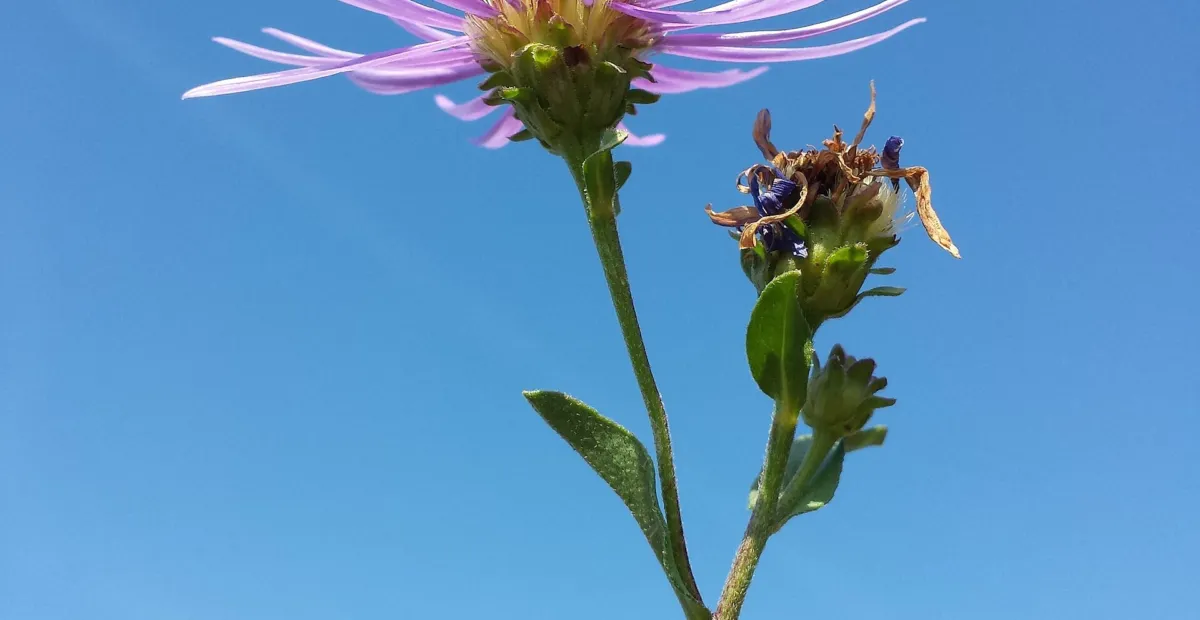
Stems and foliage are characteristically hairy. Leaves are narrow, lance-shaped, and mid-green, with lower leaves often broader than those higher on the stems. The daisy-like heads have violet-blue to lilac rays and contrasting yellow disc florets, making the species identifiable among similarly colored asters.
Flowering
Flowering generally begins in late summer and can continue into fall, with multiple flowerheads held in loose terminal clusters. Each head combines colored ray florets around a yellow central disc. Deadheading can improve tidiness, although leaving some heads later in the season allows seed development.
Pollination and visitors
The open composite flowerheads expose nectar and pollen and are visited by bees, bumblebees, hoverflies, and some butterflies. The species provides late-season floral resources, although visitor abundance depends on local insect populations, weather, and the availability of other flowers.
Aster amellus photos
Click any photo for a larger view. Source, author and license are shown separately.
Diseases and pests
Diseases
Powdery mildew and gray mold can occur where foliage stays crowded or damp; Verticillium wilt is also reported in asters. Provide sun, spacing, and air circulation, water at the base, remove diseased debris, and avoid overhead irrigation. Discard severely wilted plants rather than composting them.
Pests
Slugs and snails may damage young foliage, while leaf and bud eelworms can distort growth and flower buds. Inspect plants regularly, reduce hiding places for slugs, and remove badly affected stems. Use targeted controls only when necessary and follow product labels.
Related diseases and pests
Only Plant Doctor profiles whose host data indicate this plant may be affected are shown here.


Toxicity and pollen
Reliable species-specific evidence confirming human, dog, cat, or child toxicity was not located in the reviewed authoritative sources. Do not treat the plant as edible or medicinal. Prevent ingestion of unfamiliar plant material, supervise children and pets, and seek professional advice if a substantial amount is eaten or symptoms develop.
- Typical season
- Typically August–October in much of the United States
- Pollination / pollen
- Pollen is primarily presented within insect-visited flowerheads rather than released as a wind-borne cloud.
As a flowering Asteraceae plant, garden aster produces pollen during bloom. Its insect-pollinated flower structure generally limits broad airborne dispersal compared with strongly wind-pollinated plants, but sensitive people may still react to contact or nearby flowering plants. Allergy response varies by individual and region.
Native habitat
In its native range, Aster amellus occurs in temperate landscapes including dry, rocky or calcareous grasslands, scrub margins, open woodland edges, and other sunny sites. It is associated with well-drained soils and can tolerate relatively lean conditions once established.
Interesting fact
Aster amellus is the type species of the genus Aster. Its historical common-name tradition is linked to late-season blooming around Michaelmas, although the verified US local name used here is garden aster. The species is native across a broad Eurasian range rather than North America.
Frequently asked questions (FAQ)
The most relevant questions about this plant, with short and direct answers.
🌱Quick care
What is garden aster (Aster amellus)?⌄
Garden aster is a cold-hardy, clump-forming perennial in the Asteraceae family. It produces daisy-like flowerheads, typically in lilac-blue to purple shades with yellow centers, from late summer into fall.
How much sun does Aster amellus need?⌄
Aster amellus grows best in full sun, meaning at least 6 hours of direct sunlight daily. More sun generally supports sturdier growth and heavier flowering.
How often should I water garden aster?⌄
Water garden aster moderately, keeping the soil evenly moist while the plant establishes. Once established, water when the top inch of soil feels dry, but avoid prolonged wetness around the roots.
Is Aster amellus perennial?⌄
Yes, Aster amellus is a herbaceous perennial that returns from its crown each spring. Its aboveground stems usually die back or are cut down in fall.
🌤️Environment and placement
What soil is best for Aster amellus?⌄
Aster amellus prefers moderately fertile, well-drained soil. It can grow in loam, clay, sand, or chalk, but heavy or poorly drained soil should be improved to reduce winter root problems.
Can Aster amellus grow in clay soil?⌄
Yes, Aster amellus can grow in clay soil if drainage is adequate. Incorporate organic matter and avoid planting where water remains after rain or snowmelt.
Can garden aster grow in partial shade?⌄
Garden aster may tolerate light or partial shade, but full sun is preferable for compact growth and the best flower production. Plants in insufficient light may flower less heavily or become weaker.
Is Aster amellus drought tolerant?⌄
Aster amellus has some tolerance of short dry periods once established, but it performs best with moderate, consistent moisture. Water during extended heat or drought, especially while plants are young.
What USDA hardiness zones can grow Aster amellus?⌄
Aster amellus is generally considered cold hardy across much of the United States, but exact performance varies by cultivar and site. Choose a locally proven cultivar and provide excellent winter drainage in colder or wet regions.
💧Care and problems
Why is my Aster amellus wilting?⌄
Wilting can result from dry soil, root damage, excessive wetness, heat stress, or disease. Check soil moisture and drainage first, then inspect the roots and stems for discoloration or decay.
What pests affect garden aster?⌄
Garden aster may be affected by slugs and snails, especially when growth is young. Aster-specific eelworms can also damage leaves and buds, causing distorted or discolored growth.
What diseases affect Aster amellus?⌄
Aster amellus can be susceptible to Fusarium or Verticillium wilt, powdery mildew, and gray mold. Good drainage, adequate spacing, and removal of badly infected material help reduce disease pressure.
How can I prevent powdery mildew on Aster amellus?⌄
Reduce powdery mildew risk by growing Aster amellus in full sun with good air circulation and avoiding crowded planting. Water the soil rather than repeatedly wetting the foliage.
Does Aster amellus need fertilizer?⌄
Aster amellus usually needs only moderate fertility rather than heavy feeding. Improve poor soil with compost in spring, and avoid excessive nitrogen, which can produce weak leafy growth and fewer flowers.
🪴Planting and repotting
When should I plant Aster amellus in the United States?⌄
Plant Aster amellus in spring after the ground can be worked or in early fall, allowing roots to establish before extreme weather. In hot climates, fall planting is often easier on new plants.
How far apart should I plant garden aster?⌄
Space garden aster about 18 to 24 inches apart, adjusting for the cultivar’s mature size. Adequate spacing improves air circulation and helps reduce fungal disease.
Can Aster amellus grow in containers?⌄
Yes, Aster amellus can grow in a container with drainage holes and a well-draining potting mix. Choose a pot large enough for the root system and protect the container from severe winter temperature swings.
✂️Propagation and pruning
How do I propagate Aster amellus?⌄
Propagate Aster amellus mainly by dividing established clumps in spring or by taking softwood basal cuttings in spring. Division is usually the more reliable method for maintaining a named cultivar.
When should I divide garden aster?⌄
Divide garden aster in early spring as new growth begins. Dividing every three to five years can help maintain vigor, reduce overcrowding, and produce additional plants.
Can Aster amellus be grown from seed?⌄
Yes, Aster amellus can be grown from seed, but seedlings may not reproduce the exact characteristics of a named cultivar. Seed propagation is most useful for the species rather than for preserving a particular selection.
Should I deadhead Aster amellus?⌄
Deadheading Aster amellus is optional because it can produce a good display without extensive trimming. Remove faded flowers to improve appearance and potentially encourage continued blooming.
When should I cut back garden aster?⌄
Cut garden aster stems close to the ground in late fall after flowering and foliage has declined. You can also leave the stems over winter for habitat and seedhead interest, then remove them in early spring.
Does Aster amellus need staking?⌄
Most Aster amellus plants are relatively compact, but tall or unsupported cultivars may benefit from light support. Place supports early in the season so they are hidden as the plant grows.
⚠️Toxicity and safety
Is Aster amellus toxic to cats and dogs?⌄
The toxicity of Aster amellus is not firmly established in the available plant-safety information. Prevent pets and children from eating it, and contact a veterinarian or poison-control service if ingestion causes symptoms.
Is garden aster safe to eat?⌄
Garden aster should not be eaten because its edibility has not been established for this plant. Treat all parts as ornamental and seek medical advice if a person consumes it and feels unwell.
🌸Flowering and special interest
When does Aster amellus bloom?⌄
Aster amellus generally blooms from late summer into fall. The exact timing depends on the cultivar, local climate, planting location, and growing conditions.
What color flowers does garden aster produce?⌄
Garden aster commonly produces lilac-blue, violet, purple, pink, or related shades with yellow centers. Flower color varies by cultivar, so check the plant label when a specific color matters.
Why is my Aster amellus not flowering?⌄
Poor flowering is commonly caused by insufficient sunlight, excessive nitrogen, drought stress, overcrowding, or immature plants. Move or divide the plant only during an appropriate season, and correct light, moisture, and fertility problems first.
Is Aster amellus good for pollinators?⌄
Aster amellus provides late-season flowers that can support bees and other flower-visiting insects. Single or less-densely petaled cultivars generally offer easier access to pollen and nectar.
Similar plants
 Michaelmas daisy ‘Coombe Fishacre’ (Aster ‘Coombe Fishacre’)Aster 'Coombe Fishacre'
 Heath aster (Aster ericoides) care guideAster ericoides
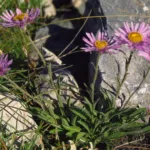 Alpine Aster (Aster alpinus) care guideAster alpinus
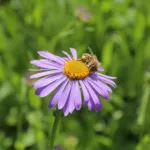 Aster tongolensis care guideAster tongolensis
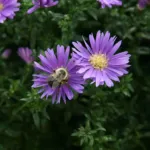 Aster ‘Novi Belgii’Aster 'Novi Belgii'
 Angliae (Aster novae ‘Angliae’)Aster novae 'Angliae'