
 Source:
 Astilbe ‘Fanal’ short overview
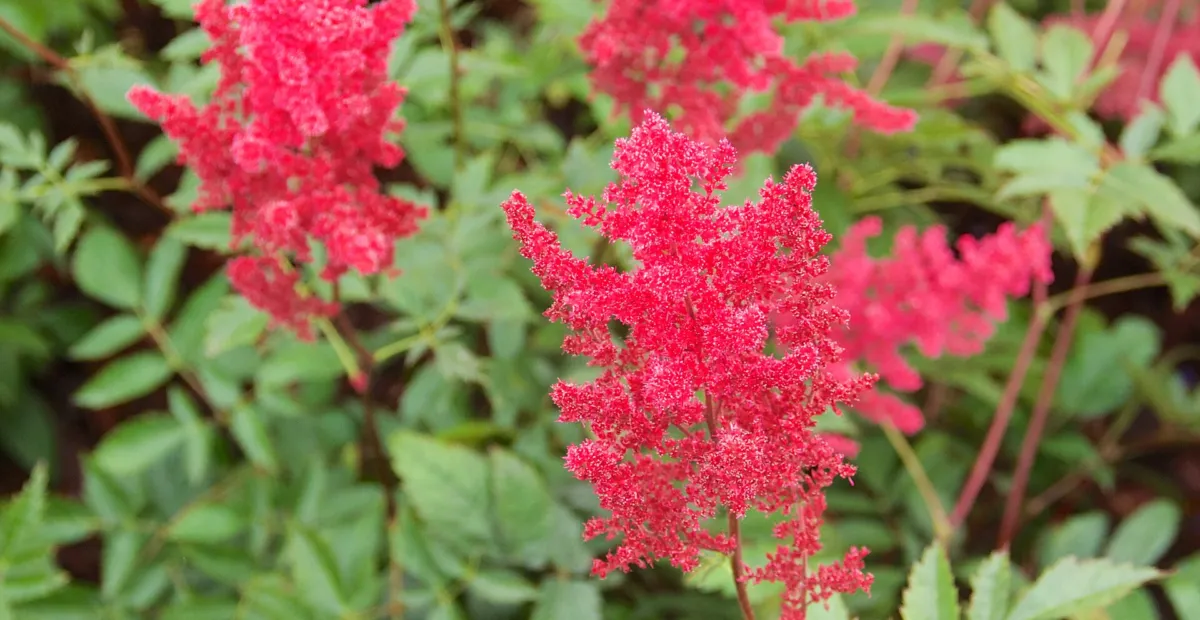
Astilbe 'Fanal' is a compact Arendsii hybrid prized for exceptionally dark crimson-red flower plumes and foliage that emerges bronze before maturing to deep green with reddish tones. It forms a neat clump for shaded borders, woodland gardens, pond edges, and containers. Keep the soil consistently moist, humus-rich, and well drained; drought or hot reflected light can quickly brown the foliage. A compact Arendsii hybrid with bronze-emerging foliage and narrow, upright panicles of exceptionally dark crimson-red flowers.
Taxonomic classification
Astilbe ‘Fanal’ care guide
Light and placement
Give 'Fanal' bright filtered light, morning sun, or partial to full shade. An east-facing bed or a north-facing border with reflected light is often suitable. Protect it from hot afternoon sun and heat reflected by walls or pavement. Scorched margins, brown foliage, or rapid summer decline indicate excessive light or dryness; weak, sparse growth may indicate overly dark conditions.
Watering and humidity
Water deeply when the surface begins to dry, keeping the root zone consistently moist rather than alternating between drought and saturation. Check plants more often during hot weather, especially in containers and beneath trees where roots compete for water. Mulch with compost or fine bark to reduce evaporation, but keep mulch away from the crown.
Soil and growing medium
Use fertile, humus-rich soil that holds moisture without becoming stagnant. A loamy woodland-style soil is ideal; improve sandy soil with compost and loosen heavy clay with organic matter and drainage amendments. Slightly acidic to neutral conditions are suitable. Do not allow the root zone to dry, especially in summer.
Feeding
Spread a thin layer of compost around the crown in spring as growth begins. If growth is weak, apply a balanced, slow-release perennial fertilizer at the label rate. Water after feeding. Avoid heavy nitrogen applications, feeding drought-stressed plants, or fertilizing late in the season when new growth may not harden before winter.
Growth and habit
This is a compact, clump-forming perennial that expands gradually from short rhizomatous crowns. Maintain even moisture and divide overcrowded clumps every three to four years. Foliage quality declines rapidly when plants experience drought, heat, or excessive direct afternoon sun.
Planting and repotting
Plant in spring or early fall when temperatures are moderate. Set the crown at soil level, not deeply buried, and firm the soil gently around the roots. Space plants about 12–18 inches apart for a continuous planting while allowing airflow. Water deeply after planting and mulch with compost or fine organic matter.
Repot container plants in early spring, or transplant while dormant. Move the entire root ball with minimal disturbance into a container only slightly larger than the previous one, using a moisture-retentive but well-drained potting mix. Ensure drainage holes are open and water thoroughly after planting.
Propagation and pruning
Propagation
Divide established clumps in early spring or early fall when the plant is dormant or just beginning growth. Separate healthy crown sections with roots and several buds, then replant immediately at the original depth. Seed is not a reliable way to reproduce the named cultivar because seedlings may not remain true to 'Fanal'.
Pruning
Remove spent flower stems after bloom if a tidier appearance is wanted. Leaving them in place provides autumn and winter structure. Cut the deciduous foliage to the ground after it browns in fall or before new growth emerges in spring; remove diseased foliage promptly.
Overwintering
Leave the plant in the ground in USDA Zones 3–8. After frost blackens the foliage, cut it back or leave the dry stems for winter structure, then remove them before spring growth. A light organic mulch helps moderate freeze-thaw cycles, especially for newly planted divisions; avoid wet, compacted winter soil.
Uses
Use 'Fanal' in shaded perennial borders, woodland gardens, front-of-border groupings, pond or stream margins, and moisture-retentive containers. Its upright plumes are suitable for fresh or dried arrangements. It is ornamental rather than a documented culinary or medicinal plant.
Appearance
The plant forms a neat mound of finely divided, fern-like leaves. New foliage is bronze, later deep green with a reddish cast. Dark stems carry narrow, dense crimson-red panicles above the foliage. The dried flower heads remain visually useful after bloom, helping identify the cultivar’s upright, compact habit.
Flowering
The cultivar produces narrow, dense, upright panicles composed of many tiny flowers on dark stems. Flowering is typically concentrated in July in much of the United States, with local timing shifting earlier in warmer regions and later in cool climates. Spent panicles may be removed for tidiness or left for attractive dried seed-head structure.
Pollination and visitors
The small flowers are visited by generalist insects, including bees, bumblebees, and hoverflies. Evidence is stronger for Astilbe and garden astilbes generally than for this named cultivar specifically, so the attraction rating is conservative.
Astilbe 'Fanal' photos
Click any photo for a larger view. Source, author and license are shown separately.
Diseases and pests
Diseases
Astilbe generally has few serious disease problems. Brown, declining foliage most often indicates drought, heat, or excessive sun rather than infection. Improve moisture consistency and shade. Powdery mildew or wilt can occur under stressful conditions; remove affected foliage, avoid overhead irrigation, improve air circulation, and do not compost heavily diseased material.
Pests
Japanese beetles may chew the foliage, while slugs and snails can appear in persistently damp, sheltered beds. Hand-pick or use targeted controls when damage is limited. Reduce hiding places, remove badly affected leaves, and avoid unnecessary broad-spectrum insecticides that can harm beneficial insects.
Related diseases and pests
Only Plant Doctor profiles whose host data indicate this plant may be affected are shown here.
 PestJapanese beetlePopillia japonica
 Environmental stressHeat stress
 Environmental stressDrought stress
 DiseaseMaple powdery mildewSawadaea bicornis
 DiseaseCucurbit Powdery MildewPodosphaera xanthii (Castagne) U. Braun & Shishkoff
 DiseaseRose powdery mildewPodosphaera pannosa
 DiseaseApple Powdery MildewPodosphaera leucotricha
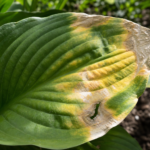 Environmental stressExcess light stress
Toxicity and pollen
No reliable authoritative evidence identifies Astilbe 'Fanal' as poisonous to humans or companion animals. As with any ornamental, ingestion may cause minor, nonspecific stomach upset in some individuals, and plant material can irritate sensitive skin. Prevent children and pets from eating large quantities and contact a medical or veterinary professional if symptoms occur.
- Typical season
- July in much of the United States
- Pollination / pollen
- Heavy, insect-carried pollen
Astilbe is insect-pollinated, so its pollen is not typically released in the large airborne quantities associated with wind-pollinated trees and grasses. Sensitive people can still react to contact with flowers or garden pollen; avoid assuming zero allergy risk.
Native habitat
The Arendsii hybrids derive from woodland and ravine-dwelling Astilbe species associated with cool, moist soils and filtered light. In cultivation, they perform best in organic soil that remains evenly moist but drains adequately, especially in climates with hot summers.
Interesting fact
‘Fanal’ is noted for unusually dark red astilbe flowers. Its foliage emerges bronze and later becomes dark green with reddish tones. The dried flower heads can remain ornamental into autumn. The cultivar belongs to the complex Arendsii hybrid group rather than a wild species.
Frequently asked questions (FAQ)
The most relevant questions about this plant, with short and direct answers.
🌱Quick care
What is Astilbe 'Fanal'?⌄
Astilbe 'Fanal' is a cold-hardy, clump-forming herbaceous perennial in the Saxifragaceae family, valued for deep crimson-red flower plumes and bronze-emerging foliage. It is an × arendsii hybrid commonly grown in shaded gardens. ([missouribotanicalgarden.org](https://www.missouribotanicalgarden.org/PlantFinder/PlantFinderDetails.aspx?kempercode=a858&taxonid=242008&utm_source=openai))
How big does Astilbe 'Fanal' get?⌄
Astilbe 'Fanal' typically forms a foliage mound about 9–12 inches tall, with flower stems reaching approximately 15–18 inches. Its overall spread is usually about 9–12 inches. ([missouribotanicalgarden.org](https://www.missouribotanicalgarden.org/PlantFinder/PlantFinderDetails.aspx?kempercode=a858&taxonid=242008&utm_source=openai))
What USDA hardiness zones are suitable for Astilbe 'Fanal'?⌄
Astilbe 'Fanal' is generally hardy in USDA Zones 3–8. Performance can still decline in hot, dry conditions unless the soil remains consistently moist. ([missouribotanicalgarden.org](https://www.missouribotanicalgarden.org/PlantFinder/PlantFinderDetails.aspx?kempercode=a858&taxonid=242008&utm_source=openai))
Is Astilbe 'Fanal' low maintenance?⌄
Astilbe 'Fanal' is low maintenance when grown in shade and consistently moist, well-drained soil. Its main routine needs are watering during dry periods, occasional division, and optional cleanup of old foliage. ([missouribotanicalgarden.org](https://www.missouribotanicalgarden.org/PlantFinder/PlantFinderDetails.aspx?kempercode=a858&taxonid=242008&utm_source=openai))
🌤️Environment and placement
Does Astilbe 'Fanal' prefer sun or shade?⌄
Astilbe 'Fanal' grows best in part shade to full shade, especially where it receives bright filtered light or morning sun. Deep shade is tolerated but may produce fewer flowers. ([missouribotanicalgarden.org](https://www.missouribotanicalgarden.org/PlantFinder/PlantFinderDetails.aspx?kempercode=a858&taxonid=242008&utm_source=openai))
Can Astilbe 'Fanal' grow in full sun?⌄
Astilbe 'Fanal' can tolerate some sun only when the soil stays reliably moist, but full sun is usually unsuitable in hot or dry climates. Morning sun with afternoon shade is a safer placement. ([missouribotanicalgarden.org](https://www.missouribotanicalgarden.org/PlantFinder/PlantFinderDetails.aspx?kempercode=a858&taxonid=242008&utm_source=openai))
What soil is best for Astilbe 'Fanal'?⌄
Use humus-rich, organically rich, moisture-retentive but well-drained loam for Astilbe 'Fanal'. Avoid soil that becomes either persistently dry or waterlogged. ([missouribotanicalgarden.org](https://www.missouribotanicalgarden.org/PlantFinder/PlantFinderDetails.aspx?kempercode=a858&taxonid=242008&utm_source=openai))
Can Astilbe 'Fanal' grow beside a pond or stream?⌄
Yes, Astilbe 'Fanal' is well suited to moist shaded areas beside ponds, streams, and woodland gardens. The planting site must still drain adequately rather than remaining saturated. ([missouribotanicalgarden.org](https://www.missouribotanicalgarden.org/PlantFinder/PlantFinderDetails.aspx?kempercode=a858&taxonid=242008&utm_source=openai))
💧Care and problems
How often should Astilbe 'Fanal' be watered?⌄
Water Astilbe 'Fanal' whenever the soil surface begins to dry, giving it consistent moisture throughout the growing season. Do not allow the root zone to dry out, because drought can cause permanent brown foliage. ([missouribotanicalgarden.org](https://www.missouribotanicalgarden.org/PlantFinder/PlantFinderDetails.aspx?kempercode=a858&taxonid=242008&utm_source=openai))
Why are the leaves on my Astilbe 'Fanal' turning brown?⌄
Brown leaves on Astilbe 'Fanal' are most often caused by dry soil, heat, wind, or excessive sun exposure. Move or protect the plant in hotter conditions and maintain steady soil moisture. ([missouribotanicalgarden.org](https://www.missouribotanicalgarden.org/PlantFinder/PlantFinderDetails.aspx?kempercode=a858&taxonid=242008&utm_source=openai))
Why is my Astilbe 'Fanal' wilting?⌄
Wilting usually means Astilbe 'Fanal' is not receiving enough moisture, although poorly drained soil can also damage its roots. Check soil moisture and drainage before increasing watering. ([biologyinsights.com](https://biologyinsights.com/how-to-grow-and-care-for-fanal-astilbe/?utm_source=openai))
Why is Astilbe 'Fanal' not blooming?⌄
Astilbe 'Fanal' may fail to bloom because of deep shade, drought stress, overcrowding, or weak establishment. Keep the soil moist, provide filtered light, and divide an overcrowded clump. ([extension.psu.edu](https://extension.psu.edu/astilbe-diseases?utm_source=openai))
Does Astilbe 'Fanal' need fertilizer?⌄
Astilbe 'Fanal' usually needs little fertilizer when planted in fertile, humus-rich soil. An annual layer of compost or organic mulch is generally more useful than heavy feeding. ([rhs.org.uk](https://www.rhs.org.uk/plants/astilbe/growing-guide/?utm_source=openai))
What pests affect Astilbe 'Fanal'?⌄
Astilbe 'Fanal' is generally trouble-free, but Japanese beetles, black vine weevils, slugs, snails, aphids, or spider mites may occasionally cause damage. Hot, dry conditions can make spider mite problems more likely. ([missouribotanicalgarden.org](https://www.missouribotanicalgarden.org/PlantFinder/PlantFinderDetails.aspx?kempercode=a858&taxonid=242008&utm_source=openai))
What diseases can affect Astilbe 'Fanal'?⌄
Possible problems include leaf spot, powdery mildew, wilt, crown or root rot, and foliar nematodes. Good drainage, consistent moisture, thinning crowded growth, and keeping irrigation off the foliage help reduce risk. ([extension.psu.edu](https://extension.psu.edu/astilbe-diseases?utm_source=openai))
🪴Planting and repotting
When is the best time to plant Astilbe 'Fanal'?⌄
Plant Astilbe 'Fanal' in spring or early fall, avoiding periods of heat or drought. Water thoroughly after planting and keep the soil evenly moist while the roots establish. ([yardandgarden.extension.iastate.edu](https://yardandgarden.extension.iastate.edu/how-to/growing-astilbe-iowa?utm_source=openai))
How far apart should Astilbe 'Fanal' be planted?⌄
Space Astilbe 'Fanal' about 12–18 inches apart, adjusting slightly according to the desired ground-cover effect and mature spread. Avoid overcrowding that restricts air circulation. ([missouribotanicalgarden.org](https://www.missouribotanicalgarden.org/PlantFinder/PlantFinderDetails.aspx?kempercode=a858&taxonid=242008&utm_source=openai))
How should Astilbe 'Fanal' be planted?⌄
Plant Astilbe 'Fanal' at the same depth as it was growing in its container, with the crown at or just above soil level. Firm the soil gently, water deeply, and add a moisture-preserving mulch without covering the crown. ([missouribotanicalgarden.org](https://www.missouribotanicalgarden.org/PlantFinder/PlantFinderDetails.aspx?kempercode=a858&taxonid=242008&utm_source=openai))
✂️Propagation and pruning
How do you propagate Astilbe 'Fanal'?⌄
The most reliable way to propagate Astilbe 'Fanal' is by dividing an established clump. Divide it in early spring as new growth emerges, ensuring each section has healthy roots and shoots. ([rhs.org.uk](https://www.rhs.org.uk/plants/astilbe/growing-guide/?utm_source=openai))
How often should Astilbe 'Fanal' be divided?⌄
Divide Astilbe 'Fanal' when the clump becomes crowded or flowering declines, commonly every 3–4 years. Replant divisions promptly, water them well, and maintain consistent moisture during establishment. ([missouribotanicalgarden.org](https://www.missouribotanicalgarden.org/PlantFinder/PlantFinderDetails.aspx?kempercode=a858&taxonid=242008&utm_source=openai))
Can Astilbe 'Fanal' be grown from seed?⌄
Astilbe 'Fanal' can produce seedlings, but seed propagation is less reliable and may not reproduce the parent’s exact flower color or form. Division is the preferred method for maintaining this cultivar. ([rhs.org.uk](https://www.rhs.org.uk/plants/astilbe/growing-guide/?utm_source=openai))
Should Astilbe 'Fanal' be cut back in fall?⌄
You may leave Astilbe 'Fanal' flower stalks standing for winter interest, then cut the old stems and foliage to the ground in late winter or early spring before new growth starts. Removing spent plumes does not extend flowering. ([missouribotanicalgarden.org](https://www.missouribotanicalgarden.org/PlantFinder/PlantFinderDetails.aspx?kempercode=a858&taxonid=242008&utm_source=openai))
⚠️Toxicity and safety
Is Astilbe 'Fanal' toxic to people or pets?⌄
No specific toxicity is documented for Astilbe 'Fanal', but it is an ornamental plant and should not be intentionally eaten. Keep unfamiliar plant material away from children and pets as a general precaution.
Is Astilbe 'Fanal' deer resistant?⌄
Astilbe 'Fanal' is commonly regarded as relatively resistant to deer and rabbits, although no plant is completely browse-proof. Hungry animals may still feed on it, especially when preferred food is scarce. ([missouribotanicalgarden.org](https://www.missouribotanicalgarden.org/PlantFinder/PlantFinderDetails.aspx?kempercode=a858&taxonid=242008&utm_source=openai))
🌸Flowering and special interest
When does Astilbe 'Fanal' bloom?⌄
Astilbe 'Fanal' generally blooms in early to mid-summer, with some references placing its peak bloom in July. Timing varies with climate, winter conditions, and site exposure. ([missouribotanicalgarden.org](https://www.missouribotanicalgarden.org/PlantFinder/PlantFinderDetails.aspx?kempercode=a858&taxonid=242008&utm_source=openai))
What color are Astilbe 'Fanal' flowers?⌄
Astilbe 'Fanal' produces narrow, upright plumes of deep crimson to dark red flowers. It is noted for having some of the darkest red flowers among astilbes. ([missouribotanicalgarden.org](https://www.missouribotanicalgarden.org/PlantFinder/PlantFinderDetails.aspx?kempercode=a858&taxonid=242008&utm_source=openai))
Does Astilbe 'Fanal' have attractive foliage?⌄
Yes, Astilbe 'Fanal' has fern-like foliage that emerges bronze and gradually becomes dark green with a reddish tint during the summer. The foliage remains ornamental even when the plant is not flowering. ([missouribotanicalgarden.org](https://www.missouribotanicalgarden.org/PlantFinder/PlantFinderDetails.aspx?kempercode=a858&taxonid=242008&utm_source=openai))
Can Astilbe 'Fanal' be used as a cut flower?⌄
Yes, Astilbe 'Fanal' is suitable for cut-flower arrangements, and its dried flower plumes can provide continued decorative interest. Cut stems when the plumes are well developed but before they fully fade. ([missouribotanicalgarden.org](https://www.missouribotanicalgarden.org/PlantFinder/PlantFinderDetails.aspx?kempercode=a858&taxonid=242008&utm_source=openai))
Similar plants
 Azure Monkshood (Aconitum carmichaelii) care guideAconitum carmichaelii
 Monkshood (Aconitum ‘Stainless Steel’)Aconitum 'Stainless Steel'
 Monkshood (Aconitum ‘Bressingham Spire’)Aconitum 'Bressingham Spire'
 Golden full moon maple (Acer shirasawanum ‘Aureum’)Acer shirasawanum 'Aureum'
 Globosum (Acer platanoides ‘Globosum’)Acer platanoides 'Globosum'
 Striped maple (Acer pensylvanicum) care guideAcer pensylvanicum