
 Source:
Angliae (Aster novae ‘Angliae’) short overview
Aster novae 'Angliae' is an exact horticultural identity that could not be independently matched to a documented cultivar or accepted infraspecific name in the authoritative sources checked. It is therefore profiled cautiously using well-supported traits of the New England aster group: a clumping, late-blooming perennial with hairy stems, clasping leaves, and daisy-like flower heads suited to sunny borders, naturalistic plantings, and pollinator gardens. Confirm the plant’s label or provenance before treating cultivar-specific traits as certain.
Taxonomic classification
Angliae (Aster novae ‘Angliae’) care guide
Light and placement
Give full sun, ideally at least 6 hours of direct light, with morning-to-afternoon exposure in an open border. Some light afternoon shade is acceptable in hot climates, but deep shade can produce weak, floppy stems and fewer flowers. Bleached foliage, scorch, or rapid wilting suggests excessive heat or drought rather than a need for more shade.
Watering and humidity
Water deeply when the top inch of soil begins to dry, keeping the root zone evenly moist during establishment and flowering. Increase frequency during hot, dry weather and reduce it after dormancy or periods of regular rainfall. Avoid shallow daily watering and prolonged standing water. Container plants usually need more frequent checks than in-ground plants.
Soil and growing medium
Use fertile, moisture-retentive soil that still drains reasonably well. Loam enriched with compost is suitable, and the species complex also tolerates heavier clay when it is not permanently waterlogged. A slightly acidic to neutral soil reaction is a reasonable target. Avoid very dry, sharply drained sites unless irrigation is reliable.
Feeding
Apply a thin layer of compost in spring or use a balanced, slow-release perennial fertilizer at label strength as growth begins. Avoid heavy nitrogen feeding, which can produce weak, floppy stems and excess foliage. Do not fertilize drought-stressed, newly transplanted, or dormant plants until active growth resumes.
Growth and habit
Expect an upright, clump-forming herbaceous perennial that may become somewhat tall or open, particularly in insufficient light or overly rich soil. A light early-summer pinch can encourage branching and reduce flopping, while discreet staking may be useful in windy gardens. Exact habit is uncertain because the named identity is unresolved.
Planting and repotting
Plant nursery divisions or established plants in spring or early fall. Set the crown at the same depth as in its container, firm the soil gently, water thoroughly, and mulch lightly without covering the crown. Allow enough air circulation for the mature clump and keep the planting evenly watered during its first growing season.
Repot only when container roots are crowded, preferably in early spring before vigorous growth. Move the plant into a slightly larger container with a sturdy, well-drained potting mix. Because mature New England-type asters can become tall and top-heavy, use a broad, heavy pot and avoid repeated disturbance.
Propagation and pruning
Propagation
For the related species, divide established clumps in early spring or take softwood cuttings in late spring to early summer. Seed propagation is possible, but seedlings may vary and cannot be assumed to reproduce an unnamed or uncertain cultivar faithfully. Use division or cuttings when maintaining a selected garden form matters.
Pruning
Pinch or shear the growing tips lightly in late spring or early summer if a shorter, more branched plant is desired. Remove spent stems after flowering or leave them over winter for structure and wildlife, then cut them to the ground in late winter before new growth begins.
Overwintering
Leave healthy stems standing through winter if wildlife value and structure are desired, then cut them back in late winter. In colder regions, maintain a light mulch after the ground freezes, keeping mulch away from the crown. Container plants are more vulnerable to root freezing and should be sheltered in an unheated protected location if necessary.
Uses
Useful as a late-season ornamental in perennial borders, native plantings, meadow-style gardens, and pollinator habitats. Cut stems can provide seasonal floral material, but the exact identity has not been verified and should not be marketed for culinary, medicinal, or other specialized uses without separate evidence.
Appearance
The related New England aster has stout, hairy stems and narrow lance-shaped leaves that clasp the stems, often with small ear-like basal lobes. Plants form several erect stems from a common crown and carry clusters of starry composite flower heads near the stem tips. These identifying traits should not be assumed diagnostic of the unresolved quoted identity.
Flowering
New England-type asters produce terminal clusters of daisy-like flower heads, with colored ray florets surrounding yellow disk florets. Flowering is characteristically late-season and may continue for several weeks. Exact flower color, flower-head size, and plant uniformity cannot be confirmed for the identity Aster novae 'Angliae'.
Pollination and visitors
Species-level sources describe New England aster flowers as valuable to bees, butterflies, and other flower-visiting insects late in the season. A specific pollinator species could not be confirmed for the exact supplied identity. Pollinator value is best supported by planting the aster in full sun and avoiding broad-spectrum insecticides during bloom.
Aster novae 'Angliae' photos
Click any photo for a larger view. Source, author and license are shown separately.
Diseases and pests
Diseases
Provide full sun, adequate spacing, and good air movement to reduce powdery mildew and leaf-spot pressure. Water at the soil surface rather than repeatedly wetting foliage. Remove badly affected leaves and clear spent stems in fall or late winter. Avoid routine fungicide use unless disease is persistent and correctly identified.
Pests
Watch for aphids, lace bugs, leafhoppers, spider mites during hot, dry weather, and occasional caterpillar feeding. Inspect new growth and leaf undersides, encourage beneficial insects, and improve drought stress before using controls. Use a strong water spray for minor aphid infestations; choose targeted, label-approved treatment only when damage is substantial.
Related diseases and pests
Only Plant Doctor profiles whose host data indicate this plant may be affected are shown here.
 DiseaseMaple powdery mildewSawadaea bicornis
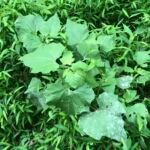 DiseaseCucurbit Powdery MildewPodosphaera xanthii (Castagne) U. Braun & Shishkoff
 DiseaseRose powdery mildewPodosphaera pannosa
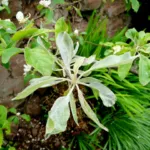 DiseaseApple Powdery MildewPodosphaera leucotricha
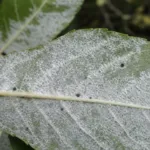 DiseaseAsh Powdery MildewPhyllactinia fraxini (DC.) Fuss
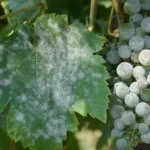 DiseaseGrape Powdery MildewErysiphe necator Schwein. (synonym: Uncinula necator)
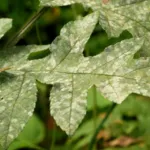 DiseaseApiaceae Powdery MildewErysiphe heraclei
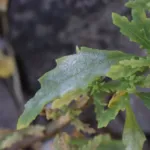 DiseaseBeet powdery mildewErysiphe betae (synonym commonly used in U.S. literature: Erysiphe polygoni)
Toxicity and pollen
No reliable source was found establishing a toxicity profile for the exact identity Aster novae 'Angliae'. The related New England aster is a commonly cultivated native perennial, but absence of a documented warning is not proof of complete safety. Prevent ingestion, supervise children and pets around unfamiliar plant material, and discontinue contact if skin or digestive irritation occurs.
- Typical season
- August–October in much of the United States
- Pollination / pollen
- Insect-carried pollen; limited airborne dispersal
The flower heads release pollen primarily during bloom, but the plant is generally insect-pollinated rather than a major wind-pollen source. Individual sensitivity can still occur, especially during heavy flowering or close handling. People with known Asteraceae sensitivity should avoid rubbing the eyes after handling and monitor personal reactions.
Native habitat
The related New England aster occurs in a wide range of central and eastern North American habitats, including wet meadows, woodland margins, open fields, and periodically damp sites. It can tolerate heavier soils and occasional wetness, but cultivated plants perform best where moisture is available without stagnant winter saturation.
Interesting fact
The supplied name combines a quoted horticultural epithet with a form that is not independently documented in the sources checked. Aster novae-angliae is the historical basionym of the accepted name Symphyotrichum novae-angliae. New England aster is native across broad areas of central and eastern North America and is associated with late-season wildlife value.
Frequently asked questions (FAQ)
The most relevant questions about this plant, with short and direct answers.
🌱Quick care
What is Aster novae 'Angliae'?⌄
Aster novae 'Angliae' is the exact horticultural identity supplied for this perennial in the daisy family, Asteraceae. Reliable references commonly discuss the closely related or synonymous New England aster under Aster novae-angliae or Symphyotrichum novae-angliae, so cultivar-level details for this exact name remain limited.
How much sunlight does Aster novae 'Angliae' need?⌄
Grow Aster novae 'Angliae' in full sun, ideally with at least 6 hours of direct sunlight daily. Adequate light supports sturdier stems, denser growth, and better late-season flowering.
How often should I water Aster novae 'Angliae'?⌄
Water Aster novae 'Angliae' moderately, keeping the soil evenly moist but not waterlogged. Increase watering during prolonged hot, dry weather, especially during the first growing season.
Is Aster novae 'Angliae' perennial?⌄
Aster novae 'Angliae' is treated as a hardy herbaceous perennial. It dies back or becomes dormant after frost and regrows from its roots in spring.
Is Aster novae 'Angliae' frost hardy?⌄
Yes, Aster novae 'Angliae' is considered frost hardy. Young spring growth can still be protected from an unusually late hard freeze with a temporary covering.
🌤️Environment and placement
What USDA hardiness zones are suitable for Aster novae 'Angliae'?⌄
Aster novae 'Angliae' is generally suited to cold-winter regions where New England aster is hardy, but an exact cultivar-specific zone range has not been reliably documented. Local performance also depends on drainage, summer heat, and moisture.
Where should I plant Aster novae 'Angliae' in the garden?⌄
Plant Aster novae 'Angliae' in a sunny border, meadow-style planting, pollinator garden, or rain-garden edge with fertile, well-drained soil. Choose a site with enough room for an upright perennial clump and good air movement.
Can Aster novae 'Angliae' grow in clay soil?⌄
Aster novae 'Angliae' can grow in amended clay soil if drainage is improved. Incorporate organic matter and avoid sites where water remains standing after rain or irrigation.
Can Aster novae 'Angliae' grow in containers?⌄
Aster novae 'Angliae' can be grown in a large container with drainage holes and fertile, well-drained potting mix. Container plants dry out and freeze more quickly than plants in the ground, so they need closer watering and winter protection.
Is Aster novae 'Angliae' good for pollinators?⌄
Aster novae 'Angliae' is expected to be valuable to late-season pollinators if it shares the documented traits of New England aster. Related plants provide nectar for bees and butterflies when many other garden flowers are finishing.
💧Care and problems
How do I care for Aster novae 'Angliae' after planting?⌄
Keep Aster novae 'Angliae' watered during establishment, remove nearby weeds, and apply a light organic mulch without covering the crown. Once established, maintain moderate moisture and avoid excessive fertilizer.
Why is Aster novae 'Angliae' wilting?⌄
Wilting in Aster novae 'Angliae' is most often caused by dry soil, heat stress, root damage, or poor drainage. Check soil moisture several inches below the surface and correct irrigation or drainage before adding fertilizer.
Why are the leaves of Aster novae 'Angliae' turning brown or spotted?⌄
Brown or spotted leaves on Aster novae 'Angliae' may result from drought stress or fungal leaf disease. Improve air circulation, water at the soil line, remove badly affected foliage, and avoid keeping the leaves wet overnight.
Does Aster novae 'Angliae' need fertilizer?⌄
Aster novae 'Angliae' usually needs little fertilizer when planted in fertile loam or properly amended clay. If growth is weak, use a modest spring application of a balanced, slow-release fertilizer rather than heavy feeding.
How much space does Aster novae 'Angliae' need?⌄
Give Aster novae 'Angliae' enough room for an upright clump and unobstructed airflow, generally about 18 to 36 inches between plants unless the exact cultivar is known to be larger. Use the mature dimensions on the plant label when available.
🪴Planting and repotting
When is the best time to plant Aster novae 'Angliae'?⌄
Plant Aster novae 'Angliae' in spring after the ground can be worked or in early fall at least several weeks before the soil freezes. Spring planting is preferable in areas with severe winters or when the plant is small.
How should I prepare soil for Aster novae 'Angliae'?⌄
Prepare soil for Aster novae 'Angliae' by loosening it deeply and mixing in compost where the soil is compacted or low in organic matter. The finished planting area should retain moisture while draining freely.
Can I plant Aster novae 'Angliae' near a lawn or walkway?⌄
You can plant Aster novae 'Angliae' near a lawn or walkway if the site receives full sun and has adequate space for mature growth. Avoid locations with reflected heat, severe foot traffic, or persistently dry compacted soil.
✂️Propagation and pruning
How can I propagate Aster novae 'Angliae'?⌄
Propagate Aster novae 'Angliae' by division or seed, although exact cultivar characteristics may not remain true from seed. Divide established clumps in spring or early fall, separating sections with healthy roots and shoots.
Can Aster novae 'Angliae' be grown from seed?⌄
Aster novae 'Angliae' can be grown from seed if viable seed is available, but seedlings may vary from the parent plant. Sow fresh seed in a prepared seedbed or provide a period of cold, moist conditions before spring sowing if germination is poor.
Should I divide Aster novae 'Angliae'?⌄
Divide Aster novae 'Angliae' when the clump becomes crowded, weak in the center, or less vigorous. Spring division is usually the safest choice because new divisions have a full growing season to establish.
Should I cut back Aster novae 'Angliae' in fall?⌄
Cut back Aster novae 'Angliae' in late fall or early spring after the stems have died back. Leaving some stems through winter can provide structure and habitat, while spring cleanup protects overwintering garden wildlife.
Should I pinch Aster novae 'Angliae' to make it bushier?⌄
Pinch the growing tips of Aster novae 'Angliae' in spring to encourage a shorter, bushier plant with more branching. Stop pinching by early summer because late pruning can delay flowering.
⚠️Toxicity and safety
Is Aster novae 'Angliae' toxic to people?⌄
The toxicity profile of Aster novae 'Angliae' is unresolved, so avoid eating any part of the plant. Keep plant material away from children and pets, and seek professional medical or veterinary advice if ingestion occurs.
Can Aster novae 'Angliae' cause skin irritation?⌄
Aster novae 'Angliae' may irritate sensitive skin because plant sap, foliage, or pollen can trigger contact reactions in some people. Wear gloves when handling it and wash exposed skin afterward.
🌸Flowering and special interest
When does Aster novae 'Angliae' bloom?⌄
Aster novae 'Angliae' is expected to bloom from late summer into fall when grown under suitable conditions. The exact timing depends on the plant’s identity, latitude, weather, and cultivar characteristics.
What color flowers does Aster novae 'Angliae' have?⌄
The flower color of Aster novae 'Angliae' has not been reliably documented for the exact supplied identity. Related New England asters commonly have purple, pink, or white rays surrounding yellow centers.
Why is Aster novae 'Angliae' not flowering?⌄
Aster novae 'Angliae' may fail to flower because of insufficient sunlight, excessive nitrogen, drought stress, transplant shock, or pruning too late in the season. Move or thin competing plants, maintain moderate moisture, and stop pinching by early summer.
How long do Aster novae 'Angliae' flowers last?⌄
Aster novae 'Angliae' should provide a substantial late-season display once flowering begins, but the exact bloom duration is not documented for this identity. Regular moisture and removal of spent flower clusters can help maintain the display.
Similar plants
 Yellow lantern chili (Capsicum chinense) care guideCapsicum chinense
 Capsicum baccatum care guideCapsicum baccatum
 Serrano (Capsicum annuum ‘Serrano’)Capsicum annuum 'Serrano'
 Purple Beauty (Capsicum annuum ‘Purple Beauty’)Capsicum annuum 'Purple Beauty'
 Numex Twilight (Capsicum annuum ‘Numex Twilight’)Capsicum annuum 'Numex Twilight'
 Explosive Ember Chili Pepper (Capsicum annuum ‘Explosive Ember’)Capsicum annuum 'Explosive Ember'