
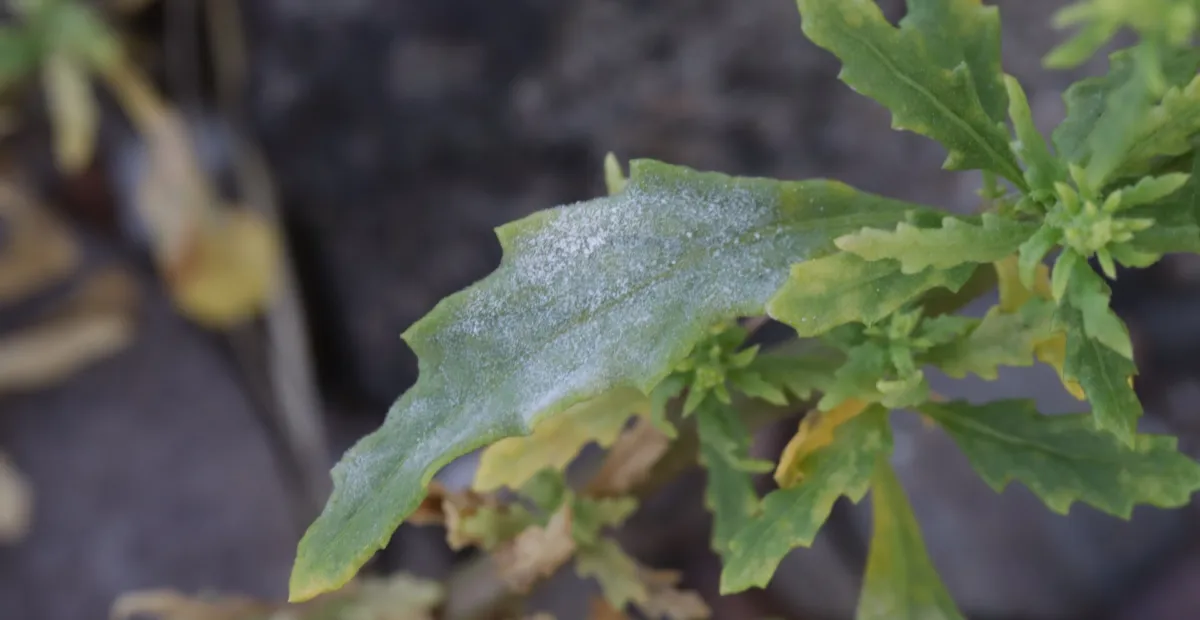
Beet powdery mildew
Erysiphe betae (synonym commonly used in U.S. literature: Erysiphe polygoni)Beet powdery mildew overview
Beet powdery mildew is a host-specific fungal disease of sugar beet, table beet, and other Beta plants. It appears first as small, white, powdery colonies on older leaves, then can spread across foliage and cause yellowing, purple-brown discoloration, premature leaf decline, and reduced sugar production when infection begins early. In U.S. literature, the pathogen has also commonly been called Erysiphe polygoni.
Typical conditions
Overview
The disease affects sugar beet, table beet, Swiss chard, mangel, and other cultivated or wild Beta plants. In the United States, older extension and research publications frequently identify the pathogen as Erysiphe polygoni, but comparative molecular work supports use of Erysiphe betae for the sugar-beet pathogen.
Infection is usually most conspicuous on older leaves. Yield effects depend on cultivar susceptibility, disease onset, canopy development, weather, and how long functional foliage is lost before harvest.
Symptoms and identification
- Small, scattered, circular white colonies develop on leaf surfaces.
- Colonies enlarge and may merge, producing a dusty or flour-like coating over much of the leaf.
- Severely affected leaves may turn yellow, then purple-brown or necrotic, and decline prematurely.
- Tiny dark fruiting bodies may appear within older white colonies late in the season.
- Early, severe infection can reduce photosynthetic leaf area and sugar yield; late infection may have limited economic effect.
The white superficial growth helps distinguish this disease from leaf-spot diseases, although mixed infections can occur in beet fields.
Causes and spread
The pathogen produces airborne conidia on infected leaf surfaces. Wind moves these spores to nearby beet foliage, where they germinate, form an appressorium, penetrate the epidermis, and develop haustoria inside living host cells. Secondary cycles can repeat rapidly during favorable weather.
Warm, dry regions are especially favorable for epidemics. Dense susceptible stands, prolonged crop growth, nearby infected Beta plants, and delayed detection increase the opportunity for spread. Free water is not required for conidial germination, so irrigation or rainfall is not necessary for disease development.
Life cycle and persistence
Erysiphe betae is an obligate biotrophic fungus that obtains nutrients from living beet cells through haustoria while its hyphae and conidiophores remain largely on the leaf surface. Conidia are the principal means of within-season spread.
The sexual stage, known as chasmothecia or cleistothecia in older literature, has been documented in several U.S. sugar-beet regions, including western states and the Great Plains. Its contribution to routine overwintering and early-season infection is not fully consistent across locations. Evidence from field and laboratory studies indicates that airborne conidia can be important primary inoculum, while the sexual stage may contribute genetic variation and potentially affect resistance management.
Treatment and control
Begin with accurate diagnosis and determine whether infection is increasing on newly formed foliage. In small plantings, remove the most heavily infected leaves or plants when this can be done without excessive crop damage, and dispose of infected material away from the planting.
For commercial beet production, disease-management decisions should account for cultivar resistance, disease severity, expected yield value, harvest date, and local extension recommendations. When treatment is justified, thorough coverage of developing foliage and timely application are more useful than attempting to rescue leaves that are already heavily colonized. Rotate fungicide modes of action and avoid unnecessary applications to reduce resistance selection.
Low-impact and biological control
Organic and low-input management should emphasize resistant or tolerant varieties, early scouting, removal of heavily infected tissue, sanitation, and avoidance of dense, overly vigorous growth. Products based on potassium bicarbonate, sulfur, oils, or microbial antagonists may suppress powdery mildew in some systems, but efficacy, crop safety, organic certification status, and label availability vary. Test any product on a small number of plants first and apply only according to its current U.S. label.
Sprays are most useful preventively or at the earliest signs of disease; they generally do not restore tissue already covered by extensive mildew.
Prevention
- Use cultivars with documented powdery-mildew resistance or improved field tolerance when suitable varieties are available.
- Scout older leaves regularly from midseason onward, especially in warm, dry beet-growing regions.
- Remove or destroy severely infected volunteer and garden beet plants after harvest where practical.
- Control volunteer beets and avoid allowing infected crop residues or abandoned plantings to persist.
- Maintain balanced fertility and irrigation; avoid unnecessary excess nitrogen that promotes dense, succulent foliage.
- Use an integrated decision based on disease onset, cultivar susceptibility, canopy condition, local forecasts, and expected harvest timing rather than treating every late-season lesion.
Interesting facts
- The pathogen name is taxonomically confusing: U.S. sources often use Erysiphe polygoni, while later comparative studies support Erysiphe betae for sugar-beet powdery mildew.
- Unlike many moisture-dependent leaf diseases, powdery mildew can spread under warm, relatively dry conditions and does not require free water on the leaf.
- North American isolates examined in molecular studies were closely related across regions, supporting a common sugar-beet-associated pathogen rather than a separate U.S. species.
- The sexual stage has been reported in multiple U.S. sugar-beet areas, which may increase genetic variation relevant to host resistance and fungicide-resistance management.
Use only fungicides legally authorized in the United States for the specific crop and powdery-mildew use site. Follow the current product label for crop, rate, timing, reentry interval, preharvest interval, worker protection, and resistance-management requirements. Product registrations and labels can change; consult the current EPA-approved label and local university extension guidance before application. Do not use a pesticide solely because it is labeled for powdery mildew on another crop.
Affected plants
The plants below are linked to this problem by structured host-plant data. The list updates automatically as new plant profiles are added.
 Beet (Beta vulgaris) care guideBeta vulgaris
 Tagetes (Tagetes erecta) care guideTagetes erecta
 Boxelder (Acer negundo) care guideAcer negundo
 Arrowwood (Viburnum carlesii) care guideViburnum carlesii
 Arrow-wood (Viburnum dentatum) care guideViburnum dentatum
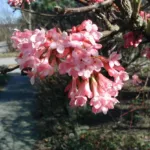 Fragrant viburnum (Viburnum farreri) care guideViburnum farreri
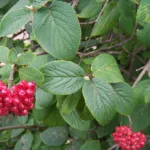 Wayfaring-tree (Viburnum lantana) care guideViburnum lantana
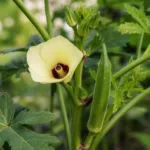 Okra (Abelmoschus esculentus) care guideAbelmoschus esculentus
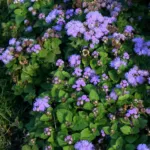 Flossflowe (Ageratum houstonianum) care guideAgeratum houstonianum
 False Acacia (Robinia pseudoacacia) care guideRobinia pseudoacacia
 Apple tree (Malus domestica) care guideMalus domestica
 Lemon verbena (Aloysia citrodora) care guideAloysia citrodora