
 Source:
 Aster tongolensis short overview
Aster tongolensis is a compact, mat-forming perennial from Tibet and southwestern China, valued for its violet-blue, daisy-like flower heads with yellow centers. In U.S. gardens it is best placed in full sun with moderately fertile, well-drained soil that does not dry excessively. It works well in rock gardens, flower borders and containers, while cool winters and good air circulation help maintain a healthy, long-lived clump.
Taxonomic classification
Aster tongolensis care guide
Light and placement
Choose an open, sunny position with several hours of direct light, ideally with morning-to-afternoon sun and good air movement. Insufficient light may produce weak, stretched flowering stems and fewer flower heads. Excessive heat reflected from paving can stress plants, so in very hot regions provide light afternoon protection while preserving bright exposure.
Watering and humidity
Water deeply when the upper inch of soil begins to dry, then allow excess water to drain away. Keep plants moderately and consistently moist during establishment and flowering, but reduce watering in cool, wet weather. Avoid frequent shallow sprinkling and prolonged saturation around the crown; drip or soil-level watering helps limit leaf disease.
Soil and growing medium
Use moderately fertile soil with a loose, well-drained structure. A loam enriched with modest organic matter is suitable, provided it does not remain waterlogged in winter. A slightly acidic to neutral reaction is a reasonable target; avoid compacted clay and improve drainage before planting.
Feeding
Apply a restrained balanced perennial fertilizer or a thin layer of finished compost in spring as growth begins. Avoid heavy nitrogen feeding, which can produce soft foliage and reduce the compact habit. Do not fertilize drought-stressed, newly divided or waterlogged plants until they have recovered.
Growth and habit
This perennial develops a low, spreading foliage mat and sends up flowering stems during its bloom period. It is generally better behaved and more compact than tall border asters. Divide congested clumps in spring, remove spent stems after flowering and maintain open spacing to reduce foliar disease.
Planting and repotting
Plant in spring or early fall while temperatures are moderate. Set the crown at the same level as in its original container and water thoroughly after planting. Allow enough room for the mat-forming clump to expand without crowding neighboring plants.
Repot container-grown plants in spring when roots have filled the container. Move the clump into only a slightly larger pot with a free-draining perennial or alpine-style mix. Avoid oversized containers, which stay wet longer and can encourage root problems.
Propagation and pruning
Propagation
Sow seed in pots in a cold frame in spring or fall, or divide established clumps in spring. Division is usually the most predictable method for maintaining a selected garden form. Keep newly divided sections evenly watered while they re-establish.
Pruning
Cut back spent flowering stems after bloom or leave them until late winter for seasonal structure. Remove damaged foliage as needed. In areas with wet winters, clearing collapsed growth helps improve air circulation around the crown.
Overwintering
Plants established in suitable climates can remain outdoors. Mulch lightly after the ground cools, keeping mulch away from the crown. In colder or poorly drained sites, winter survival depends on drainage and snow or mulch protection; containers are more vulnerable and should be sheltered from repeated freeze-thaw cycles.
Uses
Use as an ornamental perennial in rock gardens, gravel gardens, flower borders, cottage-style plantings and containers. Its compact habit makes it useful near paths or at the front of a bed. It is not documented here as an edible or medicinal garden plant, so avoid unsupported consumption or therapeutic claims.
Appearance
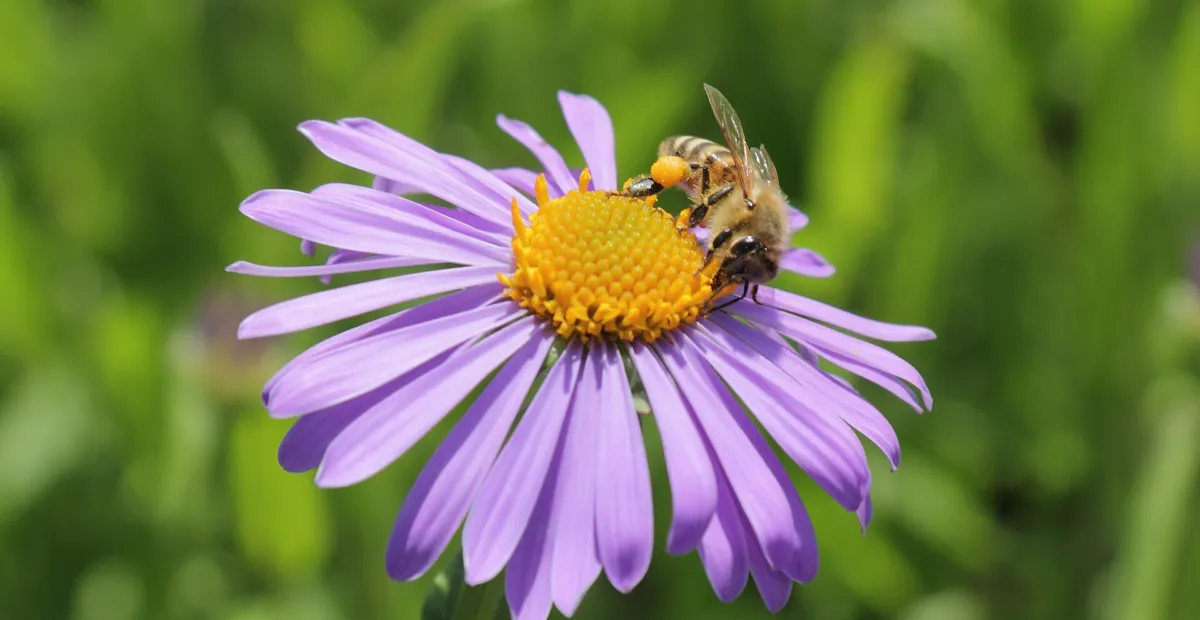
The plant is recognized by its low, mat-forming habit, basal green leaves and flowering stems bearing blue-violet composite heads. The visual effect is closer to a compact alpine or rock-garden aster than to a tall, branching border aster. Foliage is deciduous, dying back or declining after the growing season.
Flowering
The species produces solitary, daisy-like flower heads on short-to-moderate stems above a basal foliage mat. Violet-blue ray florets surround yellow disc florets. In temperate garden conditions, flowering is generally concentrated from late summer into early fall, although timing varies with latitude, elevation and cultivar.
Pollination and visitors
The open composite flower heads provide accessible centers for insect visitors. Aster-family flowers are commonly visited by bees, bumblebees, hoverflies and butterflies, but species-specific visitor records for Aster tongolensis in the United States are limited; the attraction rating therefore reflects cautious horticultural interpretation rather than a complete survey.
Aster tongolensis photos
Click any photo for a larger view. Source, author and license are shown separately.
Diseases and pests
Diseases
Watch for wilt, leaf spot and gray mold, especially where foliage stays wet or air circulation is poor. Remove affected leaves, water at the soil surface, space plants openly and avoid prolonged winter saturation. Dispose of badly infected material rather than composting it.
Pests
Slugs and snails may damage young foliage; aphids can cluster on tender growth, while leaf and bud eelworms are occasional reported problems. Inspect plants regularly, remove pests by hand where practical and avoid overhead irrigation. Use targeted controls only when damage is persistent.
Related diseases and pests
Only Plant Doctor profiles whose host data indicate this plant may be affected are shown here.


Toxicity and pollen
No reliable species-specific human, dog or cat toxicity evidence was located in the authoritative sources reviewed. Do not treat the absence of reports as proof of edibility or guaranteed safety. Avoid consuming the plant, supervise children and pets around unidentified plant material, and seek poison-control or veterinary advice after a significant ingestion.
- Typical season
- During flowering, typically August–September in much of the United States
- Pollination / pollen
- Insect-dispersed pollen
As an insect-pollinated flowering perennial, its pollen is generally less readily dispersed through the air than pollen from wind-pollinated trees and grasses. However, low airborne exposure should not be interpreted as zero allergy risk, particularly during close handling or heavy bloom. Sensitive gardeners should avoid rubbing flowers and wash hands after contact.
Native habitat
In nature, Aster tongolensis occurs from Tibet into southwestern China, including parts of Gansu, Sichuan and Yunnan. Kew places it primarily in the temperate biome. Its montane distribution suggests adaptation to cool seasonal conditions, open sunny sites and soils that drain reliably while retaining some moisture.
Interesting fact
The species was described by Adrien René Franchet in 1896. Its accepted native range extends from Tibet into several southwestern Chinese provinces. In cultivation it is notable for a low, mat-forming habit rather than the tall, upright form associated with many familiar garden asters.
Frequently asked questions (FAQ)
The most relevant questions about this plant, with short and direct answers.
🌱Quick care
Is Aster tongolensis a perennial?⌄
Yes, Aster tongolensis is a hardy herbaceous perennial that returns from its crown each year. It forms a low, mat-forming clump and is generally suited to cold-winter gardens, although hardiness can vary by cultivar and local conditions.
How much sun does Aster tongolensis need?⌄
Aster tongolensis grows best in full sun, meaning at least 6 hours of direct light daily. In hot climates, some afternoon shade may help reduce heat and moisture stress.
How often should I water Aster tongolensis?⌄
Water Aster tongolensis moderately, keeping the soil evenly moist while it establishes and during active growth. Once established, allow the surface to dry slightly between waterings, but do not let the plant remain in soggy soil.
What type of soil is best for Aster tongolensis?⌄
Use moderately fertile, well-drained loam for Aster tongolensis. It tolerates average garden soil, but heavy clay or persistently wet ground can increase the risk of root and crown problems.
🌤️Environment and placement
Can Aster tongolensis grow in partial shade?⌄
Aster tongolensis may tolerate light partial shade, but full sun usually produces the strongest stems and best flowering. Dense shade can reduce blooms and make the plant less vigorous.
Is Aster tongolensis suitable for a rock garden?⌄
Yes, Aster tongolensis is well suited to rock gardens, gravel gardens, and the front of perennial borders. Its low, spreading habit works best where drainage is good and competing plants do not overwhelm it.
Can Aster tongolensis grow in containers?⌄
Yes, Aster tongolensis can be grown in a container with drainage holes and a well-draining potting mix. Choose a container wide enough for its spreading habit and water when the upper inch of mix begins to dry.
Is Aster tongolensis drought tolerant?⌄
Aster tongolensis is not considered strongly drought tolerant, especially while flowering or during establishment. Provide supplemental water during prolonged hot, dry periods, while avoiding waterlogged conditions.
What USDA hardiness zones are suitable for Aster tongolensis?⌄
Aster tongolensis is commonly offered for roughly USDA Zones 4–8, but hardiness listings vary among cultivars and sources. Protect it from severe winter wet and confirm the rating for the specific plant sold in your area.
💧Care and problems
How do I fertilize Aster tongolensis?⌄
Aster tongolensis usually needs only modest feeding in average, moderately fertile soil. Apply a thin layer of compost or a balanced perennial fertilizer in spring, and avoid heavy nitrogen applications that encourage foliage over flowers.
Why is my Aster tongolensis not flowering?⌄
Poor flowering is most often linked to insufficient sunlight, excessive nitrogen, drought, or an overcrowded aging clump. Move or divide the plant if needed, improve watering consistency, and give it a full-sun position.
How do I keep Aster tongolensis from becoming overcrowded?⌄
Divide Aster tongolensis when the center becomes weak, flowering declines, or the clump becomes congested. Dividing every few years can help maintain vigor, particularly because some cultivated forms may be relatively short-lived.
What pests attack Aster tongolensis?⌄
Aster tongolensis may be affected by slugs, snails, aphids, and leaf or bud eelworms. Inspect new growth regularly, improve airflow, and use locally approved controls only when pest damage is significant.
What diseases affect Aster tongolensis?⌄
Possible problems include leaf spot, gray mold, wilt diseases, and crown or root issues caused by poor drainage. Water at the soil line, remove diseased foliage, and avoid planting in persistently wet soil.
🪴Planting and repotting
When is the best time to plant Aster tongolensis?⌄
Plant Aster tongolensis in spring or early fall while temperatures are moderate and the soil is workable. Spring planting is especially useful in colder USDA Zones because it gives the roots a full growing season to establish.
How far apart should I plant Aster tongolensis?⌄
Space Aster tongolensis about 12–18 inches apart, adjusting for the cultivar’s mature spread. Allow room for the mat-forming foliage to expand without trapping excessive moisture around the crown.
How deep should Aster tongolensis be planted?⌄
Plant Aster tongolensis at the same depth it was growing in its nursery container, with the crown level with the surrounding soil. Planting too deeply can reduce vigor and encourage crown rot.
✂️Propagation and pruning
How do you propagate Aster tongolensis?⌄
Propagate Aster tongolensis by division or seed. Division is the more dependable method for preserving a named cultivar, while seed-grown plants may vary from the parent.
When should I divide Aster tongolensis?⌄
Divide Aster tongolensis in early spring as new shoots begin to emerge, when plants are easier to establish. Some sources also describe division after flowering, but spring division is generally the safer choice in colder U.S. climates.
Can Aster tongolensis be grown from seed?⌄
Yes, Aster tongolensis can be grown from seed, which may be sown in spring or fall in containers kept under protected conditions. Germination and flowering time can vary, and seedlings may not reproduce named cultivars exactly.
Should I deadhead Aster tongolensis?⌄
Deadhead spent flowers if you want a tidier display and to limit unwanted self-seeding. Removing faded blooms may also encourage a cleaner appearance, although it is not essential for the plant’s survival.
When should I cut back Aster tongolensis?⌄
Cut back Aster tongolensis after flowering or in late fall once the foliage has declined. Leave healthy stems over winter if they provide shelter or visual interest, then remove them before spring growth resumes.
⚠️Toxicity and safety
Is Aster tongolensis toxic to dogs or cats?⌄
There is no confirmed species-specific toxicity classification for Aster tongolensis in the available evidence. Because reliable pet-safety data are limited, prevent pets from eating the plant and contact a veterinarian if ingestion causes symptoms.
Is Aster tongolensis safe for people to handle?⌄
Aster tongolensis is not specifically documented as a poisonous plant, but species-specific safety information is limited. Wear gloves if you have sensitive skin and avoid consuming any part unless an authoritative edible-plant source confirms it.
🌸Flowering and special interest
When does Aster tongolensis bloom?⌄
Aster tongolensis commonly blooms from late spring into early summer, often around May and June in temperate climates. Exact timing depends on the cultivar, latitude, winter conditions, and local weather.
What color are Aster tongolensis flowers?⌄
Aster tongolensis typically produces large lavender-blue to violet-blue flower heads with yellow-orange centers. Individual cultivars may differ slightly in flower size, intensity, and bloom timing.
How tall does Aster tongolensis get?⌄
Aster tongolensis is generally a compact perennial, with flowering stems commonly reaching about 12–20 inches tall. Its foliage forms a lower spreading clump, though mature size varies by cultivar and growing conditions.
Can Aster tongolensis be used as a cut flower?⌄
Yes, Aster tongolensis can be used as a cut flower, especially when stems are harvested as blooms begin to open. Its sturdy flowering stems and blue-toned flower heads work well in small arrangements.
Similar plants
 Yellow lantern chili (Capsicum chinense) care guideCapsicum chinense
 Capsicum baccatum care guideCapsicum baccatum
 Serrano (Capsicum annuum ‘Serrano’)Capsicum annuum 'Serrano'
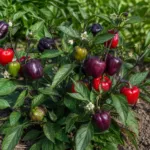 Purple Beauty (Capsicum annuum ‘Purple Beauty’)Capsicum annuum 'Purple Beauty'
 Numex Twilight (Capsicum annuum ‘Numex Twilight’)Capsicum annuum 'Numex Twilight'
 Explosive Ember Chili Pepper (Capsicum annuum ‘Explosive Ember’)Capsicum annuum 'Explosive Ember'