
 Source:
Aster dumosus short overview
Aster dumosus is a North American perennial formerly treated as an aster in the broad sense and now generally placed in Symphyotrichum. It forms upright to sprawling, branching stems with narrow green leaves and abundant small daisy-like flower heads in late summer and fall. The species suits sunny borders, native plantings and pollinator gardens, especially where soil ranges from dry to moist but remains well drained.
Taxonomic classification
Aster dumosus care guide
Light and placement
Grow in full sun for the strongest stems and heaviest flowering; morning or afternoon sun with light open shade is acceptable in hotter regions. An east- or south-facing border is suitable. Excessive shade can produce weak, lax growth and fewer flowers, while intense reflected heat may increase wilting if the root zone dries rapidly.
Watering and humidity
Water deeply when the upper few inches of soil become dry during establishment. Once established, the plant tolerates short dry periods but performs best with even moisture through the growing season. Reduce watering after flowering and in winter, while avoiding persistently saturated soil. Humidity generally needs no special management outdoors.
Soil and growing medium
Use a porous garden soil that drains freely yet holds moderate moisture. Sandy or loamy soils are appropriate; improve compacted ground with organic matter without creating a permanently wet pocket. A slightly acidic to neutral reaction is a practical target, but the species occupies varied soils in nature and does not require a highly specialized mix.
Feeding
In average garden soil, apply a thin layer of compost in spring or use a balanced, slow-release perennial fertilizer at label rate. Avoid repeated high-nitrogen feeding, which can encourage soft leafy growth and reduce sturdy flowering. Do not fertilize drought-stressed, newly divided or dormant plants until active growth resumes.
Growth and habit
This rhizomatous perennial develops a dense, branching clump and may spread gradually under favorable conditions. Stems can be erect to sprawling and may benefit from neighboring plants for support. Divide crowded clumps periodically, and remove spent stems after flowering to limit self-sowing and maintain a tidy planting.
Planting and repotting
Plant in spring after severe freezes or in early fall early enough for roots to establish before the ground freezes. Loosen the root zone, water thoroughly after planting and mulch lightly without covering the crown. Allow room for branching stems and gradual rhizomatous spread.
For container culture, transplant when roots fill the pot, preferably in spring. Use a well-drained perennial potting mix and a container with drainage holes. Shift the plant with minimal root disturbance, water thoroughly, and avoid placing a newly repotted plant in severe heat until it re-establishes.
Propagation and pruning
Propagation
Propagate by seed or division. Sow seed when fresh or provide the cold, moist period often needed for reliable germination. Divide established clumps in spring or early fall, ensuring each division has roots and growing points. Rhizomatous spread can also help natural increase.
Pruning
Cut back old stems in late fall after seed and wildlife value have passed, or leave them through winter and cut them to the ground in early spring. Light pinching before midsummer can encourage branching in tall forms, but late pruning may delay flowering.
Overwintering
Plants grown in the ground are generally winter hardy within their adapted USDA zones. Apply a light winter mulch in exposed or newly planted sites, keeping it away from the crown. Container plants experience colder root temperatures and may need sheltered placement or protection equivalent to one or two colder zones.
Uses
Useful in sunny perennial borders, native plantings, meadow-style gardens, roadside-style landscapes and pollinator gardens. Compact cultivated forms can suit containers if watered consistently. It is primarily ornamental and ecological; no culinary or medicinal use is established here.
Appearance
The plant has slender green stems, narrow alternate leaves and a distinctly branching, bushy outline. Flower heads are composed of ray florets surrounding yellow disk florets. Identification can be difficult because the species is variable and closely related to other North American Symphyotrichum asters.
Flowering
Flowering is concentrated from late summer into fall, with numerous small heads carried on branching stems. Individual heads combine showy ray florets with central disk florets, creating a broad seasonal display. Timing varies with latitude, climate, population and cultivar selection.
Pollination and visitors
The open composite flower heads provide accessible nectar and pollen for native bees, bumblebees, honeybees, butterflies and other flower-visiting insects. North American asters also support specialist bees and contribute late-season forage when fewer perennials are flowering.
Aster dumosus photos
Click any photo for a larger view. Source, author and license are shown separately.
Diseases and pests
Diseases
Possible problems include powdery mildew, rusts, leaf spots, gray mold, verticillium wilt and aster yellows. Improve air circulation, avoid overhead watering, remove infected debris and use clean planting stock. Remove and discard plants showing aster-yellows symptoms such as abnormal green flowers or severe distortion; no cure is available.
Pests
Aphids, mites, slugs, nematodes and chrysanthemum lace bug may occur, while rabbits may browse foliage. Inspect new growth and leaf undersides, encourage beneficial insects, and begin with hand removal or water sprays. Use targeted treatments only when damage is persistent and economically or aesthetically significant.
Related diseases and pests
Only Plant Doctor profiles whose host data indicate this plant may be affected are shown here.
 DiseaseAster yellows‘Candidatus Phytoplasma asteris’
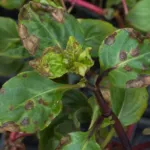 DiseaseImpatiens necrotic spot virus diseaseImpatiens necrotic spot orthotospovirus
 DiseaseSouthern blightAthelia rolfsii
 DiseasePhytophthora cryptogea Root and Crown RotPhytophthora cryptogea Pethybr. & Lafferty
 PestCabbage Stem Flea BeetlePsylliodes chrysocephala
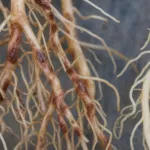 PestRoot-lesion nematodePratylenchus penetrans (Cobb) Filipjev & Schuurmans Stekhoven
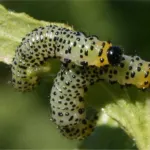 PestImported currantwormNematus ribesii
 PestGreen Peach AphidMyzus persicae
Toxicity and pollen
A reliable species-specific toxicity assessment for humans, dogs, cats and children was not confirmed in the reviewed authoritative sources. Avoid deliberate ingestion, supervise children and pets around plant material, and seek professional medical or veterinary advice if a substantial amount is eaten or symptoms develop.
- Typical season
- Late summer through fall
- Pollination / pollen
- Openly presented, insect-carried composite-flower pollen
The flowers produce pollen, but the open heads are primarily adapted for insect transfer rather than wind dispersal. Airborne exposure is therefore generally less prominent than with strongly wind-pollinated plants, though sensitive people may still react to contact or flower pollen. Avoid handling flowers during symptoms and seek clinical advice for persistent reactions.
Native habitat
The species occurs across varied eastern and central North American habitats, including roadsides, prairies, wetlands, sandhills and other open sites. It can grow in dry to moist settings and in sandy or otherwise well-drained soils, with local forms differing in appearance and ecological preference.
Interesting fact
The name Aster dumosus was published by Carl Linnaeus in 1753. Modern taxonomic treatments generally place the species in Symphyotrichum, while Aster dumosus remains an important historical and horticultural name. The epithet dumosus refers to a bushy habit. The species is notably variable across its broad range.
Frequently asked questions (FAQ)
The most relevant questions about this plant, with short and direct answers.
🌱Quick care
What is Aster dumosus?⌄
Aster dumosus is a cold-hardy, clump-forming perennial in the Asteraceae family, commonly treated in modern references as Symphyotrichum dumosum. It produces daisy-like flowers in late summer and fall.
Is Aster dumosus a perennial?⌄
Yes, Aster dumosus is a herbaceous perennial that returns from its roots each year. It becomes dormant after frost and regrows in spring.
How big does Aster dumosus get?⌄
Aster dumosus commonly reaches about 1 to 3 feet tall and can spread roughly 1 to 2 feet wide. Its final size varies by population, growing conditions, and cultivar.
What USDA zones can grow Aster dumosus?⌄
Aster dumosus is generally hardy in USDA Zones 3 through 8. In warmer areas, afternoon shade and reliable air circulation can help reduce heat and humidity stress.
🌤️Environment and placement
Does Aster dumosus need full sun?⌄
Aster dumosus grows best in full sun but tolerates partial shade. Plants receiving less light may become taller, less dense, and produce fewer flowers.
What soil is best for Aster dumosus?⌄
Use sandy to loamy, well-drained soil for Aster dumosus. It tolerates some moisture but performs poorly in soil that remains waterlogged for long periods.
Can Aster dumosus grow in clay soil?⌄
Aster dumosus can grow in clay soil if drainage is improved with organic matter and the planting site does not stay saturated. Raised beds or a gentle slope are useful where heavy clay drains slowly.
How much water does Aster dumosus need?⌄
Water Aster dumosus when the soil begins to dry, especially during its first growing season. Established plants tolerate some drought but flower and foliage quality are usually better with evenly moist, well-drained soil.
Can Aster dumosus grow in wet areas?⌄
Aster dumosus tolerates periodically moist soil, but it should not be planted where water stands continuously. Prolonged wetness increases the risk of root and stem problems.
Is Aster dumosus native to the United States?⌄
Yes, Aster dumosus is native to parts of eastern and central North America, including several regions of the United States. Its natural habitats include roadsides, prairies, wetlands, and sandy areas.
💧Care and problems
How do you care for Aster dumosus?⌄
Give Aster dumosus sun to partial shade, well-drained sandy or loamy soil, and moderate watering during dry periods. Remove diseased foliage and avoid keeping the plant constantly wet.
Why is my Aster dumosus falling over?⌄
Aster dumosus may fall over when it becomes too tall, crowded, or top-heavy, especially in partial shade or rich soil. Pinching or cutting the stems back by up to one-half in early to mid-June can encourage a shorter, fuller plant.
When should you cut back Aster dumosus?⌄
Cut Aster dumosus back after it becomes dormant in late fall or early winter. Removing the spent stems down to the plant’s basal foliage or near ground level improves appearance and reduces overwintering debris.
Should Aster dumosus be deadheaded?⌄
Deadheading Aster dumosus is optional because the plant can provide seed for wildlife and may self-seed. Remove faded flower heads if you want a tidier appearance or less volunteer growth.
What diseases affect Aster dumosus?⌄
Aster dumosus can develop leaf spot, rust, powdery mildew, and stem or root rot. Good air circulation, well-drained soil, careful watering, and removal of infected plant material help reduce disease pressure.
How do you prevent powdery mildew on Aster dumosus?⌄
Prevent powdery mildew by giving Aster dumosus adequate spacing, good air movement, and sufficient sunlight. Water the soil rather than wetting the foliage and remove badly affected leaves.
Does Aster dumosus spread aggressively?⌄
Aster dumosus can spread gradually by rhizomes and may also produce seedlings. Divide or thin the plant when it begins crowding neighboring perennials.
🪴Planting and repotting
When should you plant Aster dumosus?⌄
Plant Aster dumosus in spring after the ground can be worked or in early fall before the soil freezes. Spring planting gives roots more time to establish before winter in colder climates.
How far apart should Aster dumosus be planted?⌄
Space Aster dumosus about 18 to 24 inches apart for good air circulation and room to spread. Use wider spacing for larger forms or in humid climates where mildew is a concern.
Can Aster dumosus grow in a container?⌄
Aster dumosus can grow in a container if the pot has drainage holes and is large enough for its spreading roots. Use a well-drained potting mix, water when the surface begins to dry, and protect the container from extreme winter exposure.
Does Aster dumosus need fertilizer?⌄
Aster dumosus usually needs little fertilizer when planted in reasonably fertile soil. Excess nitrogen can produce weak, leafy growth and fewer flowers, so use a light, balanced feeding only if growth is poor.
✂️Propagation and pruning
How do you propagate Aster dumosus?⌄
Propagate Aster dumosus by seed or division. Division is the more predictable method for maintaining a plant’s existing characteristics, while seedlings may vary.
Can Aster dumosus be grown from seed?⌄
Yes, Aster dumosus can be grown from seed, and some seeds benefit from about one to three months of cold, moist stratification before sowing. Germination is commonly fastest near 70 to 75°F after the cold period.
When should Aster dumosus be divided?⌄
Divide Aster dumosus in early spring as new growth begins or in fall after flowering and dormancy approaches. Replant divisions promptly and keep them evenly moist while they establish.
Can Aster dumosus grow from cuttings?⌄
Aster dumosus can be propagated from softwood cuttings taken in late spring. Use healthy nonflowering shoots and a clean, well-drained rooting medium.
⚠️Toxicity and safety
Is Aster dumosus toxic to dogs and cats?⌄
The toxicity of Aster dumosus is not firmly established in the available plant-safety references. Prevent pets from eating large amounts of any ornamental plant, and contact a veterinarian or pet poison service if ingestion causes symptoms.
Is Aster dumosus safe for humans?⌄
Aster dumosus has no well-established human toxicity profile in the available evidence, but it should not be eaten unless specifically identified as edible by a reliable authority. Handling plants can also cause irritation or allergic reactions in sensitive people.
🌸Flowering and special interest
When does Aster dumosus bloom?⌄
Aster dumosus generally blooms from late summer into fall, with timing varying by climate and local form. Flowering may continue later in warm regions or be shortened by early frost.
What color are Aster dumosus flowers?⌄
Aster dumosus typically produces small daisy-like flowers with pink, lavender, purple, or occasionally whitish rays surrounding a yellow center. Flower color can vary among wild populations and cultivated selections.
Does Aster dumosus attract pollinators?⌄
Yes, the flowers of Aster dumosus can provide late-season nectar and pollen for bees, butterflies, and other flower-visiting insects. Its fall bloom makes it especially useful when fewer garden plants are flowering.
Is Aster dumosus good for cut flowers?⌄
Aster dumosus can be used as a cut flower when stems are harvested as the buds begin opening. Place freshly cut stems in clean water and remove foliage that would sit below the waterline.
Similar plants
 Yellow lantern chili (Capsicum chinense) care guideCapsicum chinense
 Capsicum baccatum care guideCapsicum baccatum
 Serrano (Capsicum annuum ‘Serrano’)Capsicum annuum 'Serrano'
 Purple Beauty (Capsicum annuum ‘Purple Beauty’)Capsicum annuum 'Purple Beauty'
 Numex Twilight (Capsicum annuum ‘Numex Twilight’)Capsicum annuum 'Numex Twilight'
 Explosive Ember Chili Pepper (Capsicum annuum ‘Explosive Ember’)Capsicum annuum 'Explosive Ember'