
 Source:
 He tree aloe (Aloidendron barberae) short overview
He tree aloe is a spectacular succulent tree from the subtropical coastal forests and dry valleys of southeastern Africa. It develops a smooth gray trunk, strongly forked branches, and rosettes of long, deeply channelled green leaves. Mature plants can become enormous in frost-free landscapes, while winter brings upright cylindrical racemes of salmon-pink to rose-pink tubular flowers with green-tipped buds.
Taxonomic classification
He tree aloe (Aloidendron barberae) care guide
Light and placement
Give established plants full sun, ideally with an unobstructed southern or western exposure in the United States. Young plants can take bright filtered light or light afternoon shade before gradually acclimating. Too little light produces stretched growth and a sparse crown; intense heat reflected from walls can scorch leaves, especially after a sudden move into full sun.
Watering and humidity
Water deeply, then allow the soil to dry substantially before watering again. During warm active growth, irrigate when the root zone is dry several inches down; reduce frequency in cool weather and keep the plant nearly dry during prolonged cold. Never leave the container standing in water. Average household humidity is adequate, provided ventilation is good.
Soil and growing medium
Use a sharply draining mineral mix containing coarse sand, pumice, perlite or small gravel, with only a modest amount of organic matter. In the ground, plant on a raised or naturally sloping site if drainage is slow. Slightly acidic through slightly alkaline soil is tolerated, but persistent saturation is the main root-health risk.
Feeding
Feed in spring and summer with a balanced, dilute fertilizer or a light application of controlled-release fertilizer formulated for succulents. A thin compost mulch can be used outdoors, kept away from the trunk. Do not fertilize drought-stressed, newly transplanted or dormant plants, and avoid heavy nitrogen that encourages weak, lush growth.
Growth and habit
This species branches repeatedly by forking, eventually producing a broad, rounded crown above a substantial trunk. It can grow quickly in warm, bright conditions but remains much smaller in containers. Allow generous clearance from buildings, paving and overhead structures because the trunk base and crown become imposing with age.
Planting and repotting
Choose the warmest, brightest, best-drained part of the landscape. Set the root ball level with the surrounding soil and keep the trunk base dry and uncovered. Water periodically during the first growing season while roots establish, then extend the interval as the plant becomes drought tolerant. Container-grown plants should be planted out only where winter protection is reliable.
Repot container plants in spring or early summer when growth is active. Move to a heavy, stable pot only one size larger, using a mineral-rich succulent mix with a large drainage hole. Handle the root ball gently, keep the trunk base above the mix and wait several days before the first thorough watering.
Propagation and pruning
Propagation
Fresh seed can be sown in a very free-draining medium and kept warm with light moisture until germination. Large stem cuttings or truncheons are also documented and can root after the cut surface has thoroughly dried. Plant cuttings in a gritty mix and water sparingly until roots form; warm weather is the most practical timing.
Pruning
Prune only to remove damaged, dead or dangerously positioned growth. Remove spent flower stalks after flowering if desired, cutting close to the rosette without injuring new leaves. Large structural cuts should be planned carefully because the plant develops a permanent tree framework; allow cut surfaces to dry and keep them protected from prolonged wet weather.
Overwintering
In USDA Zones 10b–11b, protect from frost with a sheltered, well-drained position. In colder areas, grow young plants in containers and overwinter them in a bright, cool, frost-free space. Keep watering limited during cool weather, provide strong light and move plants outdoors gradually in spring to prevent sunburn.
Uses
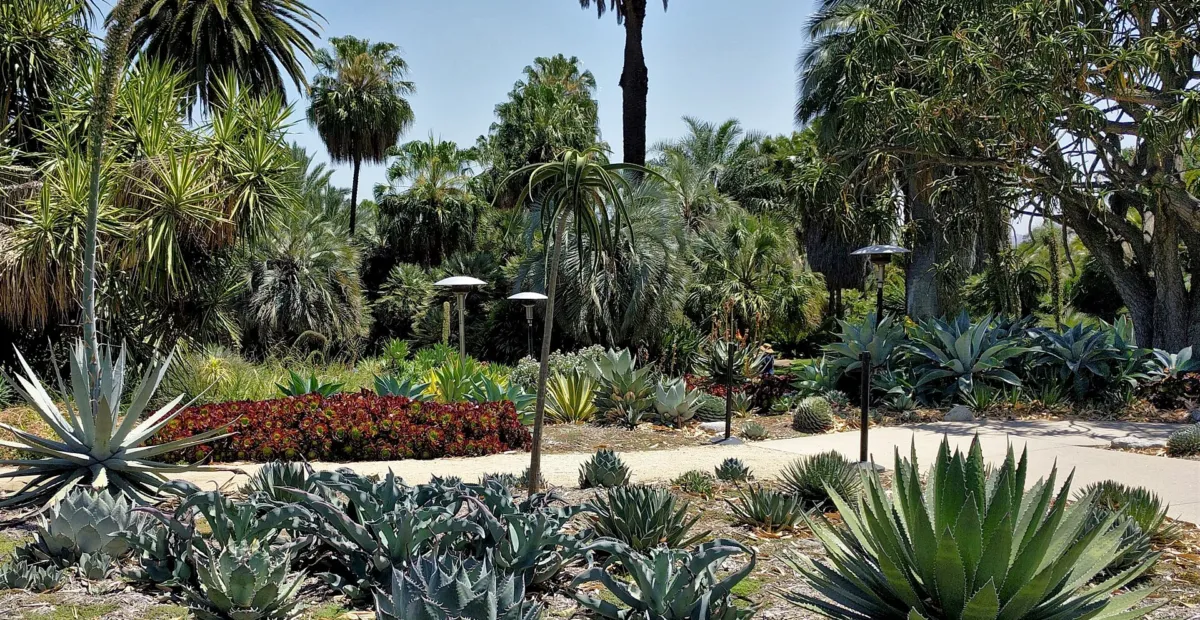
Used as a dramatic specimen or architectural accent in frost-free landscapes, succulent gardens and large containers. It is especially effective as a focal tree where its branching silhouette and winter flower display can be appreciated. Because the trunk and crown become large, keep it away from foundations, narrow paths, utility lines and confined courtyards.
Appearance
The smooth gray trunk supports repeated dichotomous branches, each ending in a dense rosette. Leaves are dull to dark green, long, narrow, deeply channelled and recurved, with firm whitish teeth along the margins. Upright cylindrical racemes rise above the rosettes, making the species distinctive among large tree aloes.
Flowering
Inflorescences arise from the rosettes on stout stalks and are simple or divided into several branches. The dense cylindrical racemes carry tubular flowers about 1.2–1.5 inches long. Salmon-pink to rose-pink flowers open from green-tipped buds, with the stamens and style extending beyond the perianth.
Pollination and visitors
The tubular, nectar-rich flowers are associated with sunbird visitation, and bees also collect nectar. Bird pollination is the best-supported characteristic pollination syndrome, while the available evidence does not justify naming one particular bee species as the primary pollinator.
Aloidendron barberae photos
Click any photo for a larger view. Source, author and license are shown separately.
Diseases and pests
Diseases
Root and stem rot are the principal concerns when soil remains wet or airflow is poor. Use porous soil, avoid irrigation during cold spells and inspect the trunk base for soft, darkened tissue. Remove severely affected material with sterile tools and correct drainage. Sunburn and cold damage can resemble disease, so assess recent weather and exposure before treating.
Pests
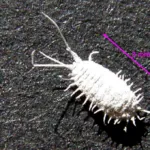
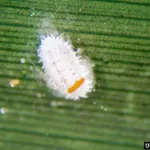
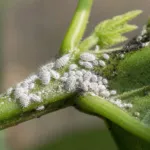
Watch for scale, mealybugs and spider mites, especially on container plants kept indoors. Inspect leaf bases and branch joints regularly. Wipe small infestations away or use a targeted horticultural oil or insecticidal soap according to the product label, avoiding treatment during extreme heat and testing sensitive plants first.
Related diseases and pests
Only Plant Doctor profiles whose host data indicate this plant may be affected are shown here.

Toxicity and pollen
Authoritative species-specific toxicity information for Aloidendron barberae is limited and should not be inferred from the absence of a warning. The sap and leaf tissue are not recommended for ingestion, and handling cut material may irritate sensitive skin. Keep plant debris away from children and animals and seek professional advice after ingestion or a significant exposure.
- Typical season
- Typically winter to early spring in warm U.S. climates
- Pollination / pollen
- Pollen is released within tubular, animal-visited flowers rather than carried primarily by wind.
This is an insect- and bird-visited flowering succulent, not a wind-pollinated plant, so its pollen is not expected to disperse widely through the air. Species-specific allergy studies are limited, however, so a zero-risk claim is not justified. People with strong pollen or plant-sap sensitivities should avoid direct exposure to flowers and cut tissue.
Native habitat
It occurs in subtropical coastal forests, kloofs, dry valleys and seasonally dry eastern regions of southern Africa. Natural sites generally have warm summers, mild winters, seasonal rainfall and soils that drain freely. It is not a desert specialist in the strict sense and benefits from some moisture during active growth, while remaining sensitive to prolonged waterlogging.
Interesting fact
It is among the tallest plants historically treated as aloes, reaching about 15–18 m in favorable habitat. The accepted genus was changed from Aloe to Aloidendron, reflecting its tree-like growth and relationships. Older horticultural literature may list the plant under Aloe barberae or Aloe bainesii.
Frequently asked questions (FAQ)
The most relevant questions about this plant, with short and direct answers.
🌱Quick care
What is Aloidendron barberae called in the United States?⌄
Aloidendron barberae is commonly called he tree aloe in the United States. It was formerly classified under the names Aloe barberae and Aloe bainesii, so those names may still appear on older plant labels.
How much sunlight does he tree aloe need?⌄
He tree aloe grows best in full sun to bright filtered light. Young plants can tolerate some shade, but gradually acclimate them to stronger sunlight to reduce the risk of leaf scorch.
How often should I water Aloidendron barberae?⌄
Water Aloidendron barberae thoroughly, then allow the soil to dry substantially before watering again. Established plants are drought tolerant, but they can grow faster with moderate summer water if drainage is excellent.
Is he tree aloe drought tolerant?⌄
Yes, he tree aloe is drought tolerant once established. It still benefits from occasional deep watering during prolonged summer heat or drought, especially when grown in a container or fast-draining soil.
Is Aloidendron barberae a tree or a succulent?⌄
Aloidendron barberae is a tree-forming succulent in the Asphodelaceae family. It develops a thick, branching trunk topped with rosettes of fleshy, recurved leaves.
🌤️Environment and placement
What USDA hardiness zone is suitable for he tree aloe?⌄
He tree aloe is generally best suited to warm, nearly frost-free parts of USDA Zones 10 and 11. It may survive in sheltered Zone 9b locations, but frost protection and careful site selection are important.
Can Aloidendron barberae survive frost?⌄
Aloidendron barberae is frost sensitive and should be protected from freezing temperatures. Young plants and plants exposed to wet cold are especially vulnerable, so use frost cloth, overhead protection, or move container plants indoors during cold events.
Can he tree aloe grow outdoors in California?⌄
He tree aloe can grow outdoors in many mild coastal and Southern California gardens. Choose a sunny, well-drained site and protect young plants from frost, unusually cold weather, and poorly drained winter soil.
Can I grow Aloidendron barberae in Arizona or the desert Southwest?⌄
Aloidendron barberae may struggle in parts of the desert Southwest because extreme summer heat, dry air, intense sun, and occasional freezes can all cause stress. Provide afternoon protection in the hottest locations and avoid planting it where winter cold is common.
How much space does he tree aloe need?⌄
Give he tree aloe ample room for its trunk, roots, branches, and mature crown. Do not crowd it between buildings, walls, or hardscape, because mature specimens can become very large and are difficult to relocate.
Can Aloidendron barberae grow in a container?⌄
Yes, young Aloidendron barberae grows well in a large container with drainage holes and gritty soil. Container culture is useful in frost-prone areas, although a pot restricts the plant’s eventual size and requires more frequent monitoring of water and roots.
💧Care and problems
What soil is best for he tree aloe?⌄
Use fast-draining sandy or gritty soil for he tree aloe. A cactus-and-succulent mix amended with pumice, perlite, coarse sand, or another mineral material is preferable to heavy clay or moisture-retentive potting soil.
Why are the leaves of my Aloidendron barberae turning yellow?⌄
Yellow leaves on Aloidendron barberae most often indicate excess moisture, poor drainage, or insufficient light. Check that the soil dries between waterings, inspect the roots for rot, and move the plant to brighter light if needed.
Why is my he tree aloe turning brown or scorched?⌄
Brown or scorched leaves can result from sudden exposure to intense sun, freezing temperatures, or prolonged heat and dryness. Protect recently moved plants from abrupt light changes and check whether cold damage or watering stress occurred.
What pests attack Aloidendron barberae?⌄
Aloidendron barberae is fairly pest resistant, but white leaf scale and other sap-sucking insects may occur. Small infestations can often be washed away with a strong stream of water, while severe infestations may require an appropriate labeled treatment.
What is aloe cancer on he tree aloe?⌄
Aloe cancer is a mite-associated problem that can deform developing flower clusters on he tree aloe. Remove badly affected inflorescences with sterilized tools when practical, and avoid spreading the problem by cleaning tools between cuts.
🪴Planting and repotting
When is the best time to plant Aloidendron barberae outdoors?⌄
Plant Aloidendron barberae during the warm growing season after the risk of frost has passed. Warm soil helps roots establish quickly, while planting before a cold or wet period increases the risk of rot and transplant stress.
How do I plant he tree aloe in the ground?⌄
Plant he tree aloe slightly high or level with the surrounding soil in a sunny, sharply drained location. Backfill with gritty soil, avoid burying the trunk, and water lightly at first until new roots begin to establish.
Should I plant Aloidendron barberae on a slope or raised bed?⌄
A slope or raised bed can improve drainage for Aloidendron barberae, especially in regions with wet winters or heavy soil. The goal is to prevent water from pooling around the roots and trunk base.
How often should I repot he tree aloe?⌄
Repot he tree aloe when roots fill the container, drainage declines, or the plant becomes unstable, usually every few years while young. Move it into only a slightly larger pot and avoid watering immediately if roots were damaged.
✂️Propagation and pruning
How do I propagate Aloidendron barberae from cuttings?⌄
Propagate Aloidendron barberae by taking a healthy stem or branch cutting, allowing the cut surface to dry and callus, then planting it in coarse, sandy, barely moist soil. Keep it warm and bright, but avoid frequent watering until roots develop.
How long do he tree aloe cuttings take to root?⌄
He tree aloe cuttings commonly root within about one to three months under warm, well-drained conditions. Rooting time varies with cutting size, temperature, humidity, season, and whether the cutting is kept too wet.
Can I grow Aloidendron barberae from seed?⌄
Yes, Aloidendron barberae can be grown from seed, although seedlings develop more slowly at first than established cuttings. Sow fresh seed in a sterile, sharply draining medium, keep it lightly moist, and provide warmth and bright filtered light.
Can I cut the trunk of he tree aloe to make it branch?⌄
A trunk or branch cut can stimulate branching or new rosettes, but it permanently changes the plant’s form and creates a wound that can rot if kept wet. Prune only when necessary, use sterile tools, and let cut surfaces dry.
Does Aloidendron barberae need regular pruning?⌄
Aloidendron barberae does not need regular pruning. Remove dead, damaged, diseased, or obstructive growth, and use clean, sharp tools; extensive pruning is difficult to reverse on a mature specimen.
⚠️Toxicity and safety
Is he tree aloe toxic to dogs or cats?⌄
The toxicity of he tree aloe is not well established, so do not assume it is safe for dogs, cats, or other pets to chew. Keep pets from eating the leaves and contact a veterinarian or poison-control service if ingestion occurs.
Is Aloidendron barberae safe for children?⌄
Aloidendron barberae should be treated cautiously around children because its toxicity is not well established and its leaves have toothed margins. Keep the plant out of reach and discourage handling or chewing.
Does he tree aloe have sharp leaves or spines?⌄
He tree aloe has fleshy leaves with toothed margins rather than the soft, smooth leaves of aloe vera. Place it away from walkways and play areas where the leaf edges could cause scratches.
🌸Flowering and special interest
When does Aloidendron barberae bloom?⌄
Aloidendron barberae typically flowers from late fall into winter in its native southern-hemisphere seasonal cycle, though garden timing varies by climate. Mature, well-established plants are more likely to bloom than young container specimens.
What color are he tree aloe flowers?⌄
He tree aloe produces tubular rose-pink to pink-orange flowers, often with greenish tips, on branched flower clusters. The blooms can attract nectar-feeding birds where suitable pollinators are present.
How old does Aloidendron barberae need to be before flowering?⌄
Aloidendron barberae usually needs to reach substantial maturity before flowering, and there is no dependable universal age because climate, light, water, nutrition, and plant size all matter. Small nursery plants may remain vegetative for years.
Why is my he tree aloe not flowering?⌄
A young age, insufficient light, cool conditions, root stress, or excessive nitrogen can prevent he tree aloe from flowering. Give it strong light, excellent drainage, appropriate seasonal watering, and time to reach maturity.
Similar plants
 Azure Monkshood (Aconitum carmichaelii) care guideAconitum carmichaelii
 Monkshood (Aconitum ‘Stainless Steel’)Aconitum 'Stainless Steel'
 Monkshood (Aconitum ‘Bressingham Spire’)Aconitum 'Bressingham Spire'
 Golden full moon maple (Acer shirasawanum ‘Aureum’)Acer shirasawanum 'Aureum'
 Globosum (Acer platanoides ‘Globosum’)Acer platanoides 'Globosum'
 Striped maple (Acer pensylvanicum) care guideAcer pensylvanicum