
 Source:
 Hibiscus rosa-sinensis short overview
Hibiscus rosa-sinensis is a tropical evergreen shrub with glossy leaves and large, vividly colored flowers built around a prominent central staminal column. It blooms most freely in warm, bright conditions and is valued across the United States as a patio, container, conservatory, or houseplant specimen. Protect it from frost, provide evenly moist but well-drained soil, and expect flowers to last about one day even when buds are produced repeatedly.
Taxonomic classification
Hibiscus rosa-sinensis care guide
Light and placement
Provide at least 6 hours of direct sun outdoors where heat and moisture are adequate; morning sun with afternoon protection is useful in very hot climates. Indoors, place it at the brightest window or under strong grow lights. Too little light causes weak, stretched growth, fewer flowers, and bud drop; excessive reflected heat or abrupt intense sun can scorch leaves.
Watering and humidity
Water thoroughly when the surface begins to dry, then let excess drain completely. Keep the root zone evenly moist during active growth, but do not leave the pot standing in water. Increase frequency during hot, sunny weather and reduce it in cool, dim winter conditions. High humidity helps indoor plants, especially when heating dries the air.
Soil and growing medium
Use a fertile, moisture-retentive but well-drained potting mix or garden soil. A loamy mix enriched with organic matter supports vigorous growth, but standing water can damage the roots. Slightly acidic to neutral conditions are generally suitable. Containers should have open drainage holes and should not sit in runoff.
Feeding
Feed during active growth with a balanced, dilute fertilizer every 2–4 weeks, following the product label. Container plants benefit from regular feeding because frequent watering can leach nutrients. Reduce or stop fertilizer during cool, low-light winter conditions and never fertilize severely wilted, recently repotted, or dormant plants until they recover.
Growth and habit
This woody perennial develops branching, upright to broadly bushy growth and flowers on new growth. It can become leggy in insufficient light and may shed leaves or buds after abrupt environmental changes. Regular pinching or pruning, consistent moisture, and strong light help maintain a compact, productive plant.
Planting and repotting
Plant outdoors after the danger of frost has passed and nighttime temperatures remain reliably warm. Set the root ball at the same depth as in its nursery container. Space landscape plants about 5–8 feet apart when a broad specimen is desired, allowing room for airflow and mature branching. Water consistently during establishment.
Repot container plants in spring when roots fill the pot or growth slows. Move up only one pot size, refresh part of the mix, and avoid burying the stem deeper than it was previously planted. After repotting, water thoroughly and keep the plant in bright, sheltered light while it re-establishes.
Propagation and pruning
Propagation
Semi-ripe or softwood stem cuttings are the usual practical method and root best during warm, actively growing weather under high humidity. Seeds can be used, but seedlings may vary from the parent and are less predictable for named flower forms. Use clean tools and a sterile, free-draining rooting medium.
Pruning
Prune in late winter or early spring, or after a major flowering flush, shortening long shoots to encourage branching. Because flowers develop on new growth, moderate cutting back can improve compactness and flowering. Remove weak, damaged, or crossing stems and avoid severe pruning while the plant is stressed by cold, drought, or recent relocation.
Overwintering
Before temperatures approach 40°F, move container plants indoors or into a warm protected structure. Inspect for pests, acclimate gradually to lower indoor light, and place in the brightest available location. Water less often in winter but do not allow the root ball to become bone dry. Return outdoors gradually after stable warm weather returns.
Uses
Used primarily as a flowering ornamental, patio and balcony container plant, houseplant, conservatory specimen, hedge, screen, or accent shrub in frost-free landscapes. It can contribute to pollinator-oriented plantings where flowers are accessible, although double cultivars may be less useful to visitors. Culinary or medicinal use should not be inferred for an unidentified ornamental plant.
Appearance
Leaves are simple, alternate, glossy, ovate to elliptic, and toothed, with visible palmate venation. Stems become woody with age. The most recognizable feature is the long central staminal column projecting from each large flower. Cultivars range from single to double blooms and may have green or variegated foliage.
Flowering
Flowers are usually solitary and funnel-shaped, with four or five petals and a conspicuous staminal column extending beyond the corolla. Single and double forms occur. Individual blooms commonly last only one day, but new flowers can appear repeatedly during warm, actively growing periods. Outdoor bloom is strongest in summer and may continue into fall; indoor plants can flower outside a fixed season when warmth and light are adequate.
Pollination and visitors
The large, exposed flowers are documented as attracting specialized bees, butterflies, and hummingbirds. Visitor activity is greatest in warm, bright weather. Double-flowered cultivars may be less accessible to pollinators than open single flowers. No single pollinator species is assigned here because the available evidence supports visitor groups rather than one consistently documented species.
Hibiscus rosa-sinensis photos
Click any photo for a larger view. Source, author and license are shown separately.
Diseases and pests
Diseases
Prevent problems by avoiding waterlogged soil, improving air circulation, and watering at the root zone rather than over the foliage. Watch for root rot in persistently wet media and fungal leaf spotting during prolonged humidity. Remove badly affected leaves, correct cultural conditions, and avoid unnecessary broad-spectrum treatments.
Pests
Scale insects are a common concern; aphids, whiteflies, mealybugs, and spider mites may also occur, especially on stressed indoor plants. Inspect leaf undersides and new growth regularly. Isolate affected containers, wash foliage where practical, and use horticultural oil or insecticidal soap according to the product label, testing sensitive cultivars first.
Related diseases and pests
Only Plant Doctor profiles whose host data indicate this plant may be affected are shown here.
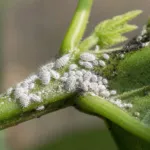 PestCotton mealybugPhenacoccus solenopsis Tinsley
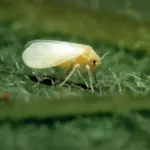 PestSweetpotato whiteflyBemisia tabaci species complex
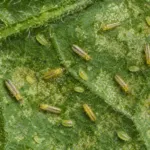 PestMelon thripsThrips palmi Karny
 PestMelon aphid (cotton aphid)Aphis gossypii Glover
 Environmental stressWaterlogging
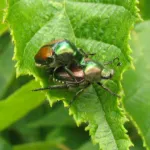 PestJapanese beetlePopillia japonica
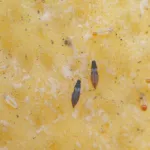 PestGreenhouse thripsHeliothrips haemorrhoidalis
 PestBrown Garden SnailCornu aspersum (Müller, 1774)
Toxicity and pollen
Independent species-specific toxicity evidence is limited. Do not assume that an absence of a poisoning record proves complete safety. Prevent children and pets from chewing plant material, and seek professional medical or veterinary advice after significant ingestion or if symptoms develop.
- Typical season
- No dependable United States airborne-pollen season established
- Pollination / pollen
- Flower pollen dispersed mainly during insect visits; airborne relevance not well established
Hibiscus rosa-sinensis is generally insect-visited, but insect pollination does not prove that its pollen cannot affect sensitive people. Reliable United States data defining airborne pollen concentrations or a predictable allergy season for this cultivated ornamental are limited, so allergy relevance is marked unknown. Avoid deliberate inhalation of floral pollen and consult a clinician for recurring symptoms.
Native habitat
The cultivated plant is associated with warm tropical and subtropical climates and is commonly grown in seasonally dry tropical conditions. It performs best in frost-free settings with warmth, bright light, organic matter, and reliable moisture but good drainage. In temperate regions it is usually maintained in containers or protected indoor spaces.
Interesting fact
The cultivated plant is associated with a complex hybrid history rather than a clearly defined wild native range. Its flowers may be up to about 6 inches across. The central staminal column combines the stamens and style into one conspicuous structure. Double-flowered cultivars may obscure or reduce the typical central floral display.
Frequently asked questions (FAQ)
The most relevant questions about this plant, with short and direct answers.
🌱Quick care
How do you care for Hibiscus rosa-sinensis?⌄
Give Hibiscus rosa-sinensis full sun to partial shade, evenly moist well-drained soil, regular feeding during active growth, and protection from freezing temperatures. It also needs good airflow and higher humidity when grown indoors.
Is Hibiscus rosa-sinensis an indoor or outdoor plant?⌄
Hibiscus rosa-sinensis can be grown outdoors in warm, frost-free areas or indoors in a bright window. In most of the United States, grow it in a container so it can be moved inside before cold weather.
🌤️Environment and placement
How much sun does Hibiscus rosa-sinensis need?⌄
Hibiscus rosa-sinensis grows best with at least 6 hours of direct sun daily, although it tolerates partial shade. Indoors, place it near a bright south- or southwest-facing window or provide supplemental lighting.
What temperature is too cold for Hibiscus rosa-sinensis?⌄
Protect Hibiscus rosa-sinensis when temperatures approach 50°F, and never expose it to freezing temperatures. Cold below about 35°F can cause severe damage or kill the plant.
Can Hibiscus rosa-sinensis grow outside year-round in the United States?⌄
It can grow outdoors year-round only in warm, frost-free parts of the United States, generally USDA Zones 9–12 with suitable local conditions. Elsewhere, grow it as a container plant and overwinter it indoors.
Can Hibiscus rosa-sinensis grow in shade?⌄
Hibiscus rosa-sinensis tolerates partial shade but flowers best in bright light or full sun. Too much shade commonly causes weak, stretched growth and fewer blooms.
Does Hibiscus rosa-sinensis need high humidity?⌄
Hibiscus rosa-sinensis benefits from moderate to high humidity, especially indoors during winter. Grouping plants, using a humidifier, or placing the pot on a pebble tray can help, but keep the pot above standing water.
💧Care and problems
How often should you water Hibiscus rosa-sinensis?⌄
Water Hibiscus rosa-sinensis when the surface of the soil begins to dry, keeping the root ball evenly moist but never waterlogged. Plants in full sun, small containers, or hot weather may need water more frequently.
Why are the leaves on my Hibiscus rosa-sinensis turning yellow?⌄
Yellow leaves can result from overwatering, poor drainage, low light, cold temperatures, or normal adjustment after moving the plant indoors. Check the roots and soil moisture first, then improve light and protect the plant from drafts.
Why is my Hibiscus rosa-sinensis dropping leaves?⌄
Leaf drop is commonly caused by a sudden change in light, temperature, location, watering, or humidity. Inspect the plant for pests, keep conditions stable, and avoid allowing the soil to become either bone-dry or waterlogged.
Why are the buds falling off my Hibiscus rosa-sinensis?⌄
Bud drop can follow inconsistent watering, low light, cold temperatures, low humidity, overfertilizing, or sudden relocation. Keep the plant warm and evenly moist, provide strong light, and avoid moving it while buds are developing.
What pests attack Hibiscus rosa-sinensis?⌄
Common pests include aphids, scale, spider mites, whiteflies, thrips, and mealybugs. Inspect leaf undersides and stems regularly, isolate affected plants, and use an appropriate labeled treatment if pests appear.
What soil is best for Hibiscus rosa-sinensis?⌄
Use fertile, moisture-retentive, well-drained loam outdoors or a quality container mix indoors. The soil should hold moisture without remaining saturated around the roots.
Should you fertilize Hibiscus rosa-sinensis?⌄
Yes, fertilize Hibiscus rosa-sinensis during active growth with a balanced fertilizer according to the product label. Reduce or stop feeding when growth slows in winter, especially after bringing the plant indoors.
🪴Planting and repotting
When should you plant Hibiscus rosa-sinensis outside?⌄
Plant or move Hibiscus rosa-sinensis outdoors after the danger of frost has passed and nighttime temperatures are consistently warm. Acclimate an indoor plant gradually to stronger sunlight to reduce leaf scorch.
Can Hibiscus rosa-sinensis grow in the ground?⌄
Hibiscus rosa-sinensis can grow in the ground where winters are frost-free and the soil drains well. In colder regions, container growing is safer because the plant must be protected from freezing weather.
When should you repot Hibiscus rosa-sinensis?⌄
Repot Hibiscus rosa-sinensis when roots circle the container, emerge from drainage holes, or the plant dries out unusually quickly. Move it into a pot only slightly larger than the current one and use fresh, well-drained mix.
Does Hibiscus rosa-sinensis need a large pot?⌄
Hibiscus rosa-sinensis needs a stable container with good drainage, but an excessively large pot can stay wet too long and encourage root problems. Increase pot size gradually as the roots fill the existing container.
✂️Propagation and pruning
How do you propagate Hibiscus rosa-sinensis?⌄
Propagate Hibiscus rosa-sinensis most reliably from softwood or semi-ripe stem cuttings. Use a healthy 3- to 5-inch cutting, remove the lower leaves, place it in a moist rooting medium, and maintain warmth and humidity.
Can you grow Hibiscus rosa-sinensis from seed?⌄
You can grow Hibiscus rosa-sinensis from seed, but seedlings may differ from the parent plant and may take longer to flower. Stem cuttings are preferred when you want a genetically identical plant.
When is the best time to take Hibiscus rosa-sinensis cuttings?⌄
The best time to take Hibiscus rosa-sinensis cuttings is during active growth in late spring or early summer. Warm temperatures, high humidity, and bright indirect light improve rooting success.
When should you prune Hibiscus rosa-sinensis?⌄
Prune Hibiscus rosa-sinensis in late winter or early spring to shape it and encourage new flowering shoots. Light pruning can be done at other times, but heavy pruning during active growth may temporarily reduce flowers.
How do you prune Hibiscus rosa-sinensis?⌄
Use clean, sharp pruners to remove dead, weak, crossing, or overcrowded branches, then shorten long stems to encourage branching. Avoid removing too much foliage at once, especially before the plant has resumed strong growth.
⚠️Toxicity and safety
Is Hibiscus rosa-sinensis toxic to dogs or cats?⌄
Species-specific toxicity information for Hibiscus rosa-sinensis is not fully consistent, so prevent dogs, cats, children, and other pets from ingesting the plant. Contact a veterinarian or poison-control service if a substantial amount is eaten or symptoms develop.
🌸Flowering and special interest
Why is my Hibiscus rosa-sinensis not blooming?⌄
Lack of blooms is usually caused by insufficient light, excessive nitrogen, cold temperatures, root stress, or pruning at the wrong time. Provide strong light, steady moisture, suitable fertilizer, and warm conditions while allowing new growth to develop.
Does Hibiscus rosa-sinensis bloom on new or old wood?⌄
Hibiscus rosa-sinensis flowers primarily on new growth. Pruning can encourage branching and more flowering shoots, although heavy pruning may delay blooms until new growth develops.
How long do Hibiscus rosa-sinensis flowers last?⌄
Individual flowers of Hibiscus rosa-sinensis usually last about one day, sometimes extending into a second day under favorable conditions. A healthy plant can produce many buds in succession during warm, bright weather.
How do you make Hibiscus rosa-sinensis bloom more?⌄
Provide strong sunlight, warm temperatures, evenly moist soil, and regular but not excessive fertilization during active growth. Pinching growing tips or pruning lightly encourages branching, which creates more sites for flowers.
Similar plants
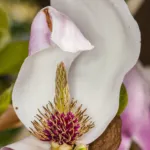 Saucer Magnolia (Magnolia soulangeana) care guideMagnolia soulangeana
 Magnolia × loebneri ‘Merrill’Magnolia × loebneri 'Merrill'
 Magnolia loebneri care guideMagnolia loebneri
 Sweetbay magnolia (Magnolia virginiana) care guideMagnolia virginiana
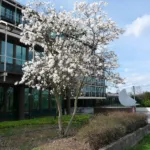 Star magnolia (Magnolia stellata) care guideMagnolia stellata
 Magnolia sprengeri care guideMagnolia sprengeri