
 Source:
 Rose of Sharon ‘Red Heart’ (Hibiscus ‘Syriacus Red Heart’) short overview
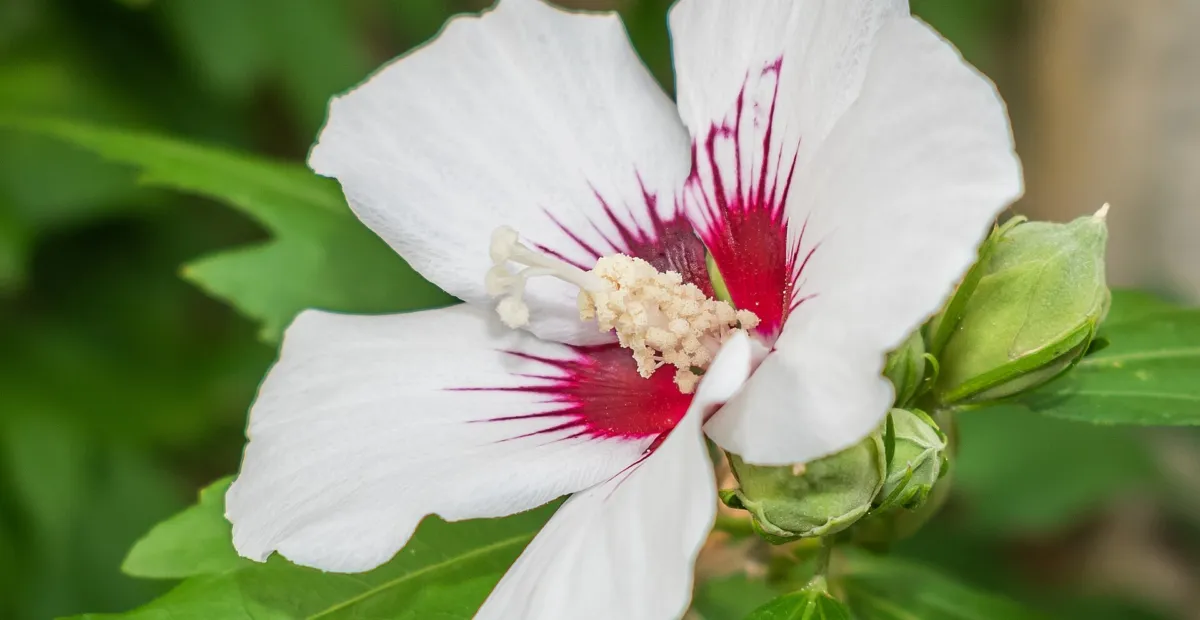
Hibiscus 'Syriacus Red Heart' is a deciduous Rose of Sharon cultivar valued for its upright habit and single white flowers marked by vivid red centers. It flowers on new wood in late summer and performs best in full sun with moist, well-drained soil. This long-lived shrub suits borders, screens, foundation plantings, and pollinator-oriented gardens across much of the United States. A hardy deciduous Rose of Sharon cultivar with single white flowers and deep red centers, an upright habit, and late-summer bloom.
Taxonomic classification
Rose of Sharon ‘Red Heart’ (Hibiscus ‘Syriacus Red Heart’) care guide
Light and placement
Place in full sun, ideally with a south- or west-facing exposure and good air circulation. Partial shade is tolerated, but too little light can reduce flowering and produce looser growth. Excessive heat is usually manageable if the root zone does not dry severely. Leggy shoots, sparse buds, and weaker flowering commonly indicate inadequate light.
Watering and humidity
Water deeply when the upper soil begins to dry, especially during the first growing season and during prolonged summer heat. Once established, the shrub tolerates short dry periods but flowers better with steady moisture. Reduce irrigation in cool weather and avoid frequent shallow watering or constantly saturated soil.
Soil and growing medium
Use a fertile, well-drained soil that retains moderate moisture without remaining waterlogged. Rose of Sharon tolerates loam, clay, sand, and mildly alkaline conditions, although improved structure and organic matter support steadier growth. Avoid persistently saturated sites, especially in heavy clay.
Feeding
Apply compost or a balanced slow-release shrub fertilizer in spring as growth begins, following the product label. Avoid heavy nitrogen feeding, which can produce lush foliage with weaker flowering. Do not fertilize drought-stressed, newly transplanted, or dormant plants until they have resumed healthy growth.
Growth and habit
This cultivar forms a vigorous, upright, multi-stemmed shrub with a naturally vase-shaped outline that may become more arching with age. Flowering occurs on new shoots, so renewal pruning can maintain a compact framework and improve visibility of the blooms. Establishment is usually straightforward once watering is consistent.
Planting and repotting
Plant in spring or early fall, setting the root ball level with the surrounding soil. Water deeply during establishment and apply a light mulch layer without covering the trunk bases. Allow room for the mature shrub to develop its natural upright form and for air movement around the foliage.
Container-grown plants can be shifted into a slightly larger container in spring before active growth. Use a sturdy, well-drained potting mix and avoid excessive container size, which can keep the root zone wet. In-ground planting is preferable for long-term size and winter performance.
Propagation and pruning
Propagation
Semi-hardwood cuttings are the most directly documented cultivar-propagation method and should be taken during the growing season. Rooting success is generally improved with fresh, healthy shoots and consistently moist but airy media. Seed is not recommended for maintaining the exact cultivar traits.
Pruning
Prune in late winter or early spring before new growth begins. Remove dead, damaged, crossing, or weak stems, then shorten selected older branches to encourage vigorous new shoots. Hard pruning is tolerated, but repeated severe cutting can produce coarse growth and reduce the shrub’s natural form.
Overwintering
Plants established in USDA Zones 5–8 generally overwinter outdoors. Water thoroughly before the ground freezes, maintain a modest mulch layer over the root zone, and avoid late-season nitrogen. In colder exposed sites, protect young plants from drying winds with mulch and temporary wind shelter rather than wrapping tightly.
Uses
Useful as a flowering specimen, informal screen, foundation shrub, border plant, or trained small tree. It also contributes late-season flowers to wildlife-oriented plantings, although its pollinator value is generally modest compared with highly nectar-rich native plants. Do not use it as a food or medicinal plant without separate authoritative guidance.
Appearance
Leaves are dark green, deciduous, and distinctly lobed or toothed, carried on woody stems that become increasingly gray-brown with age. The upright, multi-stemmed framework gives the shrub a formal vertical presence, while older branches may arch outward. The strongest identifying feature is the clean white flower with a sharply contrasting red center.
Flowering
The cultivar bears single, funnel-shaped flowers with five petals and a strongly contrasting red eye. Flowers are produced on current-season growth, so late-winter or early-spring pruning can be used without removing the coming season’s flower buds. Bloom is generally concentrated from late summer into early fall.
Pollination and visitors
The open flowers may be visited by bees, but cultivar-specific evidence for frequent or strong animal visitation is limited. Treat this plant as a modest supporting resource rather than a primary pollinator species.
Hibiscus 'Syriacus Red Heart' photos
Click any photo for a larger view. Source, author and license are shown separately.
Diseases and pests
Diseases
Powdery mildew can appear as a white coating on leaves, especially where air circulation is poor. Plant in sun, avoid wetting foliage routinely, and remove heavily affected debris. Root problems are more likely in poorly drained soil. Honey fungus is reported occasionally but is uncommon.
Pests
Aphids, scale insects, and whiteflies may occur, particularly on stressed plants or sheltered specimens. Inspect new growth and leaf undersides regularly. Encourage natural predators, wash light infestations away with water, and use targeted horticultural soap only when necessary. Avoid routine broad-spectrum insecticide use during bloom.
Related diseases and pests
Only Plant Doctor profiles whose host data indicate this plant may be affected are shown here.
 PestSweetpotato whiteflyBemisia tabaci species complex
 PestMelon thripsThrips palmi Karny
 PestJapanese beetlePopillia japonica
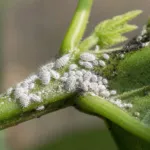 PestCotton mealybugPhenacoccus solenopsis Tinsley
 DiseaseMaple powdery mildewSawadaea bicornis
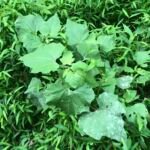 DiseaseCucurbit Powdery MildewPodosphaera xanthii (Castagne) U. Braun & Shishkoff
 DiseaseRose powdery mildewPodosphaera pannosa
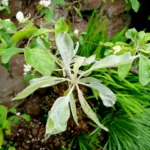 DiseaseApple Powdery MildewPodosphaera leucotricha
Toxicity and pollen
ASPCA lists Hibiscus syriacus as non-toxic to dogs and cats. This listing supports a low toxicity assessment for the species, but individual animals or people may still experience stomach upset or irritation after eating plant material. Avoid deliberate ingestion and contact a medical or veterinary professional if symptoms occur.
- Typical season
- Late summer to early fall
- Pollination / pollen
- Insect-dispersed pollen
This is an insect-pollinated flowering shrub, so pollen is less readily dispersed through the air than pollen from wind-pollinated trees and grasses. Airborne exposure is expected to be low, but sensitive individuals can still react to pollen or floral contact. Local allergy conditions vary.
Native habitat
Hibiscus syriacus is native to parts of eastern Asia and is cultivated widely in temperate regions. It adapts to urban conditions, varied soil textures, and moderate drought after establishment, but flowering and foliage quality are best with sun and dependable drainage.
Interesting fact
The cultivar has received the Royal Horticultural Society Award of Garden Merit. Its flowers are produced on new wood, allowing useful spring pruning. Mature plants may be trained into a small tree form.
Frequently asked questions (FAQ)
The most relevant questions about this plant, with short and direct answers.
🌱Quick care
What is Hibiscus 'Syriacus Red Heart' commonly called?⌄
Hibiscus 'Syriacus Red Heart' is commonly sold in the United States as Rose of Sharon 'Red Heart' or Red Heart althea. It is a deciduous flowering shrub, not the tropical hibiscus typically grown as a seasonal patio plant.
How much sun does Rose of Sharon 'Red Heart' need?⌄
Plant Rose of Sharon 'Red Heart' in full sun for the best flowering, although it tolerates partial shade. Aim for at least 6 hours of direct sunlight daily when possible.
How often should I water Hibiscus 'Syriacus Red Heart'?⌄
Water Hibiscus 'Syriacus Red Heart' moderately, keeping the soil evenly moist while the plant establishes. Once established, it usually needs supplemental water only during extended dry periods, extreme heat, or drought.
Is Hibiscus 'Syriacus Red Heart' hardy in the United States?⌄
Hibiscus 'Syriacus Red Heart' is a hardy outdoor shrub in much of the United States, commonly listed for USDA Zones 5–8. Cold protection may still help newly planted shrubs in exposed northern locations.
🌤️Environment and placement
What is the best soil for Rose of Sharon 'Red Heart'?⌄
Rose of Sharon 'Red Heart' grows in moist but well-drained loam, clay, or sandy soil. Improve heavily compacted or poorly drained ground with organic matter, but do not plant it where water remains pooled.
Can Rose of Sharon 'Red Heart' grow in clay soil?⌄
Yes, Hibiscus 'Syriacus Red Heart' can grow in clay soil if drainage is adequate. Avoid planting it in permanently waterlogged clay, and amend or mound the planting area if water drains slowly.
How large does Hibiscus 'Syriacus Red Heart' get?⌄
Hibiscus 'Syriacus Red Heart' typically grows about 8–10 feet tall, with a similar spread under favorable conditions. Its final size varies with pruning, soil, sunlight, climate, and the quality of the planting site.
Can Rose of Sharon 'Red Heart' be used as a hedge?⌄
Rose of Sharon 'Red Heart' can be grown as a flowering hedge because it develops an upright, semi-upright form and tolerates routine shaping. Space plants according to their mature width rather than placing them tightly together.
Can Hibiscus 'Syriacus Red Heart' tolerate summer heat and humidity?⌄
Yes, Hibiscus 'Syriacus Red Heart' generally tolerates summer heat and humidity once established. Consistent moisture during prolonged heat helps prevent stress and supports better flowering.
Does Rose of Sharon 'Red Heart' attract pollinators?⌄
Rose of Sharon flowers can attract butterflies, hummingbirds, and other flower-visiting insects. The open blooms of 'Red Heart' are especially accessible compared with heavily double-flowered cultivars.
💧Care and problems
Why is my Rose of Sharon 'Red Heart' not blooming?⌄
The most common causes are insufficient sunlight, excessive nitrogen, drought stress, or late pruning that removes new flowering wood. Move or thin nearby shade, water during prolonged dryness, and prune in late winter or early spring.
Why is Hibiscus 'Syriacus Red Heart' leafing out late?⌄
Hibiscus 'Syriacus Red Heart' is naturally one of the later shrubs to leaf out in spring. Wait for consistently warm weather before assuming it is dead, while checking stems for flexible green tissue.
How should I fertilize Rose of Sharon 'Red Heart'?⌄
Fertilize Rose of Sharon 'Red Heart' only if growth is weak or a soil test indicates a nutrient deficiency. A general-purpose slow-release fertilizer applied in spring is usually safer than repeated high-nitrogen feeding, which can favor leaves over flowers.
What pests affect Hibiscus 'Syriacus Red Heart'?⌄
Hibiscus 'Syriacus Red Heart' may occasionally be affected by aphids, scale insects, or other sap-feeding pests. Inspect new growth and leaf undersides, and use a low-impact treatment only when pests are causing noticeable damage.
What diseases can affect Rose of Sharon 'Red Heart'?⌄
Rose of Sharon 'Red Heart' can develop powdery mildew, especially in humid conditions with poor air circulation. Give it adequate spacing, avoid wetting the foliage late in the day, and remove severely affected debris.
Does Rose of Sharon 'Red Heart' need winter protection?⌄
Established Rose of Sharon 'Red Heart' usually needs no special winter protection within its hardiness range. In colder or windy areas, apply a few inches of mulch over the root zone after the ground cools, keeping mulch away from the stems.
🪴Planting and repotting
When is the best time to plant Hibiscus 'Syriacus Red Heart'?⌄
Plant Hibiscus 'Syriacus Red Heart' in spring after the ground is workable or in early fall while soil remains warm. Avoid planting during frozen ground, extreme summer heat, or drought unless you can provide reliable irrigation.
How do I plant Rose of Sharon 'Red Heart' in the ground?⌄
Set Rose of Sharon 'Red Heart' at the same depth it grew in its nursery container, or slightly high in heavy soil, and make the planting hole wider than the root ball. Water deeply after planting and keep the root zone evenly moist during establishment.
Can Hibiscus 'Syriacus Red Heart' grow in a container?⌄
Hibiscus 'Syriacus Red Heart' can be grown temporarily in a large container, but its eventual 8–10-foot size makes in-ground planting preferable. Use a pot with drainage holes and refresh or replace the container as roots become crowded.
✂️Propagation and pruning
How do I propagate Rose of Sharon 'Red Heart'?⌄
Propagate Rose of Sharon 'Red Heart' most reliably from semi-hardwood or softwood stem cuttings. Take healthy nonflowering shoots, place them in a sterile, well-drained rooting medium, and maintain steady moisture and humidity.
Can Hibiscus 'Syriacus Red Heart' be grown from seed?⌄
Seed is not the best way to reproduce Hibiscus 'Syriacus Red Heart' because seedlings may not retain the parent plant’s flower color or form. Cuttings are preferred when you want a new plant true to the named cultivar.
When should I prune Rose of Sharon 'Red Heart'?⌄
Prune Rose of Sharon 'Red Heart' in late winter or early spring before new growth begins. Because it flowers on new wood, this timing preserves the season’s bloom while allowing you to shape or reduce the shrub.
Can I cut Hibiscus 'Syriacus Red Heart' back hard?⌄
Yes, Hibiscus 'Syriacus Red Heart' tolerates significant late-winter pruning, although severe cuts can produce vigorous upright shoots and a less natural form. Pruning back to a few buds may create larger flowers, while lighter thinning preserves more structure.
Should I deadhead Rose of Sharon 'Red Heart'?⌄
Deadheading is optional for Rose of Sharon 'Red Heart' but can improve appearance and reduce unwanted seed development. Remove spent flowers or developing capsules before they mature if you want to limit volunteer seedlings.
⚠️Toxicity and safety
Is Hibiscus 'Syriacus Red Heart' toxic to dogs and cats?⌄
Hibiscus 'Syriacus Red Heart' is considered non-toxic to dogs and cats according to species-level veterinary plant references. Pets can still experience stomach upset after eating large amounts of any plant material, so contact a veterinarian if symptoms occur.
Is Rose of Sharon 'Red Heart' invasive in the United States?⌄
Rose of Sharon 'Red Heart' can spread by seedlings or volunteer plants in some gardens, although reports differ on how freely this particular cultivar reproduces. Remove developing seed capsules and unwanted seedlings if you need to prevent spread.
Does Hibiscus 'Syriacus Red Heart' have thorns?⌄
Hibiscus 'Syriacus Red Heart' is not generally considered a thorny shrub. Its branches can still be woody and scratch skin during pruning, so wear gloves and use clean, sharp tools.
🌸Flowering and special interest
What do Rose of Sharon 'Red Heart' flowers look like?⌄
Rose of Sharon 'Red Heart' produces white, hibiscus-like flowers with a strongly contrasting dark red center. The blooms are typically single and appear on the season’s new growth.
When does Hibiscus 'Syriacus Red Heart' bloom?⌄
Hibiscus 'Syriacus Red Heart' generally blooms from midsummer into late summer or early fall, depending on climate and growing conditions. Full sun, adequate moisture, and spring pruning support the heaviest flowering.
Why are my Rose of Sharon 'Red Heart' flowers smaller than expected?⌄
Small flowers may result from insufficient sun, drought, weak growth, or lack of rejuvenation pruning. Late-winter pruning to a few healthy buds can encourage larger blooms, but excessive nitrogen may reduce flowering quality.
Similar plants
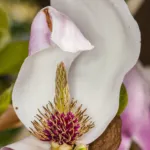 Saucer Magnolia (Magnolia soulangeana) care guideMagnolia soulangeana
 Magnolia × loebneri ‘Merrill’Magnolia × loebneri 'Merrill'
 Magnolia loebneri care guideMagnolia loebneri
 Sweetbay magnolia (Magnolia virginiana) care guideMagnolia virginiana
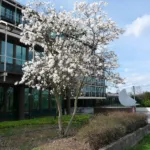 Star magnolia (Magnolia stellata) care guideMagnolia stellata
 Magnolia sprengeri care guideMagnolia sprengeri