
 AI-generated illustration
Sinensis Hawaiian Sunset (Hibiscus rosa ‘Sinensis Hawaiian Sunset’) short overview
Hibiscus rosa 'Sinensis Hawaiian Sunset' is a tender tropical hibiscus cultivar valued for large, vividly patterned flowers with pink, cerise, yellow, orange, and red tones. Horticultural references describe a bushy, prolific bloomer suited to containers and warm-climate beds. Its exact taxonomic placement is uncertain: the supplied backbone identifies Hibiscus cameronii, while horticultural records commonly associate the name with Hibiscus rosa-sinensis hybrids. Grow it in strong light, evenly moist fertile soil, and protect it from frost.
Taxonomic classification
Sinensis Hawaiian Sunset (Hibiscus rosa ‘Sinensis Hawaiian Sunset’) care guide
Light and placement
Give full sun to bright filtered light, ideally with 6 or more hours of direct sun outdoors. A south- or west-facing position is usually best; provide afternoon shade in extreme heat if leaves scorch. Weak light causes leggy growth, yellowing, bud drop, and fewer flowers, while abrupt relocation into intense sun can burn foliage.
Watering and humidity
Water deeply when the surface begins to dry, allowing excess to drain fully. Keep the root zone evenly moist during warm active growth, but never saturated. Reduce frequency in cool or low-light periods while preventing the plant from drying completely. Container plants may need frequent checks during hot, windy weather.
Soil and growing medium
Use a fertile, moisture-retentive but sharply draining mix. A quality peat- or coir-based container medium amended with compost and perlite works well. Slightly acidic to neutral conditions are suitable; avoid prolonged waterlogging, compacted soil, and strongly alkaline media that can limit nutrient availability.
Feeding
Feed during active growth with a complete balanced fertilizer at the label rate, or use a controlled-release product according to its instructions. Reduce or stop feeding during cool, low-light winter conditions. Avoid heavy nitrogen applications, which can produce lush foliage, weak growth, and fewer flowers.
Growth and habit
This is a vigorous warm-season woody shrub that can be maintained as a compact container plant or trained into a larger shrub or small tree form. Regular tip pruning encourages branching and more flowering points, while severe pruning during the flowering season can temporarily reduce bloom production.
Planting and repotting
Plant outdoors only after frost danger has passed and soil has warmed. Set the root ball at the same depth as in its nursery container, water thoroughly, and mulch without touching the stems. Allow roughly 3–4 feet between plants where a hedge or informal shrub is intended; provide more room for large specimens.
Repot container plants in spring when roots fill the pot, moving up only one pot size. Refresh part of the medium rather than heavily disturbing the root ball. Ensure generous drainage holes and do not leave the container standing in water.
Propagation and pruning
Propagation
Use semi-hardwood or softwood cuttings during warm active growth; air layering is also possible. Root cuttings in a sterile, well-drained medium with bottom warmth and high humidity, but avoid waterlogged conditions. Seed is not a dependable way to reproduce a named cultivar because offspring may not come true.
Pruning
Prune in late winter or early spring, or lightly after a flowering flush, to shape and encourage branching. Pinch growing tips on young plants for a fuller habit. Avoid severe shearing during active bud formation because it removes flowering wood and can delay bloom.
Overwintering
Before temperatures approach 45°F, move container plants indoors to a bright window or protected greenhouse. Inspect for pests, reduce watering as growth slows, and maintain good light and airflow. Do not expose the plant to frost; cold stress can cause yellow leaves, bud drop, and dieback.
Uses
Primarily an ornamental specimen, patio, porch, conservatory, or warm-climate hedge plant. Its large colorful flowers can support visits from butterflies and hummingbirds where the plant is grown outdoors. Do not assume the flowers are edible or suitable for tea because this named ornamental cultivar has not been verified for culinary use.
Appearance
A bushy evergreen shrub with glossy, serrated, ovate leaves on woody branching stems. The cultivar is recognized mainly by its large, vividly bicolored to multicolored flowers, commonly described with pink or cerise interiors and yellow, orange, or lemon-toned margins. Plants can be kept compact by pinching and pruning.
Flowering
Flowers are produced repeatedly during warm active growth, with individual blooms typically lasting about one day. The cultivar is reported as prolific, but bud drop can follow abrupt changes in watering, excessive fertilizer, cool temperatures, or insufficient light. In the United States, outdoor flowering is usually concentrated from late spring through fall, while warm indoor plants may bloom outside that window.
Pollination and visitors
General tropical hibiscus references document visits from butterflies and hummingbirds. The exact visitor profile of this named cultivar has not been independently documented, so no species-level pollinator is assigned. Flowers are most useful to visitors when plants are grown outdoors in warm, bright conditions.
Diseases and pests
Diseases
Watch for Botrytis flower blight, root problems from saturated soil, and bud drop associated with water or temperature stress. Improve air circulation, avoid wetting foliage late in the day, remove spent or diseased material, and correct drainage before using a labeled fungicide. Overfertilization can encourage foliage at the expense of flowers.
Pests
Scout for aphids, whiteflies, spider mites, thrips, scale, and mealybugs, especially indoors or under dry conditions. Check leaf undersides and new growth weekly. Isolate infested containers, rinse pests away with water, and use horticultural soap or oil only as directed on the label, testing first for leaf sensitivity.
Related diseases and pests
Only Plant Doctor profiles whose host data indicate this plant may be affected are shown here.
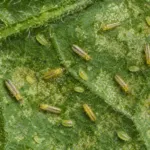 PestMelon thripsThrips palmi Karny
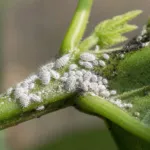 PestCotton mealybugPhenacoccus solenopsis Tinsley
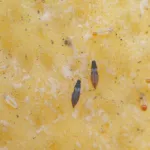 PestGreenhouse thripsHeliothrips haemorrhoidalis
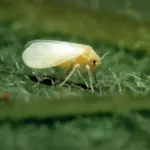 PestSweetpotato whiteflyBemisia tabaci species complex
 DiseaseLate blightPhytophthora infestans
 DiseaseStemphylium Leaf BlightStemphylium vesicarium (Wallr.) E.G. Simmons
 DiseaseFire BlightErwinia amylovora
 DiseaseChestnut blightCryphonectria parasitica (Murrill) M.E. Barr
Toxicity and pollen
No authoritative toxicity record specific to this exact cultivar was located. ASPCA information for a different hibiscus species should not be treated as definitive evidence for this plant. Keep plant material away from children and pets that chew plants, and seek professional advice after significant ingestion or if symptoms occur.
- Typical season
- No reliable exact-cultivar exposure season documented for the United States
- Pollination / pollen
- Pollen produced within conspicuous flowers; airborne allergy relevance undocumented
The exact cultivar's airborne-pollen behavior and clinical allergy relevance are not well documented. As an ornamental with conspicuous insect- or bird-visited flowers, it should not automatically be considered allergen-free. People with known pollen sensitivity should avoid handling flowers during peak release and monitor personal reactions.
Native habitat
The exact cultivar is horticultural rather than a wild population. Its commonly associated tropical-hibiscus background favors warm, humid to seasonally dry climates, fertile well-drained soils, and protection from cold. In the United States it is best treated as an outdoor perennial only in frost-free or nearly frost-free regions.
Interesting fact
The cultivar name is documented in horticultural references with differing flower descriptions, including pink-and-yellow and orange-red forms. ‘Hawaiian Sunset’ is also associated in trade records with the Bahama Bay™ branding. Individual tropical hibiscus flowers are typically ephemeral, yet plants can produce them continuously in warm conditions.
Frequently asked questions (FAQ)
The most relevant questions about this plant, with short and direct answers.
🌱Quick care
How much light does Hibiscus rosa 'Sinensis Hawaiian Sunset' need?⌄
Give it full sun to bright filtered light, with several hours of direct sun for strongest growth and flowering. In very hot climates, protect it from intense afternoon heat if the leaves scorch or flowers fade quickly.
How often should I water Hibiscus rosa 'Sinensis Hawaiian Sunset'?⌄
Water when the surface of the soil begins to feel slightly dry, keeping the root ball evenly moist but never waterlogged. Container plants may need frequent watering during hot, bright weather.
Is Hibiscus rosa 'Sinensis Hawaiian Sunset' an indoor or outdoor plant?⌄
It can grow outdoors in warm, frost-free areas and indoors near a very bright window elsewhere. Treat it as frost tender and move it indoors before freezing temperatures occur.
What type of hibiscus is 'Hawaiian Sunset'?⌄
Hibiscus rosa 'Sinensis Hawaiian Sunset' is a tropical hibiscus cultivar associated with the Bahama Bay Hawaiian Sunset trade name. Cultivar descriptions commonly note vivid, multicolored flowers, but exact color patterns can vary with growing conditions.
🌤️Environment and placement
Can I grow Hibiscus rosa 'Sinensis Hawaiian Sunset' in full sun?⌄
Yes, it generally performs well in full sun when adequately watered. Provide temporary afternoon shade during extreme heat if the foliage wilts despite moist soil or the flowers show heat damage.
What temperature is too cold for 'Hawaiian Sunset' hibiscus?⌄
Protect it whenever temperatures approach freezing, because this tropical hibiscus is frost tender. Move container plants indoors before the first frost rather than waiting for cold damage.
Can 'Hawaiian Sunset' hibiscus grow outdoors year-round in the United States?⌄
It is most suitable for year-round outdoor culture in warm, frost-free parts of the United States. In areas with regular freezes, grow it in a container or overwinter it indoors.
Where should I place 'Hawaiian Sunset' hibiscus indoors?⌄
Place it in the brightest available window, preferably with several hours of direct sun or strong supplemental lighting. Keep it away from cold drafts, heating vents, and sudden temperature changes.
💧Care and problems
What soil is best for Hibiscus rosa 'Sinensis Hawaiian Sunset'?⌄
Use fertile, well-drained, moisture-retentive loam or a quality container mix. The soil should hold consistent moisture while allowing excess water to drain freely.
Why are the leaves on my 'Hawaiian Sunset' hibiscus turning yellow?⌄
Yellow leaves commonly result from overwatering, inconsistent watering, insufficient light, nutrient deficiency, or normal aging. Check drainage and root moisture first, then inspect for pests before increasing fertilizer.
Why is my 'Hawaiian Sunset' hibiscus dropping buds?⌄
Bud drop is often caused by sudden changes in light or temperature, dry soil, overwatering, low humidity, or insect damage. Keep moisture and conditions consistent and inspect buds and leaf undersides for pests.
How do I fertilize Hibiscus rosa 'Sinensis Hawaiian Sunset'?⌄
Feed it during active growth with a balanced fertilizer according to the product label, especially when it is producing new leaves and buds. Reduce or pause feeding during low-light indoor periods or when the plant is stressed.
What pests commonly attack 'Hawaiian Sunset' hibiscus?⌄
Common pests include aphids, whiteflies, spider mites, thrips, and scale insects. Inspect new growth and leaf undersides regularly, and treat infestations promptly with a labeled horticultural soap or oil when appropriate.
Why is my 'Hawaiian Sunset' hibiscus not blooming?⌄
Insufficient light, excessive nitrogen, root stress, irregular watering, pruning at the wrong time, or cold conditions can reduce flowering. Give it bright light, steady moisture, warm temperatures, and balanced nutrition.
🪴Planting and repotting
Can I plant 'Hawaiian Sunset' hibiscus directly in the ground?⌄
Yes, plant it in the ground only where winters are reliably frost-free and the soil drains well. Choose a warm, sheltered location with fertile soil and consistent moisture.
When should I repot Hibiscus rosa 'Sinensis Hawaiian Sunset'?⌄
Repot in spring or early summer when active growth begins, preferably when roots fill the container or emerge from drainage holes. Move it into a pot only one size larger to avoid excess wet soil.
How do I overwinter 'Hawaiian Sunset' hibiscus indoors?⌄
Bring it indoors before frost, check carefully for pests, and place it in the brightest location available. Water less often in reduced light, but do not allow the root ball to become completely dry.
✂️Propagation and pruning
How can I propagate Hibiscus rosa 'Sinensis Hawaiian Sunset'?⌄
Stem cuttings are the most practical way to reproduce this cultivar and preserve its characteristics. Take healthy, nonflowering cuttings during active growth and root them in a sterile, lightly moist medium.
Can I grow 'Hawaiian Sunset' hibiscus from seed?⌄
You can try growing it from seed, but seedlings may not reproduce the parent cultivar accurately. Use vegetative cuttings when you want plants with the same flower and growth traits.
When should I prune 'Hawaiian Sunset' hibiscus?⌄
Prune lightly in late winter or early spring, or after a flowering flush, to shape the plant and encourage branching. Avoid severe pruning during cold, low-light conditions because recovery may be slow.
⚠️Toxicity and safety
Is Hibiscus rosa 'Sinensis Hawaiian Sunset' toxic to cats or dogs?⌄
The toxicity status of this exact cultivar is unresolved, so do not assume it is safe for pets or children to chew. Keep the plant out of reach and contact a veterinarian or poison-control service if ingestion occurs.
🌸Flowering and special interest
What do the flowers of 'Hawaiian Sunset' hibiscus look like?⌄
The flowers are typically large and showy, with sunset-like combinations of pink, yellow, orange, or red depending on the plant and conditions. Individual blooms are short-lived, but a healthy plant can produce flowers repeatedly.
How long does each 'Hawaiian Sunset' hibiscus flower last?⌄
Individual tropical hibiscus flowers commonly last about one day, sometimes slightly longer in cool conditions. New blooms can continue opening when the plant receives sufficient warmth, light, water, and nutrition.
Does 'Hawaiian Sunset' hibiscus change flower color?⌄
Its flowers may show different tones or intensities as they open and as light and temperature change. The cultivar is known for multicolored, sunset-like blooms, but exact color development is not identical under every growing condition.
Similar plants
 Saucer Magnolia (Magnolia soulangeana) care guideMagnolia soulangeana
 Magnolia × loebneri ‘Merrill’Magnolia × loebneri 'Merrill'
 Magnolia loebneri care guideMagnolia loebneri
 Sweetbay magnolia (Magnolia virginiana) care guideMagnolia virginiana
 Star magnolia (Magnolia stellata) care guideMagnolia stellata
 Magnolia sprengeri care guideMagnolia sprengeri