
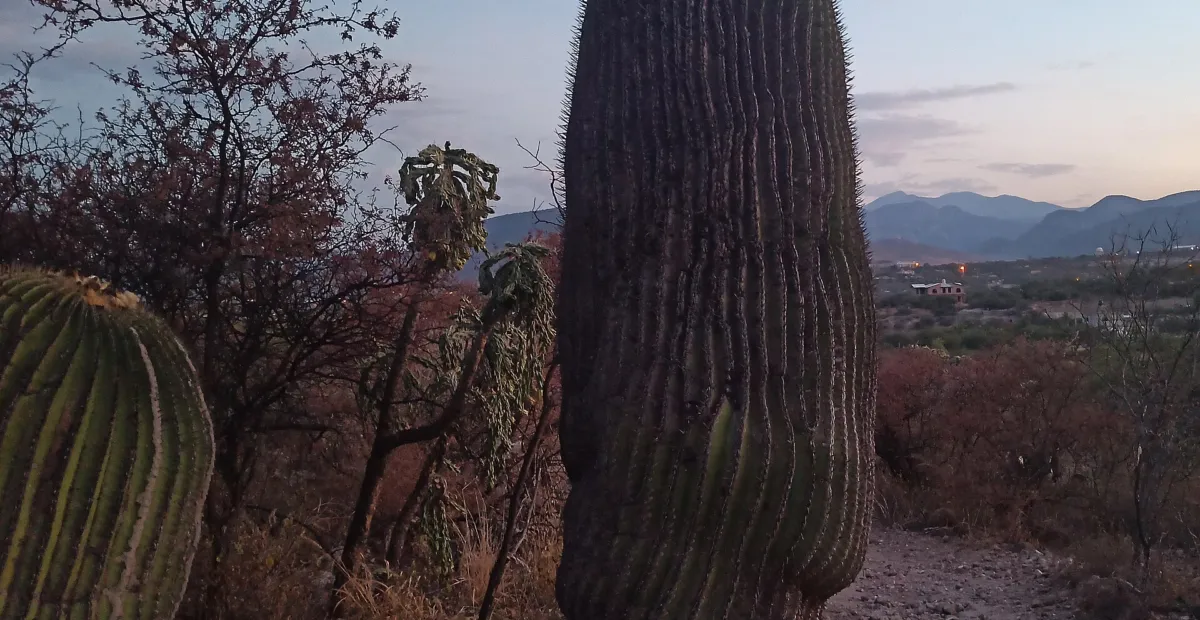
 Source:
 Cactus (Cactaceae) short overview
Cactaceae, commonly known as the cactus family, includes a remarkable range of flowering succulents adapted chiefly to the Americas. Its members may be globular, columnar, pad-forming, trailing or epiphytic, but share distinctive areoles that produce spines, hairs or branches. In cultivation, most need strong light, sharply draining soil and careful watering, while frost tolerance varies greatly among genera and species.
Taxonomic classification
Cactus (Cactaceae) care guide
Light and placement
Provide the brightest practical placement, often a south- or west-facing window or full-sun outdoor site. Acclimate indoor plants gradually before strong direct sun to reduce scorch. Too little light causes pale color, stretching and weak, narrow growth; excessive abrupt sun can bleach or brown exposed tissue. Epiphytic and forest cacti generally prefer bright filtered light rather than intense all-day sun.
Watering and humidity
Water thoroughly only after the substrate has dried appropriately for the plant and season, then let excess drain completely. During active growth, intervals may be roughly 1–3 weeks indoors but depend on pot size, light, temperature and substrate. Water much less in winter, especially in cool conditions. Never leave the pot standing in water; humid air is acceptable only with good airflow.
Soil and growing medium
Use a porous cactus or succulent mix amended with mineral grit such as pumice, perlite or coarse sand. Containers must drain freely. Most members tolerate slightly acidic to neutral conditions, but exact preferences vary; avoid dense, water-retentive soil and permanently wet roots.
Feeding
Feed during active growth only, typically from spring through summer in the United States. Use a cactus fertilizer or a balanced fertilizer diluted to about one-quarter to one-half strength, with modest nitrogen. Do not fertilize newly repotted, dormant, diseased or severely dehydrated plants, and flush excess salts periodically.
Growth and habit
The family includes solitary, clumping, pad-forming, columnar, globular, trailing and epiphytic growth habits. Many plants grow slowly and respond poorly to persistent moisture, while active summer growth can be faster with strong light, warmth and appropriate feeding. Mature offsets may need thinning or separate containers.
Planting and repotting
Plant outdoors after cold, wet weather has passed and the soil is warm, selecting a raised or naturally fast-draining site. Set plants at the same depth as before, firm the surrounding mix without burying the stem, and give newly planted specimens limited water until roots establish.
Repot during active growth or just before the growing season, using a container only slightly larger than the root ball. Protect hands with thick gloves, folded newspaper or cactus tongs, and allow damaged roots to dry briefly before watering.
Propagation and pruning
Propagation
Common methods include seed, stem or pad cuttings, offsets and grafting. Allow cut surfaces to callus before placing cuttings in a dry, porous medium. Sow seed in a sterile, well-drained mix with warmth and bright filtered light. Exact timing and success vary by genus.
Pruning
Pruning is usually limited to removing dead, damaged or diseased tissue and managing crowded offsets. Use clean tools and protect skin and eyes from spines or glochids. For branching forms, make deliberate cuts at joints and allow wounds to dry before resuming normal watering.
Overwintering
Protect most cultivated cacti from freezing temperatures and cold, wet soil. In USDA Zones where a species is not hardy, move containers indoors before frost, place them in strong light and reduce watering. Keep dormant plants cool and dry when appropriate, while tropical epiphytic types may need warmer conditions and occasional moisture.
Uses
Cacti are widely grown as indoor plants, container specimens, greenhouse collections, xeriscape plants, rock-garden subjects and ornamental landscape plants. Some genera provide edible fruits, pads or other food products, but edibility and preparation are species-specific. Several taxa are regulated in trade or conservation programs, so verify local rules before collecting or importing.
Appearance
Cacti are recognized by areoles, specialized structures that produce spines, hairs, branches and often flowers. Bodies may be ribbed, tuberculate, segmented, flattened into pads or composed of trailing stems. Leaves are commonly absent or highly reduced, although some primitive members retain leaf-like structures. Surface color and spine form vary greatly among genera.
Flowering
Cactaceae is a flowering-plant family. Flowers are commonly borne from areoles and may be funnel-shaped, tubular, wheel-shaped or bowl-shaped, with numerous tepals and stamens. Bloom timing, duration, opening hour and flower color differ widely; some species open at night while others flower by day.
Pollination and visitors
Cactus flowers can be visited by bees, bumblebees, butterflies, moths, beetles and other insects; some large or night-opening flowers are associated with bats. The visitor community is strongly genus- and species-dependent, so no single pollinator applies to the entire family.
Cactaceae photos
Click any photo for a larger view. Source, author and license are shown separately.
Diseases and pests
Diseases
The main risks are root and stem rots caused by prolonged moisture, poor drainage or cool wet conditions. Use sterile, porous media, water only when appropriate for the season, and isolate plants showing soft, dark or collapsing tissue. Remove affected material and improve airflow; fungicides are secondary to correcting cultural conditions.
Pests
Watch for mealybugs, scale, spider mites and fungus gnats, especially on stressed or overwatered plants. Inspect areoles, joints, roots and sheltered crevices regularly. Isolate infested specimens, remove small infestations mechanically and use a labeled treatment only as needed; improve light, airflow and watering practices.
Related diseases and pests
Only Plant Doctor profiles whose host data indicate this plant may be affected are shown here.
Toxicity and pollen
Cactaceae is not uniformly toxic as a family. The principal general hazard is mechanical injury from spines, glochids and irritating hairs; some individual species may also contain biologically active compounds. Do not ingest an unidentified cactus, and consult species-specific veterinary or poison-control guidance after exposure.
- Typical season
- Species-dependent; commonly spring to summer during flowering
- Pollination / pollen
- Flower pollen, usually transferred by animal visitors
Cacti generally produce pollen within conspicuous flowers and are commonly animal-pollinated rather than wind-pollinated. Airborne exposure is often limited compared with wind-pollinated plants, but the family cannot be assigned a uniform allergy risk because pollen quantity, flower structure and exposure differ among species.
Native habitat
Cactaceae occurs predominantly in the Americas, from deserts and dry forests to grasslands, rocky slopes and tropical forests. Some species grow as epiphytes in humid woodland canopies, while others occupy extremely arid habitats. Substrates range from mineral, rocky soils to organic pockets in trees or crevices.
Interesting fact
Areoles are a defining cactus feature and can produce spines, hairs, branches and flowers. Cactaceae is almost entirely native to the Americas, with Rhipsalis notable for its natural Old World distribution. Stem tissues perform much of the photosynthetic work in many species, while leaves are usually reduced or absent.
Frequently asked questions (FAQ)
The most relevant questions about this plant, with short and direct answers.
🌱Quick care
How often should I water a cactus?⌄
Water a cactus thoroughly only after its soil has dried completely. Water less often in winter or in cool, low-light conditions, and always empty water collected in the saucer.
How much light does a cactus need indoors?⌄
Most cacti need very bright light, ideally several hours of direct sun or strong filtered light each day. Increase direct exposure gradually to reduce the risk of sunburn.
What is the best soil for a cactus?⌄
Use a fast-draining cactus or succulent mix that does not stay wet for long. Adding extra pumice, perlite, or coarse material can improve drainage in heavy commercial mixes.
Do cacti need fertilizer?⌄
Cacti need little fertilizer, usually once or twice during active growth in late spring or summer. Apply a diluted cactus fertilizer or half-strength houseplant fertilizer to already-moist soil.
🌤️Environment and placement
Can a cactus grow in low light?⌄
A cactus may survive in low light but usually develops weak, stretched, or misshapen growth. Move it toward a brighter window or use a grow light if natural light is insufficient.
Can a cactus live outside in full sun?⌄
Many cacti can grow outdoors in full sun, but acclimate them gradually after indoor cultivation or extended shade. The correct exposure depends on the species, local heat, and humidity.
What temperature is too cold for a cactus?⌄
There is no single safe minimum because frost tolerance varies widely among cacti. Protect most container and tropical cacti from freezing temperatures, while some hardy landscape species tolerate brief freezes when kept dry.
Does a cactus need humidity?⌄
Most desert cacti prefer low humidity and good air circulation rather than misting. Tropical cacti, such as holiday cacti, tolerate or prefer more moderate humidity but still need well-drained soil.
Can a cactus grow under a grow light?⌄
Yes, a cactus can grow under a bright, balanced grow light when natural sunlight is inadequate. Keep the light close enough to provide strong illumination without heating or scorching the plant, and use a timer for a consistent schedule.
💧Care and problems
Why is my cactus turning yellow?⌄
Yellowing commonly results from overwatering, poor drainage, insufficient light, or natural aging. Check the roots and soil before watering again, because persistent wetness can lead to root rot.
Why is my cactus soft or mushy?⌄
A soft, mushy cactus most often has rot caused by excess moisture or damaged tissue. Remove the plant from wet soil, cut away all rotten areas with a sterile blade, and allow healthy tissue to callus before replanting.
Why is my cactus shriveling?⌄
Shriveling usually indicates prolonged underwatering, root damage, or seasonal dormancy. Water thoroughly once the soil is dry, but do not increase watering if the roots are rotten or the plant is resting in cool conditions.
Why is my cactus leaning or growing tall and thin?⌄
Leaning or elongated growth usually means the cactus is not receiving enough light. Increase light gradually and rotate the pot periodically, although already-stretched growth will not return to its original shape.
How do I treat mealybugs on a cactus?⌄
Remove visible mealybugs with a cotton swab lightly moistened with rubbing alcohol, avoiding prolonged contact with the plant tissue. Isolate the cactus and repeat inspections because hidden insects and eggs can survive the first treatment.
How do I prevent root rot in a cactus?⌄
Prevent root rot by using a pot with a drainage hole, fast-draining soil, and thorough but infrequent watering. Let the soil dry completely between waterings and keep the cactus drier during cool, dark periods.
🪴Planting and repotting
When should I repot a cactus?⌄
Repot a cactus when roots circle the container, drainage has declined, the plant has become unstable, or the soil has broken down. Spring or the beginning of active growth is generally the least stressful time.
What type of pot is best for a cactus?⌄
Choose a pot with a drainage hole that is only slightly larger than the root ball. Unglazed clay can help soil dry faster, while shallow containers often suit cacti with shallow root systems.
Should I water a cactus immediately after repotting?⌄
Usually, do not water immediately after repotting if the roots were disturbed or damaged. Let any wounds dry and callus first, then water once the plant is settled in dry, well-draining soil.
How do I plant a cactus in the ground?⌄
Plant a cactus in well-drained soil at the same depth it was previously growing, choosing a site suited to its light and frost tolerance. Wear thick gloves or use padded tools, and avoid watering until damaged roots have dried.
✂️Propagation and pruning
How can I propagate a cactus from a cutting?⌄
Cut a healthy segment with a sterile blade, let the cut end callus for several days or longer depending on its thickness, then place it in dry, fast-draining cactus mix. Begin light watering only after roots start forming.
Can I grow a cactus from an offset?⌄
Yes, offsets can be separated from the parent plant and rooted as new cacti. Allow a detached offset or any cut surface to dry and callus before placing it in dry cactus soil.
Can cacti be grown from seed?⌄
Cacti can be grown from seed, but seedlings develop slowly and require carefully controlled moisture, warmth, light, and ventilation. Seed propagation is most practical when you want many plants or a particular species.
Should I prune a cactus?⌄
Most cacti do not need routine pruning. Remove dead, diseased, or damaged tissue with a sterile tool, and prune branching or columnar types only when necessary for shape, size, or propagation.
⚠️Toxicity and safety
Are cacti poisonous to cats and dogs?⌄
Cacti are not uniformly toxic because the family includes many different species, but spines, glochids, sap, and ingestion can still injure pets. Identify the exact species and contact a veterinarian or poison-control service after suspected ingestion or exposure.
Are cactus spines dangerous to people?⌄
Yes, cactus spines and tiny barbed glochids can puncture skin and are difficult to remove. Handle cacti with thick gloves, folded cardboard, or padded tongs, and keep spiny plants away from children and walkways.
How do I remove cactus glochids from skin?⌄
Remove visible glochids carefully with tweezers and consider lifting tiny barbed clusters with sticky tape before washing the area. Do not rub the skin, and seek medical care if spines are embedded near the eyes or cause persistent pain.
🌸Flowering and special interest
How do I get my cactus to flower?⌄
Provide strong light, appropriate seasonal watering, and the cool, dry rest period required by the species. Cacti may fail to flower when they are immature, light-starved, overwatered, or kept too warm through winter.
Why is my cactus not blooming?⌄
A cactus may not bloom because it lacks sufficient light, has not reached flowering age, receives no cool or dry dormancy, or is being fertilized or watered at the wrong time. Exact requirements vary substantially by species.
How long do cactus flowers last?⌄
Many cactus flowers are short-lived, lasting from a few hours to several days depending on the species and weather. A flower that opens briefly can still be normal, especially in night-blooming types.
Why are cactus flower buds dropping?⌄
Bud drop is often caused by sudden changes in light, temperature, watering, or location, and excess moisture can also contribute. Keep the plant stable while budding and avoid moving, overwatering, or exposing it to drafts.
Similar plants
 Azure Monkshood (Aconitum carmichaelii) care guideAconitum carmichaelii
 Monkshood (Aconitum ‘Stainless Steel’)Aconitum 'Stainless Steel'
 Monkshood (Aconitum ‘Bressingham Spire’)Aconitum 'Bressingham Spire'
 Golden full moon maple (Acer shirasawanum ‘Aureum’)Acer shirasawanum 'Aureum'
 Globosum (Acer platanoides ‘Globosum’)Acer platanoides 'Globosum'
 Striped maple (Acer pensylvanicum) care guideAcer pensylvanicum