
 Source:
 Ribbon Dracaena (Dracaena sanderiana) short overview
Ribbon Dracaena, or Dracaena sanderiana, is a tropical African perennial cultivated in the United States as a compact indoor foliage plant. Its smooth, fleshy green canes and narrow leaves create a clean architectural look, while stems may be trained into decorative forms. Despite the familiar retail name “lucky bamboo,” it is not bamboo. Grow it in bright filtered light, keep the root zone moderately moist, and protect it from cold drafts, harsh sun, and standing water.
Taxonomic classification
Ribbon Dracaena (Dracaena sanderiana) care guide
Light and placement
Place in bright filtered light, such as near an east-facing window or several feet back from a sunny south- or west-facing window. Gentle morning sun may be tolerated, but harsh direct midday sun can bleach, scorch, or yellow leaves. Very dim placement causes weak, stretched growth and paler foliage. Rotate the pot periodically for even growth and keep the plant away from cold drafts and HVAC airflow.
Watering and humidity
Water when the upper inch of potting mix feels partly dry, then drain thoroughly; do not leave the container standing in water. Reduce frequency in winter or in lower light, but do not allow the root ball to remain bone-dry for long periods. If grown in water, refresh the water regularly, rinse the container, and keep only the roots submerged so the cane does not soften or rot.
Soil and growing medium
Use a loose, well-drained indoor potting mix amended with perlite or fine bark. The medium should hold some moisture without becoming saturated. A slightly acidic to neutral reaction is suitable. Plants grown in water should have clean water and stable support, but water culture does not eliminate the need for light, oxygen, or periodic nutrient replacement.
Feeding
Feed during active growth with a complete liquid houseplant fertilizer diluted to one-half the label strength about once every 4–6 weeks. Water-grown plants need a very dilute, complete nutrient periodically rather than heavy feeding. Do not fertilize a recently rooted cutting, a severely stressed plant, or a container with salt crust until it has been flushed with clean water.
Growth and habit
This species forms upright, fleshy canes that can produce new leafy shoots after cutting. It remains compact in containers but may become top-heavy or uneven as stems elongate. Periodic trimming encourages a tidier silhouette and provides material for propagation. Water-grown displays require clean containers and stable support.
Planting and repotting
Plant indoors at any time of year. Set the rooted cutting at the same depth it previously grew; burying the cane deeply can encourage rot. Space canes so leaves have room to spread and air can circulate. Establish plants in warm, bright filtered conditions and avoid abrupt changes in light or temperature.
Repot when roots fill the container, the medium stays wet for too long, or the plant becomes unstable. Move up only one pot size and use fresh, well-drained mix. Water-grown specimens can be transferred to soil gradually, keeping the root ball evenly moist during establishment.
Propagation and pruning
Propagation
Propagate primarily from stem cuttings. Cut a healthy cane into sections containing at least one viable node, place the lower end in clean water or a lightly moist, airy medium, and provide warmth and bright filtered light. Rooting is generally straightforward, but cuttings can rot if kept stagnant or buried too deeply.
Pruning
Prune with clean, sharp tools to remove yellow leaves, damaged cane sections, or overly tall shoots. Cutting a healthy cane just above a node can encourage new growth below the cut. Do not make repeated heavy cuts while the plant is cold, waterlogged, or severely stressed.
Overwintering
Keep indoors before temperatures approach 50°F. Protect from cold windows, drafts, and frost. Maintain bright filtered light and reduce watering in winter as growth slows. Water-grown plants should not be allowed to sit in chilled water.
Uses
Used primarily as an indoor foliage plant in homes, offices, hotel displays, dish gardens, and decorative water culture. Its flexible canes are also trained into spirals, braids, and tiered arrangements. It is not edible, and the common name lucky bamboo should not be interpreted as culinary or medicinal guidance.
Appearance
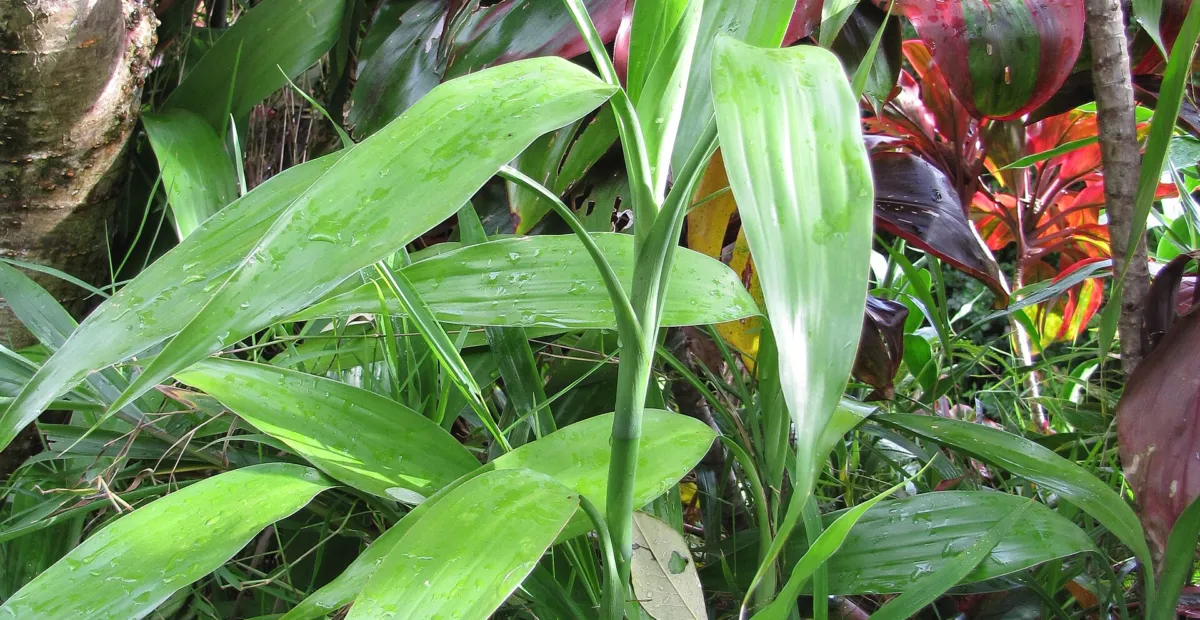
Ribbon Dracaena has smooth, green, fleshy canes that resemble bamboo but lack true bamboo joints and woody culms. Narrow, strap-like lanceolate leaves arise alternately along the stems and may be bright green or gray-green. Retail plants are often grouped, braided, spiraled, or trained into tiered forms, but these are cultivation styles rather than separate species traits.
Flowering
Mature plants can produce small, branched clusters of pale flowers, but flowering is uncommon in typical indoor culture and is not the main ornamental feature. Plants sold as lucky bamboo are usually maintained for their canes and foliage rather than their blooms.
Pollination and visitors
Reliable documentation for characteristic animal pollinators or visitors of this species is limited. Typical indoor plants rarely flower, so no specific visitor group is assigned.
Dracaena sanderiana photos
Click any photo for a larger view. Source, author and license are shown separately.
Diseases and pests
Diseases
Root and stem rot are the main concerns, especially when the potting mix remains saturated or a cane is buried too deeply. Remove damaged tissue, improve drainage, and reduce watering frequency. Leaf spotting may follow persistent wet foliage or poor air movement; remove affected leaves and keep foliage dry when possible.
Pests
Watch for mealybugs, scale, and spider mites, especially on stressed or dusty plants. Inspect leaf bases and cane joints regularly. Isolate affected plants, wipe or wash pests away, and use a labeled houseplant treatment only as directed. Correct dry air, poor light, or water stress to reduce recurring infestations.
Toxicity and pollen
Dracaena species contain saponins and are listed as toxic to dogs and cats. Chewing may cause vomiting, drooling, appetite loss, depression, and in cats sometimes dilated pupils. Human ingestion should be avoided; sap may irritate sensitive skin. Keep cuttings, fallen leaves, and water-grown pieces away from children and animals.
- Pollination / pollen
- Low-dispersal pollen when flowering; species-specific allergy data limited
Because indoor Ribbon Dracaena rarely flowers, airborne pollen exposure is generally low in ordinary household conditions. There is not enough species-specific clinical evidence to describe it as allergen-free. Flowering plants should not be placed in rooms occupied by people with known plant-pollen sensitivity without observing individual reactions.
Native habitat
Kew records the species from west-central tropical Africa to northeastern Angola, where it is associated with wet tropical conditions. In cultivation it behaves as a warmth-loving understory plant: bright indirect light, steady moisture, porous rooting conditions, and protection from chilling are more important than exposure to full outdoor sun.
Interesting fact
The familiar name lucky bamboo is a horticultural trade name, not a botanical indication that the plant is bamboo. The species has fleshy canes rather than bamboo culms and is commonly sold rooted in water or trained into decorative shapes. Kew records its native range in west-central tropical Africa to northeastern Angola.
Frequently asked questions (FAQ)
The most relevant questions about this plant, with short and direct answers.
🌱Quick care
How do you care for Dracaena sanderiana, or Ribbon Dracaena?⌄
Give Ribbon Dracaena bright filtered light or partial shade, moderate water, warmth, and loose, well-drained potting mix. Let excess water drain and protect it from frost and cold drafts.
Is Dracaena sanderiana the same plant as lucky bamboo?⌄
Yes, Dracaena sanderiana is the plant commonly sold in the United States as lucky bamboo, even though it is not a true bamboo. Retail names can vary, so check the botanical name when buying or identifying it.
How much light does Ribbon Dracaena need?⌄
Ribbon Dracaena grows best in bright, filtered light or partial shade. Protect it from intense direct afternoon sun, which can scorch the leaves.
🌤️Environment and placement
Where should I place Dracaena sanderiana indoors?⌄
Place it near an east- or west-facing window with filtered light, or a few feet back from a brighter south-facing window. Keep it away from heating vents, air conditioners, and cold drafts.
Can Dracaena sanderiana grow in low light?⌄
It can tolerate lower light, but growth may slow and variegated leaves may lose some color. Move it gradually to brighter filtered light if it becomes pale or weak.
What temperature is best for Ribbon Dracaena?⌄
Keep Ribbon Dracaena in a warm indoor location, ideally around 65–80°F. Protect it from frost, freezing temperatures, and prolonged exposure below about 50°F.
Can Dracaena sanderiana grow outdoors in the United States?⌄
It can grow outdoors year-round only in frost-free climates and sheltered, shaded locations. In most of the United States, grow it as a houseplant or bring it indoors before temperatures become cold.
💧Care and problems
How often should I water Dracaena sanderiana in soil?⌄
Water when the top inch of potting mix feels dry, then water thoroughly until excess drains from the pot. Reduce watering slightly in winter or in lower light, and do not leave the roots sitting in water.
Why are the leaves of my Ribbon Dracaena turning brown?⌄
Brown tips commonly result from dry air, inconsistent watering, excess fertilizer, or sensitivity to minerals and fluoride in tap water. Use filtered water when possible and keep the mix lightly, evenly moist rather than soggy.
Why are the leaves of Dracaena sanderiana turning yellow?⌄
Yellow leaves are often caused by overwatering, poor drainage, or aging foliage. Check that the pot has drainage holes and allow the upper layer of soil to dry slightly before watering again.
Why is my Dracaena sanderiana dropping leaves?⌄
Leaf drop can follow overwatering, sudden temperature changes, cold drafts, or a sharp change in light. Correct the environmental stress and inspect the roots for soft, dark areas that may indicate rot.
What type of soil does Ribbon Dracaena need?⌄
Use a loose, well-drained indoor potting mix, such as a houseplant mix amended with perlite. Avoid dense garden soil because it can retain too much moisture around the roots.
Does Dracaena sanderiana need fertilizer?⌄
It benefits from light feeding during active growth, but heavy fertilizing can damage the roots and brown the leaf tips. Use a diluted balanced houseplant fertilizer according to the product label and avoid fertilizing stressed or newly repotted plants.
🪴Planting and repotting
When should I repot Dracaena sanderiana?⌄
Repot when roots circle the container, emerge from drainage holes, or the soil dries unusually fast. Move it into a pot only one size larger and refresh the well-drained mix.
Does Dracaena sanderiana need a pot with drainage holes?⌄
Yes, a drainage hole is strongly recommended for Ribbon Dracaena grown in soil. Drainage helps prevent the waterlogged conditions that commonly cause root rot.
✂️Propagation and pruning
How do you propagate Dracaena sanderiana?⌄
Propagate Ribbon Dracaena from healthy stem cuttings with at least one node. Root the cutting in water or a moist, well-drained rooting medium, then provide warmth and bright filtered light.
Can you prune Dracaena sanderiana?⌄
Yes, prune it by cutting a cane just above a node with clean, sharp tools. New shoots can develop below the cut, while the removed section may be used for propagation.
How do I make Dracaena sanderiana grow more branches?⌄
Cutting a healthy cane above a node can encourage new shoots below the cut. Give the plant adequate filtered light and avoid excessive watering while it regrows.
⚠️Toxicity and safety
Is Dracaena sanderiana toxic to dogs and cats?⌄
Yes, Ribbon Dracaena is toxic to dogs and cats if chewed or eaten. Keep it out of reach, and contact a veterinarian or animal poison-control service if a pet ingests it or develops vomiting, drooling, weakness, or other concerning signs.
Is Dracaena sanderiana safe for people to eat?⌄
No, Dracaena sanderiana is not an edible plant. Keep leaves and cuttings away from children and do not use the plant as food or in beverages.
🌸Flowering and special interest
Does Dracaena sanderiana flower indoors?⌄
Flowering is uncommon indoors, especially for plants kept small or regularly pruned. Mature plants may occasionally produce fragrant flowers under favorable conditions, but flowers should not be expected as part of routine houseplant care.
Similar plants
 Colorama Madagascar dragon tree (Dracaena marginata ‘Colorama’)Dracaena marginata 'Colorama'
 Florida Beauty (Dracaena surculosa ‘Florida Beauty’)Dracaena surculosa 'Florida Beauty'
 Song of Jamaica (Dracaena reflexa ‘Song of Jamaica’)Dracaena reflexa 'Song of Jamaica'
 Dragon-tree (Dracaena draco) care guideDracaena draco
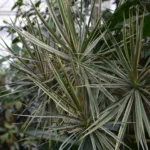 Tricolor (Dracaena marginata ‘Tricolor’)Dracaena marginata 'Tricolor'
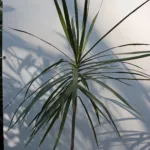 Dracaena marginata care guideDracaena marginata