
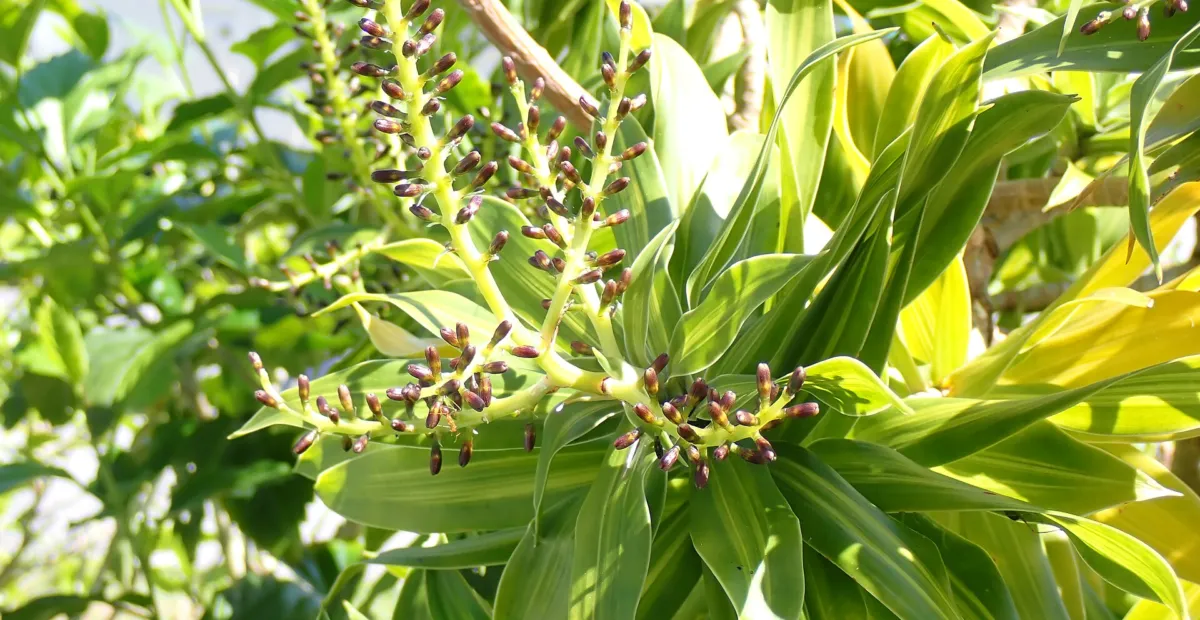
 Source:
 Song of Jamaica (Dracaena reflexa ‘Song of Jamaica’) short overview
Dracaena reflexa ‘Song of Jamaica’ is an evergreen tropical houseplant grown for its upright cane-like stems and narrow green leaves marked with subtle lighter striping. It performs best in bright, filtered light, a loose well-drained potting mix, and moderate watering that allows the surface to dry slightly between applications. Protect it from cold drafts and direct hot afternoon sun. Like other dracaenas, it is toxic to dogs and cats if eaten.
Taxonomic classification
Song of Jamaica (Dracaena reflexa ‘Song of Jamaica’) care guide
Light and placement
Provide bright filtered light, ideally near an east- or west-facing window, or several feet from a bright south-facing window. A little gentle morning sun is usually acceptable, but strong afternoon rays through glass can bleach or scorch leaves. Too little light causes slower growth, weaker color contrast, and greater overwatering risk; too much direct sun may produce pale, dry patches.
Watering and humidity
Water thoroughly when the top 1–2 inches of mix feel dry, then let excess drain completely. Do not leave the pot standing in water. Water less often during cool, dim winter conditions and more consistently during warm active growth. Use a container with drainage and avoid repeated small sips that wet only the surface.
Soil and growing medium
Use a loose, peat-free or peat-based houseplant mix amended for drainage with perlite, pumice, or fine bark. The container must have drainage holes. A slightly acidic to neutral reaction is suitable; avoid chronically wet, compacted soil, which can deprive roots of oxygen and encourage root rot.
Feeding
Feed during active spring and summer growth with a balanced liquid houseplant fertilizer diluted to half the label rate about monthly. Water the plant first if the mix is very dry. Reduce or stop feeding in low-light winter conditions, and do not fertilize a wilted, recently repotted, or root-damaged plant.
Growth and habit
This slow- to moderate-growing cultivar develops upright, cane-like stems topped by leafy rosettes. Older stems may branch after pruning or after a growing point is removed. Rotate containers periodically to prevent one-sided growth, and remove yellowing lower leaves as they age naturally.
Planting and repotting
In the United States, grow this cultivar primarily as a container plant. Set it at the same depth as it was previously growing, with the canes supported by firm mix but not buried deeply. Allow space around the foliage for air movement and rotate the pot periodically for even growth.
Repot in spring when roots fill the container or growth slows because the mix has broken down. Move up only one pot size, preserve the root ball as much as practical, and use a fresh, sharply draining mix. Oversized containers stay wet too long and increase the risk of root problems.
Propagation and pruning
Propagation
Propagate chiefly from stem or cane cuttings in late spring through summer. Use healthy sections with at least one viable node, allow cut surfaces to dry briefly, and root in a warm, lightly moist, well-aerated medium. Bright indirect light and bottom heat can improve rooting; seed is not a practical way to preserve a named cultivar.
Pruning
Prune in spring or summer to control height, improve branching, or remove bare, weak, or damaged canes. Make clean cuts above a node; shortened healthy sections can be used for propagation. Avoid removing a large proportion of the foliage at once, especially in low light.
Overwintering
Keep indoors before temperatures approach 55°F, and protect from drafts, frost, and cold windows. In winter, provide the brightest available filtered light, reduce watering as growth slows, and stop fertilizer if the plant is not actively growing. Avoid sudden moves from dim indoor conditions into intense outdoor sun.
Uses
Used as an ornamental foliage plant for homes, offices, conservatories, and frost-free patios. Its upright cane structure suits floor containers and low-maintenance interior plantings. It has no supported culinary or medicinal use for this cultivar, and its toxicity makes it unsuitable for pet-accessible rooms.
Appearance
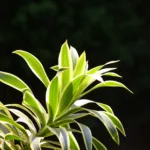
The plant forms slender woody canes bearing dense terminal rosettes of narrow, pointed, strap-like leaves. ‘Song of Jamaica’ is generally marketed as a green or subtly green-striped form, distinct from strongly cream- or yellow-margined ‘Song of India’ types. Older specimens may develop visible bare stem sections below the leafy crowns.
Flowering
Mature Dracaena reflexa plants may produce branched clusters of small, pale greenish-white flowers, but flowering is uncommon in ordinary indoor culture. Reliable cultivar-specific flowering timing for ‘Song of Jamaica’ in the United States is not established.
Pollination and visitors
No reliable documentation was found showing that ‘Song of Jamaica’ is a significant animal-pollinator resource in typical United States cultivation. Indoor specimens rarely flower, so pollinator value should not be assumed.
Dracaena reflexa 'Song of Jamaica' photos
Click any photo for a larger view. Source, author and license are shown separately.
Diseases and pests
Diseases
The main disease risk is root or stem rot caused by prolonged saturation, poor drainage, or low-light overwatering. Use a draining mix, empty saucers, and remove badly rotted tissue if repotting is necessary. Leaf-spot problems are less common; improve airflow, keep foliage dry when possible, and remove affected leaves.
Pests
Watch for mealybugs, scale, thrips, and spider mites, especially on stressed or dusty plants. Inspect leaf axils and stem joints regularly. Isolate affected plants, wipe or rinse accessible pests, and use an appropriately labeled insecticidal soap or horticultural oil when needed; repeat treatment according to the label.
Related diseases and pests
Only Plant Doctor profiles whose host data indicate this plant may be affected are shown here.
 PestDracaena ThripsParthenothrips dracaenae
 Environmental stressAlacsony fény okozta stressz
 Environmental stressOverwatering
 DiseaseBipolaris Leaf Spot, Spot Blotch and Common Root RotBipolaris sorokiniana
 DiseaseAlternaria leaf spot and fruit rotAlternaria alternata
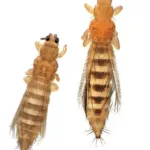 PestOnion thripsThrips tabaci Lindeman
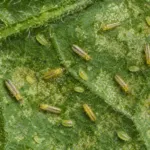 PestMelon thripsThrips palmi Karny
 PestChilli thripsScirtothrips dorsalis Hood
Toxicity and pollen
Dracaena reflexa is listed as toxic to dogs and cats by the ASPCA, with saponins identified as the toxic principle. Ingestion may cause vomiting, depression, reduced appetite, drooling, and in cats, dilated pupils. Keep fallen leaves and prunings away from pets. Human exposure data for this cultivar are limited; avoid chewing the plant and seek medical advice after ingestion.
- Pollination / pollen
- Not meaningfully documented for ordinary indoor culture
This cultivar is rarely reported flowering indoors, and reliable cultivar-specific airborne-pollen data were not located. Do not treat the absence of reports as proof of zero allergy risk. If an indoor specimen flowers, avoid placing it in a sensitive person's bedroom and monitor for symptoms.
Native habitat
The species Dracaena reflexa is native to humid tropical regions including Madagascar, Mauritius, Réunion, the Seychelles, Comoros, and northern Mozambique. It is associated with warm, frost-free climates and moist tropical vegetation. The named cultivar is a cultivated selection rather than a wild habitat form.
Interesting fact
The cultivar name is distinct from the commonly traded ‘Song of India’.
Frequently asked questions (FAQ)
The most relevant questions about this plant, with short and direct answers.
🌱Quick care
What is Dracaena reflexa 'Song of Jamaica'?⌄
Dracaena reflexa 'Song of Jamaica' is a tropical, upright houseplant in the Asparagaceae family, grown for its narrow, spiraling green foliage and multi-stemmed form. It is usually sold and grown indoors in the United States.
How much light does Dracaena reflexa 'Song of Jamaica' need?⌄
Give Dracaena reflexa 'Song of Jamaica' bright filtered light to partial shade. It tolerates lower light, but growth may slow and the foliage pattern may become less pronounced.
How often should I water Dracaena reflexa 'Song of Jamaica'?⌄
Water when the soil surface has dried slightly, then water thoroughly until excess drains from the pot. Allow the mix to dry somewhat again before watering, because constantly wet soil can cause root rot.
What is the best soil for Dracaena reflexa 'Song of Jamaica'?⌄
Use a loose, well-drained houseplant mix that holds some moisture while allowing air around the roots. Adding perlite or another drainage material can help if the mix stays wet for a long time.
Is Dracaena reflexa 'Song of Jamaica' easy to care for?⌄
Yes, Dracaena reflexa 'Song of Jamaica' is generally a manageable houseplant when it receives filtered light, moderate watering, and good drainage. The main problems come from overwatering, cold drafts, poor light, or mineral buildup in water.
🌤️Environment and placement
Can Dracaena reflexa 'Song of Jamaica' grow in low light?⌄
Dracaena reflexa 'Song of Jamaica' can tolerate low light, but bright filtered light is better for compact growth and stronger foliage coloration. Avoid moving it suddenly from shade into intense direct sun.
Where should I place Dracaena reflexa 'Song of Jamaica' indoors?⌄
Place it near an east- or bright north-facing window, or several feet from a brighter window with a sheer curtain. Keep it away from hot afternoon sun, heating vents, air-conditioning vents, and cold exterior doors.
What temperature is best for Dracaena reflexa 'Song of Jamaica'?⌄
Keep Dracaena reflexa 'Song of Jamaica' in a consistently warm room, ideally about 65–75°F. Protect it from frost, cold drafts, and temperatures that remain below approximately 55°F.
Does Dracaena reflexa 'Song of Jamaica' need high humidity?⌄
Average indoor humidity is usually adequate, although moderate humidity can improve leaf appearance. If the air is very dry, group plants together or use a humidifier rather than keeping the potting mix constantly wet.
Can I grow Dracaena reflexa 'Song of Jamaica' outdoors in the United States?⌄
It can grow outdoors year-round only in warm, frost-free parts of USDA Zones 10–11 or warmer conditions. In most of the United States, grow it indoors and move it outside seasonally only after temperatures are reliably warm.
💧Care and problems
Why are the leaf tips of my Dracaena reflexa 'Song of Jamaica' turning brown?⌄
Brown leaf tips can result from dry soil, dry air, cold drafts, or fluoride and mineral buildup in the water. Check watering and placement first, and consider filtered, distilled, or rainwater if browning continues.
Why are the leaves of Dracaena reflexa 'Song of Jamaica' turning yellow?⌄
Yellow leaves most often indicate overwatering, poor drainage, aging lower foliage, or cold stress. Let the soil dry slightly between waterings and inspect the roots if the mix remains wet or the stems feel soft.
How do I know if I am overwatering Dracaena reflexa 'Song of Jamaica'?⌄
Overwatering is likely when the soil stays wet, lower leaves turn yellow, or the stem base becomes soft or dark. Reduce watering, confirm that the pot drains freely, and replace severely waterlogged mix if root rot is present.
Why is my Dracaena reflexa 'Song of Jamaica' losing leaves?⌄
Leaf loss can follow overwatering, underwatering, sudden temperature changes, cold drafts, or a major light change. Correct the environmental stress and remove only leaves that are fully yellow or dead.
What pests attack Dracaena reflexa 'Song of Jamaica'?⌄
Common pests include mealybugs, scale, spider mites, and thrips. Inspect leaf joints and stem surfaces regularly, isolate affected plants, and treat early with a suitable houseplant pest-control method according to its label.
How often should I fertilize Dracaena reflexa 'Song of Jamaica'?⌄
Feed lightly with a balanced houseplant fertilizer during active spring and summer growth, following the product label. Reduce or stop feeding in winter and avoid fertilizing dry soil, which can damage the roots.
Can tap water damage Dracaena reflexa 'Song of Jamaica'?⌄
Yes, fluoride and dissolved salts in some tap water can contribute to brown leaf tips and margins. If symptoms persist, use filtered, distilled, or rainwater and occasionally flush the potting mix with clean water.
🪴Planting and repotting
When should I repot Dracaena reflexa 'Song of Jamaica'?⌄
Repot in spring when roots circle the container, emerge from drainage holes, or the soil dries unusually fast. Many plants need repotting about every two to three years, but the root condition matters more than the calendar.
What size pot should I use when repotting Dracaena reflexa 'Song of Jamaica'?⌄
Choose a pot only about 1–2 inches wider than the current root ball. A much larger container holds excess wet soil and increases the risk of root rot.
Does Dracaena reflexa 'Song of Jamaica' need a drainage hole?⌄
Yes, use a container with a drainage hole so excess water can escape. Do not rely on a decorative cachepot or a gravel layer inside a holeless pot to prevent waterlogged roots.
How tall does Dracaena reflexa 'Song of Jamaica' get indoors?⌄
Indoors, Dracaena reflexa 'Song of Jamaica' commonly grows several feet tall, depending on its starting size, light, and pruning. It can be kept shorter by cutting back tall stems, which may encourage new branching.
✂️Propagation and pruning
How do I propagate Dracaena reflexa 'Song of Jamaica'?⌄
Propagate it from healthy stem or tip cuttings taken during active growth. Place a cutting with at least one node in moist, well-drained medium or water, provide bright indirect light, and keep it warm while roots develop.
Can I propagate Dracaena reflexa 'Song of Jamaica' in water?⌄
Yes, stem cuttings of Dracaena reflexa 'Song of Jamaica' can root in water, provided at least one node is submerged. Change the water regularly and transfer the cutting to a draining potting mix once roots are established.
Can a single leaf of Dracaena reflexa 'Song of Jamaica' grow roots?⌄
A single leaf generally will not produce a new plant because successful propagation requires a piece of stem containing a viable node or bud. Use a tip cutting or stem section instead.
How do I prune Dracaena reflexa 'Song of Jamaica'?⌄
Prune tall or bare stems with clean, sharp pruners, cutting just above a node or at the desired height. The remaining stem may produce new shoots, while the removed healthy section can be used for propagation.
Can I cut back a leggy Dracaena reflexa 'Song of Jamaica'?⌄
Yes, cutting back leggy stems can reduce height and encourage branching below the cut. Improve the light afterward, because insufficient light is a common reason the plant becomes sparse or elongated.
⚠️Toxicity and safety
Is Dracaena reflexa 'Song of Jamaica' toxic to cats and dogs?⌄
Yes, Dracaena reflexa 'Song of Jamaica' is toxic to cats and dogs if eaten. Ingestion may cause vomiting, drooling, reduced appetite, depression, weakness, or other digestive and neurologic signs, so contact a veterinarian or pet poison service if exposure occurs.
Should Dracaena reflexa 'Song of Jamaica' be kept away from children?⌄
Keep the plant and fallen leaves out of reach of young children because chewing plant material can cause irritation or stomach upset. Seek medical advice or contact Poison Control if a child has eaten part of the plant.
🌸Flowering and special interest
Does Dracaena reflexa 'Song of Jamaica' flower indoors?⌄
Dracaena reflexa 'Song of Jamaica' rarely flowers indoors, especially when grown as a container plant. Mature plants may occasionally produce small, fragrant, pale flowers, but flowering is not a reliable feature of indoor cultivation.
Similar plants
 Dragon-tree (Dracaena draco) care guideDracaena draco
 Ribbon Dracaena (Dracaena sanderiana) care guideDracaena sanderiana
 Florida Beauty (Dracaena surculosa ‘Florida Beauty’)Dracaena surculosa 'Florida Beauty'
 Colorama Madagascar dragon tree (Dracaena marginata ‘Colorama’)Dracaena marginata 'Colorama'
 Tricolor (Dracaena marginata ‘Tricolor’)Dracaena marginata 'Tricolor'
 Song of India (Dracaena reflexa ‘Song of India’)Dracaena reflexa 'Song of India'