
 Source:
 Florida Beauty (Dracaena surculosa ‘Florida Beauty’) short overview
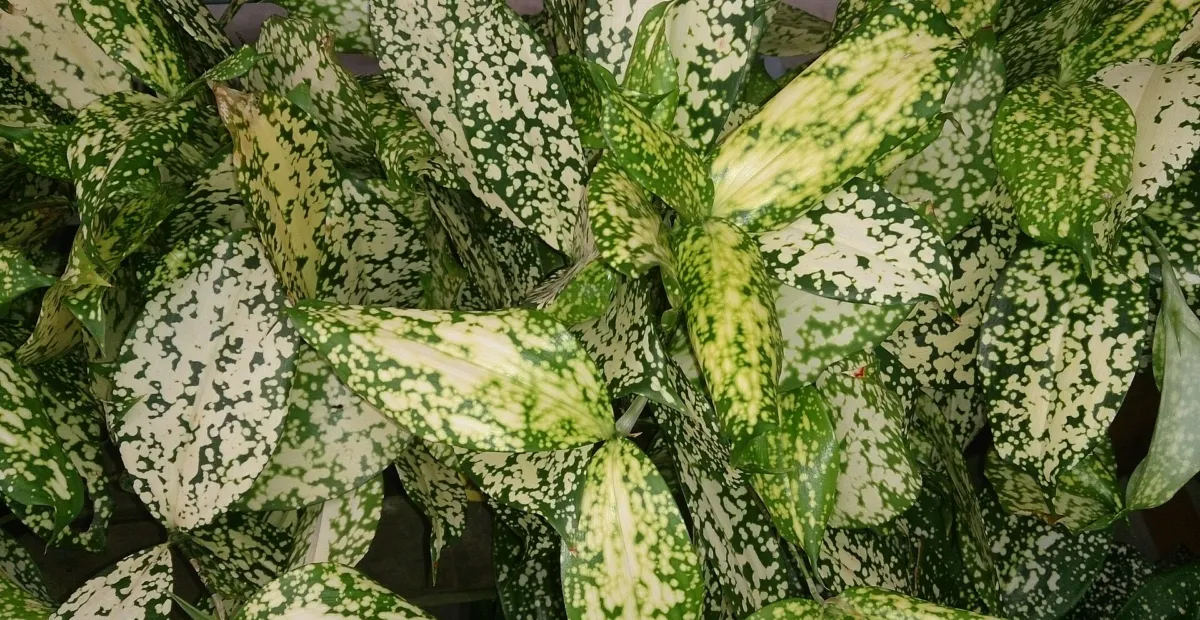
Dracaena surculosa 'Florida Beauty' is a compact evergreen tropical shrub grown for its glossy leaves, which are densely marked with irregular cream-white spots and patches. In the United States it is primarily cultivated as an indoor or container plant. Give it bright filtered light, moderate humidity, and a well-drained potting mix; water when the surface begins to dry, reducing frequency during slower winter growth. Protect it from cold drafts, hot direct sun, and standing water.
Taxonomic classification
Florida Beauty (Dracaena surculosa ‘Florida Beauty’) care guide
Light and placement
Provide bright filtered light, such as an east- or west-facing window or a south-facing window behind a sheer curtain. Gentle morning sun is usually acceptable, but hot afternoon rays can bleach or scorch the cream-marked leaves. Too little light may produce weak, stretched growth and less vigorous coloration; too much direct sun can cause browning, fading, or leaf drop.
Watering and humidity
Water thoroughly when the top inch of mix feels dry, then let excess drain completely. Keep the root ball lightly and evenly moist during active growth, but never leave the pot standing in water. Water less often in winter or whenever growth slows. Moderate humidity is useful, especially in heated or air-conditioned rooms, but good airflow is more important than constantly wet foliage.
Soil and growing medium
Use a loose, peat-free or loam-based indoor potting mix amended for drainage. The container must have drainage holes, because saturated media can cause root problems. The species tolerates a broad pH range, from mildly acidic through neutral to mildly alkaline, so precise pH adjustment is usually unnecessary.
Feeding
Feed during active spring and summer growth with a balanced liquid houseplant fertilizer diluted to about half the label strength, generally every 4–6 weeks. Water first if the mix is dry. Reduce or stop feeding during slow winter growth and after repotting until fresh growth resumes.
Growth and habit
This is a slow-growing, evergreen, many-stemmed shrub that branches from slender cane-like shoots. Regular rotation helps maintain balanced growth toward the light. Sparse or weak shoots usually indicate inadequate light, while scorched margins or leaf drop can follow excessive direct sun, cold stress, or inconsistent watering.
Planting and repotting
In the United States, grow this cultivar outdoors only in frost-free tropical or subtropical locations, or use it seasonally in containers. Plant or pot at the same depth as the original root ball, leaving the stem bases uncovered. Allow space for a bushy clump and establish with even moisture while avoiding saturation.
Repot in spring when roots fill the container or growth slows despite good care. Move up only one pot size and disturb the root ball as little as practical. Refresh compacted mix and ensure the new container drains freely; oversized pots remain wet too long.
Propagation and pruning
Propagation
Propagate from semi-ripe stem cuttings or leafless stem sections in spring or during warm active growth. Use clean sections with at least one viable node, place them in a sterile, lightly moist rooting medium, and provide warmth and indirect light. Commercial propagation also uses tissue culture.
Pruning
Prune in spring or during active growth to remove damaged stems, control height, or encourage branching. Cut stems cleanly above a node. If the plant becomes sparse, stems can be cut back hard, but recovery is gradual because growth is naturally slow.
Overwintering
Bring outdoor containers indoors before nighttime temperatures approach 50°F. Place the plant in bright filtered light, keep it away from cold drafts and heat vents, and reduce watering as growth slows. Do not expose it to frost or prolonged temperatures near freezing.
Uses
Used as an ornamental foliage plant for indoor displays, dish gardens, terrariums, offices, and sheltered containers. In frost-free tropical and subtropical landscapes it can serve as a small foliage shrub. It has no supported culinary use and should not be consumed.
Appearance
The cultivar forms a compact, bushy shrub of thin green stems bearing broadly elliptic, glossy leaves. Its defining feature is dense cream-white spotting and irregular blotching, often covering much of the leaf surface while leaving green islands and margins. The stems branch freely compared with many cane-form dracaenas.
Flowering
Mature plants can produce small, pale greenish-white tubular flowers in branched inflorescences, but flowering is uncommon in typical indoor culture and is not the cultivar's primary ornamental feature. Flowers may be followed by orange-red berries under suitable warm outdoor conditions.
Pollination and visitors
No reliable cultivar-specific record was found demonstrating strong attraction to a particular animal pollinator. The small flowers are uncommon in indoor culture, so pollinator value should be considered undocumented rather than assumed.
Dracaena surculosa 'Florida Beauty' photos
Click any photo for a larger view. Source, author and license are shown separately.
Diseases and pests
Diseases
Generally trouble-free when grown in airy, well-drained media. Excess moisture and poor drainage can contribute to root rot. Remove affected tissue, improve drainage, reduce watering, and isolate plants with suspected disease. Avoid routinely wetting dense foliage in stagnant conditions.
Pests
Spider mites and scale insects may occur, especially in warm, dry indoor air. Inspect leaf undersides and stem joints regularly. Improve humidity and airflow, isolate infested plants, wash foliage where practical, and use a labeled horticultural soap or oil according to its directions.
Toxicity and pollen
ASPCA lists Florida Beauty, identified as Dracaena surculosa, as toxic to dogs and cats because of saponins. Ingestion may cause vomiting, depression, loss of appetite, hypersalivation, and in cats potentially dilated pupils. Keep plant material away from pets and seek veterinary advice after suspected ingestion. Human exposure evidence for this exact cultivar is limited; do not ingest it.
- Pollination / pollen
- Pollen produced in small flowers; airborne-allergy characteristics not documented
This plant is an angiosperm and can produce pollen when it flowers, but reliable sources do not establish a cultivar-specific airborne pollen burden or seasonal allergy profile. Indoor flowering is uncommon, so pollen exposure is generally expected to be limited; sensitive individuals should still avoid close contact with flowering material if symptoms occur.
Native habitat
The species is native to humid tropical regions of western and west-central Africa, where it grows as a terrestrial understory shrub in warm, frost-free conditions. Its cultivated form is adapted to sheltered, filtered-light environments rather than exposed dry or cold sites.
Interesting fact
The cultivar is one of the best-known ornamental selections of Dracaena surculosa.
Frequently asked questions (FAQ)
The most relevant questions about this plant, with short and direct answers.
🌱Quick care
What is Dracaena surculosa 'Florida Beauty'?⌄
Dracaena surculosa 'Florida Beauty' is a slow-growing, shrub-forming tropical houseplant with glossy green leaves covered in cream, yellow, or white speckles. It is commonly grown indoors in the United States and is also known as Gold Dust Dracaena or Spotted Dracaena.
How much light does Dracaena surculosa 'Florida Beauty' need?⌄
Give it bright filtered or indirect light, with protection from strong midday sun. It tolerates partial shade, but very low light can reduce growth and make the variegated spotting less pronounced.
How often should I water Florida Beauty Dracaena?⌄
Water when the surface of the potting mix begins to dry, then soak thoroughly and allow excess water to drain. Water less often during winter or other periods of slow growth, and never leave the roots standing in water.
Is Dracaena surculosa 'Florida Beauty' easy to grow indoors?⌄
Yes, it is generally an easy-care indoor plant when given filtered light, moderate watering, warmth, and well-drained soil. Its slow growth means it may not need frequent pruning or repotting.
🌤️Environment and placement
Where should I place Florida Beauty Dracaena indoors?⌄
Place it near a bright east- or north-facing window, or several feet back from a brighter south- or west-facing window. Keep it away from hot glass, heating vents, air-conditioning drafts, and sudden temperature changes.
Can Florida Beauty Dracaena grow in low light?⌄
It can tolerate moderate or somewhat low light, but growth will be slower and the cream or yellow markings may become less vivid. Move it gradually to brighter filtered light if the stems become weak or new leaves lose their pattern.
Can Dracaena surculosa 'Florida Beauty' grow outdoors?⌄
It can grow outdoors year-round only in warm, frost-free parts of the United States, generally USDA Zones 9–11. In cooler areas, grow it in a container and bring it indoors before temperatures approach freezing.
Does Florida Beauty Dracaena need high humidity?⌄
Moderate humidity is usually sufficient, although higher humidity can support cleaner leaves and new growth. Good air circulation is important because constantly wet foliage and stagnant air can encourage problems.
What temperature is best for Florida Beauty Dracaena?⌄
Keep it in a warm indoor location and protect it from cold drafts and frost. Sudden chilling can damage the leaves even when the plant is otherwise healthy.
💧Care and problems
Why are the leaves on my Florida Beauty Dracaena turning brown?⌄
Brown leaf tips or margins commonly result from dry air, inconsistent watering, excess fertilizer salts, or exposure to direct sun. Check the roots and pot drainage before increasing watering, because overwatering can also cause leaf damage.
Why is my Florida Beauty Dracaena losing leaves?⌄
Leaf drop can follow overwatering, poor drainage, cold drafts, sudden relocation, or insufficient light. Remove damaged leaves, correct the environmental stress, and allow the mix to drain well between waterings.
Why is my Florida Beauty Dracaena not growing?⌄
Slow growth is normal, especially in winter, but prolonged stagnation can indicate dim light, cold temperatures, root problems, or a depleted growing medium. Give it brighter filtered light and stable warmth while avoiding excessive watering.
Why are the leaves on my Florida Beauty Dracaena losing their spots?⌄
Insufficient light can make the cream or yellow variegation less noticeable and encourage greener new growth. Increase light gradually with filtered exposure, because harsh direct sun may scorch the leaves.
What pests attack Dracaena surculosa 'Florida Beauty'?⌄
Scale insects and spider mites are common potential pests, particularly on stressed indoor plants. Inspect leaf undersides and stems regularly, isolate affected plants, and treat promptly with a suitable houseplant pest-control method.
Should I fertilize Florida Beauty Dracaena?⌄
Feed lightly with a balanced houseplant fertilizer during active spring and summer growth. Avoid heavy fertilizing in winter and flush the pot occasionally if white mineral residue accumulates on the soil or container.
🪴Planting and repotting
What soil is best for Dracaena surculosa 'Florida Beauty'?⌄
Use a loam-based or peat-free, humus-rich potting mix that drains freely. The mix should retain some moisture without becoming compacted or waterlogged around the roots.
Does Florida Beauty Dracaena need a pot with drainage holes?⌄
Yes, use a container with drainage holes to prevent water from collecting around the roots. Empty the saucer or decorative cover after watering so the plant does not sit in runoff.
When should I repot Florida Beauty Dracaena?⌄
Repot when roots fill the container, drainage slows, or the plant repeatedly dries out unusually quickly. Because it grows slowly, it usually needs repotting only every few years rather than annually.
What size pot should I use when repotting Florida Beauty Dracaena?⌄
Choose a pot only one or two inches wider than the current root ball. An oversized container holds excess moisture and increases the risk of root rot.
✂️Propagation and pruning
How do you propagate Dracaena surculosa 'Florida Beauty'?⌄
Propagate it from semi-ripe stem cuttings or leafless stem sections during active growth. Insert the cuttings into a warm, lightly moist, well-drained medium and provide bright filtered light until roots and new shoots develop.
Can Florida Beauty Dracaena be propagated in water?⌄
Stem cuttings may produce roots in water, although rooting in a well-drained propagation medium often makes the transition to potting mix easier. Move a water-rooted cutting into soil once it has a useful root system, keeping the mix lightly moist at first.
Can I prune Dracaena surculosa 'Florida Beauty' to make it bushier?⌄
Yes, pruning the stems encourages branching below the cut and can create a fuller plant. Make clean cuts during active growth, and use healthy stem sections as potential cuttings.
How far back can I cut Florida Beauty Dracaena?⌄
You can cut weak or overgrown stems back substantially, even near the base, provided the plant has healthy roots and receives suitable aftercare. New shoots may emerge below the cuts, but regrowth can be slow.
⚠️Toxicity and safety
Is Dracaena surculosa 'Florida Beauty' toxic to cats and dogs?⌄
Yes, it is toxic to cats and dogs if eaten because it contains saponins. Ingestion may cause vomiting, drooling, depression, appetite loss, and other gastrointestinal or neurological signs, so contact a veterinarian or animal poison service promptly.
Is Florida Beauty Dracaena poisonous to people?⌄
It can be harmful if ingested, although reported human poisoning severity is generally considered low. Keep the plant away from children and avoid contact with sap, especially if anyone in the household is sensitive.
Should I keep Florida Beauty Dracaena away from pets?⌄
Yes, keep it inaccessible to cats and dogs because chewing any part of the plant can cause illness. If ingestion occurs, do not induce vomiting unless directed by a veterinarian or poison-control professional.
🌸Flowering and special interest
Does Dracaena surculosa 'Florida Beauty' produce flowers?⌄
Yes, mature plants can produce small, fragrant, greenish-white flowers, but flowering is uncommon indoors. Good light, warmth, and maturity may improve the chance of blooming, although a healthy houseplant may never flower.
What do Florida Beauty Dracaena flowers look and smell like?⌄
The flowers are small, pale greenish-white blooms that may appear in clusters and can be fragrant. Flowering is more likely under favorable mature-plant conditions than in a typical indoor setting.
Similar plants
 Bicolor (Dracaena marginata ‘Bicolor’)Dracaena marginata 'Bicolor'
 Song of Jamaica (Dracaena reflexa ‘Song of Jamaica’)Dracaena reflexa 'Song of Jamaica'
 Dragon-tree (Dracaena draco) care guideDracaena draco
 Cornstalk dracaena (Dracaena fragrans) care guideDracaena fragrans
 Song of India (Dracaena reflexa ‘Song of India’)Dracaena reflexa 'Song of India'
 Ribbon Dracaena (Dracaena sanderiana) care guideDracaena sanderiana