
 Source:
 Dill (Anethum graveolens) short overview
Dill (Anethum graveolens) is a fast-growing annual herb in the carrot family, valued for its feathery, aromatic foliage, flavorful leaves and seeds, and airy yellow flower umbels. It performs best in full sun, evenly moist but well-drained soil, and cool to moderate weather. Sow it directly because its slender taproot dislikes disturbance, and allow some plants to flower for seed production and beneficial insects.
Taxonomic classification
Dill (Anethum graveolens) care guide
Light and placement
Give dill at least 6 hours of direct sun, ideally in an open south- or west-facing bed with shelter from strong wind. Morning sun with light afternoon shade can help in hot southern climates. Weak light produces thin, floppy stems and sparse foliage; intense reflected heat combined with drought can cause rapid bolting and leaf scorch.
Watering and humidity
Water deeply when the upper inch of soil begins to dry, keeping the root zone evenly moist but never saturated. Seedlings need more consistent moisture than established plants. Increase frequency during hot, windy weather and reduce it after cool rains. Avoid wet foliage overnight and provide airflow to limit foliar disease.
Soil and growing medium
Use fertile, well-drained loam or a quality container mix amended with compost. Dill tolerates relatively poor soil, but excessive nitrogen can produce lush, weak growth and delay useful seed production. Avoid compacted clay and standing water. A slightly acidic to neutral reaction suits growth and nutrient availability.
Feeding
Mix a modest amount of finished compost into the planting area before sowing. If foliage is pale or growth is weak, apply a balanced fertilizer at half strength once during the growing season. Do not repeatedly feed rich, high-nitrogen fertilizer, especially when growing dill for flowers and seeds.
Growth and habit
Dill forms a single-stemmed or branching, upright annual with a slender taproot and a tendency to bolt as temperatures rise or day length increases. Successive direct sowings extend the harvest. Let selected plants mature for seed; they may self-sow where seed heads are left in place.
Planting and repotting
Sow directly in the final bed or container because dill develops a taproot and transplants poorly. Scatter seeds over prepared soil, cover lightly, and keep the surface evenly moist until emergence. Thin promptly to prevent crowding. In hot regions, schedule a fall crop or provide afternoon shade to slow bolting.
Choose a deep container with drainage holes because dill forms a taproot. Sow directly in the final pot rather than moving seedlings. If a transplant is unavoidable, move it while very young with the root ball intact and disturb the roots as little as possible.
Propagation and pruning
Propagation
Propagate by seed. Direct-sow outdoors because the taproot is sensitive to disturbance. Sow successive batches every 2–3 weeks during cool weather for a continuous supply of leaves. Collect dry brown seed heads before seeds shatter, then store cleaned seed cool and dry.
Pruning
Pinch or harvest leafy shoots regularly before flower buds open. Remove spent umbels if you want to reduce self-sowing, or leave selected heads in place for seed harvest. Avoid severe cutting once the plant is flowering because annual dill has limited time to regrow.
Overwintering
Dill is normally treated as an annual. In mild climates, fall-sown plants may produce a late crop, but sustained freezing usually kills them. Indoors, it can be grown near a very bright window or under a grow light, though low light commonly causes weak, stretched growth.
Uses
Dill is widely used as a culinary herb: fresh leaves flavor pickles, potatoes, fish, vegetables, sauces, and salads, while mature seeds add a stronger flavor to pickling and spice blends. Flower heads can be harvested with seed pods or left for self-sowing and insect visitors. Use culinary quantities; concentrated essential oil is not equivalent to ordinary food use.
Appearance
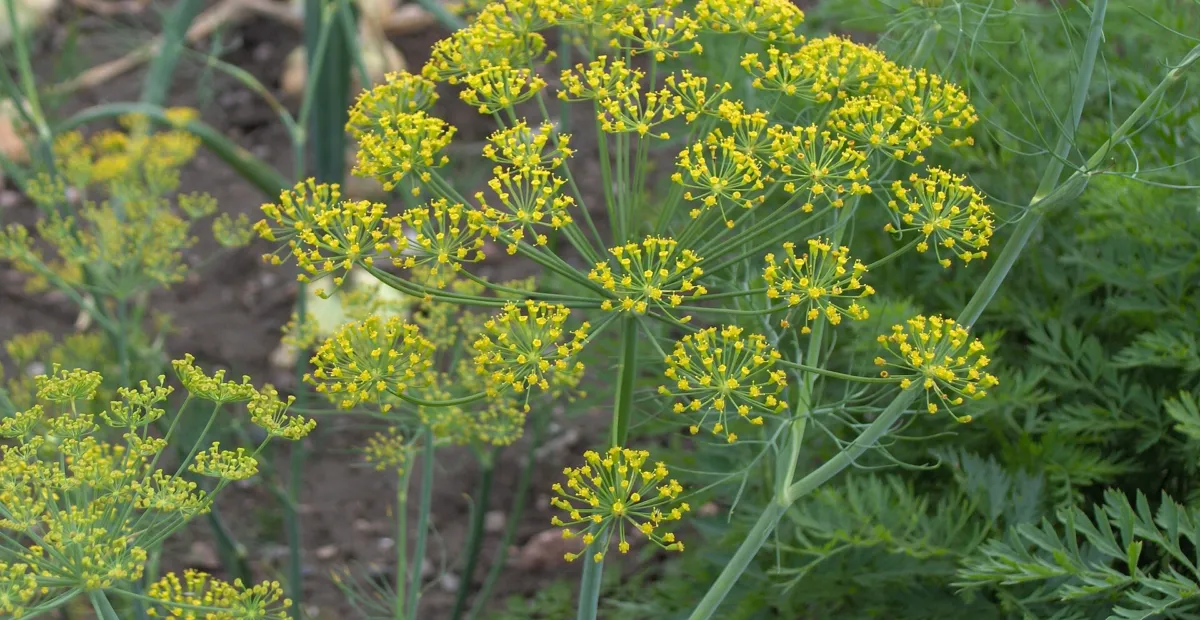
The plant has hollow green stems and finely divided, threadlike blue-green leaves with a distinctive aromatic scent. Flat-topped compound umbels rise above the foliage and carry many tiny yellow flowers. The narrow, flattened fruits mature from green to brown and split into two ribbed mericarps.
Flowering
Tiny five-petaled flowers are arranged in broad, flat compound umbels. Flowering commonly begins in summer and continues into early fall, especially when plants are allowed to bolt. Removing flower heads redirects the plant toward leaf production, while leaving them allows seed development and supports flower visitors.
Pollination and visitors
The open umbels provide accessible nectar and pollen for hoverflies, small bees, and wasps, including beneficial parasitoid wasps. Hoverfly larvae may prey on aphids, while dill foliage is also used by swallowtail butterfly caterpillars as a food plant. Visitor abundance varies with region, weather, and whether plants are allowed to flower.
Anethum graveolens photos
Click any photo for a larger view. Source, author and license are shown separately.
Diseases and pests
Diseases
Prevent problems with well-drained soil, adequate spacing, good airflow, and watering at the soil line. Watch for damping-off in crowded seedlings and leaf-spot or powdery growth during persistently humid weather. Remove affected foliage, avoid overhead irrigation, and do not compost severely diseased material.
Pests
Aphids, leafhoppers, lygus bugs, and occasional leaf beetles may feed on dill. Inspect new growth and flower stems regularly. Encourage hoverflies, lady beetles, and parasitoid wasps, use a strong water spray for light aphid infestations, and reserve insecticides for confirmed, significant damage because sprays can harm beneficial visitors.
Related diseases and pests
Only Plant Doctor profiles whose host data indicate this plant may be affected are shown here.
Toxicity and pollen
Dill is widely consumed as a food herb and is considered minimally toxic in ordinary culinary amounts. Concentrated essential oils can irritate skin and may cause dermatitis with prolonged contact. Rare IgE-mediated allergy to dill has been reported, including reactions after ingestion or inhalation, so sensitive individuals should avoid exposure and seek medical advice for symptoms.
- Typical season
- Usually summer to early fall in the United States
- Pollination / pollen
- Insect-dispersed pollen from exposed anthers
Dill is insect-pollinated, so its pollen is not typically dispersed broadly by wind. Airborne exposure is therefore expected to be limited compared with wind-pollinated plants, but flowering plants can still release some pollen during handling. Rare food and inhalation allergies to dill are documented, so highly sensitive people should use appropriate precautions.
Native habitat
Dill is associated with open, sunny, seasonally warm habitats and cultivated ground rather than dense woodland. It grows in moderately fertile, freely draining soils and can persist outside cultivation where summers are suitable. In the United States it is primarily an introduced garden annual, with occasional naturalization.
Interesting fact
Dill is the only widely accepted species in the genus Anethum. Its genus name is linked to an ancient Greek word associated with dill or anise. The species name graveolens refers to its strong odor. The feathery leaves and aromatic oils help distinguish it from several similar Apiaceae herbs.
Frequently asked questions (FAQ)
The most relevant questions about this plant, with short and direct answers.
🌱Quick care
What is the easiest way to grow Dill (Anethum graveolens)?⌄
Sow Dill seeds directly in well-drained soil in a sunny location, then keep the soil moderately moist while seedlings establish. Dill develops a long taproot and usually performs poorly after transplanting.
Is Dill an annual or perennial plant?⌄
Dill is a fast-growing annual herb, so individual plants normally complete their life cycle in one growing season. It can return the following year when mature plants drop seed and self-sow.
What is the difference between Dill weed and Dill seed?⌄
Dill weed refers mainly to the plant’s aromatic leaves and tender stems, while Dill seed refers botanically to the dried fruits used as a spice. The leaves are harvested before or around flowering, whereas seeds are collected after the flower heads mature.
🌤️Environment and placement
How much sunlight does Dill need?⌄
Dill grows best with at least 6 to 8 hours of direct sunlight daily. Less light can produce taller, weaker stems and may reduce leaf production.
What type of soil is best for Dill?⌄
Use loose, well-drained loamy soil enriched with organic matter and slightly acidic to neutral conditions. Avoid heavy, waterlogged soil because poor drainage increases the risk of root and foliar disease.
Can Dill grow indoors?⌄
Dill can grow indoors if it receives strong light, ideally from a sunny window or a grow light for about 12 hours daily. Use a deep container with drainage because the plant forms a long taproot.
How tall does Dill grow?⌄
Depending on the variety and conditions, Dill commonly grows about 2 1/2 to 5 feet tall. Tall varieties may need shelter or staking, while compact cultivars are better suited to containers and small gardens.
Can Dill tolerate frost?⌄
Dill tolerates light frost better than many warm-season herbs, but it is still an annual and may be damaged by hard freezes. In colder areas, protect young plants or sow again after severe frost danger has passed.
What plants grow well near Dill?⌄
Dill can be useful near crops where its flowers attract beneficial insects, including pollinators and predatory insects. Avoid treating companion-planting claims as guaranteed, and give Dill enough space and sunlight to prevent competition or crowding.
💧Care and problems
How often should I water Dill?⌄
Water Dill when the soil surface begins to dry, providing moderate and consistent moisture without keeping the soil soggy. Established plants tolerate somewhat drier conditions, especially after seed production begins.
Does Dill need fertilizer?⌄
Dill usually needs little fertilizer when grown in reasonably fertile soil amended with organic matter. Excess nitrogen can encourage soft, leafy growth, so use a soil test and apply only a light feeding if deficiencies are indicated.
Why is my Dill turning yellow?⌄
Yellowing Dill can result from overwatering, poor drainage, nutrient imbalance, root stress, or normal aging as the plant flowers. Check soil moisture and roots first, and remove plants showing spreading disease symptoms.
Why is my Dill falling over?⌄
Dill often falls over because its tall, hollow stems are exposed to wind, grown in insufficient light, or carrying heavy flower heads. Grow it in a sheltered sunny spot and stake plants when necessary.
Why is my Dill bolting so quickly?⌄
Dill bolts when it shifts from leafy growth to flowering, with heat, drought stress, crowding, and plant age often accelerating the process. Sow small batches every 2 to 4 weeks and keep young plants evenly watered for a longer leaf harvest.
How can I keep Dill from flowering?⌄
You cannot prevent flowering indefinitely because Dill is an annual herb, but you can delay it by growing slow-bolting cultivars, thinning plants, reducing heat and drought stress, and making succession sowings. Pinching developing flower buds may temporarily favor leaf production.
How do I harvest fresh Dill leaves?⌄
Harvest the feathery leaves as soon as the plants are large enough to use, preferably before the yellow flower clusters open. Cut individual stems or leafy portions and use them promptly because fresh Dill loses flavor quickly after cutting.
What pests commonly affect Dill?⌄
Dill may attract aphids, caterpillars such as parsley worms, and occasionally tomato hornworms, although serious pest problems are uncommon. Parsley worms are swallowtail butterfly larvae, so consider relocating or sharing them rather than automatically destroying them.
What diseases affect Dill?⌄
Dill can develop powdery mildew, blight, or aster yellows, particularly when plants are stressed, overcrowded, or kept too wet. Improve airflow, water at the soil line, avoid overwatering, and remove severely affected plants.
🪴Planting and repotting
Can Dill grow in containers?⌄
Dill grows well in a container that is at least about 12 inches deep and has drainage holes. Choose a sunny location, use a quality potting mix, and provide support if tall stems begin to lean.
When should I plant Dill in the United States?⌄
Sow Dill outdoors in spring after the soil begins warming, with timing adjusted to your local frost date and USDA climate. For a fall harvest, make additional sowings in late summer where the season is long enough.
How deep should Dill seeds be planted?⌄
Plant Dill seeds about 1/4 inch deep or cover them only lightly with soil. Keep the seedbed evenly moist until germination, which commonly takes about 1 to 3 weeks depending on soil temperature.
How far apart should Dill plants be spaced?⌄
Thin Dill seedlings to roughly 9 to 12 inches apart, with about 12 to 24 inches between rows depending on the variety and available space. Adequate spacing improves airflow and reduces overcrowding-related bolting.
Can I transplant Dill seedlings?⌄
Dill is difficult to transplant successfully because it develops a long taproot and dislikes root disturbance. If you must move seedlings, transplant them very young with the root ball intact, but direct sowing is more reliable.
✂️Propagation and pruning
Does Dill need pruning?⌄
Dill does not require formal pruning, but harvesting the leafy stems regularly keeps the plant productive for culinary use. Removing flower buds can delay seed production briefly, while allowing flowers to mature supports pollinators and seed saving.
How long does Dill take to germinate?⌄
Dill seeds commonly germinate in about 7 to 21 days when planted shallowly in warm, evenly moist soil. Cool soil, excessive planting depth, or drying out can delay or reduce emergence.
How do I save Dill seeds for next year?⌄
Let the flower heads dry on the plant or cut them when the seeds are tan and finish drying them indoors. Separate the dry seeds, store them in an airtight container away from heat and light, and label the harvest date.
Does Dill self-seed?⌄
Dill readily self-seeds when mature flower heads are left on the plant. Allow some seed heads to drop naturally if you want volunteer plants, but remove unwanted heads before seeds scatter because Dill can become weedy.
⚠️Toxicity and safety
Is Dill safe to eat?⌄
Dill leaves, stems, flowers, and seeds are generally considered safe in ordinary culinary amounts for most people. Concentrated supplements or essential oils are different from food portions and may cause irritation or allergic reactions, so use them cautiously.
Is Dill toxic to dogs and cats?⌄
Small amounts of culinary Dill are generally considered low-risk for pets, but concentrated Dill oils and large quantities are not equivalent to normal food use. Contact a veterinarian or animal poison service if a pet consumes an essential oil or develops symptoms.
Can people with allergies react to Dill?⌄
Yes, although reactions are uncommon, fresh Dill can cause allergy or skin irritation in sensitive individuals. Wear gloves when handling it if you have reacted to related Apiaceae plants such as celery, carrot, parsley, or fennel.
Can I use Dill during pregnancy?⌄
Normal culinary amounts of Dill are generally different from medicinal preparations, supplements, or concentrated essential oil. Because safety data for concentrated forms are limited, consult a qualified healthcare professional before using Dill medicinally during pregnancy.
🌸Flowering and special interest
When should I harvest Dill seeds?⌄
Harvest Dill seed heads when the clusters turn tan or golden brown and the seeds begin to mature, but before they scatter. Cut the stalks, place the heads in a paper bag, and finish drying them in a warm, well-ventilated place.
Can I harvest Dill flowers?⌄
Yes, Dill’s yellow flower clusters are edible and commonly used fresh in pickling, salads, and garnishes. Harvest green, open flower heads for pickling, or allow them to mature if your goal is seed production.
Does Dill attract beneficial insects?⌄
Dill attracts bees, butterflies, hoverflies, wasps, lady beetles, lacewings, and other beneficial insects, especially when its yellow flower umbels are open. Growing some plants for flowers can increase its wildlife value beyond its culinary use.
Similar plants
 Azure Monkshood (Aconitum carmichaelii) care guideAconitum carmichaelii
 Monkshood (Aconitum ‘Stainless Steel’)Aconitum 'Stainless Steel'
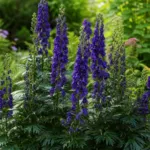 Monkshood (Aconitum ‘Bressingham Spire’)Aconitum 'Bressingham Spire'
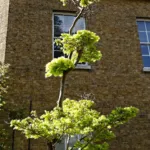 Golden full moon maple (Acer shirasawanum ‘Aureum’)Acer shirasawanum 'Aureum'
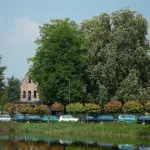 Globosum (Acer platanoides ‘Globosum’)Acer platanoides 'Globosum'
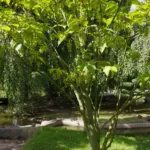 Striped maple (Acer pensylvanicum) care guideAcer pensylvanicum