
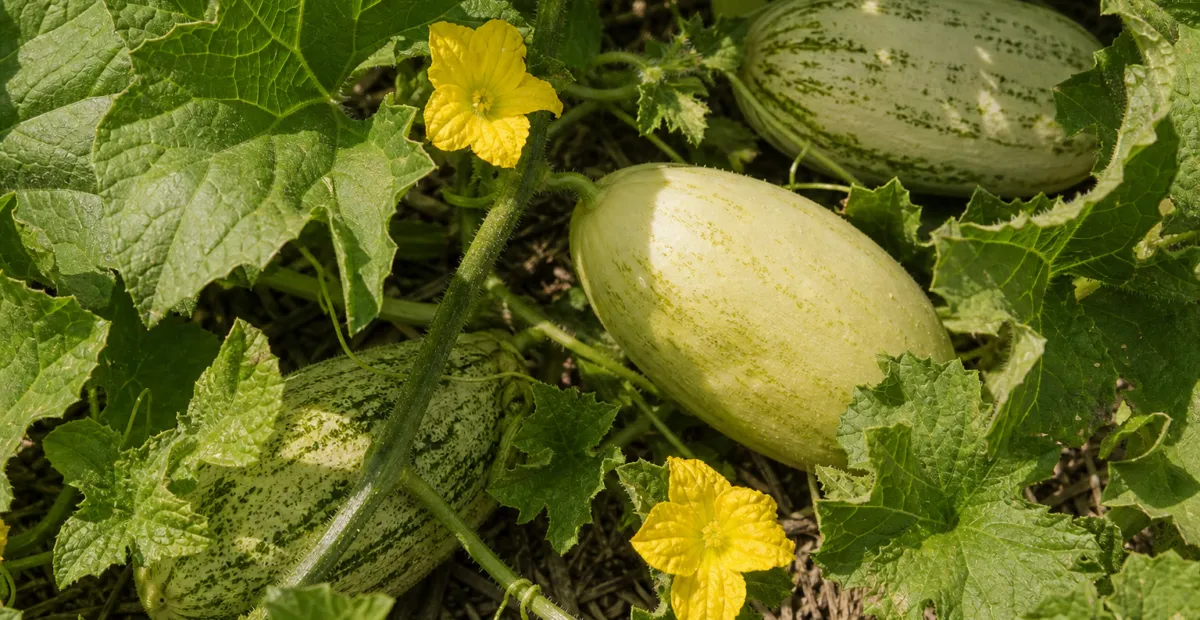
 AI-generated illustration
Momordica Group (Cucumis melo Momordica Group) short overview
Cucumis melo Momordica Group is a warm-season melon group associated with snap melons, especially forms cultivated in South Asia. Plants develop long, trailing vines, yellow insect-pollinated flowers, and fruits that are generally low in sugar compared with dessert melons. At maturity, the fruit may crack or disintegrate rapidly, so harvesting requires close observation. In the United States, it is best grown as an annual in a sunny, warm, well-drained site.
Taxonomic classification
Momordica Group (Cucumis melo Momordica Group) care guide
Light and placement
Give the vine the sunniest available position, ideally with at least 6 hours of direct light and preferably 8–10 hours. A south- or southwest-facing bed, warm raised bed, or dark mulch can improve growth in cooler regions. Weak light produces long, soft growth, fewer female flowers, and poorly developed fruit; harsh reflected heat is usually less troublesome than shade, provided roots do not dry out.
Watering and humidity
Water deeply when the upper few inches of soil begin to dry, keeping moisture steady during flowering and fruit enlargement. Drip irrigation or a soaker hose is preferable because wet foliage encourages leaf disease. Reduce irrigation slightly as fruit approaches maturity, but do not allow severe drought, which can reduce fruit size and increase plant stress. Water at the base in the morning.
Soil and growing medium
Use fertile, loose soil that drains rapidly after rain yet holds enough moisture for active vines. Sandy loam is ideal; improve heavy clay with compost and raised beds rather than relying on sand alone. A soil test is useful because melon performance declines in strongly acidic soil. Avoid planting immediately after cucumber, squash, pumpkin, watermelon, or melon crops where disease and nematode pressure may persist.
Feeding
Incorporate finished compost before planting and apply a balanced vegetable fertilizer according to soil-test recommendations. Avoid excessive nitrogen, which promotes leaves and runners at the expense of fruiting. A light side-dressing when vines begin active spreading can help on poor soils. Do not feed dry, drought-stressed plants or apply fresh manure, which can damage roots and introduce pathogens.
Growth and habit
Plants are monoecious vines with separate male and female flowers on the same plant. Vines ramble across the ground but can be trained up a sturdy trellis if developing fruits are individually supported. Early flowers are often male, while female flowers appear on later lateral growth. Because ripe fruit may deteriorate quickly, inspect developing melons frequently near the expected harvest window.
Planting and repotting
Direct-sow after frost danger has passed and the soil has warmed, or start seed indoors in biodegradable pots about 3 weeks before transplanting. Sow 1–1½ inches deep in hills or raised beds, then thin to the strongest plant or plants. Use black plastic or another soil-warming mulch in short-season areas. Harden transplants carefully and disturb the roots as little as possible.
For container culture, use a large container with drainage holes and a strong trellis or ground-level support. Transplant only once, while seedlings are young, and avoid disturbing the root ball. A container-grown vine needs frequent monitoring because limited soil volume dries and warms faster than a garden bed.
Propagation and pruning
Propagation
Propagate by seed. Sow fresh seed indoors in biodegradable pots about 3 weeks before outdoor planting, or direct-sow into warm soil after frost. Keep the seed medium warm and evenly moist until emergence. Transplant promptly, before roots become crowded, because cucurbit seedlings can respond poorly to root disturbance.
Pruning
Pruning is optional. Guide or redirect runners while they are young, remove badly damaged leaves, and keep fruit off persistently wet soil with mulch or supports. Avoid heavy cutting after flowering begins because excessive vine removal reduces leaf area needed to fill fruit. On a trellis, tie stems loosely and support each developing melon with a breathable sling.
Overwintering
Do not overwinter outdoors in frost-prone regions. Remove vines after harvest and dispose of diseased material rather than composting it. In warm frost-free areas, the crop may continue seasonally, but this annual group is normally replanted from seed rather than maintained through winter.
Uses
Primarily a food crop and a source of genetic diversity for melon breeding. Fruits associated with this group are often eaten at immature or near-mature stages, depending on the accession and local culinary tradition; ripe fruits may split and become difficult to handle. Use only accurately identified, properly cultivated fruit, and do not treat traditional food use as evidence of medicinal benefit.
Appearance
The plant has rough, herbaceous trailing stems with tendrils and broad, shallowly lobed green leaves. Yellow axillary flowers are produced separately as male and female blooms. Momordica Group fruits are commonly ovoid to cylindrical, with flesh reported as white or pale orange and relatively low sugar. Fruit-splitting at maturity is a key identifying and handling characteristic, although shape and rind traits vary among accessions.
Flowering
Flowers are borne in leaf axils, with separate staminate and pistillate blooms on the same vine. Female flowers have a swollen ovary beneath the corolla and remain receptive for a short period, commonly about one day. Flowering and fruit set are strongest in warm, sunny weather; cool, rainy, or windy conditions can reduce pollen transfer and fruit development.
Pollination and visitors
Female flowers require insect-mediated pollen transfer for fruit set. Extension guidance for melons identifies honey bees as especially effective, while other bees may also visit the yellow blooms. Protect visiting pollinators by avoiding insecticide applications during active flowering and by spraying only when necessary and according to the product label.
Diseases and pests
Diseases
Common melon problems include powdery mildew, downy mildew, gummy stem blight, anthracnose, and soil-borne diseases. Improve airflow, water at the soil surface, rotate away from cucurbits for about three years where practical, remove severely diseased foliage, and use resistant cultivars when available. Avoid working among wet vines, which spreads pathogens.
Pests
Watch for striped cucumber beetles, squash bugs, aphids, whiteflies, mites, and squash vine borer in regions where it occurs. Use row covers over young plants but remove them when female flowers open so bees can pollinate. Inspect leaf undersides and stems regularly, hand-remove larger pests, and choose targeted, label-approved controls only when monitoring shows they are needed.
Related diseases and pests
Only Plant Doctor profiles whose host data indicate this plant may be affected are shown here.
 DiseaseCucurbit Downy MildewPseudoperonospora cubensis (Berk. & M.A. Curtis) Rostovzev
 DiseaseCucurbit Powdery MildewPodosphaera xanthii (Castagne) U. Braun & Shishkoff
 DiseaseCucurbit AnthracnoseColletotrichum orbiculare
 DiseaseCucurbit ScabCladosporium cucumerinum
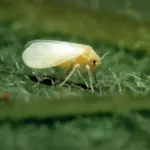 PestSweetpotato whiteflyBemisia tabaci species complex
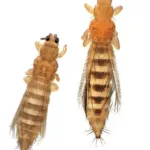 PestOnion thripsThrips tabaci Lindeman
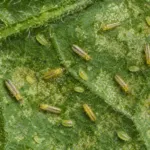 PestMelon thripsThrips palmi Karny
 PestTwo-spotted spider miteTetranychus urticae
Toxicity and pollen
Authoritative pet-plant guidance lists Cucumis melo, muskmelon, as non-toxic to dogs and cats. This does not make every preparation or large quantity harmless: spoiled or fermenting fruit can cause digestive upset, and choking or obstruction is possible with large pieces or discarded rind. Offer only clean, properly identified edible fruit and prevent pets or children from consuming garden chemicals or treated plant material.
- Typical season
- Summer during flowering
- Pollination / pollen
- Heavy, sticky pollen moved mainly by flower-visiting insects
The plant produces pollen during its summer flowering period, but reliable United States measurements for airborne pollen exposure from this specific melon group were not located. Melon pollen is primarily transferred by insects and is not normally treated like a major wind-pollinated tree or grass allergen. People with known pollen or food allergies should use individual caution around flowers and fruit.
Native habitat
This is a cultivated warm-season crop rather than a plant normally encountered as a stable wild component of United States habitats. It performs best in hot, open sites with fertile, well-drained soil, a long frost-free season, and reliable summer moisture. The Momordica Group is linked historically with South Asian cultivation and belongs to the diverse agrestis-associated melon complex in several classification systems.
Interesting fact
Momordica is treated as a cultivar group within Cucumis melo in horticultural classifications, but group boundaries and subspecies placement have changed between taxonomic systems. The group is notable for fruit that can break apart at ripeness, a trait reflected in the snap-melon name. Its fruits are generally less sweet than dessert-melon groups, and the group has been important in studies of melon diversity and domestication.
Frequently asked questions (FAQ)
The most relevant questions about this plant, with short and direct answers.
🌱Quick care
What is Cucumis melo Momordica Group?⌄
Cucumis melo Momordica Group is a horticultural group of melons commonly documented as snap melon. Its fruits are often ovoid to cylindrical, relatively low in sugar, and may be eaten immature or mature.
Is Cucumis melo Momordica Group the same as bitter melon?⌄
No, Cucumis melo Momordica Group is not bitter melon, which is Momordica charantia. The similar group name refers to a melon within the Cucumis genus.
Is Cucumis melo Momordica Group a perennial?⌄
No, it is a frost-tender warm-season annual. The vines grow for one season and must be replanted from seed after frost.
🌤️Environment and placement
How much sun does Cucumis melo Momordica Group need?⌄
Grow it in full sun with at least 6 hours of direct light daily, ideally 8 to 10 hours. Strong sunlight supports vigorous vines, flowering, and fruit development.
What climate is best for Cucumis melo Momordica Group?⌄
It grows best during a long, warm frost-free season. In cooler parts of the United States, use black plastic mulch, raised beds, row cover, or transplants to warm the soil and extend the season.
What soil is best for Cucumis melo Momordica Group?⌄
Use fertile, well-drained sandy loam or loam with good organic matter. Avoid heavy, poorly drained soil because waterlogged roots can stunt the vines and promote disease.
Can I grow Cucumis melo Momordica Group in USDA Zone 5?⌄
Yes, but only as a warm-season annual with an early start and season-extension measures. Start seeds indoors, transplant after the soil warms, and use row cover or plastic mulch to maximize the frost-free growing period.
💧Care and problems
How often should I water Cucumis melo Momordica Group?⌄
Keep the soil evenly and moderately moist, especially during establishment, flowering, and fruit expansion. Water at the soil surface and reduce irrigation as fruit approaches maturity, while preventing severe wilt.
Can Cucumis melo Momordica Group be grown on a trellis?⌄
Yes, the vines can be trellised if the support is sturdy and developing fruits are secured in breathable slings. Vertical training improves airflow but is safest for smaller-fruited accessions.
Should I prune Cucumis melo Momordica Group vines?⌄
Routine heavy pruning is usually unnecessary. Remove damaged or diseased growth, guide vines onto their support, and limit excess shoots only when needed to improve airflow or keep the plant manageable.
Why are the fruits of Cucumis melo Momordica Group cracking?⌄
Some Momordica Group melons are naturally prone to cracking as they mature, but sudden changes in water availability can worsen splitting. Keep moisture consistent and harvest promptly when the fruit shows maturity-related cracking.
What pests commonly attack Cucumis melo Momordica Group?⌄
Common melon pests include cucumber beetles, squash bugs, aphids, and melon or fruit flies in regions where they occur. Inspect young leaves and flowers frequently, protect seedlings with row cover, and use pollinator-safe controls when necessary.
What diseases affect Cucumis melo Momordica Group?⌄
Powdery mildew, downy mildew, and other cucurbit diseases can affect the vines. Full sun, adequate spacing, good airflow, clean watering practices, crop rotation, and resistant seed when available can reduce disease pressure.
Why are Cucumis melo Momordica Group leaves turning white?⌄
A white powdery coating is commonly a sign of powdery mildew. Improve sunlight and airflow, avoid wetting the foliage, remove badly affected leaves, and use a labeled treatment if the disease continues spreading.
How should I protect developing Cucumis melo Momordica Group fruit from rot?⌄
Place straw, a board, or another dry barrier beneath fruits resting on the soil. Trellised fruits should hang in breathable slings that support their weight without trapping moisture.
🪴Planting and repotting
Can Cucumis melo Momordica Group grow in a container?⌄
Yes, it can grow in a large container if the vine has full sun, fertile potting mix, consistent moisture, and strong support. Choose a container with ample drainage and expect the plant to need more frequent watering than plants in the ground.
How much space does Cucumis melo Momordica Group need?⌄
Allow substantial room for trailing vines, commonly about 5 to 6 feet between rows unless the plant is trained vertically. Exact spacing depends on the accession or cultivar and whether it is compact or vigorous.
When should I plant Cucumis melo Momordica Group outdoors?⌄
Direct-sow or transplant it after the danger of frost has passed and the soil is warm. Melons are sensitive to cold, so planting into cool soil can delay growth and reduce flowering or fruit set.
✂️Propagation and pruning
Can I start Cucumis melo Momordica Group seeds indoors?⌄
Yes, start seeds indoors about 3 weeks before outdoor planting and transplant them carefully. Melon roots dislike disturbance, so use biodegradable pots or handle the root ball gently.
How do you propagate Cucumis melo Momordica Group?⌄
Propagate it primarily from seed. Save seed only from fully mature, healthy fruit and recognize that seed-grown plants may vary because melons can cross-pollinate with compatible Cucumis melo types.
Can Cucumis melo Momordica Group cross-pollinate with cantaloupe or honeydew?⌄
Yes, different horticultural groups of Cucumis melo can cross-pollinate because they belong to the same species. Cross-pollination affects the seeds and their offspring, not the appearance of the current season’s fruit.
How should I save Cucumis melo Momordica Group seeds?⌄
Allow fruit to mature fully, remove seeds, rinse away pulp, and dry them thoroughly before storing in a cool, dark, dry place. For varietal purity, isolate flowers or hand-pollinate and protect them from additional insect visits.
⚠️Toxicity and safety
Can you eat Cucumis melo Momordica Group fruit?⌄
Yes, the fruit is generally used as food, with immature fruit sometimes cooked or used like a cucumber and mature fruit eaten fresh or processed. Flavor, sweetness, texture, and preferred harvest stage vary considerably among accessions.
Are Cucumis melo Momordica Group seeds edible?⌄
Melon seeds are generally edible when properly prepared, but the specific food use of Momordica Group seed varies by accession and local tradition. Do not eat seeds from an uncertain or contaminated plant without reliable identification.
Is Cucumis melo Momordica Group toxic to dogs or cats?⌄
It is generally considered non-toxic, but pets can develop digestive upset after eating unfamiliar plant material or large amounts of fruit. Remove seeds and rind, and contact a veterinarian if symptoms occur.
🌸Flowering and special interest
Does Cucumis melo Momordica Group need bees for pollination?⌄
Yes, insect pollinators, especially bees, are important for fruit set. If few bees are present, hand-pollinate by transferring pollen from a male flower to a female flower with a small swollen ovary.
Why is my Cucumis melo Momordica Group flowering but not producing fruit?⌄
Poor pollination is a common cause, especially during cool, rainy, or pesticide-treated weather. Encourage bee activity, avoid insecticides during bloom, and keep the plant growing steadily without water stress.
When is Cucumis melo Momordica Group ready to harvest?⌄
Harvest timing varies by accession, but fruit cracking or splitting can be a maturity signal in snap melons. Because ripe fruit may deteriorate quickly, check the vines frequently and harvest as the fruit reaches its documented mature color and size.
How long does Cucumis melo Momordica Group take to mature?⌄
The exact time is accession-dependent, but cultivated melons commonly need roughly 80 to 100 days from transplanting under favorable conditions. Cold weather, poor pollination, drought, and disease can extend the harvest period.
Similar plants
 Azure Monkshood (Aconitum carmichaelii) care guideAconitum carmichaelii
 Monkshood (Aconitum ‘Stainless Steel’)Aconitum 'Stainless Steel'
 Monkshood (Aconitum ‘Bressingham Spire’)Aconitum 'Bressingham Spire'
 Golden full moon maple (Acer shirasawanum ‘Aureum’)Acer shirasawanum 'Aureum'
 Globosum (Acer platanoides ‘Globosum’)Acer platanoides 'Globosum'
 Striped maple (Acer pensylvanicum) care guideAcer pensylvanicum