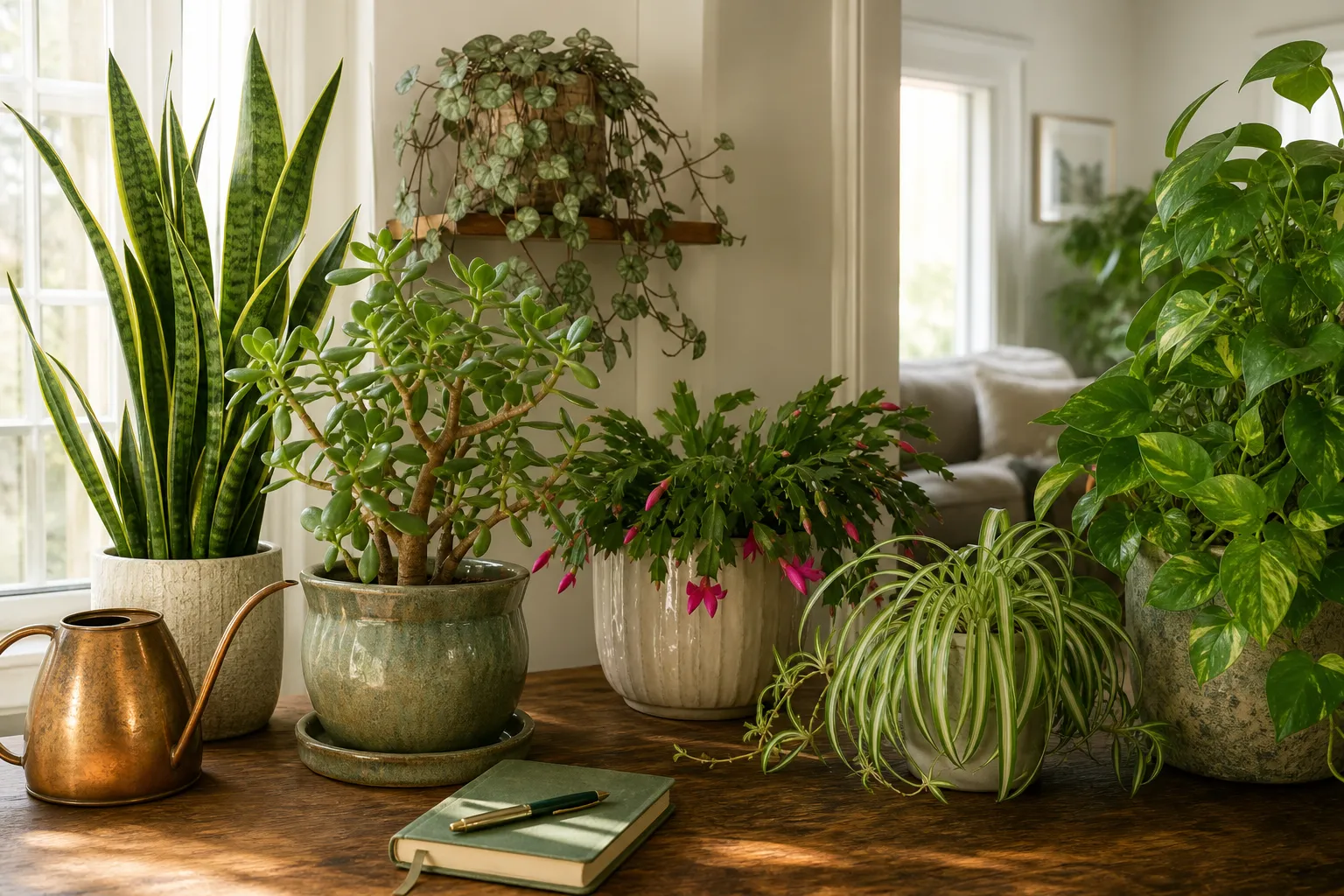
A houseplant can be more than a seasonal decoration. With the right light, watering routine, potting mix, and occasional renewal, some indoor plants can live for decades – and a few remarkable specimens have survived for centuries.
The real answer to “How long can a houseplant live?” depends on the plant’s natural life cycle and what you mean by the same plant. A mature jade plant may remain in one container for many years. A spider plant may produce offsets that become new plants. A pothos can be trimmed, rooted, and replanted so often that its family line continues long after the original stems are gone.
In other words, your living-room plant may not have a fixed expiration date. Many houseplants are limited less by age than by poor indoor conditions, root problems, pests, extreme temperature swings, or simple neglect.
The short answer: years are common, decades are possible
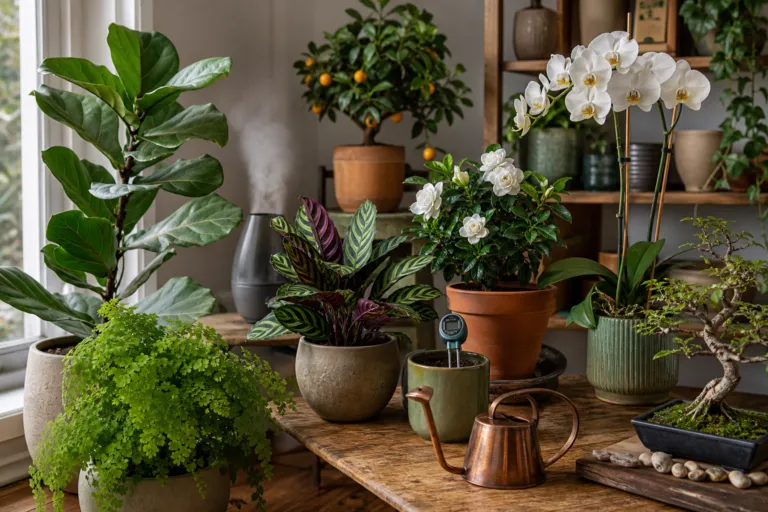
Most popular houseplants can live for several years when they receive suitable care. Tough, slow-growing species such as snake plants, ZZ plants, jade plants, cacti, and some dracaenas can remain attractive for 10, 20, or even 30 years in a home. Long-lived vines, orchids, and holiday cacti may also become family heirlooms.
There is no reliable universal lifespan chart because indoor conditions vary so widely. A plant in a bright apartment with careful watering may outlive one of the same species kept in a dim room with constantly wet soil. Cultivar differences matter, too: a compact variety, a variegated form, and a vigorous green form may not grow at the same rate or tolerate the same conditions.
The most extraordinary examples are found in botanical collections. Kew Gardens in London houses an Eastern Cape giant cycad that arrived in 1775 and is recognized by Kew as the world’s oldest pot plant. That does not mean every cycad will live for 250 years in a living room, but it shows what is biologically possible for a slow-growing plant under expert care.
What determines a plant’s lifespan?
Think of longevity as a partnership between the plant’s biology and your growing conditions. A plant with a naturally long life can still decline quickly if its roots remain waterlogged or it spends years in inadequate light.
1. The plant’s natural life cycle
Some plants are naturally long-lived perennials. Many woody plants, succulents, vines, and rhizomatous plants can keep growing year after year. Others are short-lived or monocarpic, meaning they flower once and then gradually die after completing their life cycle. Agaves are a familiar example: a mature plant may live for many years before producing a towering flower stalk, after which the main rosette usually declines.
Annual flowers sold as temporary houseplants, such as some seasonal gift plants, may naturally have a shorter indoor life. With specialized care, you may be able to keep them going, but they are not designed for indefinite growth in a pot.
2. Light
Light supplies the energy a plant needs to replace leaves, build roots, and recover from pruning. A plant can survive in a dim corner for a while, but low light often produces weak, stretched growth and slower recovery from stress.
Choose a location according to the plant rather than the furniture. A sunny window can suit a jade plant or cactus, while a shade-tolerant snake plant may prefer bright, indirect light. In the United States, winter daylight can be especially limiting in northern homes, while intense summer sun through south- or west-facing glass can scorch foliage.
3. Watering and drainage
Overwatering is one of the most common reasons houseplants die young. The problem is usually not the amount of water used on one occasion but the lack of oxygen around the roots when wet soil stays saturated for too long.
Before watering, check the soil with your finger and lift the pot if you can. A pot that feels noticeably lighter often indicates that the mix has dried. For many foliage plants, watering when the top inch of soil feels dry is a useful starting point, but succulents and cacti generally need the mix to dry more deeply between waterings.
Try a simple two-week watering check:
- Record the date and approximate amount of water you give the plant.
- Note how many days it takes for the upper soil to dry.
- Check whether the pot feels light before watering again.
- Adjust for season, light, pot size, and temperature rather than following a rigid calendar.
This small experiment will not produce a universal number – your home is different from everyone else’s – but it can reveal whether you are watering too frequently or waiting too long.
4. Roots, potting mix, and repotting
Healthy roots support a long-lived plant. Over time, potting mix breaks down, roots circle the container, and drainage may become slower. Repotting is not automatically required every spring, however. Some plants prefer a slightly snug container, and moving a slow-growing specimen into a much larger pot can leave excess soil wet for too long.
Consider repotting when:
- Roots are emerging from drainage holes or tightly circling the root ball.
- Water runs straight through the pot without moistening the mix.
- The plant dries out unusually fast despite stable conditions.
- The potting mix has collapsed, smells sour, or remains wet for many days.
- The plant has become top-heavy or unstable.
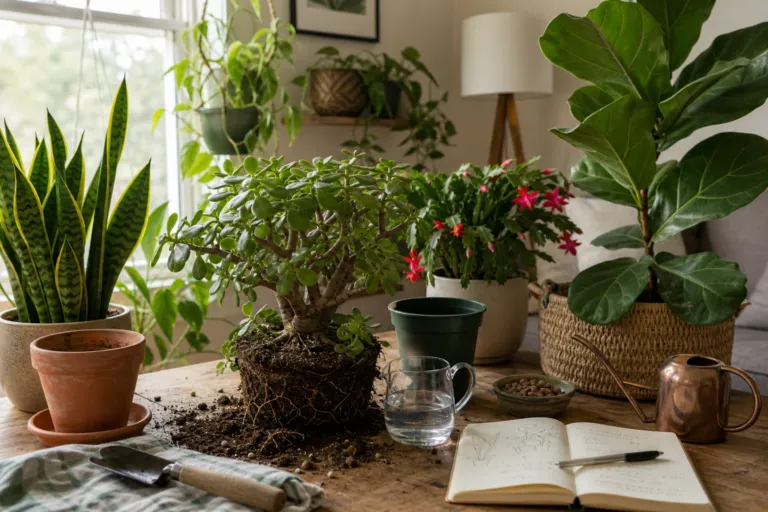
When repotting, choose a container only modestly larger than the current one and make sure it has a drainage hole. Use a mix appropriate for the plant: a free-draining blend for cacti and succulents, and a moisture-retentive but airy houseplant mix for many tropical foliage plants.
The longest-lived indoor plants
Snake plant
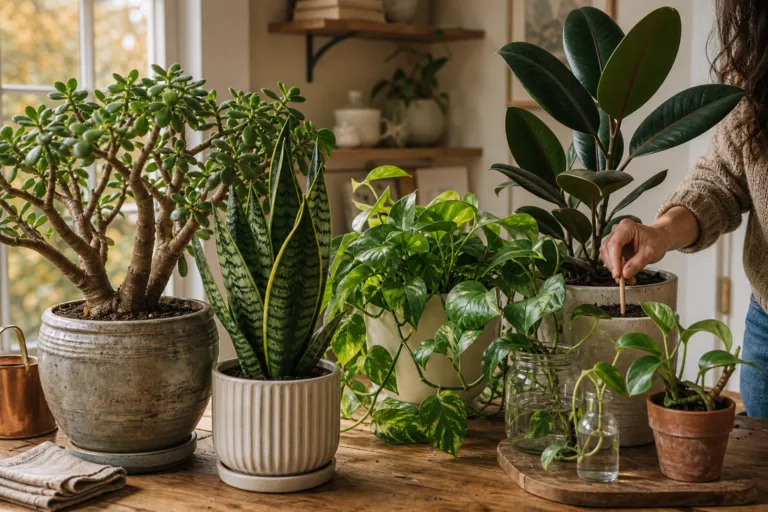
Snake plant, also called mother-in-law’s tongue, is one of the best candidates for a long indoor life. Its thick leaves and underground rhizomes help it tolerate periods of dryness, and it can handle a range of light conditions, although brighter indirect light usually supports stronger growth.
For longevity, avoid treating it like a thirsty tropical plant. Let the potting mix dry well between waterings, especially in winter or in a dim room. Several named forms are available, including tall, compact, and banded varieties. Their growth rates and mature shapes differ, but the basic care is similar.
Jade plant
Jade plants can become small, woody trees over time. Their thick leaves store water, and older specimens often develop sculptural trunks and branches. With bright light and careful watering, a jade plant can remain in a collection for decades.
Place it near a bright window and rotate the pot occasionally so growth stays balanced. Water thoroughly, then allow the mix to dry before watering again. If the plant becomes tall and floppy, lack of light is often a more likely cause than a need for more fertilizer.
Cacti and other succulents
Many cacti are naturally slow-growing and long-lived. A cactus may appear unchanged for months, yet continue building internal structure and roots. Small indoor specimens can live for many years, while certain species may survive for several decades under suitable conditions.
Use the brightest practical location, provide a gritty, fast-draining mix, and resist frequent watering. Cacti still need water during active growth, but the soil should dry thoroughly between drinks. A sunny windowsill can become surprisingly hot, so watch for scorch when moving a plant from low light into stronger sun.
Christmas cactus and Thanksgiving cactus
Holiday cacti are among the most treasured pass-along houseplants. Healthy plants can live for decades, and cuttings root readily, allowing one family plant to become many.
These forest cacti are different from desert cacti. They appreciate bright, indirect light and a potting mix that drains well but does not dry out instantly. Water when the upper part of the mix has dried, and avoid repeatedly moving the plant once flower buds have formed.
Hoya
Hoyas are slow-growing or moderate-growing vines with thick leaves and, in many types, fragrant flowers. A happy hoya can remain attractive for many years, particularly when it receives bright indirect light and is not kept constantly wet.
Do not cut off old flower spurs after blooming. New flowers may develop from the same structures. Because different hoya species have different leaf thicknesses and growth habits, compare the needs of your particular variety rather than assuming every hoya wants identical treatment.
Spider plant
Spider plants are not always the oldest individual houseplants, but they are excellent at preserving a family line. Mature plants produce offsets, often called spiderettes, that can be rooted and shared.
Keep the soil lightly and evenly moist while the plant is actively growing, but do not leave the pot standing in water. If leaf tips turn brown, review watering consistency, fertilizer buildup, water quality, and humidity before assuming the plant is dying. A declining mother plant can often be renewed by rooting healthy offsets.
Pothos and heartleaf philodendron
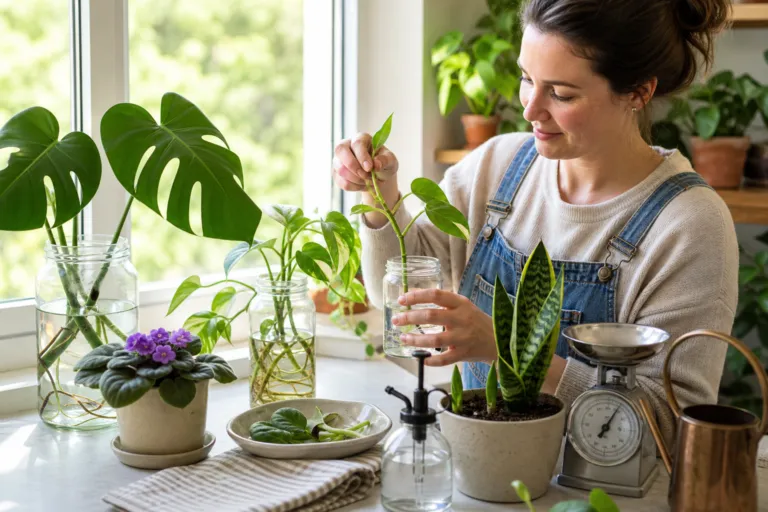
These familiar vines can grow for many years indoors when given adequate light and occasional pruning. They are especially useful examples of the difference between an individual plant and a clone. A long vine can be cut into sections, rooted, and replanted, creating a younger-looking plant from older material.
Green-leaved forms generally tolerate lower light better than highly variegated types. If new leaves become smaller and stems stretch between leaves, move the plant closer to a bright window or supplement natural light with a suitable grow light.
Dracaena and ficus
Dracaenas and ficus trees can become long-term indoor residents, but they need more consistent conditions than the toughest succulents. Give them stable temperatures, bright filtered light, and careful watering. Sudden changes – such as moving a plant from a dim office into direct summer sun – can cause leaf drop or scorching.
Prune gradually when necessary, and avoid keeping the soil constantly wet. Large specimens may eventually outgrow an ordinary room, but that is a space-management issue rather than a sign of old age.
How to keep a houseplant alive for decades
- Match the plant to the room. Choose a plant that suits your available light instead of trying to force a shade plant into a dark corner or a sun lover into a dim hallway.
- Water the soil, not the calendar. Check moisture before watering and empty decorative cachepots or saucers after excess water drains.
- Use a pot with drainage. Decorative containers without drainage can work as outer covers, but the plant should remain in a nursery pot or inner container with a drainage hole.
- Rotate and inspect. Turn pots occasionally for balanced growth, and check leaves, stems, and soil for pests or unusual changes.
- Feed modestly. Use a houseplant fertilizer according to its label during active growth. More fertilizer does not compensate for poor light or damaged roots.
- Renew before crisis. Take cuttings, root offsets, or divide crowded plants while they are healthy – not only when the original plant is failing.
- Keep a simple record. Note repotting dates, watering patterns, and seasonal changes. A small notebook can reveal what your plant actually needs.
When an old plant looks tired
Age is not always the problem. A mature plant may need pruning, fresh growing medium, stronger light, or a smaller watering adjustment. Remove dead leaves, inspect the roots during repotting, and take healthy cuttings if the main plant has become bare or woody.
Some changes are normal. Older leaves eventually yellow and drop, stems may become more woody, and growth often slows during winter. The goal is not to keep a plant looking exactly as it did when you bought it, but to help it continue growing in a healthy form.
The real secret to a long-lived houseplant
The oldest houseplants are rarely the result of one perfect technique. They survive because their owners notice small changes and respond before a minor problem becomes a root, pest, or light crisis.
Start with one dependable plant, learn how quickly its soil dries in your home, and adjust care through the seasons. Whether your plant lasts five years, 25 years, or becomes a treasured cutting passed through your family, thoughtful care gives it the best possible chance to keep growing.