
 Source:
 Cactus (Parodia haselbergii) short overview
Parodia haselbergii is a small, rounded cactus native to southern Brazil, valued for its compact green body and dense covering of silvery spines. In spring, mature plants can produce vivid scarlet to orange-red flowers around the crown, sometimes blooming over an extended period. It performs best in a bright, airy position with a fast-draining mineral mix, careful summer watering, and a cool, mostly dry winter rest.
Taxonomic classification
Cactus (Parodia haselbergii) care guide
Light and placement
Provide several hours of bright direct sun, ideally from a south- or southeast-facing window, while introducing indoor plants gradually to strong summer sun. Bright filtered light is safer during extreme heat or behind greenhouse glass. Pale color, stretching, and sparse spines indicate too little light; bleached patches or scorched areas indicate excessive sudden exposure or heat.
Watering and humidity
During active spring and summer growth, water thoroughly until excess drains, then wait until the substrate is completely dry before watering again. Reduce frequency in autumn and keep the plant nearly dry during a cool winter rest, watering only if prolonged shriveling occurs and temperatures are safely above cold-wet conditions. Never leave the pot standing in water.
Soil and growing medium
Use a porous cactus substrate dominated by pumice, grit, coarse sand, or perlite, with a modest humus component. The mix must drain rapidly and never remain waterlogged. A slightly acidic to neutral reaction is suitable; avoid heavy clay and moisture-retentive potting soil. Unglazed pots and a drainage hole help the root zone dry evenly.
Feeding
Feed only during active spring and summer growth, using a cactus fertilizer diluted to about one-quarter to one-half of the label rate. Choose a low-nitrogen formula and apply to already-moist soil. Stop feeding in autumn and winter, and do not fertilize a stressed, recently repotted, or dormant plant.
Growth and habit
This is a compact, generally solitary cactus that maintains a rounded to somewhat flattened profile. It grows slowly and benefits from patience rather than frequent pot changes or heavy feeding. Strong light preserves a compact shape; inadequate light can produce elongated, weaker growth that does not readily return to its original form.
Planting and repotting
In the United States, grow outdoors only where winter temperatures remain reliably mild, or use a container that can be moved under cover. Set the root ball at its original depth and keep the stem above the substrate. Leave room for air circulation rather than crowding specimens.
Repot in spring or early summer when active growth begins, handling the spiny plant with folded paper or thick gloves. Move it only one pot size larger, refresh compacted substrate, and wait several days before watering so disturbed roots can callus and dry.
Propagation and pruning
Propagation
Propagation is primarily by seed. Sow fresh seed in a sterile, porous mineral mix with warmth, bright filtered light, and consistent but non-sodden moisture. Seedlings need gradual ventilation and protection from harsh direct sun; growth is slower than for many offset-forming cacti.
Pruning
No routine pruning is needed. Remove only dead, damaged, or rotting tissue with a sterile tool. Avoid cutting healthy green tissue merely to reshape the plant; wounds on cacti should remain dry and well ventilated while they seal.
Overwintering
Keep in the brightest available position at about 41–55°F during winter, with dry, well-ventilated conditions. Protect from frost and prolonged cold rain. In colder parts of the United States, move containers indoors or into a frost-free greenhouse before nighttime temperatures approach the low 40s°F.
Uses
Used mainly as a collectible ornamental cactus for containers, windowsills, greenhouses, rock displays, and frost-free patios. Its compact form and colorful crown flowers make it suitable for small-space collections. It has no established culinary or medicinal use in the reviewed evidence.
Appearance
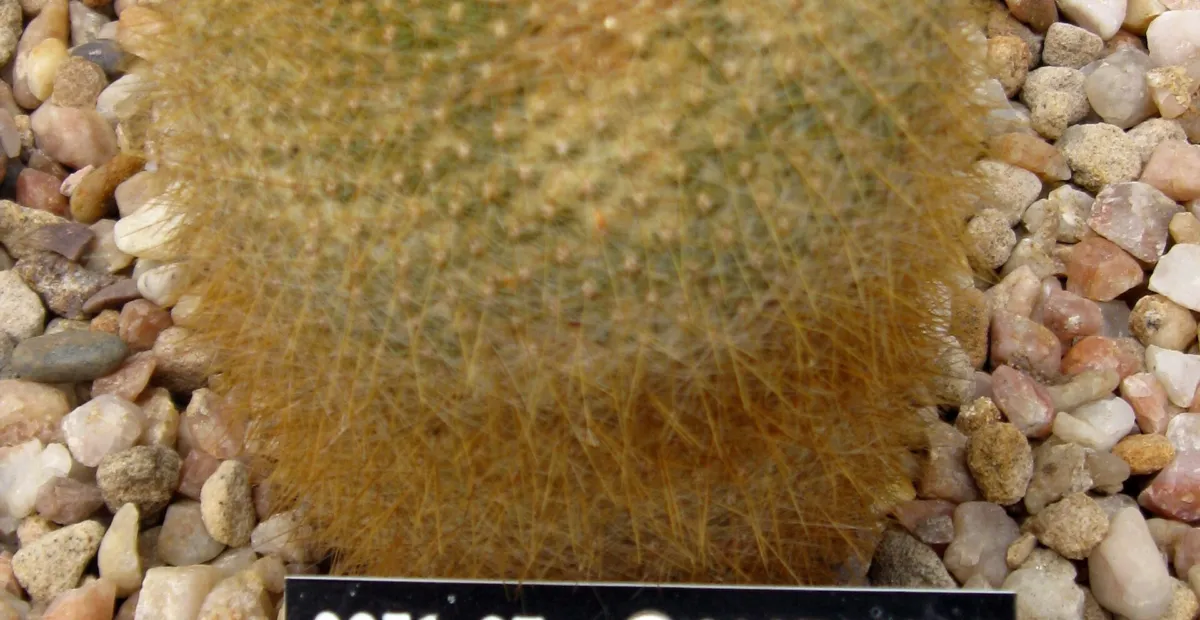
The plant has a rounded to flattened-spherical green stem with ribs or tuberculate structure and many areoles densely clothed in fine pale spines. The spines create a silvery web-like surface that can obscure much of the body. Flowers emerge from the crown, making the blooming plant particularly easy to distinguish from non-flowering globular cacti.
Flowering
Flowers arise in a cluster near the crown and are typically scarlet, orange-red, or related warm shades. The funnel-shaped blooms are conspicuous against the pale spines and may remain attractive for several days to weeks. Spring flowering is the normal pattern in cultivation, especially after a cool, dry winter rest.
Pollination and visitors
Species-specific pollinator records were not located in reliable sources, so no animal visitor group is assigned. The open, showy flowers may be visited by insects in cultivation, but that possibility should not be treated as documented attraction.
Parodia haselbergii photos
Click any photo for a larger view. Source, author and license are shown separately.
Diseases and pests
Diseases
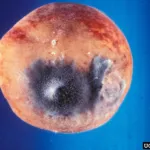
Prevent stem and root rot with a porous mix, drainage holes, strong airflow, and a dry winter rest. Soft, darkening tissue usually indicates excess moisture or cold wet conditions; remove affected material promptly and allow the plant to dry. Fungal spotting is reduced by keeping the body dry during watering.
Pests
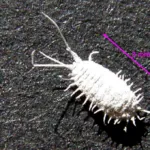
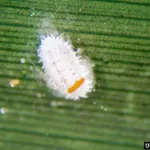
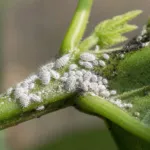
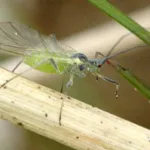
Watch for mealybugs, scale, and spider mites, especially in dry indoor collections. Inspect areoles and the root collar regularly. Remove small infestations with a careful swab or use a labeled cactus-safe treatment according to its instructions; avoid leaving the plant persistently damp.
Related diseases and pests
Only Plant Doctor profiles whose host data indicate this plant may be affected are shown here.

Toxicity and pollen
No authoritative species-specific evidence establishing significant human or pet poisoning was located. The principal practical hazard is mechanical injury from the spines, while ingestion of any cactus material may cause irritation or gastrointestinal upset. Keep away from children and pets and handle with care.
- Pollination / pollen
- Pollen from insect-associated flowers; airborne relevance undocumented
Species-specific airborne-pollen and allergy data were not located. As a flowering cactus, it produces pollen, but its release, quantity, and clinical allergy relevance for people in the United States remain undocumented here. Avoid presenting it as either allergen-free or a known major pollen source.
Native habitat
Parodia haselbergii is native to Rio Grande do Sul in southern Brazil and is associated with subtropical environments. Available horticultural accounts describe habitats involving rocky or gritty, rapidly draining ground rather than persistently wet soil. Its ecology suggests adaptation to seasonal moisture followed by a cooler, drier rest.
Interesting fact
The species was historically placed in genera including Brasilicactus and Notocactus. Its pale spines can nearly conceal the green stem. A cool, dry winter rest is commonly used to encourage spring flowering. The accepted native range is in southern Brazil.
Frequently asked questions (FAQ)
The most relevant questions about this plant, with short and direct answers.
🌱Quick care
What is Parodia haselbergii?⌄
Parodia haselbergii is a small, rounded cactus in the Cactaceae family and Parodia genus. It is known for its pale, often silvery spines and showy flowers, and is native to southern Brazil.
How much light does Parodia haselbergii need?⌄
Give Parodia haselbergii bright direct light to bright filtered light. Strong indoor light near a sunny window is suitable, while plants moved outdoors should be acclimated gradually to prevent sun damage.
How often should I water Parodia haselbergii?⌄
Water Parodia haselbergii thoroughly, then let the potting mix dry completely before watering again. Water less often in cool, dark winter conditions, because persistently wet soil can cause root rot.
What soil is best for Parodia haselbergii?⌄
Use a porous, sharply drained cactus mix for Parodia haselbergii. Add mineral material such as pumice or perlite if the mix stays wet for more than a few days after watering.
Is Parodia haselbergii easy to grow indoors?⌄
Parodia haselbergii can grow well indoors when it receives strong light and is planted in a fast-draining mix. The main indoor risk is overwatering, especially when light and temperatures are low.
🌤️Environment and placement
Where should I place Parodia haselbergii indoors?⌄
Place Parodia haselbergii near a bright south-, east-, or west-facing window, or use a suitable grow light. Keep it away from cold drafts, heating vents, and locations where water can collect around the pot.
Can Parodia haselbergii grow outside in the United States?⌄
Parodia haselbergii can grow outside in warm, dry locations with bright light and excellent drainage. In most of the United States, it should be grown in a container or moved indoors before cold, wet weather.
What temperature is too cold for Parodia haselbergii?⌄
Protect Parodia haselbergii when temperatures approach 41°F or lower. Avoid exposing it to frost, freezing conditions, or cold rain, because cold and wet roots can quickly lead to damage or rot.
Does Parodia haselbergii need high humidity?⌄
Parodia haselbergii does not require high humidity and generally benefits from good air circulation. Avoid stagnant, damp conditions, particularly when the plant is cool or the soil is not drying promptly.
What USDA zone is suitable for Parodia haselbergii?⌄
Parodia haselbergii is best treated as a frost-sensitive container cactus in the United States rather than as a reliably hardy landscape plant. Local protection is essential wherever temperatures may fall below 41°F.
💧Care and problems
Why is my Parodia haselbergii turning soft?⌄
A soft Parodia haselbergii most often indicates excess moisture, root damage, or rot. Stop watering, inspect the roots and lower stem, and improve drainage; a severely rotted plant may not recover.
Why is Parodia haselbergii turning yellow or pale?⌄
Yellowing or pale growth in Parodia haselbergii can result from low light, watering stress, or root problems. Check that the plant receives strong light and that the soil dries fully between thorough waterings.
Why is my Parodia haselbergii stretching?⌄
Stretching, leaning, or unusually narrow new growth usually means Parodia haselbergii is not receiving enough light. Move it gradually to a brighter location, because an already elongated stem will not return to its original shape.
Should I fertilize Parodia haselbergii?⌄
Fertilizing Parodia haselbergii is optional but can support active growth when used sparingly with a diluted cactus fertilizer. Apply only when the plant is actively growing and never fertilize dry, stressed, or dormant plants.
How do I prevent root rot in Parodia haselbergii?⌄
Prevent root rot by using a pot with drainage holes, a porous cactus mix, and a dry period between complete waterings. Do not leave the container standing in water or keep the mix consistently damp.
What pests affect Parodia haselbergii?⌄
Common cactus pests such as mealybugs, scale, and spider mites can affect Parodia haselbergii. Inspect the areoles and roots regularly, isolate affected plants, and use a treatment labeled for the pest and cactus.
Can I water Parodia haselbergii from the top?⌄
Yes, Parodia haselbergii can be watered from the top if water is applied to the soil and allowed to drain freely. Avoid repeated moisture trapped in the crown or around the plant when conditions are cool.
🪴Planting and repotting
What type of pot is best for Parodia haselbergii?⌄
Choose a pot with a drainage hole that is only slightly larger than the root system of Parodia haselbergii. Unglazed terracotta can help the mix dry faster, but any well-drained container is suitable.
When should I repot Parodia haselbergii?⌄
Repot Parodia haselbergii during active growth or when the roots have filled the container, the mix has broken down, or drainage has worsened. After repotting, allow damaged roots to dry before resuming normal watering.
How deep should Parodia haselbergii be planted?⌄
Plant Parodia haselbergii at the same depth as it was previously growing, keeping the stem above the soil line. Burying the base too deeply increases the chance of moisture-related rot.
✂️Propagation and pruning
How is Parodia haselbergii propagated?⌄
Parodia haselbergii is primarily propagated from seed. Sow fresh seed in a sterile, well-draining medium and provide warmth, light, and controlled moisture; seedlings need more protection from drying and intense sun than mature plants.
Can Parodia haselbergii be propagated from cuttings?⌄
Propagation from cuttings is not usually the preferred method for Parodia haselbergii because it is a rounded cactus and may not root readily from a simple stem cutting. Seed propagation is generally more dependable.
Does Parodia haselbergii produce pups?⌄
Parodia haselbergii is commonly described as solitary, so it may not produce offsets reliably. If a side growth appears, wait until it is clearly rooted or large enough to handle before attempting separation.
⚠️Toxicity and safety
Is Parodia haselbergii toxic to cats or dogs?⌄
There is no established species-specific toxicity reported for Parodia haselbergii. However, its spines can injure pets, children, and skin, so place the plant where it cannot be brushed against or chewed.
Are the spines of Parodia haselbergii dangerous?⌄
The spines of Parodia haselbergii are a physical hazard and may cause painful punctures or embedded fragments. Handle the plant with thick gloves or tools, and keep it away from high-traffic areas.
🌸Flowering and special interest
Does Parodia haselbergii flower?⌄
Yes, Parodia haselbergii can produce conspicuous flowers, commonly described as orange to reddish-orange. Mature plants with strong light, suitable watering, and a cooler, drier rest period are more likely to bloom.
When does Parodia haselbergii bloom?⌄
Parodia haselbergii generally flowers during the brighter growing season, although indoor timing varies with light and temperature. Flowering may be delayed when the plant is young, kept too dark, or watered continuously through winter.
Why is my Parodia haselbergii not flowering?⌄
Insufficient light, immature size, excessive winter moisture, or the absence of a cool dry rest can limit flowering in Parodia haselbergii. Improve light and seasonal conditions gradually rather than increasing water or fertilizer.
How can I encourage Parodia haselbergii to bloom?⌄
Encourage blooming by providing strong light, good drainage, active-season watering only after the mix dries, and a cooler, drier winter rest. Avoid heavy nitrogen feeding, which can promote soft vegetative growth instead of flowers.
Similar plants
 Azure Monkshood (Aconitum carmichaelii) care guideAconitum carmichaelii
 Monkshood (Aconitum ‘Stainless Steel’)Aconitum 'Stainless Steel'
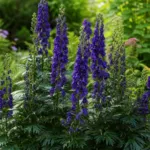 Monkshood (Aconitum ‘Bressingham Spire’)Aconitum 'Bressingham Spire'
 Golden full moon maple (Acer shirasawanum ‘Aureum’)Acer shirasawanum 'Aureum'
 Globosum (Acer platanoides ‘Globosum’)Acer platanoides 'Globosum'
 Striped maple (Acer pensylvanicum) care guideAcer pensylvanicum