
 AI-generated illustration
Silver Ripple (Peperomia caperata ‘Silver Ripple’) short overview
Peperomia caperata 'Silver Ripple' is a compact, tropical houseplant grown primarily for its metallic, deeply corrugated leaves rather than its understated flowers. Keep it in bright filtered light, use a loose mix that drains quickly, and let the upper layer dry before watering again. It prefers warm indoor conditions, tolerates average household humidity, and is listed as non-toxic to dogs and cats.
Taxonomic classification
Silver Ripple (Peperomia caperata ‘Silver Ripple’) care guide
Light and placement
Provide bright filtered light for the best silver coloration and compact growth. An east- or north-facing window is suitable; near a south or west window, use a sheer curtain or place the plant several feet back. Harsh direct sun can bleach or scorch leaves, while deep shade may produce slower, looser growth and duller coloration.
Watering and humidity
Water thoroughly until excess drains, then empty the saucer. Wait until the upper 1–2 inches of mix feel dry before watering again; do not keep the crown constantly wet. In winter or in dim rooms, extend the interval because growth and water use slow. Average household humidity is generally sufficient, and misting is unnecessary.
Soil and growing medium
Use a loose, airy houseplant substrate with substantial drainage, such as potting mix amended with perlite and fine orchid bark. A slightly acidic to neutral reaction is suitable. Avoid dense, water-retentive soil and containers without drainage holes, because the fleshy stems and shallow roots are prone to rot when oxygen is limited.
Feeding
Feed lightly during spring and summer when the plant is actively producing new growth. Use a balanced liquid houseplant fertilizer diluted to about half the label strength every 4–6 weeks. Do not fertilize dry, stressed, freshly repotted, or slow-growing winter plants; flush the mix occasionally if salts accumulate.
Growth and habit
This cultivar forms a compact, clumping mound from short stems and a central crown. Growth is usually slow to moderate indoors. Rotate the pot periodically for even development, remove damaged leaves promptly, and avoid burying the crown as the plant settles or is divided.
Planting and repotting
Plant at the same depth as the original root ball, keeping the crown and basal stems above the mix. Space individual plants about 6–10 inches apart if grown together, allowing air movement around the foliage. Establish new divisions or cuttings in warm indoor conditions rather than outdoors.
Repot only when roots substantially fill the container or the mix breaks down, usually every few years. Move up just one pot size in spring or early summer, disturb the compact root ball as little as practical, and water lightly until fresh roots re-establish.
Propagation and pruning
Propagation
Propagate by leaf or stem cuttings and by division of established clumps. Take cuttings during active growth, allow wounded succulent tissue to dry briefly, then root in a lightly moist, airy medium. Keep warm and humid but never saturated. Division is practical when separate rooted crowns are visible.
Pruning
Pruning is usually limited to removing yellow, damaged, or diseased leaves at their base with clean scissors. Flower spikes may be removed after emergence if the plant is being grown strictly for foliage. Avoid cutting heavily into the crown or leaving wet wounds.
Overwintering
Keep indoors year-round in the United States outside tropical climates. Protect from temperatures below about 55°F, cold windows, drafts, and heating vents. Reduce watering during darker winter conditions and provide the brightest filtered light available.
Uses
Used as a compact ornamental foliage plant for homes, offices, terrariums with ventilation, shelves, and small containers. Its textured silver foliage provides contrast in mixed indoor plant displays. It is not documented here as an edible or medicinal plant.
Appearance
Leaves are compact, heart-shaped to broadly ovate, and strongly quilted or corrugated, with a metallic silver-green surface and darker impressed veins. Short petioles rise from a dense basal crown. The upright, narrow flower spikes contrast with the broad textured leaves and are usually less ornamental than the foliage.
Flowering
Mature plants produce slender, upright, pale green to whitish flower spikes composed of minute flowers. The spikes are structurally distinctive but not showy, and flowering is secondary to the cultivar’s foliage display. Indoor bloom timing varies with light, temperature, maturity, and cultural conditions.
Pollination and visitors
The species produces tiny flowers on narrow spikes, but reliable cultivar-specific records of animal visitors are scarce. Occasional small insects may visit indoor or greenhouse inflorescences, so attraction is rated low rather than assumed to be absent.
Diseases and pests
Diseases
The main risk is root or stem rot caused by persistently wet mix, poor drainage, or watering into a cool, stagnant crown. Remove affected tissue, replace saturated substrate, and improve drainage. Leaf-spot symptoms are more likely when foliage stays wet and air circulation is poor; water the substrate rather than the leaves.
Pests
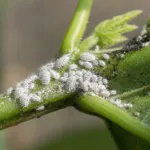
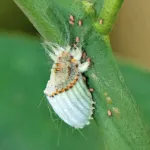
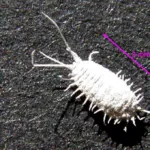
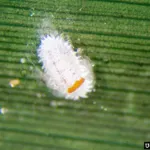
Check the leaf bases and textured foliage for mealybugs, scale, spider mites, and fungus gnats. Isolate infested plants, remove visible insects with a cotton swab or water rinse, and use an appropriately labeled treatment when needed. Prevent recurring fungus gnats by allowing the upper mix to dry and avoiding standing water.
Related diseases and pests
Only Plant Doctor profiles whose host data indicate this plant may be affected are shown here.

Toxicity and pollen
ASPCA lists Peperomia caperata as non-toxic to dogs and cats. This supports a low poisoning concern for the named cultivar, although chewing any ornamental plant may still cause minor gastrointestinal upset, and potting products or pesticides present separate hazards. Seek veterinary advice if a pet develops persistent symptoms.
- Pollination / pollen
- Low-dispersal pollen from tiny insect-associated flowers
This is a small-flowered, insect-associated houseplant with no strong evidence that the cultivar produces a significant airborne pollen burden in ordinary indoor conditions. Do not treat the low rating as proof that individual pollen sensitivity is impossible; remove flowering spikes if they coincide with symptoms and consult a clinician for persistent reactions.
Native habitat
Peperomia caperata is native to humid tropical Brazil, where related forms occur in shaded, moisture-buffered forest environments among organic debris and porous substrates. The plant’s fleshy foliage reflects adaptation to intermittent drying, while its roots still require oxygen and rapid drainage.
Interesting fact
The cultivar is selected for silvery, corrugated foliage rather than colorful flowers. Peperomia flowers are minute and arranged on narrow spike-like inflorescences. Its fleshy leaves and stems store some water, so it generally tolerates brief drying better than saturated soil.
Frequently asked questions (FAQ)
The most relevant questions about this plant, with short and direct answers.
🌱Quick care
How do you care for Peperomia caperata 'Silver Ripple'?⌄
Give Peperomia caperata 'Silver Ripple' bright filtered light, an airy well-drained mix, and water when the upper layer begins to dry. Keep it warm and protect it from frost and cold drafts.
Is Peperomia caperata 'Silver Ripple' easy to grow?⌄
Yes, Peperomia caperata 'Silver Ripple' is generally an easy-care indoor plant. Its main requirement is avoiding consistently wet soil, which can cause root problems.
How often should I water Peperomia caperata 'Silver Ripple'?⌄
Water when the upper inch of potting mix feels slightly dry rather than following a fixed schedule. Water thoroughly, then let excess drain completely before returning the plant to its place.
🌤️Environment and placement
How much light does Peperomia caperata 'Silver Ripple' need?⌄
Peperomia caperata 'Silver Ripple' grows best in bright filtered light to partial shade. Protect its leaves from prolonged, intense direct sun, which can cause fading or scorch.
Can Peperomia caperata 'Silver Ripple' grow in low light?⌄
It can tolerate lower light for a while, but growth may become slower and less compact. Move it closer to a bright window with filtered light if the foliage becomes sparse.
Where should I place Peperomia caperata 'Silver Ripple' indoors?⌄
Place it near an east- or north-facing window, or several feet from a brighter window with a sheer curtain. Keep it away from heating vents, air-conditioning drafts, and cold glass.
What temperature is best for Peperomia caperata 'Silver Ripple'?⌄
Normal warm indoor temperatures are suitable, ideally about 65–80°F. Protect the plant from frost, sudden chills, and unheated spaces because it is not cold hardy.
Does Peperomia caperata 'Silver Ripple' need high humidity?⌄
No, it usually adapts to average household humidity. Moderate humidity can support attractive foliage, but improving humidity will not compensate for overwatering or poor drainage.
💧Care and problems
Why are the leaves of my Peperomia caperata 'Silver Ripple' turning yellow?⌄
Yellow leaves most often indicate soil staying too wet, especially when several leaves yellow at once. Check drainage and allow the upper mix to dry slightly before watering again.
Why is my Peperomia caperata 'Silver Ripple' losing leaves?⌄
Leaf loss can result from overwatering, cold drafts, sudden environmental changes, or severely dry soil. Check the roots and potting mix first, then stabilize light, temperature, and watering.
Why are the leaves of Peperomia caperata 'Silver Ripple' curling?⌄
Curling leaves commonly indicate dehydration, excessive heat, intense direct sun, or root stress from wet soil. Check the mix and roots rather than watering automatically.
Why does Peperomia caperata 'Silver Ripple' have brown leaf edges?⌄
Brown edges can develop from dry soil, very dry air, fertilizer buildup, or direct sun. Remove badly damaged tissue and correct the underlying growing condition.
How do I prevent root rot in Peperomia caperata 'Silver Ripple'?⌄
Prevent root rot by using a loose, airy mix, a pot with drainage holes, and moderate watering. Never leave the container standing in runoff or keep the mix constantly soggy.
Does Peperomia caperata 'Silver Ripple' need fertilizer?⌄
It can benefit from a diluted, balanced houseplant fertilizer during active growth. Feed modestly and avoid fertilizing dry, stressed, or recently repotted plants.
What pests attack Peperomia caperata 'Silver Ripple'?⌄
Common pests include mealybugs, spider mites, and whiteflies. Inspect leaf undersides and stems regularly, isolate affected plants, and treat promptly with a method labeled for indoor plants.
🪴Planting and repotting
What soil is best for Peperomia caperata 'Silver Ripple'?⌄
Use a loose, airy, well-drained houseplant mix amended with a material such as perlite or fine orchid bark. The mix should hold some moisture without remaining wet around the roots.
What type of pot does Peperomia caperata 'Silver Ripple' need?⌄
Choose a pot with drainage holes that is only slightly larger than the root ball. An oversized container holds excess moisture and increases the risk of root rot.
When should I repot Peperomia caperata 'Silver Ripple'?⌄
Repot when roots are tightly crowded, water runs through unusually quickly, or the mix has broken down. Spring or early summer is usually the least stressful time, but urgent root problems should be addressed promptly.
Can Peperomia caperata 'Silver Ripple' be grown outdoors?⌄
It can be placed outdoors in warm, frost-free conditions with filtered light, but it is generally grown as an indoor plant in the United States. Bring it inside before temperatures become chilly.
✂️Propagation and pruning
How do you propagate Peperomia caperata 'Silver Ripple'?⌄
Peperomia caperata 'Silver Ripple' can be propagated by leaf cuttings, stem cuttings, or division of established clumps. Spring and early summer are generally the best times because active growth supports faster rooting.
Can Peperomia caperata 'Silver Ripple' grow from a leaf cutting?⌄
Yes, healthy leaf cuttings can produce new plants when the leaf base remains attached to a suitable propagation medium. Keep the medium lightly moist and provide warmth and bright filtered light.
Can I propagate Peperomia caperata 'Silver Ripple' in water?⌄
Stem cuttings can often root in water, provided at least one node is submerged and the leaves stay above the water. Transfer the cutting to a small, airy potting mix after roots form.
How do I prune Peperomia caperata 'Silver Ripple'?⌄
Prune only damaged, yellow, or unusually long growth with clean scissors. Light trimming can improve the plant’s shape, but extensive pruning is rarely necessary.
⚠️Toxicity and safety
Is Peperomia caperata 'Silver Ripple' toxic to dogs?⌄
Peperomia caperata 'Silver Ripple' is considered non-toxic to dogs. Even non-toxic plants can cause mild stomach upset if a large amount is eaten.
Is Peperomia caperata 'Silver Ripple' toxic to cats?⌄
Peperomia caperata 'Silver Ripple' is considered non-toxic to cats. Keep it out of reach if your cat regularly chews plants, since plant material may still cause minor digestive upset.
🌸Flowering and special interest
Does Peperomia caperata 'Silver Ripple' flower?⌄
Yes, mature Peperomia caperata 'Silver Ripple' can produce slender cream to greenish flower spikes. The flowers are subtle and the plant is grown mainly for its silver, rippled foliage.
When does Peperomia caperata 'Silver Ripple' bloom?⌄
Indoor flowering is most likely during the warmer growing season, often in summer or early fall. Blooming is not guaranteed and depends on maturity and suitable light and care.
Should I cut off the flowers of Peperomia caperata 'Silver Ripple'?⌄
You may leave the flower spikes in place or remove them after they fade. Cutting spent spikes at the base keeps the plant tidy, but removal is not required for plant health.
Similar plants
 Watermelon Peperomia (Peperomia argyreia) care guidePeperomia argyreia
 Switchgrass (Panicum virgatum) care guidePanicum virgatum
 Peperomia ‘Rosso’Peperomia 'Rosso'
 Kukorica (Zea mays ‘Kukorica’)Zea mays 'Kukorica'
 Blue Fescue (Festuca glauca) care guideFestuca glauca
 Rosso (Peperomia caperata ‘Rosso’)Peperomia caperata 'Rosso'