
 Source:
 Spiny Hedgehog Cactus (Echinocereus dasyacanthus) short overview
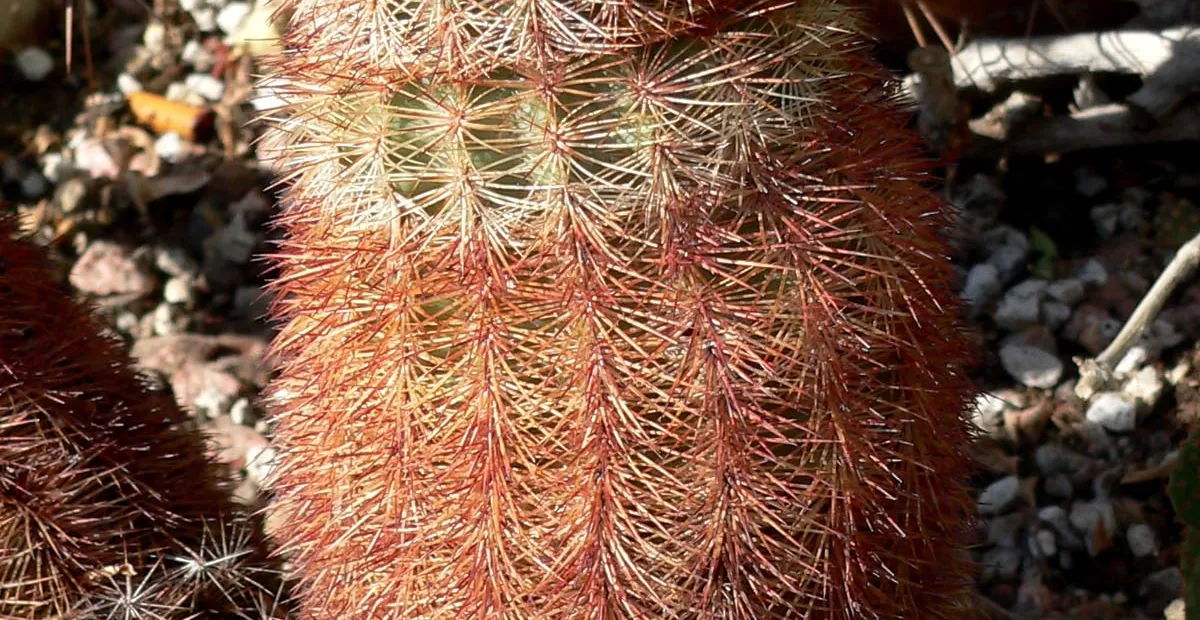
Spiny Hedgehog Cactus is a compact, highly variable cactus of the Chihuahuan Desert, native to parts of the south-central United States and northern Mexico. Its cylindrical stems are densely clothed in overlapping spines that may show pink, yellow, white, tan, or reddish tones. In spring, large funnel-shaped flowers appear along the upper sides of the stems, usually yellow but occasionally pink to magenta. Grow it in full sun, gritty soil, and a dry winter position.
Taxonomic classification
Spiny Hedgehog Cactus (Echinocereus dasyacanthus) care guide
Light and placement
Give full sun, ideally with a south- or west-facing exposure and protection from prolonged winter rain. Strong light supports compact growth, dense spine coloration, and flowering. Insufficient light causes elongated, weaker stems and poorer blooming; sudden transition from shade to intense sun can scorch the epidermis, so acclimate gradually.
Watering and humidity
Water thoroughly only after the growing medium has dried completely, allowing excess water to drain away. In hot spring and summer weather, this may mean occasional deep watering rather than frequent sips. Reduce watering in fall and keep the plant nearly dry in cold winter conditions. Humid air is tolerated better than wet roots, but stagnant, damp conditions increase rot risk.
Soil and growing medium
Use a very porous cactus mix dominated by mineral grit, coarse sand, pumice, or crushed rock. In the ground, a raised bed or naturally rocky soil is preferable to heavy clay. The species occurs on sandy and rocky, often limestone-influenced sites; neutral to slightly alkaline conditions are suitable, but drainage is more important than a narrowly controlled pH.
Feeding
Feed only while the plant is actively growing, generally from late spring through summer. Use a dilute, balanced cactus fertilizer or a low-nitrogen succulent feed according to the product label, usually once every four to six weeks. Do not fertilize newly repotted plants, drought-stressed plants, or plants kept cold and dry in winter.
Growth and habit
Usually solitary or only lightly branching at first, with some plants developing several basal stems and forming compact clumps. Growth is slow and seasonal. Keep the crown dry, avoid unnecessary disturbance, and remove offsets only when they are large enough to root independently.
Planting and repotting
Plant outdoors in spring after cold, wet weather has passed, or place containers outside once nights are reliably mild. Set the root ball at its original depth; burying the stem invites rot. Space plants about 8–18 inches apart depending on the desired clump, and establish in a raised, mineral-rich site with no standing water.
Repot in spring only when the container is crowded or the mix has broken down. Handle with thick gloves or folded cardboard, remove old wet compost from around the roots, and use a pot with a drainage hole. Let damaged roots dry briefly before replanting, then wait several days before watering.
Propagation and pruning
Propagation
Propagate mainly from seed, sown in spring in a sterile, gritty medium with warmth, bright light, and careful moisture. Short stem cuttings may root after the cut surface has callused, but this is slower and less commonly documented than seed propagation. Avoid watering until a cutting has fully callused.
Pruning
No routine pruning is needed. Remove only dead, damaged, diseased, or collapsed stems with a sterile tool. Allow cut surfaces to dry fully before any irrigation, and wear puncture-resistant gloves because the dense spines can catch skin and clothing.
Overwintering
Keep completely dry during cold spells and protect from prolonged winter rain or snow. Container plants can be moved beneath a roof, into an unheated bright enclosure, or indoors near a sunny window. Do not place a dormant plant in a warm, dim room, where weak growth and rot are more likely.
Uses
Used as an ornamental cactus in xeric gardens, rock gardens, patio containers, and protected collections. Its large flowers can contribute seasonal interest in native or desert-style plantings. Use tongs or gloves when handling, and do not present the plant as edible or medicinal without separate authoritative evidence.
Appearance
The stems are short, cylindrical to oval, and marked by about 15–19 ribs. Numerous radial spines overlap across the surface, often hiding the green stem and producing bands or blends of pink, yellow, white, tan, or reddish color. Several longer central spines project outward. Plants may remain solitary or form basal clusters.
Flowering
Large, funnel-shaped flowers arise from areoles along the upper sides of the stems rather than from the stem apex. Bloom is concentrated in spring, commonly from March through May. Flowers are usually yellow, though populations and individual plants may show pink, rose, salmon, magenta, or orange-yellow tones. Flowers are conspicuous and much wider than the stems.
Pollination and visitors
The large, open flowers are accessible to bees and other flower visitors, but a reliable species-specific pollinator record was not located. Keep insecticide use minimal while plants are in bloom.
Echinocereus dasyacanthus photos
Click any photo for a larger view. Source, author and license are shown separately.
Diseases and pests
Diseases
The principal risk is root or stem rot caused by persistently wet soil, especially in cool weather. Use a mineral, fast-draining medium, keep crowns above surrounding soil, and provide airflow. Remove soft, dark, or collapsing tissue with a sterile blade and keep the plant dry while the wound heals.
Pests
Mealybugs and scale insects may infest plants, especially under cover. Inspect areoles and the stem base regularly. Isolate affected plants, remove small infestations with a cotton swab or targeted wash, and improve airflow. Avoid repeated broad-spectrum pesticide use during flowering because it can harm visiting insects.
Related diseases and pests
Only Plant Doctor profiles whose host data indicate this plant may be affected are shown here.
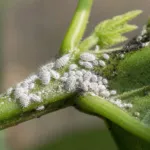 PestCotton mealybugPhenacoccus solenopsis Tinsley
 DiseasePhytophthora cactorum crown, collar, root and fruit rotPhytophthora cactorum
 DiseaseRhizopus soft rotRhizopus stolonifer
 DiseaseBacterial soft rotPectobacterium carotovorum
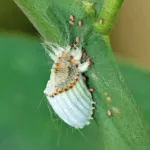 PestCottony Cushion ScaleIcerya purchasi
 DiseasePhytophthora root and crown rotPhytophthora nicotianae
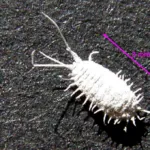 PestObscure mealybugPseudococcus viburni
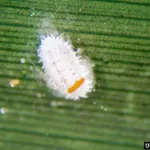 PestCitrus mealybugPlanococcus citri
Toxicity and pollen
No authoritative evidence located establishing this species as poisonous to people or pets. The main practical hazards are mechanical injury from spines and irritation if plant material or spines contact skin or eyes. Do not treat the absence of toxicity reports as proof of edibility or complete safety.
- Typical season
- March–May during flowering
- Pollination / pollen
- Flower-contained, insect-associated pollen
This is an insect-pollinated cactus, and the pollen is generally released within the flower rather than dispersed broadly by wind. However, a species-specific clinical allergy assessment was not located, so airborne allergy relevance is best treated as unknown rather than assumed to be zero.
Native habitat
Native to the south-central United States and northern Mexico, especially the Chihuahuan Desert region. It grows in arid scrub, desert grasslands, rocky slopes, valleys, and canyonsides, often in sandy, rocky, or limestone-influenced soils at roughly 2,000–5,000 feet. Hot summers, strong sun, and pronounced seasonal dryness are characteristic.
Interesting fact
The species name refers to dense or shaggy spines.
Flowers emerge from the upper sides of the stems, not the apex.
Spine colors can create a natural rainbow effect.
Some populations form loose basal clumps.
It can hybridize with Echinocereus coccineus in areas of overlap.
Frequently asked questions (FAQ)
The most relevant questions about this plant, with short and direct answers.
🌱Quick care
How do you care for Spiny Hedgehog Cactus (Echinocereus dasyacanthus)?⌄
Grow Spiny Hedgehog Cactus in full sun, gritty sharply drained soil, and water thoroughly but infrequently during active growth. Let the soil dry completely before watering again, and keep it nearly dry during winter.
How often should you water Echinocereus dasyacanthus?⌄
Water Echinocereus dasyacanthus only when its soil has dried completely, usually every few weeks during spring and summer depending on heat and pot size. Water much less in fall and keep it dry during cold winter weather.
Does Spiny Hedgehog Cactus need full sun?⌄
Yes, Spiny Hedgehog Cactus performs best in full sun with several hours of direct light daily. Increase light gradually after moving a plant outdoors to prevent sunburn.
Is Echinocereus dasyacanthus easy to grow?⌄
Echinocereus dasyacanthus is relatively easy to grow when given strong light, fast drainage, and restrained watering. The most serious risk is rot caused by wet soil, especially during cool weather.
🌤️Environment and placement
Can Echinocereus dasyacanthus grow outdoors in the United States?⌄
Yes, Echinocereus dasyacanthus can grow outdoors in suitable parts of the United States, particularly in dry Southwest-style climates and protected rock gardens. In regions with wet winters, use a rain-protected site or grow it in a movable container.
What USDA hardiness zone is Spiny Hedgehog Cactus?⌄
Spiny Hedgehog Cactus is commonly treated as a cold-hardy Echinocereus for roughly USDA Zones 6–9, but hardiness varies with plant origin, maturity, drainage, and exposure. Dry cold is much safer than freezing wet soil.
Can Echinocereus dasyacanthus survive frost?⌄
Echinocereus dasyacanthus can tolerate frost and short periods of freezing when it is fully dry. Protect it from prolonged wet freezes, saturated soil, and sudden temperature drops after watering.
Where should I plant Spiny Hedgehog Cactus outdoors?⌄
Plant Spiny Hedgehog Cactus in a sunny, elevated or sloping location with rocky or calcareous soil and excellent runoff. A south-facing site or rain-shadow position is useful in wetter parts of the United States.
Can Echinocereus dasyacanthus grow indoors?⌄
Echinocereus dasyacanthus can grow indoors beside a very bright south- or west-facing window, but it may become weak or stretched without sufficient direct light. Move it outdoors gradually during the warm growing season when possible.
💧Care and problems
Why is my Echinocereus dasyacanthus turning soft?⌄
A soft or mushy stem usually indicates rot from overwatering, poor drainage, or cold wet conditions. Remove the plant from its soil promptly, cut away all damaged tissue with a sterile blade, and allow any healthy base to dry before re-rooting.
Why is my Spiny Hedgehog Cactus shrinking or wrinkling?⌄
Mild shrinking and wrinkling can be normal during winter dormancy or prolonged drought, but severe collapse suggests dehydration or damaged roots. Check that the roots are healthy and then water thoroughly only if the soil is completely dry and temperatures are warm.
Why is Echinocereus dasyacanthus turning yellow?⌄
Yellowing can result from excessive water, poor roots, insufficient light, or natural aging of older tissue. Inspect the base for softness and correct drainage before increasing water or fertilizer.
What pests attack Spiny Hedgehog Cactus?⌄
Mealybugs and scale insects are the main pests reported on Spiny Hedgehog Cactus, with root mealybugs sometimes hidden below the soil. Isolate affected plants, remove visible insects, and avoid keeping the cactus in persistently moist conditions.
Should I fertilize Echinocereus dasyacanthus?⌄
Fertilize Echinocereus dasyacanthus sparingly during spring and summer with a diluted cactus fertilizer or low-nitrogen formula. Do not fertilize a dormant, stressed, recently repotted, or rotting plant.
Why is my Echinocereus dasyacanthus stretching?⌄
Stretching indicates insufficient light, usually from a dim indoor location or too much shade. Move the plant toward stronger direct light gradually, although already elongated growth will not return to its original shape.
🪴Planting and repotting
What soil is best for Spiny Hedgehog Cactus?⌄
Use a mineral-heavy, gritty cactus mix that drains rapidly and does not stay wet after watering. Pumice, coarse grit, lava rock, and similar mineral materials are preferable to a peat-heavy potting soil.
Can I plant Echinocereus dasyacanthus in the ground?⌄
You can plant Echinocereus dasyacanthus in the ground where the soil is naturally rocky, sharply drained, and winter-wet conditions can be controlled. In heavy clay or rainy climates, use a raised bed, berm, rock garden, or container instead.
When should I repot Spiny Hedgehog Cactus?⌄
Repot Spiny Hedgehog Cactus in spring or early summer when it is beginning active growth, or when roots have filled the container or the mix has broken down. Use a pot with a drainage hole and wait several days before watering after repotting.
What type of pot is best for Echinocereus dasyacanthus?⌄
A terracotta or other breathable pot with a drainage hole is a good choice for Echinocereus dasyacanthus. Choose a container only slightly larger than the root ball so excess soil does not remain wet for long periods.
✂️Propagation and pruning
How do you propagate Echinocereus dasyacanthus?⌄
Echinocereus dasyacanthus is propagated primarily from seed and can also be started from basal offsets when they are available. Seedlings need bright filtered light, warmth, ventilation, and careful moisture until established.
Can Spiny Hedgehog Cactus be grown from seed?⌄
Yes, Spiny Hedgehog Cactus grows from seed, which is the most dependable propagation method for maintaining genetic diversity. Sow in a clean, sharply drained medium at warm spring temperatures and protect young seedlings from intense direct sun.
Can I propagate Echinocereus dasyacanthus from offsets?⌄
Yes, if the plant produces a basal offset, it can sometimes be separated and rooted after the cut surface has fully callused. Keep the offset dry in gritty soil until roots begin forming, then water cautiously.
Does Echinocereus dasyacanthus need pruning?⌄
Echinocereus dasyacanthus normally does not need pruning. Remove only dead, damaged, or rotting material with a sterile tool, and handle the plant with thick gloves or tongs because of its dense spines.
⚠️Toxicity and safety
Is Spiny Hedgehog Cactus poisonous to people or pets?⌄
No documented toxicity is established for Spiny Hedgehog Cactus, but its sharp spines can cause painful punctures and skin irritation. Keep it away from children and pets, and use gloves and protective tools when handling it.
Are the fruits of Echinocereus dasyacanthus edible?⌄
The fruits of Echinocereus dasyacanthus are reported as edible but spiny and acidic. Do not consume fruit from an unidentified, chemically treated, or nursery-sourced plant unless its identity and growing history are certain.
How should I handle a Spiny Hedgehog Cactus safely?⌄
Handle Spiny Hedgehog Cactus with thick gloves, folded cardboard, or cactus tongs rather than bare hands. Avoid squeezing the stem because dense short spines can be difficult to see and remove.
🌸Flowering and special interest
When does Echinocereus dasyacanthus bloom?⌄
Echinocereus dasyacanthus generally blooms in spring, often from April through May in its native-range climate. Timing can shift with local temperatures, winter dormancy, light, and plant maturity.
What color are Spiny Hedgehog Cactus flowers?⌄
Spiny Hedgehog Cactus usually produces large yellow flowers, although regional forms may show orange, salmon, pink, or magenta tones. Color variation is one reason plants from different populations can look noticeably different.
Why is my Echinocereus dasyacanthus not flowering?⌄
The most common reasons are insufficient direct light, excessive winter moisture, immature size, or a warm growing season without a cool dry dormancy. Give the plant strong light, excellent drainage, and a dry winter rest.
How large are the flowers on Echinocereus dasyacanthus?⌄
The flowers of Echinocereus dasyacanthus can reach about 3–4 inches across, making them large relative to the plant’s compact cylindrical stems. Healthy mature plants may produce several flowers during the spring blooming period.
Similar plants
 Azure Monkshood (Aconitum carmichaelii) care guideAconitum carmichaelii
 Monkshood (Aconitum ‘Stainless Steel’)Aconitum 'Stainless Steel'
 Monkshood (Aconitum ‘Bressingham Spire’)Aconitum 'Bressingham Spire'
 Golden full moon maple (Acer shirasawanum ‘Aureum’)Acer shirasawanum 'Aureum'
 Globosum (Acer platanoides ‘Globosum’)Acer platanoides 'Globosum'
 Striped maple (Acer pensylvanicum) care guideAcer pensylvanicum