
 Source:
 Powderpuff Cactus (Mammillaria bocasana) short overview
Powderpuff Cactus (Mammillaria bocasana) is a compact, clumping pincushion cactus native to dry shrubland and rocky habitats in northeastern Mexico. Its rounded green stems are almost hidden beneath silky white radial hairs and finer spines, while small cream to pink flowers form a crown around the top in the growing season. In the United States, it is usually grown in containers, rock gardens, or bright indoor collections, with excellent drainage and frost protection.
Taxonomic classification
Powderpuff Cactus (Mammillaria bocasana) care guide
Light and placement
Give full sun outdoors, with light afternoon shade only in extremely hot, reflected-heat locations. Indoors, use a south-, southeast-, or west-facing window and acclimate gradually to direct sun to prevent scorch. Too little light causes stretched growth, weaker spines, and poor flowering; too much sudden sun can bleach or brown the epidermis.
Watering and humidity
Water deeply only after the mix has dried completely, allowing excess water to drain from the pot. In spring and summer, the interval may be roughly every two to four weeks depending on heat, pot size, and light. Reduce sharply in fall and keep nearly dry during cool winter rest. Humid air does not replace root-zone drying.
Soil and growing medium
Use a very porous cactus mix with abundant pumice, perlite, coarse sand, or other mineral grit. The substrate should drain almost immediately and dry thoroughly between waterings. A slightly acidic to neutral reaction is suitable; avoid dense peat-heavy mixes that remain wet around the shallow roots.
Feeding
Feed only during active growth, usually from spring through midsummer. Apply a balanced or low-nitrogen cactus fertilizer at half strength after watering, no more often than every four to six weeks. Do not fertilize a dry, newly repotted, diseased, or dormant plant, and stop feeding before winter rest.
Growth and habit
This slow-growing cactus begins as a solitary rounded stem and commonly produces offsets with age, eventually forming a low mound. Keep the crown dry and avoid crowding the clump; dense growth can hide pests and delay detection of rot. Rotate container plants periodically for even light exposure.
Planting and repotting
Plant outdoors after the danger of frost has passed, in a raised, sharply drained bed or rock garden. Set the root crown at the same depth as before and keep the body above wet soil. Space plants about 6–12 inches apart if a clump is desired, allowing air movement and room for offsets.
Repot in spring or early summer only when the mix is dry and the plant is actively growing. Move it into a pot only slightly wider than the root ball, using fresh gritty cactus mix. Handle with thick gloves or folded newspaper because the hooked central spines can catch skin. Delay watering for several days after repotting.
Propagation and pruning
Propagation
Sow seed in spring or separate rooted offsets during active growth. Allow any detached offset or cut surface to callus before placing it on barely moist, gritty mix. Seed propagation is slower but preserves species-level variation; offset propagation is usually more practical for cultivated clumps.
Pruning
No routine pruning is needed. Remove dead flowers or damaged offsets with sterile tools only when necessary, allowing wounds to dry fully. Do not trim the white radial hairs to change the appearance; they are important identification features and regrowth is not expected.
Overwintering
Keep frost-free in most of the United States. Bring container plants indoors before temperatures approach 40°F, provide the brightest available light, and maintain a cool, dry rest if possible. Avoid placing the plant beside humidifiers or in a warm, dim room, where continued moisture can encourage rot.
Uses
A compact ornamental for cactus collections, windowsills, conservatories, patio containers, and frost-free rock gardens. Its dense white covering provides textural contrast in mixed succulent displays. It is not recommended as a culinary or medicinal plant, and handling should account for hooked spines.
Appearance
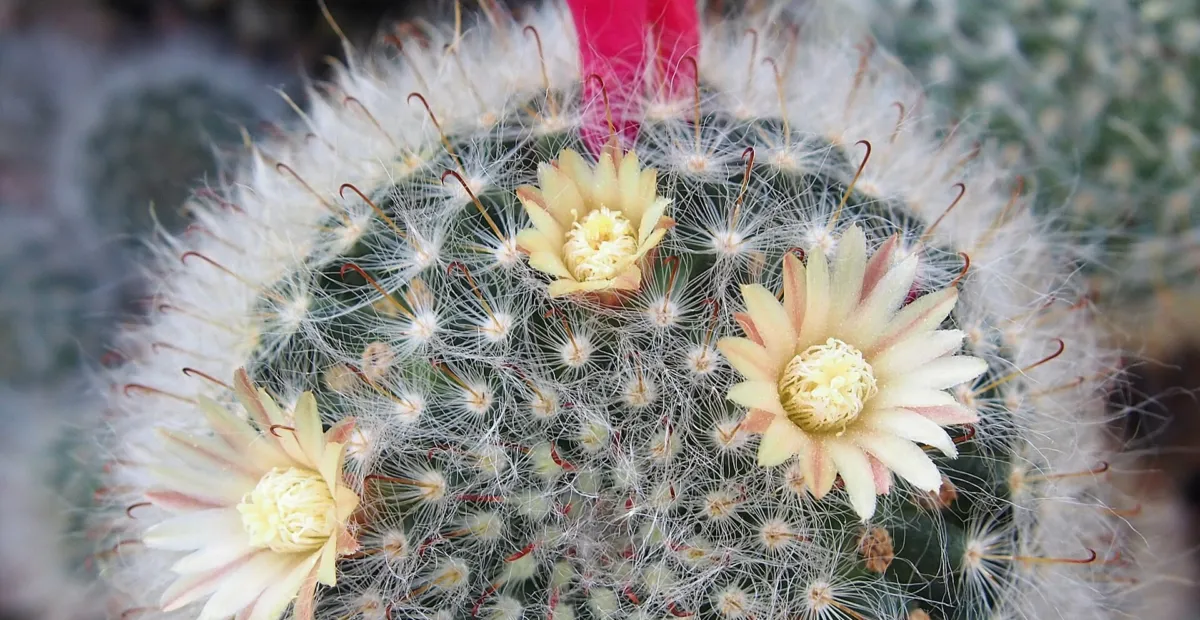
The plant has rounded to short cylindrical green stems divided into spiral rows of tubercles rather than ribs. Numerous fine white radial spines create a soft powderpuff appearance, while one or more hooked central spines may project through the hair. Flowers arise from older tubercles near the crown, forming a ring.
Flowering
Small funnel-shaped flowers develop in a ring around the crown, generally in spring or summer when plants receive strong light and a cool, dry winter rest. Flower color varies from cream or pale yellow to pink in cultivated forms. Flowers are followed by elongated red fruits when pollination is successful.
Pollination and visitors
The flowers are insect-pollinated, with bee visitation the most defensible documented visitor category for this profile. Species-level pollinator records were not sufficiently clear to name a particular bee. Outdoor flowering plants may contribute modestly to local cactus-insect interactions.
Mammillaria bocasana photos
Click any photo for a larger view. Source, author and license are shown separately.
Diseases and pests
Diseases
Root and stem rot are the main risks, usually caused by saturated soil, cool wet conditions, or poor airflow. Remove affected tissue only when damage is localized, let cuts dry, and correct the substrate and watering routine. Isolate plants showing soft brown lesions or collapse.
Pests
Inspect for mealybugs, scale, and spider mites, especially in dense hair or crevices. Remove isolated pests with a cotton swab and appropriate horticultural treatment, then improve inspection and airflow. Avoid repeatedly wetting the hairy crown.
Toxicity and pollen
No species-specific toxic principle is well documented in the reviewed sources. Extension guidance for Mammillaria generally describes the genus as non-toxic to humans and pets, but the plant's hooked spines can puncture skin, irritate eyes, and cause mechanical injury if handled or swallowed.
- Typical season
- Spring to summer when flowers open
- Pollination / pollen
- Flower pollen, mainly transported by insects
This cactus produces pollen only while flowering, and its flowers are primarily insect-oriented rather than adapted for abundant wind dispersal. Species-specific clinical allergy data were not located, so a low airborne-pollen classification is cautious rather than definitive. Avoid rubbing flowers against the face and wash hands after handling.
Native habitat
Native to northeastern Mexico, including San Luis Potosí and adjoining regions, where it occurs in dry shrubland and desert-like settings, often among rocks or on sloping ground. Natural populations experience bright light, rapid drainage, seasonal rainfall, and cool dry periods.
Interesting fact
The dense white hairs are modified radial spines, not fur or wool. Hooked central spines can be partly concealed beneath the soft-looking covering. Mature plants may produce offsets and form broad clumps. The species is native to elevated dry regions of Mexico.
Frequently asked questions (FAQ)
The most relevant questions about this plant, with short and direct answers.
🌱Quick care
What is Mammillaria bocasana called?⌄
Mammillaria bocasana is commonly called the Powderpuff Cactus. It is a small, clustering pincushion cactus in the Cactaceae family.
Is Powderpuff Cactus easy to grow indoors?⌄
Yes, Powderpuff Cactus is generally easy to grow indoors when it receives strong light and is kept in sharply draining soil. Overwatering and inadequate light are the most common causes of failure.
How often should I water a Powderpuff Cactus?⌄
Water it thoroughly only after the potting mix has dried completely. During winter or in cool, dim conditions, water much less often and keep the plant nearly dry.
How much light does Mammillaria bocasana need?⌄
Give Mammillaria bocasana full sun to bright filtered light. Indoors, a bright south- or west-facing window usually works, but acclimate it gradually to strong direct sun.
What is the best soil for Powderpuff Cactus?⌄
Use a very gritty, sharply drained cactus mix with plenty of mineral material such as pumice, perlite, or coarse grit. The container must have a drainage hole, and water should never remain around the roots.
Does Powderpuff Cactus need humidity?⌄
No, Powderpuff Cactus prefers low humidity and does well in typical indoor air. Avoid misting and provide airflow if the plant is kept in a humid location.
🌤️Environment and placement
Can Mammillaria bocasana grow outside in the United States?⌄
Yes, it can grow outdoors in warm, dry locations with strong light and excellent drainage. In colder parts of the United States, grow it in a container so it can be moved indoors before frost.
What USDA hardiness zones are suitable for Powderpuff Cactus?⌄
Powderpuff Cactus is best treated as an outdoor plant in warm USDA-style climates, roughly Zones 9–11. Even in those zones, protect it from frost, prolonged wet conditions, and cold winter rain.
Can Powderpuff Cactus tolerate frost?⌄
No, Powderpuff Cactus should be protected from frost. Move container plants to a bright, dry, frost-free location before freezing temperatures occur.
Can Mammillaria bocasana handle direct afternoon sun?⌄
It can handle strong sun after gradual acclimation, especially when air circulation is good. If pale, bleached, or hard brown patches develop, provide bright filtered light during the most intense afternoon heat.
Why is my Powderpuff Cactus growing tall or leaning?⌄
Tall, thin, or leaning growth usually indicates insufficient light. Move it gradually to a brighter location, but do not expect etiolated growth to regain its original compact shape.
💧Care and problems
How do I know when to water Mammillaria bocasana?⌄
Check that the potting mix is dry throughout before watering. A slightly wrinkled plant may need water, but a soft, dark, or mushy base indicates excess moisture and possible rot.
Why is my Powderpuff Cactus turning yellow?⌄
Yellowing can result from overwatering, poor drainage, root damage, or sudden intense sunlight. Inspect the base and roots, correct the light gradually, and allow the soil to dry fully between waterings.
Why is my Powderpuff Cactus turning brown or developing scorch marks?⌄
Brown, bleached, or hardened patches can indicate sunburn after a sudden move into strong light. Acclimate the cactus gradually and use bright filtered light during extreme heat.
How do I treat root rot in Mammillaria bocasana?⌄
Remove the cactus from wet soil and cut away black or mushy roots and tissue with a sterile tool. Let damaged areas dry and callus before replanting in fresh gritty mix, then delay watering until recovery begins.
What pests attack Powderpuff Cactus?⌄
Mealybugs and spider mites are the main pests to watch for, especially among the white hairs and around the roots. Isolate affected plants, remove visible insects, and use a treatment labeled for cacti if the infestation persists.
Why are the white hairs on my Powderpuff Cactus turning dirty?⌄
The hairs can collect dust, soil, mineral residue, or dead plant material. Improve airflow and gently remove loose debris with a soft brush or controlled air, avoiding rough handling of the hooked spines.
🪴Planting and repotting
When should I repot Mammillaria bocasana?⌄
Repot it in late spring or during active growth when roots fill the container, drainage slows, or the potting mix has degraded. Repotting every few years is often sufficient because this cactus tolerates being somewhat root-bound.
What type of pot is best for Powderpuff Cactus?⌄
Choose a small pot with a drainage hole, using a shallow or proportionate container rather than an oversized one. Unglazed clay can help the mix dry more quickly in humid indoor conditions.
How do I repot a Powderpuff Cactus without getting stuck by the spines?⌄
Use thick gloves, folded cardboard, silicone-tipped tongs, or a strip of newspaper to handle the plant without pressing on it. The hooked central spines can catch skin and fabric, so work slowly and avoid pulling the cactus by its crown.
Should I water Mammillaria bocasana immediately after repotting?⌄
Usually no; wait several days after repotting so disturbed or broken roots can dry. Resume watering only when the plant is settled and the gritty mix is completely dry.
✂️Propagation and pruning
How do I propagate Powderpuff Cactus from offsets?⌄
Twist or cut a healthy offset from the parent plant, then let the wound callus before placing it in dry, gritty cactus mix. Provide bright light and begin sparse watering only after rooting activity starts.
Can Mammillaria bocasana be grown from seed?⌄
Yes, it can be propagated from seed, although offsets are usually faster and easier. Sow the seeds on a sterile, well-drained mix, keep them lightly moist and warm, and protect young seedlings from harsh direct sun.
How long should a Powderpuff Cactus offset dry before planting?⌄
Allow a small offset to callus for several days before planting, with larger or wetter cuts needing longer. The wound should be dry and sealed rather than fresh or visibly moist.
⚠️Toxicity and safety
Is Powderpuff Cactus poisonous?⌄
Mammillaria bocasana has low chemical toxicity and is not primarily a poisoning concern. Its spines, including hooked central spines, can cause painful physical injury, so keep it away from children and pets.
Are the hairs on Powderpuff Cactus soft and harmless?⌄
No, the white hairs can conceal sharper, hooked spines underneath. Handle the plant as a spiny cactus even when its surface looks soft.
🌸Flowering and special interest
Does Powderpuff Cactus flower indoors?⌄
Yes, mature Powderpuff Cactus can flower indoors when it receives strong light and a cooler, drier winter rest. Flowers commonly appear in a ring near the crown during the growing season.
What color flowers does Mammillaria bocasana produce?⌄
Mammillaria bocasana commonly produces small cream, pale yellow, or pinkish flowers. Flower color can vary among plants and cultivated forms.
Why is my Powderpuff Cactus not flowering?⌄
Insufficient light, excessive winter watering, immaturity, or the absence of a cool, dry rest can prevent flowering. Give it brighter light during growth and keep it much drier in winter while protecting it from frost.
Similar plants
 He giant barrel cactus (Echinocactus platyacanthus) care guideEchinocactus platyacanthus
 Hedge Cactus (Cereus hildmannianus) care guideCereus hildmannianus
 Cylindropuntia ‘Fulgida’Cylindropuntia 'Fulgida'
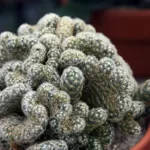 Cristata (Mammillaria elongata ‘Cristata’)Mammillaria elongata 'Cristata'
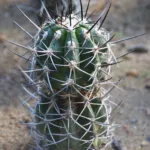 Copiapoa coquimbana care guideCopiapoa coquimbana
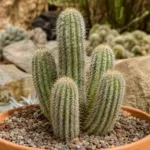 Borzicactus strausii care guideBorzicactus strausii