
 Source:
 Cylindropuntia ‘Fulgida’ short overview
Cylindropuntia 'Fulgida' is treated here as a cultivated selection of the accepted species Cylindropuntia fulgida, a striking Sonoran Desert cholla with gray-green jointed stems, formidable spines and yellow glochids, pink-magenta flowers, and persistent chains of fleshy green fruits. It needs intense sun, sharply drained soil, restrained watering, and careful placement away from paths, pets, and children. The quoted cultivar name is not clearly documented in major taxonomic databases.
Taxonomic classification
Cylindropuntia ‘Fulgida’ care guide
Light and placement
Give the brightest available position, ideally unobstructed south- or west-facing full sun outdoors. Acclimate greenhouse or indoor plants gradually to prevent sunscald. Too little light causes elongated, weak joints and poor flowering; excessive heat is usually tolerated when roots remain dry, but sudden exposure after shade can bleach or scorch stems.
Watering and humidity
Water deeply only after the substrate has dried completely, allowing excess water to drain freely. During hot active growth, this may mean occasional irrigation every few weeks in a container, while established landscape plants may need little supplemental water. Reduce sharply in fall and keep nearly dry in cool winter conditions. Humid air is acceptable only with dry roots and good airflow.
Soil and growing medium
Use a mineral-heavy cactus substrate with excellent drainage, such as coarse sand, pumice, gravel, and a modest amount of loam. Avoid rich, moisture-retentive mixes. The species occurs on sandy flats, washes, bajadas, and rocky slopes, often tolerating neutral to mildly alkaline conditions. Container soil must drain immediately after watering.
Feeding
Fertilize only during active growth, typically in spring and early summer. Use a low-nitrogen cactus fertilizer at half strength once or twice, or apply a very light top-dressing of mature compost in the ground. Do not feed newly rooted cuttings, drought-stressed plants, dormant plants, or plants kept cool and wet. Excess nitrogen produces weak, soft growth.
Growth and habit
This species develops a low-branched, tree-like framework with a spreading crown and readily detachable terminal joints. Fallen joints and fruits can root, so plants may slowly form clonal patches. The maintenance implication is to keep a clear safety zone, remove unwanted rooted segments with tools, and avoid frequent disturbance that spreads joints.
Planting and repotting
Plant outdoors after the danger of prolonged cold and wet weather has passed, using the same depth as the root ball and never burying the stem base. Allow generous clearance from walkways because joints detach readily and glochids cling to clothing or skin. Establish with a few deep, widely spaced waterings, then reduce irrigation as growth begins.
Repot only when the container is crowded or the mix has degraded, preferably in spring or early summer. Wear thick gloves, use long-handled tools or cardboard guards, and avoid gripping stem joints directly. Let damaged roots dry briefly before planting into completely dry mineral substrate; wait several days before the first light watering.
Propagation and pruning
Propagation
Propagate most reliably from detached stem joints or fallen fruits. Allow a joint to callus for several days in a dry, shaded place, then set it shallowly in dry mineral cactus mix. Begin light watering only after roots start forming. Seed propagation is possible but less predictable; fruit-derived vegetative propagation is especially characteristic of this species.
Pruning
Prune only to remove damaged, dead, diseased, or dangerously placed joints. Use long-handled loppers, tongs, and protective clothing; never shake or pull branches by hand. Bag detached pieces securely so they do not root elsewhere. Make cuts during dry weather and allow wounds to callus before irrigation.
Overwintering
In USDA Zones 9b–11, protect from prolonged freezing and winter rain, especially in heavy soil. In colder regions, move containers to a bright, cool, dry shelter before hard freezes. Keep nearly dry while overwintering and return outdoors gradually in spring to prevent sunburn.
Uses
Use as a dramatic specimen or barrier plant in desert, gravel, and xeric landscapes, or as a container specimen where winter protection is needed. Its persistent fruit chains provide visual interest and may contribute habitat and food value for desert wildlife. Historical food uses are documented for the species, but cultivated plants should not be eaten without verified identification and safe preparation.
Appearance
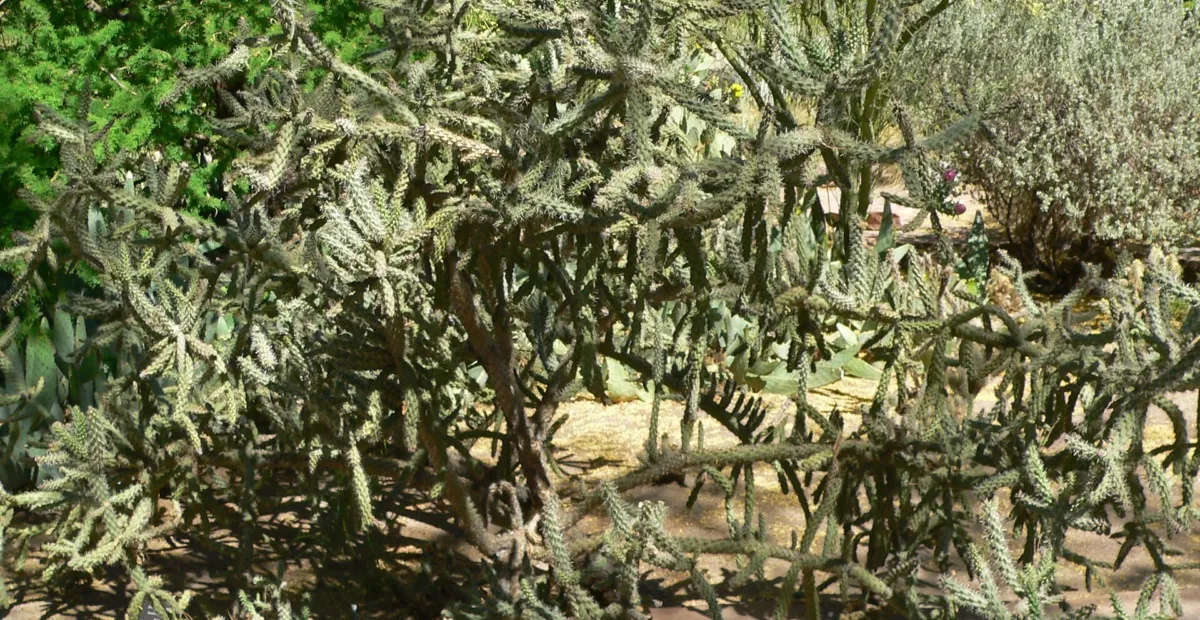
The plant has cylindrical, strongly tuberculate gray-green stem segments arranged on a woody, branching framework. Areoles carry yellow to tan felt, spines with pale or golden sheaths, and yellow glochids. Older stems can darken and reveal rough bark. The most distinctive feature is the long, branching, pendent chain of persistent green fruits.
Flowering
Flowers are terminal and bisexual, with pink to magenta inner tepals, pale pink to magenta filaments, white to cream anthers, and pale stigmas. They open in the late afternoon or evening rather than in the morning. In the Southwest, flowering is generally reported from spring into summer, with exact timing varying by elevation, rainfall, and heat.
Pollination and visitors
Flowers are documented as visited by medium-sized bees during daylight and medium-sized moths at night. The late-day or evening opening pattern may support both visitor groups. No single pollinator species is sufficiently well documented here to enter as a primary Latin name.
Cylindropuntia 'Fulgida' photos
Click any photo for a larger view. Source, author and license are shown separately.
Diseases and pests
Diseases
The main disease risk is root or stem rot from persistent wetness, especially in containers or during cool weather. Use a fast-draining mix, keep the stem base dry, and allow the substrate to dry thoroughly between waterings. Remove soft, dark, or foul-smelling tissue with a sterile tool and keep the plant dry until the wound calluses.
Pests
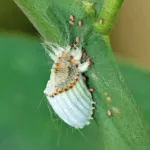
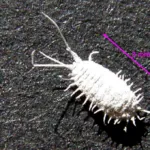
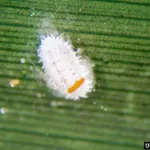
Watch for cochineal scale, mealybugs, armored scale, and occasional spider mites, particularly on stressed container plants. Inspect areoles and stem joints regularly. Remove small infestations with a targeted water spray or cotton swab; improve airflow and avoid repeated unnecessary insecticide use, which can harm beneficial visitors.
Related diseases and pests
Only Plant Doctor profiles whose host data indicate this plant may be affected are shown here.

Toxicity and pollen
No strong evidence was found for systemic poisoning from ordinary contact with this exact cultivar or species. The significant hazard is mechanical injury: rigid spines and retrorsely barbed glochids can penetrate skin and detach from joints. Handle with tools and protective gloves, and remove embedded glochids carefully rather than rubbing the area.
- Typical season
- Spring through late summer in the United States Southwest
- Pollination / pollen
- Insect-presented pollen; limited airborne dispersal expected
This is an insect-pollinated cactus with pollen presented in the flowers rather than a strongly wind-dispersed pollen source. Airborne allergy relevance is therefore expected to be low, but not necessarily zero; sensitive people should avoid handling flowers closely and should wash hands after contact.
Native habitat
Native populations occur in the Sonoran Desert region of Arizona and northwestern Mexico, from sandy valleys, plains, bajadas, washes, mesas, and low hills to rocky slopes. It favors hot, arid climates, strong seasonal drought, and rapidly draining mineral soils. In habitat, persistent fruits and detachable segments contribute to long-term clonal persistence.
Interesting fact
The persistent fruits can produce later flowers, creating branching chains over several seasons. Detached joints and fruits readily root, allowing clonal spread. Flowers open in the late afternoon or evening. The plant is reported from elevations of roughly 600–3,600 ft in Arizona. Its glochids are tiny, yellow, and easily transferred.
Frequently asked questions (FAQ)
The most relevant questions about this plant, with short and direct answers.
🌱Quick care
What is Cylindropuntia 'Fulgida'?⌄
Cylindropuntia 'Fulgida' is a cultivated cholla cactus in the cactus family, Cactaceae. Research on this exact horticultural identity is limited, so its traits should not automatically be treated as identical to the accepted species Cylindropuntia fulgida.
How much sunlight does Cylindropuntia 'Fulgida' need?⌄
Grow Cylindropuntia 'Fulgida' in full sun, ideally with at least 6 hours of direct light daily. Provide strong afternoon light when possible, but acclimate plants gradually if they were previously grown indoors or in shade.
How often should I water Cylindropuntia 'Fulgida'?⌄
Water Cylindropuntia 'Fulgida' only after its soil has dried completely, then soak the mix and let excess water drain away. Water much less often during cool or dormant weather, and never leave the pot standing in water.
What soil is best for Cylindropuntia 'Fulgida'?⌄
Use a mineral cactus mix containing sand, gravel, pumice, or perlite for Cylindropuntia 'Fulgida'. The soil must drain sharply and dry quickly because dense or moisture-retentive soil can cause root and stem rot.
Is Cylindropuntia 'Fulgida' cold hardy?⌄
Cylindropuntia 'Fulgida' should be protected from hard freezes. Keep it dry during cold spells, and move container plants under cover before freezing temperatures are expected because cold wet roots are especially vulnerable.
🌤️Environment and placement
Can Cylindropuntia 'Fulgida' grow outdoors in the United States?⌄
Cylindropuntia 'Fulgida' can grow outdoors year-round in warm, arid parts of the United States when planted in sharply drained soil. In colder or wetter regions, grow it in a container or provide frost protection and winter cover.
Can Cylindropuntia 'Fulgida' grow indoors?⌄
Cylindropuntia 'Fulgida' can be grown indoors only in a very bright, sunny location. A south- or west-facing window or a strong grow light is usually needed, along with restrained watering and excellent air circulation.
What USDA climate conditions suit Cylindropuntia 'Fulgida'?⌄
Cylindropuntia 'Fulgida' is best suited to warm, dry climates with intense sun and mild winters. Because cold tolerance for this exact cultivated identity is not well documented, use conservative protection in areas with hard freezes.
How much space does Cylindropuntia 'Fulgida' need?⌄
Give Cylindropuntia 'Fulgida' enough room that its stems cannot contact walkways, seating areas, pets, or frequently used garden paths. Chollas may form spreading or tree-like growth, and their detachable joints and spines make close planting hazardous.
💧Care and problems
Why is Cylindropuntia 'Fulgida' turning soft or mushy?⌄
Soft or mushy stems on Cylindropuntia 'Fulgida' usually indicate overwatering, poor drainage, cold wet conditions, or rot. Stop watering, inspect the roots and lower stem, and remove healthy sections for propagation only if the rot has not spread.
Why is Cylindropuntia 'Fulgida' shriveling?⌄
Cylindropuntia 'Fulgida' may shrivel during prolonged drought or seasonal dormancy, but persistent severe wrinkling can indicate inadequate root function. Check for root rot, pests, or a completely water-repellent soil mix before increasing irrigation.
Why is Cylindropuntia 'Fulgida' leaning or growing weakly?⌄
Weak, leaning growth usually means Cylindropuntia 'Fulgida' is not receiving enough direct light or is growing too rapidly from excess water and fertilizer. Increase light gradually, allow the soil to dry fully, and avoid frequent feeding.
Does Cylindropuntia 'Fulgida' need fertilizer?⌄
Cylindropuntia 'Fulgida' generally needs little fertilizer. If growth is active, use a diluted low-nitrogen cactus fertilizer sparingly, and avoid feeding during winter dormancy, after repotting, or when the plant is stressed.
What pests affect Cylindropuntia 'Fulgida'?⌄
Scale insects, mealybugs, and root pests can affect Cylindropuntia 'Fulgida', especially on stressed or poorly ventilated plants. Inspect joints, areoles, and the soil surface regularly, and isolate affected plants before treating them.
🪴Planting and repotting
When should I plant Cylindropuntia 'Fulgida' outdoors?⌄
Plant Cylindropuntia 'Fulgida' outdoors during the warm growing season after the danger of hard freezes has passed. Choose a dry, sunny site and avoid planting immediately before prolonged rain or unusually cool weather.
Can Cylindropuntia 'Fulgida' grow in the ground?⌄
Cylindropuntia 'Fulgida' can grow in the ground where winters are mild and the soil is sandy, rocky, and sharply drained. A raised bed, berm, or slope is safer than a low area that collects water.
How do I repot Cylindropuntia 'Fulgida' safely?⌄
Repot Cylindropuntia 'Fulgida' with thick gloves, long-handled tools, or folded cardboard because its spines and detachable joints can cause serious injury. Use a pot with drainage holes, disturb the roots as little as possible, and wait several days before watering.
What type of pot is best for Cylindropuntia 'Fulgida'?⌄
Use a heavy pot with a drainage hole for Cylindropuntia 'Fulgida' so the plant is less likely to tip as it becomes larger. Unglazed clay can help the mix dry faster, while plastic is acceptable if watering is carefully controlled.
✂️Propagation and pruning
How do I propagate Cylindropuntia 'Fulgida' from cuttings?⌄
Propagate Cylindropuntia 'Fulgida' from a healthy detached joint or stem segment by allowing the cut end to callus, then placing it in barely moist, sharply drained cactus mix. Handle every segment with tools rather than bare hands, and water sparingly until roots form.
Can Cylindropuntia 'Fulgida' root from fallen joints?⌄
Chollas commonly root from detached joints, so healthy fallen segments of Cylindropuntia 'Fulgida' may root under warm, dry conditions. Success is not guaranteed for this exact cultivated identity, and segments should be handled as a serious spine hazard.
Can Cylindropuntia 'Fulgida' be grown from seed?⌄
Cylindropuntia 'Fulgida' can potentially be grown from seed if viable seed is available, but seed-grown plants may not reproduce a named cultivated form exactly. Vegetative propagation is usually more practical when preserving the parent plant's characteristics.
Can I prune Cylindropuntia 'Fulgida'?⌄
Prune Cylindropuntia 'Fulgida' only to remove dead, damaged, diseased, or dangerously positioned growth. Use long-handled tools, protective clothing, and a clear disposal method because detached joints can root and the spines can injure people and animals.
⚠️Toxicity and safety
Is Cylindropuntia 'Fulgida' poisonous?⌄
Systemic toxicity for Cylindropuntia 'Fulgida' is not established, but its spines and detachable joints create a severe mechanical injury hazard. Keep it away from children, pets, livestock, and areas where people may brush against it.
Why is Cylindropuntia 'Fulgida' called a jumping cholla?⌄
The jumping-cholla name refers to joints that detach easily when brushed and can attach to animals or clothing. The plant does not literally jump, but the barbed spines can make contact injuries painful and difficult to remove.
How should I remove a joint stuck in skin?⌄
Do not pull a Cylindropuntia 'Fulgida' joint with bare fingers; use pliers, forceps, or another tool while protecting your hands. Seek medical care for deep punctures, eye injuries, retained spines, severe pain, or signs of infection.
🌸Flowering and special interest
Does Cylindropuntia 'Fulgida' flower?⌄
Cylindropuntia 'Fulgida' may produce showy flowers when mature and grown in strong sun, warm temperatures, and well-drained soil. Flowering of this exact cultivated identity is not well documented, so timing and color may vary.
When does Cylindropuntia 'Fulgida' bloom?⌄
The related accepted species Cylindropuntia fulgida is reported to flower in late spring to early summer, but the flowering schedule of Cylindropuntia 'Fulgida' itself is uncertain. Mature plants with adequate sunlight and a dry winter rest are the most likely to bloom.
Why is Cylindropuntia 'Fulgida' not flowering?⌄
A lack of flowers is commonly associated with insufficient light, a plant that is not mature, excessive watering, or no cool dry rest. Give Cylindropuntia 'Fulgida' full sun, avoid high-nitrogen fertilizer, and maintain a distinctly drier winter period.
Similar plants
 Azure Monkshood (Aconitum carmichaelii) care guideAconitum carmichaelii
 Monkshood (Aconitum ‘Stainless Steel’)Aconitum 'Stainless Steel'
 Monkshood (Aconitum ‘Bressingham Spire’)Aconitum 'Bressingham Spire'
 Golden full moon maple (Acer shirasawanum ‘Aureum’)Acer shirasawanum 'Aureum'
 Globosum (Acer platanoides ‘Globosum’)Acer platanoides 'Globosum'
 Striped maple (Acer pensylvanicum) care guideAcer pensylvanicum