
 Source:
 Cristata (Mammillaria elongata ‘Cristata’) short overview
Mammillaria elongata 'Cristata' is a distinctive crested form of a Mexican pincushion cactus, valued for its tightly folded, brain-like ridges and warm golden spines. It remains compact and is best grown as a container plant in the United States, where frost protection is usually necessary. Give it very bright light, a gritty fast-draining mix, thorough watering only after the substrate dries, and a much drier winter rest. Mature plants may produce a ring of small pale flowers.
Taxonomic classification
Cristata (Mammillaria elongata ‘Cristata’) care guide
Light and placement
Provide several hours of direct morning or filtered afternoon sun with very bright ambient light. A south- or east-facing window is usually effective; west windows may require acclimation or sheer protection in hot climates. Stretching, weak spines, or dull green growth indicate insufficient light. Pale scorch patches indicate excessive sudden sun exposure, so increase direct light gradually after winter.
Watering and humidity
Water thoroughly until excess drains from the pot, then wait until the mix is completely dry before watering again. During bright, warm spring and summer growth this may be every two to four weeks, depending on pot size and airflow. Reduce sharply in fall and keep nearly dry in winter, especially below 55°F. Never leave the roots in standing water.
Soil and growing medium
Use a porous cactus substrate dominated by mineral components such as coarse sand, pumice, perlite, or fine gravel. The pot must drain freely and should never stand in a saucer of water. A slightly acidic to slightly alkaline reaction is generally tolerated; the essential requirement is rapid drainage rather than a precise pH.
Feeding
Feed only during active spring and summer growth, using a cactus fertilizer at half the label strength every four to six weeks, or a balanced liquid fertilizer diluted more heavily. Do not fertilize dry, stressed, recently repotted, or dormant plants, and avoid rich compost that promotes soft growth.
Growth and habit
The crested stems form irregular, folded fans that may branch and merge into a low, spreading clump. Growth is generally slower and less predictable than in the ordinary cylindrical form. Rotate container plants periodically for even light, but do so gently because the ridges can catch on gloves and clothing.
Planting and repotting
Plant only after the danger of frost has passed if growing outdoors in a frost-free location. Set the root ball at its original depth rather than burying the lower crest. Leave room for the spreading clump and keep the crown above wet soil. Establish with one cautious watering, then wait for the mix to dry fully.
Repot in spring or early summer when the mix has dried and the plant is entering active growth. Use a pot only slightly larger than the root mass, preferably with a drainage hole. Handle the crested surface with folded paper, gloves, or tongs, and allow any damaged roots to dry briefly before watering.
Propagation and pruning
Propagation
Offsets and cuttings are practical methods when crested tissue produces suitable pieces; allow cut surfaces to callus before placing them in dry, gritty mix. Seed propagation is possible but may not reliably reproduce the crested form. Grafting can be used commercially or for difficult material but is usually unnecessary for established plants.
Pruning
Routine pruning is unnecessary. Remove only dead, rotting, or badly damaged tissue with a sterile blade. If a non-crested shoot appears, growers may remove it to preserve the crest, but this is optional and cuts must be kept dry until healed.
Overwintering
Bring outdoor plants indoors before frost. Keep them in the brightest available position, cool to moderately warm, and almost dry through winter. Avoid placing the plant against a cold window or in a humid room. Resume watering gradually in spring when light and temperatures increase.
Uses
Primarily an ornamental container cactus for windowsills, conservatories, greenhouses, patios, and protected rock gardens in warm climates. Its sculptural crest makes it useful as a specimen plant or collector’s display. It has no well-supported culinary or medicinal use.
Appearance
The defining feature is fasciation, or cresting: instead of ordinary finger-like cylinders, the stem tissue forms convoluted, fan-shaped ridges. Dense areoles carry short, curved yellow to brown radial spines, giving the surface a golden-lace appearance. The plant remains evergreen and may form an irregular clustered mound.
Flowering
The species produces small funnel-shaped flowers in a ring near the upper part of the stems. On the crested form, flowering can be less predictable and may be reduced by insufficient light, immature growth, or the absence of a cool, dry rest. Flowers are typically pale yellow to white and may show pinkish or darker central tones.
Pollination and visitors
No dependable cultivar-specific pollinator record was located. The small flowers of Mammillaria elongata may be visited by insects, but the available evidence does not support assigning a particular visitor group or attraction level to this crested form.
Mammillaria elongata 'Cristata' photos
Click any photo for a larger view. Source, author and license are shown separately.
Diseases and pests
Diseases
Root and stem rot are the main risks and usually follow wet soil, poor drainage, or cool conditions combined with watering. Remove affected tissue with a sterile blade, let cuts dry, and correct the substrate and watering routine. Good airflow and dry foliage reduce fungal problems.
Pests
Inspect folds and areoles for mealybugs, scale, and spider mites. Remove isolated pests with a cotton swab and 70% isopropyl alcohol, avoiding prolonged wetness in the crests. Improve airflow and quarantine affected plants before using a labeled treatment.
Related diseases and pests
Only Plant Doctor profiles whose host data indicate this plant may be affected are shown here.
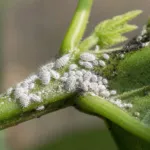
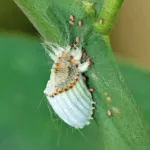
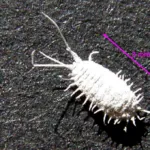
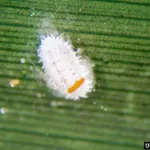
Toxicity and pollen
No reliable source located for a cultivar-specific poisoning syndrome. The principal confirmed exposure hazard is mechanical injury from sharp spines and glochidia-like irritants are not expected to be a defining feature. Keep away from children and pets because chewing can injure the mouth, and remove spines carefully if contact occurs.
- Pollination / pollen
- Flower pollen; airborne relevance not established
This cactus is insect-pollinated rather than a known wind-pollen producer, but cultivar-specific allergy studies and airborne pollen measurements were not located. Avoid presenting it as allergen-free; sensitive individuals should still avoid handling flowers closely and wash hands after plant contact.
Native habitat
The parent species is native to central Mexico, where it occurs in dry, sunny settings associated with rocky and rapidly draining ground. The crested plant is a cultivated horticultural form rather than a separately documented wild habitat type, so its natural distribution should not be treated as distinct from the species.
Interesting fact
Cresting changes the normal stem growth pattern so the growing tissue expands into broad, folded ridges instead of regular cylinders. The cultivar is prized primarily for form rather than large flowers. Its golden appearance comes from dense yellowish spines arranged around areoles.
Frequently asked questions (FAQ)
The most relevant questions about this plant, with short and direct answers.
🌱Quick care
What is Mammillaria elongata 'Cristata' commonly called?⌄
Mammillaria elongata 'Cristata' is commonly called the brain cactus because its crested growth forms convoluted, brain-like folds. The cultivar is a cristate form of Mammillaria elongata, not a separate species.
Is Mammillaria elongata 'Cristata' easy to care for?⌄
Yes, Mammillaria elongata 'Cristata' is generally easy to care for when given bright light, gritty soil, and infrequent watering. The main risks are excess moisture, poor airflow, freezing temperatures, and handling injuries from its spines.
How much light does Mammillaria elongata 'Cristata' need?⌄
Give it bright sun to bright filtered light, ideally with several hours of gentle direct sun each day. Acclimate it gradually to stronger outdoor sunlight to reduce the risk of scorching.
How often should I water Mammillaria elongata 'Cristata'?⌄
Water thoroughly only after the potting mix has dried completely, then let excess water drain away. It usually needs more frequent watering during active growth and very little water in cool, dim winter conditions.
What is the best soil for Mammillaria elongata 'Cristata'?⌄
Use a gritty, sharply drained cactus mix with substantial mineral material such as pumice, perlite, or coarse grit. Avoid dense potting soil because water trapped around the crested stems can cause root or crown rot.
🌤️Environment and placement
Can Mammillaria elongata 'Cristata' grow indoors?⌄
Yes, it can grow indoors beside a very bright south- or west-facing window or under a strong grow light. Keep it away from persistently humid, poorly ventilated locations and rotate the pot occasionally for even growth.
Can Mammillaria elongata 'Cristata' grow outdoors in the United States?⌄
It can grow outdoors during warm, dry weather if protected from prolonged rain and harsh exposure. In most of the United States, bring it indoors or into a protected frost-free space before freezing weather.
What temperature is too cold for Mammillaria elongata 'Cristata'?⌄
Protect Mammillaria elongata 'Cristata' from freezing temperatures because it is frost tender. Keeping it dry during cool weather improves its tolerance, but temperatures near or below 32°F can still cause serious damage.
Does Mammillaria elongata 'Cristata' need humidity?⌄
No, it does not need high humidity and generally prefers dry air with good ventilation. Avoid placing it in a constantly damp bathroom, enclosed terrarium, or other humid area without airflow.
Can Mammillaria elongata 'Cristata' tolerate full sun?⌄
It can tolerate strong sun after gradual acclimation, but the folded crested tissue may scorch during sudden exposure or extreme summer heat. Provide morning sun or bright filtered light during the hottest conditions if discoloration develops.
💧Care and problems
Why is my Mammillaria elongata 'Cristata' turning yellow or brown?⌄
Yellowing, browning, or soft discoloration often indicates overwatering, root damage, sunburn, or cold injury. Check whether the tissue is firm, inspect the roots if the mix stays wet, and move the plant away from freezing temperatures or abrupt intense sun.
Why is my brain cactus becoming soft?⌄
Soft, mushy tissue usually signals rot caused by excess moisture, poor drainage, or cold wet conditions. Stop watering, isolate the plant, and remove clearly rotted tissue with a sterile blade only if healthy firm tissue remains.
How do I know when Mammillaria elongata 'Cristata' needs water?⌄
Water when the potting mix is fully dry and the plant is beginning to look slightly less plump, rather than on a fixed calendar. A dry pot, firm roots, and active growth are more reliable indicators than the number of days since the last watering.
Should I fertilize Mammillaria elongata 'Cristata'?⌄
Fertilize sparingly during active growth with a diluted, low-nitrogen cactus fertilizer. Do not fertilize a stressed, recently repotted, dormant, or rotting plant, and avoid heavy feeding because it can produce weak growth.
Why is my Mammillaria elongata 'Cristata' growing green shoots?⌄
A crested plant may occasionally produce normal, cylindrical shoots that revert from the cristate form. These shoots can be removed if you want to preserve the brain-like appearance, but leaving them attached is not automatically harmful.
Why is my Mammillaria elongata 'Cristata' losing its crested shape?⌄
Loss of the crest can result from reverted shoots, uneven light, stress, or damage to the growing tissue. Strong, consistent light helps maintain compact growth, but a reverted branch will not usually become crested again without new cristate growth.
🪴Planting and repotting
What type of pot is best for Mammillaria elongata 'Cristata'?⌄
Choose a pot with a drainage hole that is only slightly larger than the root system, and consider unglazed terracotta for faster drying. A shallow, stable container is useful because the crested top can become broad and top-heavy.
When should I repot Mammillaria elongata 'Cristata'?⌄
Repot it during active growth, preferably in spring or early summer, when the mix has dried and temperatures are moderate. Repot sooner if the soil remains wet, drainage is poor, roots are crowded, or rot is suspected.
How do I repot a brain cactus without injuring it?⌄
Wear thick gloves or use folded cardboard, tongs, or a paper collar to handle the plant without pressing on the crest or spines. Replace the old mix with dry, gritty soil and wait several days before watering so damaged roots can heal.
Can Mammillaria elongata 'Cristata' be planted in the ground?⌄
It can be planted outdoors only in a frost-free location with very fast drainage and protection from prolonged rainfall. In most U.S. gardens, container culture is safer because the plant must be moved indoors before freezing weather.
✂️Propagation and pruning
How do you propagate Mammillaria elongata 'Cristata'?⌄
Propagation is usually done from a healthy crested segment or offset because the cristate form is not reliably reproduced from seed. Let a cut surface callus fully, then place it in dry, gritty mix and water very sparingly until roots form.
Can Mammillaria elongata 'Cristata' be grown from seed?⌄
It can produce seeds if flowering and pollination are successful, but seedlings generally do not reliably retain the cristate form. Vegetative propagation is the practical method for preserving the distinctive crested growth.
How long should a brain cactus cutting callus before planting?⌄
Allow the cutting to form a dry, firm callus before planting, commonly for several days to about a week depending on its size and humidity. Do not plant or water it while the cut surface is still fresh or moist.
Should I remove normal growth from Mammillaria elongata 'Cristata'?⌄
Remove normal cylindrical shoots only if they are taking over the plant or you want to maintain a strongly crested appearance. Cut with a sterile tool and allow the wound to dry; otherwise, healthy shoots can remain attached.
⚠️Toxicity and safety
Is Mammillaria elongata 'Cristata' poisonous to people or pets?⌄
Cultivar-specific toxicity is not well established, so it should not be treated as confirmed pet-safe or edible. The primary known hazard is injury from its spines, and children and pets should be kept from chewing or rubbing against it.
How should I handle Mammillaria elongata 'Cristata' safely?⌄
Handle it with thick gloves, folded cardboard, or a tool that supports the pot rather than squeezing the crested body. Use clean tools for pruning and remove embedded spines carefully to avoid worsening the injury.
What should I do if a spine from Mammillaria elongata 'Cristata' gets stuck in my skin?⌄
Wash the area, use clean tweezers for a visible spine, and avoid digging deeply into the skin. Seek medical care for severe pain, spreading redness, swelling, persistent foreign material, or an injury near the eye.
🌸Flowering and special interest
Does Mammillaria elongata 'Cristata' flower?⌄
Yes, it can produce small pale yellow, cream, white, or pinkish flowers along the upper edges of the crested growth. Flowering is more likely when the plant receives strong light, active-season care, and a cooler, drier winter rest.
When does Mammillaria elongata 'Cristata' bloom?⌄
It commonly blooms from late winter through spring or early summer, although indoor plants may flower at different times. Mature plants with strong light and a cool, relatively dry winter period are more likely to bloom.
Why is my Mammillaria elongata 'Cristata' not flowering?⌄
Insufficient light, excessive winter warmth, irregular dormancy, immaturity, or overfertilizing can all reduce flowering. Give it brighter light, keep winter watering minimal, and avoid forcing growth during the darker months.
Similar plants
 Azure Monkshood (Aconitum carmichaelii) care guideAconitum carmichaelii
 Monkshood (Aconitum ‘Stainless Steel’)Aconitum 'Stainless Steel'
 Monkshood (Aconitum ‘Bressingham Spire’)Aconitum 'Bressingham Spire'
 Golden full moon maple (Acer shirasawanum ‘Aureum’)Acer shirasawanum 'Aureum'
 Globosum (Acer platanoides ‘Globosum’)Acer platanoides 'Globosum'
 Striped maple (Acer pensylvanicum) care guideAcer pensylvanicum