
 Source:
 He giant barrel cactus (Echinocactus platyacanthus) short overview
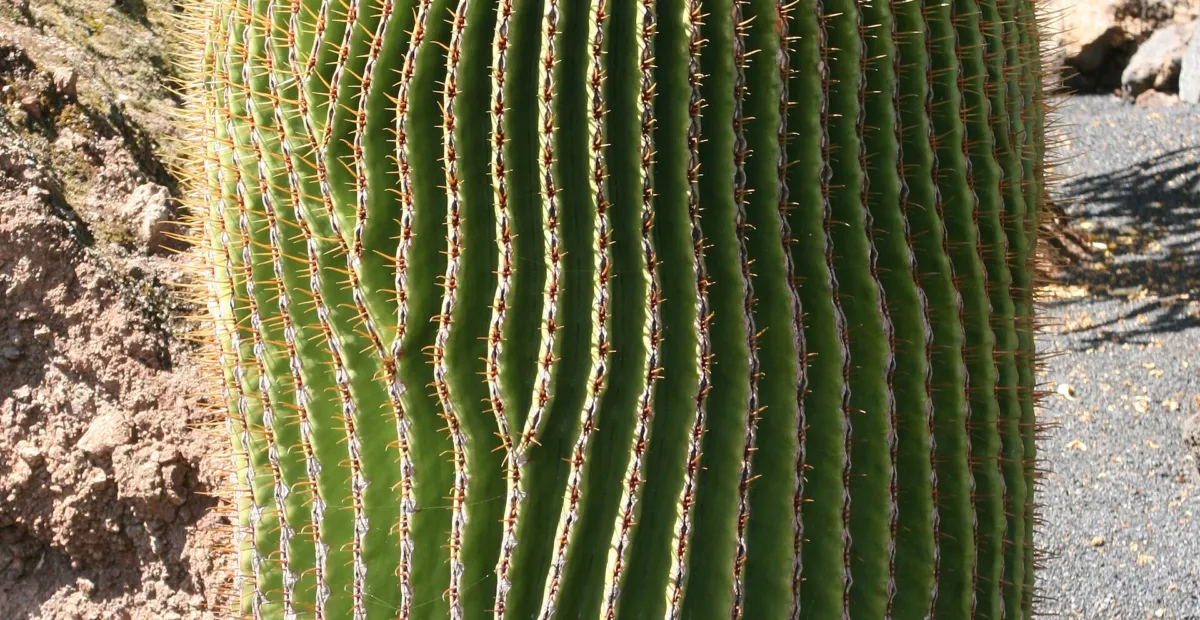
Echinocactus platyacanthus, the giant barrel cactus, is a striking Mexican species that begins as a rounded, heavily ribbed cactus and may become broadly columnar with age. Its dark green stem carries powerful flattened spines and a woolly crown that produces yellow flowers in warm conditions. In the United States it is best grown in a sunny container or exceptionally well-drained desert garden, protected from prolonged cold and winter moisture.
Taxonomic classification
He giant barrel cactus (Echinocactus platyacanthus) care guide
Light and placement
Provide full sun with several hours of direct light, ideally in a south- or southwest-facing position. Acclimate greenhouse plants gradually to intense outdoor sun to prevent scorch. Insufficient light causes weaker, greener growth and a less compact form; excessive heat is usually tolerated if roots remain dry and airflow is good.
Watering and humidity
Water deeply only after the substrate has dried completely, then let excess water drain freely. During warm active growth, the interval may be roughly 2–4 weeks depending on pot size, heat and rainfall. Reduce sharply in autumn and keep nearly dry in winter, especially below 50°F. Never leave the pot standing in water.
Soil and growing medium
Use a predominantly mineral cactus substrate containing coarse sand, pumice, gravel or crushed rock. Drainage must be rapid, especially in containers. A slightly acidic to slightly alkaline mix is acceptable; avoid heavy organic soil that stays wet around the roots.
Feeding
Feed only during active spring and summer growth, using a diluted, low-nitrogen cactus fertilizer once every 4–6 weeks. Do not fertilize dry, recently repotted, dormant or stressed plants. Excess nitrogen can produce weak, overly soft growth and reduce the value of a mineral, compact form.
Growth and habit
Growth is very slow, with a compact juvenile barrel habit that may become broader or thickly columnar over many years. Keep the crown dry and avoid frequent repositioning once large, because the spines and heavy body make handling hazardous. A heavy container prevents tipping.
Planting and repotting
Plant outdoors only after the soil has warmed and the site is reliably dry. Set the root ball at the same depth as before; do not bury the stem. Use a raised mineral bed or gravel mulch, and leave enough clearance for the eventual broad body and spines.
Repot in spring only when the root system has filled the container or the substrate has broken down. Use a stable, heavy pot, protect hands with thick gloves or folded cardboard, and allow damaged roots to dry before watering.
Propagation and pruning
Propagation
Propagate from seed in warm spring conditions using a sterile, gritty medium. Keep seeds lightly covered or surface-sown, evenly moist but never waterlogged, with bright light and warmth. Seedlings are slow and should be protected from scorching and excess moisture.
Pruning
No routine pruning is needed. Remove only dead, diseased or badly damaged tissue with sterilized tools, allowing cuts to dry completely. Do not cut the crown or remove healthy ribs and spines.
Overwintering
Keep container plants in a bright, cool, dry location before frost. A winter rest around 40–55°F is suitable if watering is withheld or nearly withheld. Outdoor plants need overhead-rain protection and should be moved indoors or into a frost-free structure when temperatures approach freezing.
Uses
Primarily used as an architectural specimen in cactus collections, xeric gardens, rock gardens and containers. Its large mature size and strong spines make it unsuitable beside walkways or in areas used by children and pets. Wild collection should be avoided because populations are conservation-sensitive.
Appearance
The stem is globose, barrel-shaped or thickly columnar, with numerous pronounced vertical ribs and large areoles. Spines are stout, flattened to subulate and pale gray through dark tones. The apex bears a conspicuous dense pad of yellowish wool. Juvenile plants may carry reddish horizontal markings that fade with age.
Flowering
Mature plants produce small yellow, diurnal flowers from the woolly crown. Flowering may be intermittent rather than a single flush, and outdoor timing varies with rainfall, heat and plant maturity.
Pollination and visitors
Research on Mexican populations identifies medium-sized bees as the principal pollinators and records beetle visitors. Flowers are day-opening and provide a seasonal floral resource in otherwise dry habitats.
Echinocactus platyacanthus photos
Click any photo for a larger view. Source, author and license are shown separately.
Diseases and pests
Diseases
Root and stem rot are the main risks, usually caused by poor drainage or watering during cool weather. Remove damaged tissue, replace saturated substrate and improve airflow. Quarantine plants showing soft brown areas or spreading lesions.
Pests
Watch for mealybugs, scale insects and root-feeding pests, especially on greenhouse or sheltered plants. Inspect areoles and the crown regularly. Remove small infestations with a targeted cotton-swab treatment or suitable labeled product, avoiding excess spray trapped in wool.
Related diseases and pests
Only Plant Doctor profiles whose host data indicate this plant may be affected are shown here.
 PestCotton mealybugPhenacoccus solenopsis Tinsley
 DiseaseRhizopus soft rotRhizopus stolonifer
 DiseaseBacterial soft rotPectobacterium carotovorum
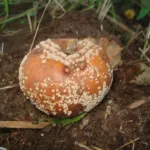 DiseaseEuropean brown rotMonilinia fructigena
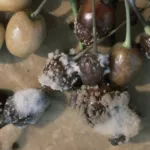 DiseaseBrown Rot of Stone FruitMonilinia fructicola
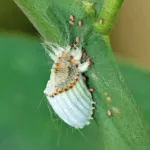 PestCottony Cushion ScaleIcerya purchasi
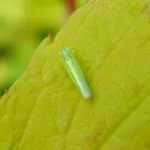 PestSmaller green leafhopperEmpoasca vitis
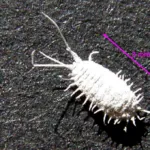 PestObscure mealybugPseudococcus viburni
Toxicity and pollen
No well-documented toxic principle is established for this species in the reviewed sources. The principal exposure hazard is mechanical injury from stout spines and glochidia-like crown fibers, not poisoning. Do not allow children or pets to chew any cactus, and handle with puncture-resistant protection.
- Typical season
- Typically spring through summer during flowering
- Pollination / pollen
- Insect-associated floral pollen
The species produces pollen in its flowers, but reliable evidence for substantial airborne allergy exposure in the United States is limited. Flowers are primarily insect-visited, so ordinary garden exposure is likely lower than for strongly wind-pollinated plants; sensitive individuals should still avoid handling flowers during bloom if symptoms occur.
Native habitat
Native to dry desert and semiarid shrubland regions of Mexico, including areas associated with the Chihuahuan Desert and central Mexican uplands. It grows in open, hot sites with mineral or calcareous soils, seasonal rainfall and rapid drainage.
Interesting fact
This species can change from a rounded barrel form to a thickly columnar form with age. Its crown is covered by dense yellowish wool from which the flowers emerge. Wild populations occur across a broad but discontinuous region of Mexico. Medium-sized bees are documented flower pollinators, while beetles also visit the flowers.
Frequently asked questions (FAQ)
The most relevant questions about this plant, with short and direct answers.
🌱Quick care
What is Echinocactus platyacanthus?⌄
Echinocactus platyacanthus is the he giant barrel cactus, a very large, slow-growing barrel cactus in the Cactaceae family. It is native to dry regions of Mexico and is cultivated primarily as a specimen cactus.
How much light does Echinocactus platyacanthus need?⌄
Echinocactus platyacanthus needs full sun for strong, compact growth. Give indoor plants the brightest available window or a properly acclimated grow-light setup.
How often should I water Echinocactus platyacanthus?⌄
Water Echinocactus platyacanthus only when its gritty soil has dried completely, then let excess water drain away. Reduce watering substantially in winter, especially when the plant is kept cool.
Is Echinocactus platyacanthus easy to grow?⌄
Echinocactus platyacanthus is generally easy to grow when it receives strong light, sharp drainage, and infrequent watering. Overwatering and poor winter conditions are more common problems than underwatering.
🌤️Environment and placement
Can Echinocactus platyacanthus grow outdoors in the United States?⌄
Echinocactus platyacanthus can grow outdoors year-round in warm, dry parts of the United States, especially where frost is uncommon. In colder areas, grow it in a container and move it under cover before freezing weather.
What USDA hardiness zone is suitable for Echinocactus platyacanthus?⌄
Echinocactus platyacanthus is commonly listed for USDA Hardiness Zones 9–11, provided the soil remains very dry during cold weather. Actual tolerance depends on temperature, moisture, plant health, and acclimation.
How cold can Echinocactus platyacanthus tolerate?⌄
Echinocactus platyacanthus should be protected from frost and prolonged freezing temperatures. A dry, established plant may tolerate brief cool conditions, but exact cold tolerance is uncertain and wet roots greatly increase the risk of damage.
Can Echinocactus platyacanthus grow indoors?⌄
Echinocactus platyacanthus can be grown indoors if it receives several hours of direct sun and excellent air circulation. Rotate the pot periodically to help maintain even growth.
What soil is best for Echinocactus platyacanthus?⌄
Use a gritty, mineral-rich cactus mix that drains rapidly, with relatively little organic material. The container must have a drainage hole, because waterlogged soil can quickly cause root rot.
Where should I place Echinocactus platyacanthus outdoors?⌄
Place Echinocactus platyacanthus in a sunny, open location with excellent drainage and protection from standing water. Avoid sites beneath frequent irrigation or where rain collects around the roots.
💧Care and problems
Why is my Echinocactus platyacanthus turning yellow?⌄
Yellowing often indicates excessive moisture, poor drainage, root damage, or insufficient light. Check the roots and soil before watering again, and move the cactus to brighter light if it is stretching or losing color.
Why is Echinocactus platyacanthus becoming soft?⌄
A soft or collapsing stem usually signals rot caused by excess water, damaged roots, or cold wet conditions. Stop watering, inspect the roots, and remove affected tissue only if firm, healthy tissue remains.
Why is my Echinocactus platyacanthus leaning?⌄
Leaning commonly results from uneven light, weak growth, root problems, or an unstable container. Improve light gradually, check the roots, and use a heavier pot if the plant is top-heavy.
Should I fertilize Echinocactus platyacanthus?⌄
Fertilize Echinocactus platyacanthus sparingly during active growth with a diluted, low-nitrogen cactus fertilizer. Do not fertilize dry, dormant, recently repotted, or stressed plants.
Does Echinocactus platyacanthus need a winter rest?⌄
A cool, bright, dry winter rest helps Echinocactus platyacanthus remain compact and may support flowering. Keep it nearly dry while temperatures are low, and resume watering gradually in spring.
🪴Planting and repotting
When should I repot Echinocactus platyacanthus?⌄
Repot Echinocactus platyacanthus in spring or early summer when it is beginning active growth. Repot only when the roots have filled the container, the soil has degraded, or drainage has become poor.
What type of pot is best for Echinocactus platyacanthus?⌄
Use a sturdy pot with a drainage hole that is only slightly larger than the root system. Heavy clay or a weighted container can help prevent a mature cactus from tipping.
How do I plant Echinocactus platyacanthus in the ground?⌄
Plant Echinocactus platyacanthus in full sun in a raised or naturally fast-draining bed filled with mineral soil. Set it at the same depth as before, and keep the roots dry until any transplant damage has healed.
✂️Propagation and pruning
How is Echinocactus platyacanthus propagated?⌄
Echinocactus platyacanthus is propagated primarily from seed because it is normally solitary and does not produce convenient offsets. Seedlings require bright light, warmth, careful moisture, and patience because growth is slow.
Can Echinocactus platyacanthus be propagated from cuttings?⌄
Cuttings are not the usual propagation method for Echinocactus platyacanthus because the species generally grows as a single barrel-shaped stem. Seed propagation is the more reliable and appropriate option.
Can I prune Echinocactus platyacanthus?⌄
Routine pruning is not needed for Echinocactus platyacanthus. Remove only dead, diseased, or rotting tissue with sterilized tools, and wear thick gloves or use tongs to avoid the spines.
⚠️Toxicity and safety
Is Echinocactus platyacanthus poisonous to people?⌄
No specific poisoning is well documented for Echinocactus platyacanthus, but it is strongly spiny and can cause painful puncture wounds. Handle it with thick gloves, long sleeves, and appropriate tools.
Is Echinocactus platyacanthus safe for dogs and cats?⌄
The main confirmed household hazard is its dense, rigid spines rather than a well-established toxin. Keep it away from pets and children, and contact a veterinarian or poison-control service if plant material is swallowed.
How should I handle a large Echinocactus platyacanthus?⌄
Handle a large Echinocactus platyacanthus with multiple people, protective gloves, and padded straps or a cactus-moving sling. Never lift it by the crown or press bare hands against the ribs.
🌸Flowering and special interest
Does Echinocactus platyacanthus flower?⌄
Yes, mature Echinocactus platyacanthus can produce small flowers near the woolly crown. Flowering is uncommon in young cultivated plants because this species grows very slowly.
What color are Echinocactus platyacanthus flowers?⌄
Echinocactus platyacanthus generally produces yellow flowers near the top of the plant. Flower color and flowering intensity can vary with age, growing conditions, and the individual plant.
Why is my Echinocactus platyacanthus not flowering?⌄
A young age, insufficient light, excess winter moisture, or the absence of a cool dry rest can prevent flowering. Strong sun, mature growth, and a dry winter period improve the chances but do not guarantee blooms.
How long does Echinocactus platyacanthus take to mature?⌄
Echinocactus platyacanthus is extremely slow-growing and may take many years to reach flowering size. Its ultimate size can be impressive in nature, but container-grown specimens usually remain much smaller.
How large can Echinocactus platyacanthus become?⌄
In habitat, Echinocactus platyacanthus can become a massive barrel cactus reaching roughly 8 feet tall and 3 feet 3 inches wide in exceptional specimens. Plants grown in containers typically remain considerably smaller.
Similar plants
 Azure Monkshood (Aconitum carmichaelii) care guideAconitum carmichaelii
 Monkshood (Aconitum ‘Stainless Steel’)Aconitum 'Stainless Steel'
 Monkshood (Aconitum ‘Bressingham Spire’)Aconitum 'Bressingham Spire'
 Golden full moon maple (Acer shirasawanum ‘Aureum’)Acer shirasawanum 'Aureum'
 Globosum (Acer platanoides ‘Globosum’)Acer platanoides 'Globosum'
 Striped maple (Acer pensylvanicum) care guideAcer pensylvanicum