
 Source:
 Copiapoa coquimbana short overview
Copiapoa coquimbana is a clumping cactus native to the dry coastal and inland landscapes of northern Chile, from southwest Antofagasta to Coquimbo. Its rounded, ribbed stems carry dark aging-to-gray spines, while mature plants can produce fragrant yellow flowers. In the United States, it is best grown in a mineral, sharply drained cactus mix with strong light, restrained watering, and complete winter protection from frost and prolonged dampness.
Taxonomic classification
Copiapoa coquimbana care guide
Light and placement
Give Copiapoa coquimbana the brightest practical position, ideally several hours of direct sun with strong airflow. A south- or west-facing greenhouse window, sunroom, or covered outdoor location suits it. Acclimate gradually after low-light conditions to prevent scorch. Insufficient light causes pale color, weak elongation, and reduced flowering; harsh sudden exposure can bleach or burn the epidermis.
Watering and humidity
Water thoroughly only after the substrate has dried completely, allowing excess water to drain away. During active growth, a deep watering followed by a full drying period is safer than frequent sips. Reduce watering sharply in fall and keep the plant nearly dry in cool winter conditions. Never leave the pot standing in water, and avoid watering during cold, overcast, or persistently humid weather.
Soil and growing medium
Use a predominantly mineral cactus substrate with excellent drainage, such as coarse grit, pumice, lava rock, and a modest amount of low-organic potting material. Avoid dense, moisture-retentive soil. A neutral to slightly alkaline reaction is suitable; the main priority is rapid drainage and thorough drying between waterings.
Feeding
Feed only during active growth, generally from spring into summer. Use a low-nitrogen cactus fertilizer diluted to about one-quarter to one-half the label strength, applied to already slightly moist soil. Do not fertilize a dormant, stressed, recently repotted, or cool and wet plant; excess nitrogen can produce weak growth and increase rot risk.
Growth and habit
This slow-growing cactus develops a compact cushion or clump as individual globular stems branch from the base. Growth is naturally restrained, and plants may remain compact for years. Avoid forcing rapid growth with frequent water or high-nitrogen fertilizer, because soft, elongated stems are less representative and more vulnerable to rot.
Planting and repotting
Plant outdoors only in a frost-free, exceptionally dry site with fast-draining mineral soil, preferably on a raised mound or slope. Set the root collar at the soil surface rather than burying the stem. In most of the United States, container culture is safer because winter rain, freezes, and prolonged humidity can cause root loss.
Repot in spring or early summer only when the mix is dry and the plant is actively growing. Move it into a slightly larger, stable container with a generous drainage hole. Handle with thick gloves or folded cardboard, refresh compacted substrate, and wait several days before watering so damaged roots can callus.
Propagation and pruning
Propagation
Propagate primarily from seed in warm, clean, sharply drained mineral mix. Sow in spring or early summer with bright filtered light and steady but not waterlogged moisture, then gradually increase ventilation. Mature clumps may produce offsets; separate only when an offset has a healthy base, allow the wound to dry, and root it in dry mineral mix before cautious watering.
Pruning
Routine pruning is unnecessary. Remove only dead, collapsed, or diseased stems with sterile tools. Let cut surfaces dry fully before replanting, and do not cut healthy stems merely to change the plant’s natural cushion form.
Overwintering
Keep completely frost-free, bright, and well ventilated during winter. A cool, dry greenhouse or sunroom is suitable; avoid warm, dark rooms that encourage weak growth. In regions with wet winters, place containers under rain protection. Do not expose the plant to freezing temperatures, repeated cold moisture, or abrupt transitions between hot indoor conditions and freezing outdoor air.
Uses
Primarily a collector’s cactus, dry-climate rock-garden specimen, and conservatory or greenhouse container plant. Its sculptural clumps and yellow flowers suit mineral displays and xeric collections. Do not treat it as an edible or medicinal plant. Any outdoor planting should avoid sites where children or pets may contact the spines.
Appearance
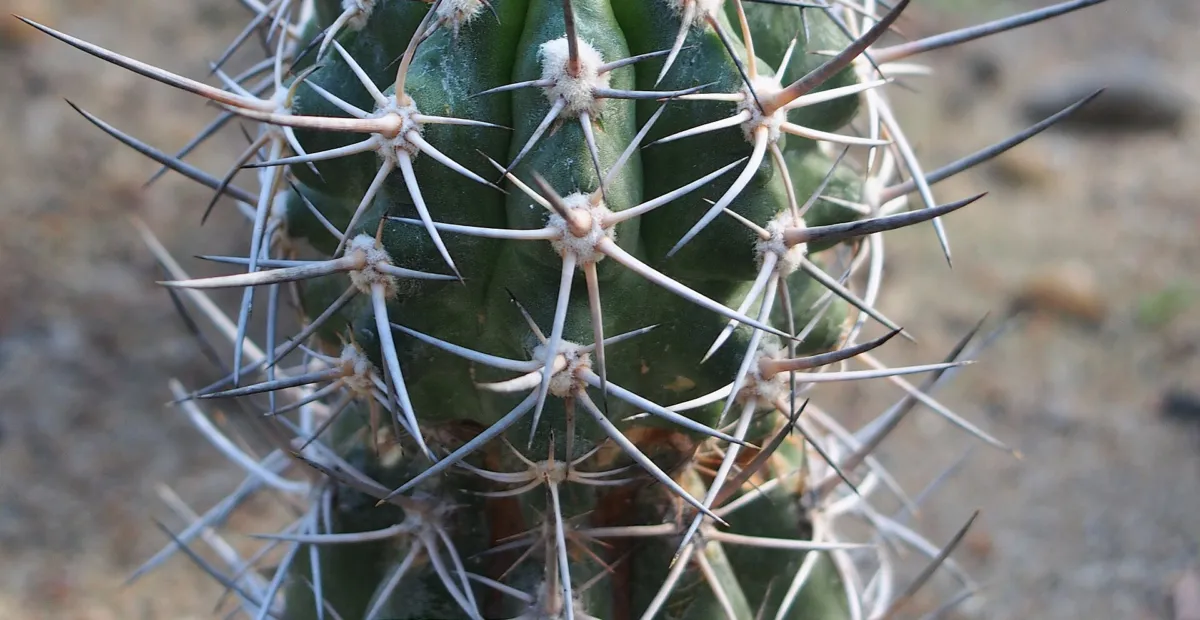
The plant is stem-succulent rather than leafy, with rounded to short-cylindrical heads, about 10–18 blunt ribs that may become slightly tuberculate, and areoles bearing black new spines that weather gray. It commonly forms a cushion-like colony from basal branching. The combination of globose heads, obtuse ribs, and aging gray spines is useful for recognition, though cultivated forms can vary substantially.
Flowering
Mature stems produce small, yellow, funnel- to cup-shaped flowers near the apex. Flowers are reported as fragrant and are followed by small brownish-red berries. Exact flowering dates vary with locality and cultivation conditions; spring through summer is a reasonable United States container expectation when plants receive strong light and a warm growing period.
Pollination and visitors
Copiapoa flowers are primarily insect-pollinated. Beetle visitation is documented for the genus, including jewel beetles associated with Copiapoa flowers, but a species-specific visitor record for C. coquimbana was not confirmed. Attraction is therefore rated low rather than high.
Copiapoa coquimbana photos
Click any photo for a larger view. Source, author and license are shown separately.
Diseases and pests
Diseases
The principal risk is root or stem rot caused by wet soil, poor drainage, or cool conditions after watering. Remove affected tissue only if the damage is localized, allow wounds to dry, and replace contaminated or compacted mix. Good airflow, dry winter conditions, and careful watering are more effective than routine fungicide use.
Pests
Watch for mealybugs, scale, and root mealybugs, especially in collections or under cover. Inspect areoles, stem bases, and roots during repotting. Isolate affected plants, remove visible insects with a careful swab or spray, and use a labeled systemic or contact treatment only according to the product directions. Avoid repeated unnecessary treatments.
Related diseases and pests
Only Plant Doctor profiles whose host data indicate this plant may be affected are shown here.
Toxicity and pollen
No authoritative species-specific evidence establishing Copiapoa coquimbana as poisonous to people or pets was located. The practical hazard is mechanical injury from spines and irritation from sap or plant tissue. Prevent children and animals from chewing the plant, and use gloves when handling. Treat any ingestion or significant eye exposure conservatively by contacting a medical or veterinary professional.
- Typical season
- Typically during flowering in spring and summer; United States timing varies by greenhouse conditions
- Pollination / pollen
- Insect-associated floral pollen; not adapted for long-distance wind dispersal
This cactus produces pollen inside seasonal flowers, but species-specific airborne pollen and allergy studies were not located. Because the flowers are insect-pollinated and pollen is not adapted for long-distance wind transport, outdoor airborne exposure is likely low, although sensitive individuals should avoid direct handling of flowers and pollen.
Native habitat
Native to northern and north-central Chile, from coastal areas inland through valleys and slopes, generally from near sea level to about 800 m. It occurs in desert and dry shrubland communities, including coastal terraces and north-facing slopes. Native soils are firm and mineral, with moisture influenced by seasonal rainfall and coastal fog rather than regular irrigation.
Interesting fact
The accepted species ranges from southwest Antofagasta to Coquimbo in Chile. It is one of the more southerly distributed species in the genus. Wild populations can form small cushions with stems of different ages. Ants consume and disperse its seeds in documented Chilean populations. The species includes several accepted subspecies in current taxonomic treatments.
Frequently asked questions (FAQ)
The most relevant questions about this plant, with short and direct answers.
🌱Quick care
How do you care for Copiapoa coquimbana?⌄
Grow Copiapoa coquimbana in full sun, a mineral-rich sharply draining cactus mix, and water sparingly. Let the soil dry completely before watering again, and keep the plant protected from freezing temperatures.
Is Copiapoa coquimbana easy to grow?⌄
Copiapoa coquimbana is manageable for experienced cactus growers but can be slow-growing and sensitive to excess moisture. The main requirements are intense light, excellent drainage, dry winter conditions, and protection from frost.
How often should I water Copiapoa coquimbana?⌄
Water Copiapoa coquimbana only when its soil is completely dry, usually every 2–4 weeks during active growth. In cool, dark, or humid conditions, extend the interval and keep it nearly dry through winter.
🌤️Environment and placement
How much light does Copiapoa coquimbana need?⌄
Copiapoa coquimbana needs full sun or the brightest available light for strong, compact growth. Acclimate it gradually to direct afternoon sun, especially after keeping it indoors or buying it from a shaded greenhouse.
Can Copiapoa coquimbana grow indoors?⌄
Copiapoa coquimbana can grow indoors only in a very bright, sunny window or under a strong grow light. Provide excellent airflow and avoid placing it in a dim room, where weak growth and watering problems are more likely.
What temperature can Copiapoa coquimbana tolerate?⌄
Copiapoa coquimbana prefers warm days, cool nights, and dry conditions, but it is frost tender. Move it indoors or into a protected greenhouse before temperatures approach freezing, particularly when the soil is damp.
Can Copiapoa coquimbana survive winter outdoors in the United States?⌄
It can remain outdoors year-round only in frost-free locations with very dry winter conditions. In most United States climates, overwinter it under cover or indoors because freezing temperatures and prolonged winter moisture can cause fatal rot.
What USDA hardiness zone is suitable for Copiapoa coquimbana?⌄
Copiapoa coquimbana is best treated as a frost-tender container plant rather than assigned a dependable outdoor hardiness range. It may work outdoors year-round in frost-free areas, but most U.S. growers should protect it whenever freezing weather is possible.
💧Care and problems
Why is my Copiapoa coquimbana turning brown or black?⌄
Brown or black tissue can indicate sunburn, physical damage, or rot, depending on whether the area is dry and firm or soft and spreading. Soft discoloration usually calls for immediate removal from wet soil, inspection of the roots, and reduced watering.
Why is Copiapoa coquimbana becoming pale or green?⌄
Pale or increasingly green growth commonly indicates insufficient light or overly lush cultivation. Move the plant gradually toward stronger light, improve drainage, and avoid frequent watering or heavy fertilization.
Why is my Copiapoa coquimbana soft?⌄
A soft Copiapoa coquimbana is often suffering from excess moisture or root rot, although severe dehydration can also cause shriveling. Check the roots and stem, keep the plant dry while diagnosing it, and repot only into dry, porous medium if rot is present.
Does Copiapoa coquimbana need fertilizer?⌄
Copiapoa coquimbana needs little fertilizer and can grow well without frequent feeding. If fertilizing, use a dilute, low-nitrogen cactus fertilizer during active growth and never apply it to dry, stressed, or dormant plants.
What pests attack Copiapoa coquimbana?⌄
Mealybugs, scale, spider mites, and root pests can affect Copiapoa coquimbana, especially in indoor collections. Inspect the wool, areoles, roots, and pot rims regularly, and isolate affected plants before treating them with a cactus-safe product.
🪴Planting and repotting
What soil is best for Copiapoa coquimbana?⌄
Use a predominantly mineral cactus mix containing materials such as pumice, grit, lava rock, or coarse sand. The mix should drain rapidly and dry fully rather than retaining peat-heavy moisture around the roots.
What type of pot is best for Copiapoa coquimbana?⌄
Choose a pot with a drainage hole that is only slightly larger than the root system, and use a heavier container if the plant is top-heavy. Unglazed clay can help the medium dry faster, but drainage matters more than pot material.
When should I repot Copiapoa coquimbana?⌄
Repot Copiapoa coquimbana during warm, active growth when the soil can dry quickly afterward. Repot if roots are crowded, the mix has degraded, or drainage has declined, and wait several days before watering after the move.
Should Copiapoa coquimbana be planted in the ground?⌄
Plant it in the ground only where the site is frost-free, rain-sheltered, and naturally or artificially sharply drained. In regions with wet winters, cold snaps, or heavy clay soil, a container under cover is safer.
✂️Propagation and pruning
How do you propagate Copiapoa coquimbana from seed?⌄
Sow Copiapoa coquimbana seed on the surface of a clean, mineral, well-drained medium and provide bright filtered light, warmth, humidity, and ventilation. Keep seedlings evenly but lightly moist at first, then gradually increase drying as they develop.
Can Copiapoa coquimbana be propagated from offsets?⌄
Yes, Copiapoa coquimbana may be propagated from naturally produced offsets when they are large enough to handle. Separate a healthy offset with a clean tool, allow the wound to callus fully, and root it in dry mineral medium before watering lightly.
How long does Copiapoa coquimbana take to grow from seed?⌄
Copiapoa coquimbana is slow-growing from seed, and seedlings may take several years to develop mature form. Growth varies with light, temperature, watering, genetics, and whether the plants are grown on their own roots or grafted.
Can you prune Copiapoa coquimbana?⌄
Routine pruning is usually unnecessary because Copiapoa coquimbana naturally forms branched or clustered growth. Remove only dead, damaged, diseased, or rotting tissue with a sterile tool, and allow cut surfaces to dry before replanting.
⚠️Toxicity and safety
Is Copiapoa coquimbana poisonous to pets?⌄
There is no confirmed species-specific toxicity information for Copiapoa coquimbana, but it should still be kept away from pets and children. The primary known hazard is physical injury from its spines, while ingestion of any cactus material may cause irritation or stomach upset.
Are Copiapoa coquimbana spines dangerous?⌄
Copiapoa coquimbana spines can puncture skin and may be difficult to remove. Handle it with thick gloves or folded paper, keep it away from walkways and pets, and use clean tweezers for any embedded spine.
🌸Flowering and special interest
Does Copiapoa coquimbana flower?⌄
Yes, mature Copiapoa coquimbana can produce showy yellow, fragrant flowers. Flowering is more likely when the plant receives strong light, experiences a distinct dry rest, and is old enough to reach reproductive maturity.
When does Copiapoa coquimbana bloom?⌄
Copiapoa coquimbana generally flowers during the warmer growing season, although the exact timing depends on light, temperature, plant age, and cultivation conditions. Healthy plants may flower intermittently rather than on a fixed calendar.
Why is my Copiapoa coquimbana not flowering?⌄
Insufficient light, excessive watering, heavy feeding, youth, or the absence of a cool dry rest can prevent flowering. Increase light gradually, keep the mix lean and sharply drained, and maintain a distinctly drier winter period.
Are Copiapoa coquimbana flowers fragrant?⌄
Copiapoa coquimbana is reported to have yellow, fragrant flowers, although scent intensity can vary with the individual plant and growing conditions. Flowers are typically short-lived and may open during favorable warm, bright periods.
Does Copiapoa coquimbana produce offsets or form clumps?⌄
Copiapoa coquimbana can branch and form compact clumps or cushions over time. The number of offsets depends on the plant’s age, genetics, growing conditions, and whether the specimen is growing on its own roots.
Similar plants
 Azure Monkshood (Aconitum carmichaelii) care guideAconitum carmichaelii
 Monkshood (Aconitum ‘Stainless Steel’)Aconitum 'Stainless Steel'
 Monkshood (Aconitum ‘Bressingham Spire’)Aconitum 'Bressingham Spire'
 Golden full moon maple (Acer shirasawanum ‘Aureum’)Acer shirasawanum 'Aureum'
 Globosum (Acer platanoides ‘Globosum’)Acer platanoides 'Globosum'
 Striped maple (Acer pensylvanicum) care guideAcer pensylvanicum