
 Source:
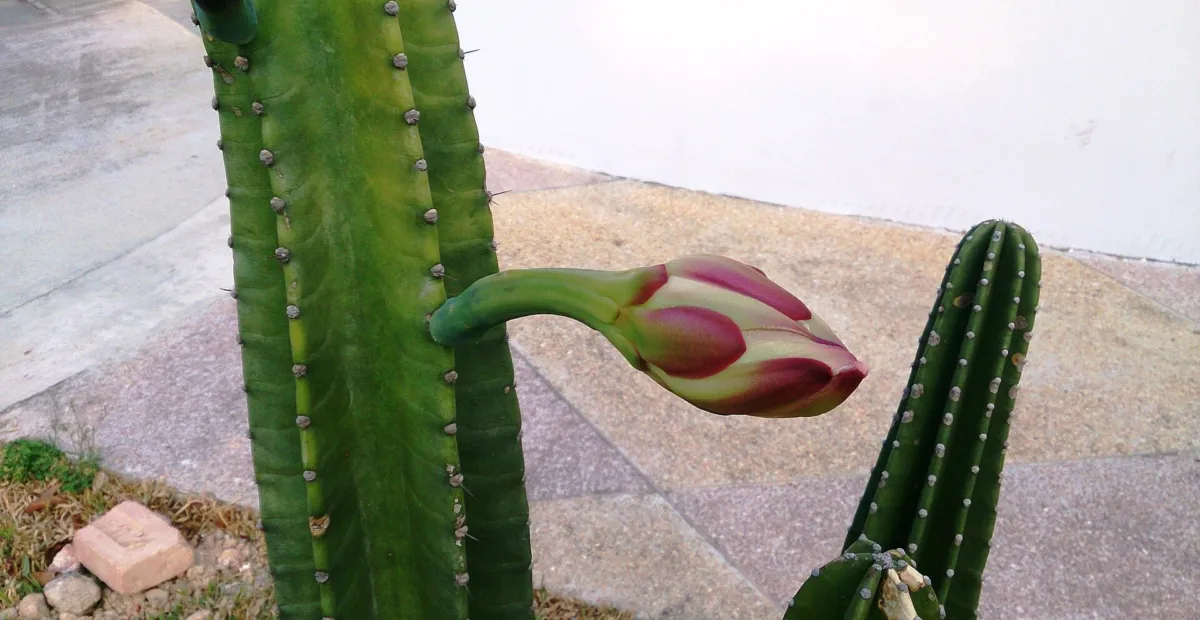
 Hedge Cactus (Cereus hildmannianus) short overview
Hedge Cactus is a tall, branching columnar cactus with blue-green, ribbed stems and a distinctly architectural silhouette. Native to seasonally dry regions of South America, Cereus hildmannianus grows quickly when given intense light, heat, and excellent drainage. Mature plants may produce large white flowers that open at night and attract hawk moths. In the United States, grow it outdoors only where winter frost is limited, or keep it in a bright container and protect it from freezing temperatures.
Taxonomic classification
Hedge Cactus (Cereus hildmannianus) care guide
Light and placement
Provide several hours of direct sun, ideally in a south- or west-facing position with excellent airflow. Acclimate indoor or greenhouse plants gradually to intense outdoor light to prevent bleaching or sunscald. Insufficient light causes pale, elongated, weak stems and poor flowering; excessive abrupt exposure can produce tan scorch patches.
Watering and humidity
Water thoroughly only after the substrate has dried well, allowing excess water to drain completely. During warm active growth, check the mix every week or two and adjust for container size and weather. Water much less in fall and winter, especially below 50°F, and never leave the roots standing in water. Humidity does not need to be increased.
Soil and growing medium
Use a very porous cactus substrate dominated by mineral components such as pumice, perlite, coarse sand, or crushed granite. The mix must drain rapidly and dry substantially between waterings. Slightly acidic to neutral conditions are suitable; avoid heavy clay, waterlogged compost, and saucers that retain standing water.
Feeding
Feed during active spring and summer growth with a balanced cactus fertilizer at half strength every four to six weeks, or use a controlled-release product formulated for succulents. Do not fertilize dry, dormant, recently repotted, diseased, or cold-stressed plants. Excess nitrogen can produce weak, overly lush growth.
Growth and habit
A vigorous, upright cactus that develops multiple ribbed branches from a central base or trunk-like structure. Strong light and warmth encourage sturdy growth, while low light can cause elongated, weak stems. Large specimens may require a heavy container, support during establishment, and selective removal of crowded or damaged branches.
Planting and repotting
Plant outdoors after the danger of frost has passed, choosing a warm, sunny site with fast-draining soil. Set the cactus at the same depth at which it grew previously; burying the stem invites rot. Space large specimens generously because branching plants can become broad and difficult to move.
Repot in spring or early summer when roots have filled the container or drainage has declined. Use a heavy pot for stability, wear thick gloves or use folded cardboard, and allow damaged roots to dry before watering. Move up only one pot size to avoid a wet, oversized root zone.
Propagation and pruning
Propagation
Propagate from mature stem cuttings or seed. Let cuttings callus in a dry, shaded place for about one to two weeks, then root them in barely moist, sharply drained mix during warm weather. Seeds germinate best with warmth, light, and restrained moisture. Cuttings are faster and preserve the parent’s form.
Pruning
Prune only during warm, dry weather. Remove dead, damaged, diseased, or badly crossing stems with a clean saw or knife, and allow cuts to callus fully before rain or irrigation. Wear puncture-resistant gloves and protect skin and eyes. Avoid removing healthy structural branches unless controlling size or improving balance.
Overwintering
Keep container plants bright, dry, and above 40–45°F when possible; protect them from frost and cold rain. In colder regions, move them indoors before nighttime temperatures approach 40°F. Reduce watering sharply during winter and inspect for pests before bringing plants inside.
Uses
Use as a dramatic specimen cactus in frost-free landscapes, xeric gardens, patios, and large containers. Its upright branching form provides strong architectural interest, and its night-opening flowers can support nocturnal moths. Treat all fruit or other edible-use claims cautiously unless the plant’s identity and local guidance are confirmed.
Appearance
The plant forms cylindrical, blue-green to gray-green stems with prominent ribs, small areoles, and short spines. Its numerous upright branches create a candelabra-like or hedge-forming silhouette. The trunk-like base and rib pattern help distinguish it from softer, less strongly columnar cacti.
Flowering
This true flowering cactus produces large, funnel-shaped white flowers that typically open at night and fade by the following day. Flowering is most likely on mature, well-lit plants after a warm growing season. Fruit production generally depends on effective cross-pollination and may be uncommon on isolated plants.
Pollination and visitors
Peer-reviewed field research documented hawk moths, including Eumorpha satellitia, Eumorpha vitis, and Manduca sexta, as effective pollinators. Honeybees, bumblebees, stingless bees, and cetoniine beetles were observed visiting or collecting pollen but were not shown to pollinate effectively in that study.
Cereus hildmannianus photos
Click any photo for a larger view. Source, author and license are shown separately.
Diseases and pests
Diseases
The main risks are soft rot, stem rot, and root rot caused by excess moisture, poor drainage, or cold wet conditions. Remove affected tissue with a sterile blade, keep wounds dry, and correct the cultural cause. Good airflow, a mineral substrate, and careful winter watering are more useful than routine fungicide applications.
Pests
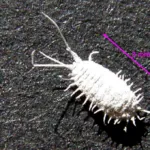
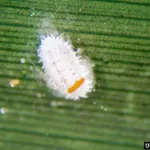
Watch for scale, mealybugs, spider mites, and root mealybugs, especially on stressed or indoor plants. Inspect areoles and stem joints regularly. Remove small infestations with a cotton swab and alcohol where appropriate, then use a labeled horticultural treatment if needed. Quarantine new plants and avoid chronic overwatering, which weakens roots and encourages pests.
Related diseases and pests
Only Plant Doctor profiles whose host data indicate this plant may be affected are shown here.

Toxicity and pollen
No reliable authoritative evidence was found establishing significant poisonous effects from normal contact or ingestion of this exact species. The principal practical hazards are sharp spines, glochidia-like plant debris, and injury from handling. Avoid allowing children or pets to chew plants, and seek professional advice after significant ingestion or puncture injury.
- Typical season
- During flowering, mainly summer in warm U.S. climates
- Pollination / pollen
- Flower pollen, mainly transferred by nocturnal visitors
The flowers produce pollen, but this species is primarily nocturnally moth-pollinated and no strong, species-specific airborne allergy profile was located. Pollen exposure is likely limited compared with wind-pollinated plants, though sensitive individuals should avoid handling flowers during peak release and rely on personal symptoms or medical advice.
Native habitat
In its native South American range, the species occurs in seasonally dry tropical and subtropical environments. It is associated with warm conditions, a pronounced dry period, and soils that drain quickly. Natural populations span several countries and ecological regions, so local form and size can vary substantially.
Interesting fact
The species is accepted by Kew and has two accepted subspecies. Its native range extends from Bolivia and Brazil to northern Argentina, including Paraguay and Uruguay. Research in southern Brazil recorded hawk moths as effective pollinators, while bees and beetles acted mainly as flower visitors.
Frequently asked questions (FAQ)
The most relevant questions about this plant, with short and direct answers.
🌱Quick care
What is Cereus hildmannianus commonly called?⌄
Cereus hildmannianus is commonly called Hedge Cactus. It is a columnar cactus in the genus Cereus and family Cactaceae.
How much light does Hedge Cactus need?⌄
Hedge Cactus needs full sun for strong, compact growth. Indoors, place it in the brightest south- or west-facing window, or supplement with a grow light.
How often should I water Cereus hildmannianus?⌄
Water Cereus hildmannianus only after the potting mix has dried out completely. Water thoroughly, then let excess drain away and reduce watering during cool, low-light winter conditions.
What soil is best for Hedge Cactus?⌄
Use a porous, mineral-rich cactus mix that drains rapidly. A container must have a drainage hole because standing water can cause root rot.
How cold can Cereus hildmannianus tolerate?⌄
Protect Cereus hildmannianus when temperatures approach 25°F. Brief exposure may be tolerated above that point, but frost, wet soil, and repeated freezing increase damage risk.
🌤️Environment and placement
Can Hedge Cactus grow indoors?⌄
Yes, Hedge Cactus can grow indoors if it receives very bright light and excellent drainage. Rotate the pot periodically so growth remains even.
Can I grow Cereus hildmannianus outdoors in the United States?⌄
You can grow Cereus hildmannianus outdoors year-round only in warm, frost-free areas. In colder USDA-style climates, grow it in a container and move it indoors before temperatures near 25°F.
Does Hedge Cactus need direct sunlight?⌄
Yes, direct sunlight is preferred once the plant is acclimated. Increase exposure gradually if it has been kept indoors or in shade to reduce the risk of sunscald.
How large does Cereus hildmannianus get?⌄
Cereus hildmannianus can become a large, branching, tree-like cactus in suitable outdoor climates. Its final size depends heavily on the cultivar, growing season, container size, and local conditions.
Is Hedge Cactus drought tolerant?⌄
Yes, Hedge Cactus is drought tolerant after it is established. Drought tolerance does not mean it should remain constantly dry during active growth, especially in very hot conditions.
💧Care and problems
Why is my Cereus hildmannianus turning soft or black?⌄
Soft, black, or collapsing tissue usually indicates rot caused by excess moisture, poor drainage, cold injury, or damaged tissue. Remove affected material promptly and keep healthy sections dry while you assess whether a cutting can be saved.
Why is my Hedge Cactus becoming thin and pale?⌄
Thin, pale, stretched growth usually means insufficient light. Move the plant toward stronger light gradually and avoid sudden full-sun exposure until it has acclimated.
Why is my Cereus hildmannianus leaning?⌄
Leaning can result from one-sided light, weak elongated growth, root problems, or a top-heavy plant. Improve light, check that the roots are firm, and provide a stable pot or support if necessary.
Should I fertilize Hedge Cactus?⌄
Fertilize Hedge Cactus sparingly during active growth with a diluted cactus fertilizer. Avoid feeding dry, dormant, recently repotted, or stressed plants.
Can I keep Hedge Cactus outside in the rain?⌄
Hedge Cactus can tolerate rain when planted in fast-draining soil and warm conditions. Move or shelter it if prolonged rain combines with cool temperatures or slow-drying soil.
🪴Planting and repotting
When should I repot Cereus hildmannianus?⌄
Repot Cereus hildmannianus during active growth, preferably in spring or early summer. Move it into only a slightly larger container and allow damaged roots to dry before watering.
What type of pot is best for Hedge Cactus?⌄
Use a heavy pot with a drainage hole to reduce tipping as the cactus grows. Unglazed clay can help the mix dry faster, while plastic is suitable if watering is adjusted carefully.
How do I plant Cereus hildmannianus in the ground?⌄
Plant Cereus hildmannianus in full sun and sharply draining soil after the danger of frost has passed. Set it at the same depth as before and keep surrounding soil from staying wet.
Can Hedge Cactus tolerate heavy clay soil?⌄
Hedge Cactus should not be planted directly in heavy clay unless drainage is substantially improved. Use a raised bed, a mound, or a large proportion of mineral material to prevent waterlogging.
✂️Propagation and pruning
How do I propagate Cereus hildmannianus from cuttings?⌄
Propagate Cereus hildmannianus by allowing a healthy cutting to callus before planting it in a dry, porous cactus mix. Keep the cutting dry at first, then water lightly only after roots begin to form.
Can Hedge Cactus be grown from seed?⌄
Yes, Hedge Cactus can be grown from seed, although seedlings develop more slowly than cuttings. Use a sterile, well-draining medium, provide warmth and bright filtered light, and avoid waterlogged conditions.
How do I prune Cereus hildmannianus?⌄
Prune Cereus hildmannianus with clean tools to remove damaged, diseased, or unwanted branches. Let cut surfaces dry and callus before exposing them to irrigation or persistent rain.
Can I root a broken Hedge Cactus branch?⌄
Often, a healthy broken branch can be rooted as a cutting. Allow the break to dry until callused, then place the base in dry, gritty mix and water cautiously after rooting begins.
⚠️Toxicity and safety
Is Cereus hildmannianus toxic to people or pets?⌄
No specific toxicity is firmly established for Cereus hildmannianus, but it should still be handled cautiously. Its spines can cause painful punctures and may injure children or pets.
How should I handle a Hedge Cactus safely?⌄
Handle Hedge Cactus with thick gloves, long sleeves, and tools rather than bare hands. Keep fallen segments and trimmings away from children and animals.
Can Hedge Cactus be planted near a walkway?⌄
It is better to keep Hedge Cactus away from narrow walkways, play areas, and frequently used entrances. Its spines and eventual size can create a safety and access problem.
🌸Flowering and special interest
Does Cereus hildmannianus produce flowers?⌄
Yes, mature Cereus hildmannianus can produce large, often night-opening flowers. Flowering is more likely when the plant receives strong light, a long warm growing season, and appropriate winter rest.
Why is my Hedge Cactus not flowering?⌄
A young plant, insufficient light, excessive winter warmth, or irregular care can prevent flowering. Give it full sun, avoid overwatering, and allow a cooler, drier winter period without exposing it to frost.
When does Cereus hildmannianus bloom?⌄
Cereus hildmannianus generally blooms during the warm growing season, but the exact timing varies by climate, plant maturity, and clone. Individual flowers may open at night and fade by the following day.
Does Hedge Cactus produce edible fruit?⌄
Some Cereus plants produce fleshy fruit after successful pollination, but fruiting and edibility can vary by identification and growing conditions. Do not eat fruit unless the plant and its safe use have been reliably confirmed.
Similar plants
 Azure Monkshood (Aconitum carmichaelii) care guideAconitum carmichaelii
 Monkshood (Aconitum ‘Stainless Steel’)Aconitum 'Stainless Steel'
 Monkshood (Aconitum ‘Bressingham Spire’)Aconitum 'Bressingham Spire'
 Golden full moon maple (Acer shirasawanum ‘Aureum’)Acer shirasawanum 'Aureum'
 Globosum (Acer platanoides ‘Globosum’)Acer platanoides 'Globosum'
 Striped maple (Acer pensylvanicum) care guideAcer pensylvanicum