
 Source:
 Elephant’s Tooth (Coryphantha elephantidens) short overview
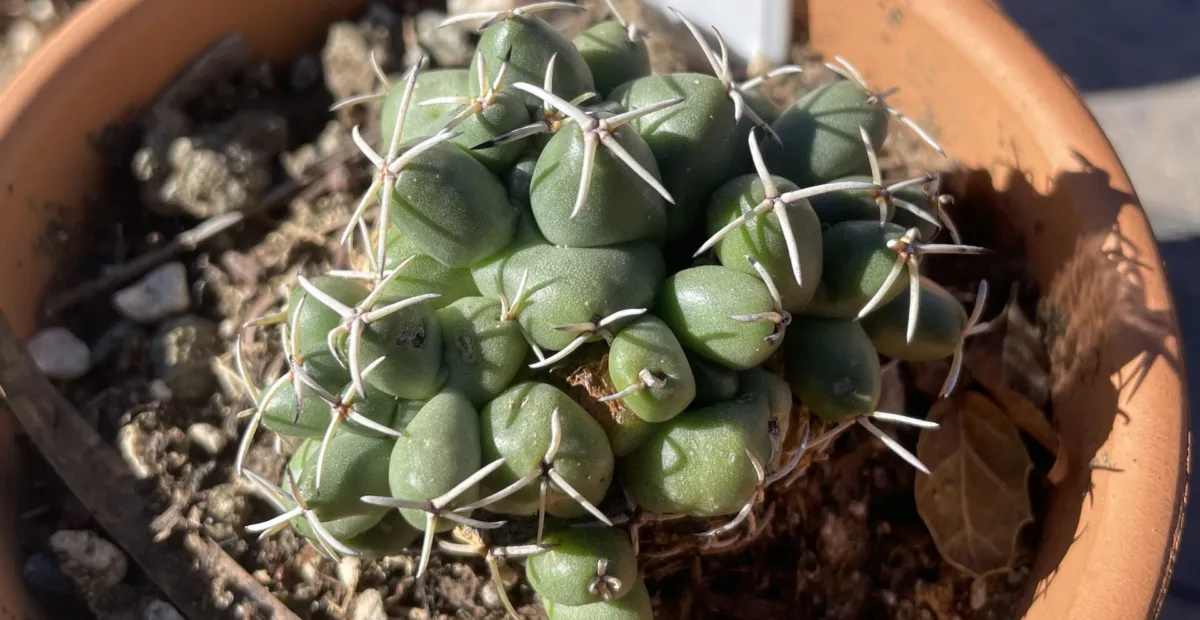
Elephant’s Tooth is a compact Mexican cactus with a rounded, often slightly depressed body covered in unusually broad tubercles that give the plant its distinctive name. Woolly areoles and spreading yellowish-brown spines accent the green surface, while mature plants can produce pink, white, or occasionally yellow summer flowers. In cultivation, it prefers strong light, a mineral, fast-draining mix, sparse watering, and frost-free winter conditions.
Taxonomic classification
Elephant’s Tooth (Coryphantha elephantidens) care guide
Light and placement
Provide several hours of direct sun or very bright filtered light. A south-, southeast-, or southwest-facing window is suitable indoors; outdoors, introduce stronger sun gradually after winter to prevent scorch. Weak light causes stretched growth, dull color, and poor flowering, while sudden intense sun can bleach or brown the exposed side.
Watering and humidity
Water thoroughly only after the mix has dried completely, then let excess drain away. During active growth, the interval may be roughly every 2–4 weeks depending on heat, pot size, and airflow; extend the interval in fall and keep watering minimal in winter. Never leave the pot standing in water, and avoid watering during cold, dark conditions.
Soil and growing medium
Grow in a gritty, mineral-heavy cactus mix with excellent drainage. A blend based on pumice, coarse sand, lava rock, and a modest amount of organic material helps prevent stagnant moisture around the roots. The species is associated with dry Mexican habitats and can tolerate mildly acidic through mildly alkaline substrates, including calcareous mineral soils, provided drainage is rapid.
Feeding
Feed only during active growth, typically from spring through late summer, using a cactus fertilizer at approximately one-quarter to one-half the label strength. Avoid high-nitrogen products, routine feeding in fresh potting mix, and all fertilizer during winter rest or when the plant is dehydrated or damaged.
Growth and habit
This is a slow-growing, compact cactus that is usually solitary but may form offsets or occasional clumps with age. Growth is concentrated in the warm season and commonly pauses during cool, low-light winters. The plant’s broad tubercles make it visually distinctive, while restrained watering helps preserve a firm, compact form.
Planting and repotting
Plant outdoors only where frost is brief and exceptional, such as protected warm-climate rock gardens. Set the root collar at the same level as before and keep the body above the soil surface. In containers, use a pot with a drainage hole and leave enough space for gradual offsets or clumping.
Repot in late winter or early spring, before active growth begins, only when the root system has filled the container or the mix has degraded. Handle with thick gloves or folded newspaper, remove damaged roots, and allow any wounds to dry before planting into dry substrate. Wait several days before the first light watering.
Propagation and pruning
Propagation
Propagation is principally by seed; offsets may be separated when a mature plant produces them. Sow seed in a sterile, gritty medium with warmth, bright filtered light, and careful moisture. Separate offsets only after they have formed their own base, then let cut surfaces dry before potting.
Pruning
No routine pruning is needed. Remove only dead, diseased, or severely damaged tissue with a sterile tool. Let cuts dry and callus completely before exposing the plant to moisture.
Overwintering
Keep frost-free, bright, and relatively dry in winter. A cool rest around 45–55°F can be useful if the plant remains dry and receives adequate light. Move containers indoors before freezing weather, and resume watering gradually in spring rather than soaking a dormant plant.
Uses
Primarily grown as a collector’s cactus, specimen container plant, greenhouse subject, or frost-free rock-garden accent. Its sculptural tubercles and seasonal flowers make it useful in xeric displays. Do not assign culinary or medicinal uses without species-specific evidence.
Appearance
The body is rounded to somewhat depressed, with large, swollen tubercles that are often woolly near their bases. Areoles carry spreading yellowish-brown spines, sometimes with darker tips. The cactus may remain solitary or produce offsets, and its crown bears the seasonal flowers.
Flowering
Flowers arise near the crown from the upper areoles and are funnel-shaped, with colors reported from pink or white to yellow forms. Blooming is generally associated with mature plants and the warm-season growth period. Flower timing varies with latitude, greenhouse conditions, plant age, and winter rest.
Pollination and visitors
Species-specific pollinator records were not sufficiently documented in the reviewed sources, so no animal visitor group is assigned. The showy flowers may be visited by insects in cultivation, but that possibility is not treated as verified evidence for this profile.
Coryphantha elephantidens photos
Click any photo for a larger view. Source, author and license are shown separately.
Diseases and pests
Diseases
The main risk is rot caused by persistently wet substrate, especially during cool weather. Use a porous mix, water only after the medium has dried, and provide air movement. Remove rotted tissue promptly with a sterile blade and allow the wound to callus before replanting; discard severely collapsed plants rather than spreading contaminated material.
Pests
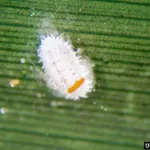
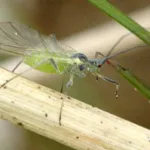
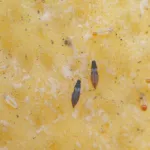
Watch for mealybugs, scale, and spider mites, especially on stressed or greenhouse-grown plants. Inspect areoles and the root zone regularly. Isolate affected specimens, remove light infestations with a cotton swab and alcohol where appropriate, and use a labeled cactus-safe treatment for persistent problems; avoid overwatering after treatment.
Related diseases and pests
Only Plant Doctor profiles whose host data indicate this plant may be affected are shown here.
Toxicity and pollen
No reliable species-specific human or pet toxicity assessment was identified. Do not treat the plant as edible or medicinal. The clearest exposure hazard is mechanical injury from spines and glochidia-like bristles may be present in some cactus material; keep it away from children and pets and use gloves when handling.
- Pollination / pollen
- Not sufficiently documented
Reliable species-specific information on airborne pollen production and allergy risk was not identified. As a cactus with insect-associated flowers, pollen exposure may be localized rather than broadly wind-dispersed, but insect pollination does not prove zero allergy risk. Avoid handling flowers if irritation occurs and consult a clinician for persistent symptoms.
Native habitat
The species is native to Mexico and occurs in dry shrubland or desert-associated vegetation. Natural populations occupy seasonally dry conditions where mineral or rocky soils drain rapidly and rainfall is concentrated rather than constant. Protection from prolonged saturation is therefore more important than maintaining high humidity.
Interesting fact
The epithet elephantidens means “elephant-toothed,” referring to the conspicuously broad tubercles. Kew recognizes Coryphantha elephantidens as an accepted species with several accepted infraspecific taxa. Older literature placed the plant under Mammillaria and Echinocactus names.
Frequently asked questions (FAQ)
The most relevant questions about this plant, with short and direct answers.
🌱Quick care
What is Coryphantha elephantidens called?⌄
Coryphantha elephantidens is commonly called Elephant's Tooth. It is a Mexican cactus in the Cactaceae family, also sometimes listed as Starry Ball Cactus.
How much light does Elephant's Tooth need?⌄
Give Elephant's Tooth full sun to bright filtered light. Acclimate it gradually to intense direct sun, especially after indoor growing, to reduce the risk of sunburn.
How often should I water Coryphantha elephantidens?⌄
Water Coryphantha elephantidens only after its potting mix has dried completely. Water thoroughly during active growth, then reduce watering substantially in winter or whenever the plant is cool and dormant.
What soil is best for Elephant's Tooth cactus?⌄
Use a gritty, mineral-heavy cactus mix that drains rapidly. A container with drainage holes is essential because waterlogged soil can quickly cause root rot.
Is Coryphantha elephantidens easy to grow indoors?⌄
Coryphantha elephantidens can grow indoors if it receives very bright light and excellent airflow. A sunny window or a suitable grow light is usually needed to prevent weak, stretched growth.
🌤️Environment and placement
Can Elephant's Tooth cactus grow outside in the United States?⌄
Elephant's Tooth can grow outdoors in warm, dry parts of the United States when protected from prolonged rain and frost. In colder areas, grow it in a container so it can be moved indoors for winter.
What temperatures can Coryphantha elephantidens tolerate?⌄
Coryphantha elephantidens prefers warm growing conditions and should be protected from frost. Keep it nearly dry during cool weather, because cold, wet soil greatly increases the risk of rot.
Can Elephant's Tooth cactus tolerate humidity?⌄
Elephant's Tooth tolerates ordinary indoor humidity when the soil drains quickly and air circulates well. High humidity combined with frequent watering or poor airflow can encourage rot and fungal problems.
Does Coryphantha elephantidens need a grow light?⌄
A grow light is useful when Coryphantha elephantidens cannot receive several hours of strong natural light. Position the light according to its output and monitor the plant for stretching or bleaching.
💧Care and problems
Why is my Coryphantha elephantidens turning soft?⌄
A soft or collapsing Coryphantha elephantidens is often suffering from overwatering or root rot. Stop watering, inspect the roots and stem, and repot only healthy tissue into completely dry, gritty mix.
Why is my Elephant's Tooth cactus shrinking?⌄
Some shrinking is normal when Elephant's Tooth uses stored water during dormancy. Severe or persistent wrinkling can indicate prolonged drought, damaged roots, or that the plant is not absorbing water properly.
Why is Coryphantha elephantidens turning yellow?⌄
Yellowing may result from excessive moisture, root damage, insufficient light, or natural aging. Check the roots and soil moisture before watering again, since yellowing with softness commonly indicates rot.
Why is my Elephant's Tooth cactus not growing?⌄
Elephant's Tooth may stop growing during winter, after repotting, or when temperatures and light are low. Resume watering gradually only when active growth, warmth, and dry soil are present.
What pests attack Coryphantha elephantidens?⌄
Coryphantha elephantidens can be affected by common cactus pests such as mealybugs, scale, spider mites, and root mealybugs. Inspect the woolly crown, crevices, and roots regularly, especially after acquiring a new plant.
How do I prevent root rot in Elephant's Tooth cactus?⌄
Prevent root rot by using a mineral, fast-draining mix, a pot with drainage, and a complete dry-out between waterings. Keep the plant especially dry during cool or low-light periods.
🪴Planting and repotting
What type of pot is best for Coryphantha elephantidens?⌄
Choose a pot with a drainage hole that is only slightly larger than the root system. Unglazed clay can help the mix dry faster, but any well-drained container can work with careful watering.
When should I repot Elephant's Tooth cactus?⌄
Repot Elephant's Tooth during warm active growth, preferably after the soil has dried. Repot when roots fill the container, drainage declines, or the existing mix has broken down, and keep the plant dry briefly afterward.
How deep should Coryphantha elephantidens be planted?⌄
Plant Coryphantha elephantidens at the same depth as it was previously growing, with the stem kept above the soil line. Do not bury the body or allow damp mix to remain against its base.
✂️Propagation and pruning
How do you propagate Coryphantha elephantidens?⌄
Coryphantha elephantidens is primarily propagated from seed, while offsets can be separated if the plant produces them. Allow any cut or separated surface to callus fully before placing it in dry, gritty medium.
Can Elephant's Tooth cactus be grown from seed?⌄
Yes, Elephant's Tooth cactus can be grown from seed in a sterile, very well-drained medium with warmth, light, and careful moisture. Seedlings are more vulnerable to drying and rot than mature plants, so watering must be controlled.
Can you propagate Coryphantha elephantidens from cuttings?⌄
Propagation from ordinary stem cuttings is not usually the simplest method because Coryphantha elephantidens is a compact, globular cactus. Seed or naturally produced offsets are generally more appropriate.
⚠️Toxicity and safety
Is Coryphantha elephantidens poisonous to cats or dogs?⌄
Species-specific toxicity information for Coryphantha elephantidens is limited or unclear. Treat it as a potentially hazardous plant because its spines can injure pets, children, and people handling it.
Does Elephant's Tooth cactus have spines?⌄
Yes, Elephant's Tooth cactus has spines and should be handled with thick gloves or cactus tongs. Fine wool or hairs near the crown may also be irritating even when they look soft.
Is Coryphantha elephantidens safe to touch?⌄
Coryphantha elephantidens is safe to touch only with appropriate protection, because its spines can puncture skin. Avoid pressing the plant with bare fingers and keep it away from high-traffic areas.
🌸Flowering and special interest
When does Coryphantha elephantidens bloom?⌄
Coryphantha elephantidens commonly blooms during the warmer growing season, although timing varies with climate, light, dormancy, and plant maturity. Some cultivated plants may flower in late summer or fall.
What color flowers does Elephant's Tooth cactus produce?⌄
Elephant's Tooth cactus can produce yellow flowers, while some forms or plants may have pinkish flowers. Flower color can vary among populations, forms, and plants sold under related names.
Why is my Coryphantha elephantidens not flowering?⌄
Lack of flowering is commonly linked to insufficient light, immature age, overwatering, or the absence of a cool, dry rest period. Provide strong light, seasonal dryness, and good growing conditions rather than increasing water.
How large do the flowers of Elephant's Tooth cactus get?⌄
The flowers are relatively large compared with the compact cactus body and emerge near the crown. Exact size and color vary among plants and recognized forms, so nursery specimens may not all look identical.
Similar plants
 Azure Monkshood (Aconitum carmichaelii) care guideAconitum carmichaelii
 Monkshood (Aconitum ‘Stainless Steel’)Aconitum 'Stainless Steel'
 Monkshood (Aconitum ‘Bressingham Spire’)Aconitum 'Bressingham Spire'
 Golden full moon maple (Acer shirasawanum ‘Aureum’)Acer shirasawanum 'Aureum'
 Globosum (Acer platanoides ‘Globosum’)Acer platanoides 'Globosum'
 Striped maple (Acer pensylvanicum) care guideAcer pensylvanicum