
 Source:
 Mammillaria vetula gracilis short overview
Mammillaria vetula gracilis is a small, clumping cactus from Mexico, valued for its slender cylindrical stems and dense white spines that give mature colonies a delicate, textured appearance. It is best grown in a very porous cactus mix with strong light, restrained watering and excellent airflow. In the United States, it is usually cultivated as an indoor or container plant because frost and winter moisture can cause serious damage.
Taxonomic classification
Mammillaria vetula gracilis care guide
Light and placement
Give the plant the brightest practical position: a south- or east-facing window, sunroom or greenhouse is suitable. Acclimate gradually before exposing it to intense direct summer sun, especially after indoor growth. Stretching, pale color and sparse spines indicate insufficient light; bleached patches or corking on the sun-facing side suggest excessive exposure or abrupt transition.
Watering and humidity
Water thoroughly only when the mix is fully dry, allowing excess water to drain away completely. During active growth, this may mean watering every few weeks depending on pot size, light and temperature; the calendar should not replace checking the substrate. Reduce watering sharply in fall and keep the plant nearly dry in a cool winter rest. Do not mist routinely.
Soil and growing medium
Use a very porous cactus substrate with abundant mineral grit, coarse sand, pumice or perlite. The mix should drain almost immediately and dry substantially between waterings. A slightly acidic to neutral reaction is suitable. Avoid dense potting soil, peat-heavy mixes and containers without drainage holes, since stagnant moisture can quickly damage the roots.
Feeding
Feed only during active spring and summer growth. Use a balanced or cactus fertilizer diluted to about one-quarter to one-half the label strength every four to six weeks. Do not fertilize dry, recently repotted, diseased or dormant plants. Avoid heavy nitrogen feeding, which can produce weak, elongated growth and reduce compact form.
Growth and habit
A slow-growing, perennial cactus that branches by producing offsets from the base and gradually forms a compact colony. Strong light helps maintain short, sturdy stems, while insufficient light can cause stretching. Remove dead offsets only when necessary and keep the clump open enough for inspection and airflow.
Planting and repotting
Plant outdoors only in frost-free conditions and a raised, sharply drained site. Set the root ball at its original depth; do not bury the stem base. For containers, use a gritty cactus mix and leave space around the clump for airflow. Establish with one light watering, then wait until the substrate dries.
Repot in spring or early summer, preferably when the plant is entering active growth. Move it into only a slightly larger pot with a drainage hole. Handle the clump with folded paper, gloves or tongs, keep the roots mostly undisturbed, and allow any damaged roots to dry before watering.
Propagation and pruning
Propagation
The easiest method is to root detached offsets. Remove a healthy offset with a clean tool, let the wound callus for several days, then place it on barely moist, gritty cactus mix in warm bright light. Seed propagation is possible but slower and less practical for routine home production.
Pruning
Routine pruning is unnecessary. Remove dead, diseased or severely damaged stems with a sterile blade, then keep the wound dry until callused. Do not cut healthy stems merely to control size; detached healthy offsets are better treated as propagation material.
Overwintering
Keep frost-free, bright and relatively cool in winter, ideally around 45–55°F if the plant remains dry. Stop routine watering during cool conditions and resume gradually in spring once growth and warmth return. Avoid placing the pot against a cold window or in a damp, poorly ventilated room.
Uses
Primarily an ornamental cactus for windowsills, conservatories, greenhouses, dish gardens and sheltered container displays. Its clumping form suits miniature desert gardens and cactus collections. It has no well-supported culinary or medicinal use for this exact taxon; handle as a spiny ornamental plant.
Appearance
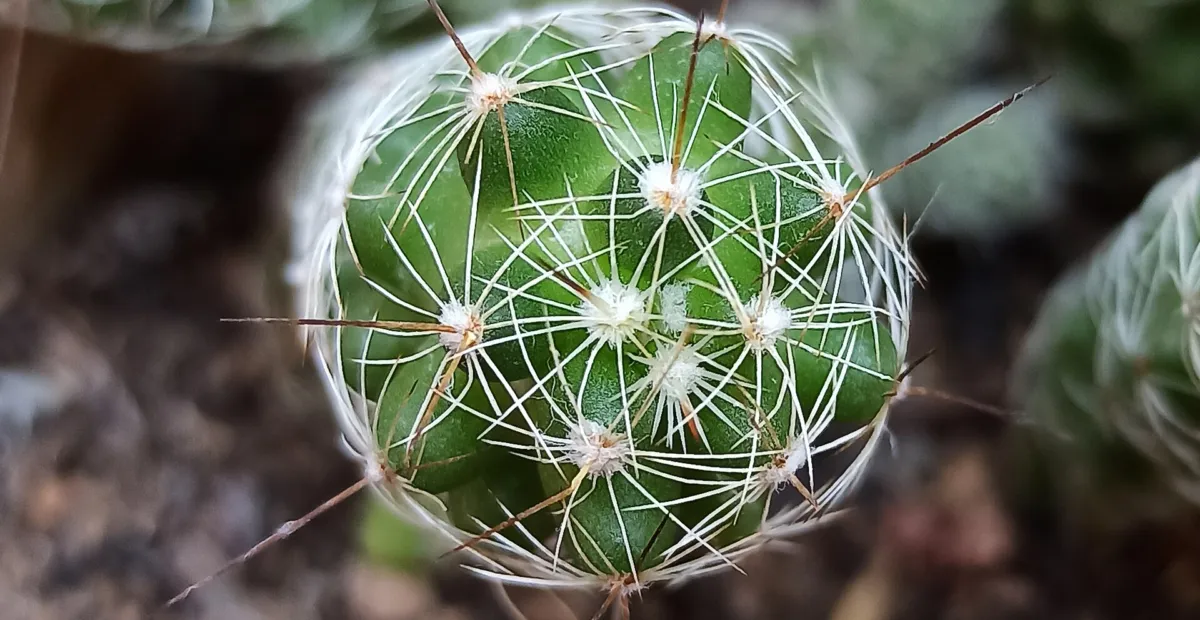
The plant forms a low clump of narrow cylindrical to short club-shaped stems. Each stem is divided into prominent tubercles bearing dense, hair-like white radial spines, giving the colony a pale, frosted texture. The stems may detach readily when handled, a characteristic that also makes offsets useful for propagation.
Flowering
Small flowers are produced in a ring near the upper part of mature stems, typically during the spring to early-summer growth period when plants receive strong light. Flowering is less reliable under dim indoor conditions or after a warm, wet winter without a cool rest. Exact flower timing varies with greenhouse conditions and latitude.
Pollination and visitors
Animal visitors and pollinators are not sufficiently documented for this exact subspecies. The small seasonal flowers may be visited opportunistically, but a reliable visitor group cannot be assigned without stronger taxon-specific evidence.
Mammillaria vetula gracilis photos
Click any photo for a larger view. Source, author and license are shown separately.
Diseases and pests
Diseases
The main risks are root or stem rot from wet, poorly drained soil and fungal problems encouraged by cool moisture. Use a porous mix, water only after drying, provide airflow and isolate affected plants. Remove badly rotted tissue with sterile tools and allow cuts to dry before re-rooting.
Pests
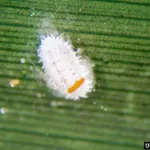
Watch for mealybugs, scale and spider mites, especially in crowded collections or stressed plants. Inspect stem bases and root areas when repotting. Remove small infestations with a cotton swab and suitable labeled treatment; improve light and airflow, and quarantine affected plants before pests spread.
Related diseases and pests
Only Plant Doctor profiles whose host data indicate this plant may be affected are shown here.
Toxicity and pollen
No authoritative evidence was found establishing this exact taxon as poisonous to people, dogs or cats. The principal hazard is mechanical injury from spines or glochidia-like fine structures, plus possible irritation if plant tissue or sap contacts sensitive skin. Prevent chewing, use careful handling and seek medical or veterinary advice after significant ingestion or injury.
- Typical season
- Spring to early summer when flowering occurs
- Pollination / pollen
- Flower pollen; limited airborne exposure expected
This cactus produces pollen when it flowers, but its flowers are small and the plant is not generally regarded as a major source of airborne pollen in the United States. Keep flowering plants away from sensitive individuals if symptoms occur, and avoid handling flowers unnecessarily during bloom.
Native habitat
The Mammillaria vetula complex is native to Mexico, where plants occur in dry shrubland and rocky, well-drained settings. The requested gracilis taxon is associated with warm seasonal conditions, mineral soils and pronounced drying between rainfall events. Container culture should imitate rapid drainage and a winter dry period rather than constantly humid soil.
Interesting fact
The taxon is frequently encountered in horticulture under the older name Mammillaria gracilis. Its slender stems readily form offsets, creating a colony-like clump. The common horticultural name “thimble cactus” is associated with the stem shape of Mammillaria vetula, but no local common name is assigned here to the exact requested taxon.
Frequently asked questions (FAQ)
The most relevant questions about this plant, with short and direct answers.
🌱Quick care
How do you care for Mammillaria vetula gracilis?⌄
Give Mammillaria vetula gracilis full sun to bright filtered light, use porous cactus soil, and water only after the mix dries completely. Keep it protected from frost and reduce or stop watering during its winter rest.
Is Mammillaria vetula gracilis easy to grow indoors?⌄
Yes, Mammillaria vetula gracilis is generally easy to grow indoors if it receives strong light and excellent drainage. A sunny window or supplemental grow light is usually better than a dim room.
How much light does Mammillaria vetula gracilis need?⌄
Mammillaria vetula gracilis prefers full sun or very bright direct light. If moving it from shade or a greenhouse, acclimate it gradually over about two weeks to reduce the risk of sunburn.
How often should you water Mammillaria vetula gracilis?⌄
Water Mammillaria vetula gracilis thoroughly, then wait until the soil is completely dry before watering again. During active growth this may be every couple of weeks indoors, but the interval varies with pot size, light, temperature, and soil.
Should Mammillaria vetula gracilis be watered in winter?⌄
Usually, no: keep Mammillaria vetula gracilis dry during its cool winter rest. Water only if the plant is severely shriveling and conditions are warm enough for the soil to dry quickly.
🌤️Environment and placement
Can Mammillaria vetula gracilis grow in full sun?⌄
Yes, established Mammillaria vetula gracilis can grow in full sun, but plants moved suddenly from low light may scorch. Increase sun exposure gradually, especially before hot summer conditions.
Can Mammillaria vetula gracilis grow in shade?⌄
Mammillaria vetula gracilis can tolerate moderate shade, but insufficient light may cause elongated, weak stems and less attractive growth. Bright filtered light is a safer minimum indoors than a dark or north-facing location.
What temperature is best for Mammillaria vetula gracilis?⌄
Mammillaria vetula gracilis grows well in warm conditions and benefits from a cooler, dry winter rest. Protect it from frost; although some references report brief tolerance near 20°F, container plants are safer indoors before freezing weather.
Can Mammillaria vetula gracilis stay outside year-round?⌄
Only in locations with mild, frost-free winters and sharply draining soil. In most of the United States, grow Mammillaria vetula gracilis in a container and bring it indoors before frost or prolonged cold, wet weather.
What window is best for Mammillaria vetula gracilis indoors?⌄
A south- or west-facing window is usually best for Mammillaria vetula gracilis because it provides strong light. In lower-light homes, use a cactus-appropriate grow light to prevent stretched growth.
💧Care and problems
Why is my Mammillaria vetula gracilis turning yellow?⌄
Yellowing often indicates excess moisture or stressed roots rather than a need for more water. Check that the soil dries completely, confirm the pot has a drainage hole, and inspect the roots for softness or rot.
Why is Mammillaria vetula gracilis becoming tall and stretched?⌄
Stretching, pale color, and wider gaps between spines usually mean Mammillaria vetula gracilis needs more light. Move it gradually to a brighter location, but understand that already-stretched stems will not return to their original shape.
Why is my Mammillaria vetula gracilis falling apart?⌄
Mammillaria vetula gracilis naturally forms detachable offsets, so some pieces may separate as the clump develops. However, soft, dark, or wet pieces suggest rot and should be removed rather than replanted immediately.
How do you treat root rot on Mammillaria vetula gracilis?⌄
Unpot the cactus, cut away soft or dark roots and stems with a sterile blade, and let healthy tissue dry before repotting in fresh gritty mix. Do not water until the plant has recovered and the new soil is fully dry.
What pests attack Mammillaria vetula gracilis?⌄
Mealybugs and other small sap-feeding pests can hide among the dense spines and offsets. Inspect the plant regularly under bright light and isolate it promptly if you find cottony residue, scale-like bumps, or unexplained decline.
Does Mammillaria vetula gracilis need fertilizer?⌄
Mammillaria vetula gracilis can grow without frequent fertilizer because it is slow-growing and adapted to lean soil. If you fertilize, use a dilute cactus fertilizer during active growth and avoid feeding dry, dormant, or recently repotted plants.
🪴Planting and repotting
What soil is best for Mammillaria vetula gracilis?⌄
Use a porous cactus mix amended with mineral grit, pumice, or perlite so water drains rapidly. The mix should not remain wet around the roots after watering.
What type of pot does Mammillaria vetula gracilis need?⌄
Choose a pot with a drainage hole that is only slightly larger than the root system. Unglazed terracotta can help the soil dry faster, while plastic pots require especially careful watering.
When should you repot Mammillaria vetula gracilis?⌄
Repot Mammillaria vetula gracilis when it outgrows its container, the soil has degraded, or drainage has declined, commonly about every two to three years. Repot into dry mix and wait several days before watering.
How do you repot Mammillaria vetula gracilis without getting hurt?⌄
Handle Mammillaria vetula gracilis with folded newspaper, thick gloves, or cactus tongs rather than bare hands. Lift the container from underneath and avoid gripping the clustered stems, which can detach easily.
How big does Mammillaria vetula gracilis get?⌄
Individual stems are typically several inches long, and the plant forms a low clump that may reach roughly 3 to 6 inches tall and 4 to 5 inches wide in cultivation. Larger colonies can spread as offsets develop.
✂️Propagation and pruning
How do you propagate Mammillaria vetula gracilis from offsets?⌄
Gently separate a healthy offset, allow any broken area to callus for several days, then place it on dry, gritty cactus mix. Begin light watering only after roots have started or the offset shows stable attachment.
Can detached pieces of Mammillaria vetula gracilis be planted?⌄
Yes, healthy detached offsets usually root readily because this cactus naturally produces pieces that separate from the clump. Let the detached base dry and callus before setting it on well-drained soil.
What is the best time to propagate Mammillaria vetula gracilis?⌄
Spring through early summer is generally the best propagation period because warmth and increasing light support rooting. Avoid starting offsets in cold, damp soil during the winter rest.
Can Mammillaria vetula gracilis be grown from seed?⌄
Yes, Mammillaria vetula gracilis can be propagated from seed, although offsets are usually faster and easier for home growers. Seeds need warmth, light, and carefully controlled moisture rather than the dry treatment used for mature plants.
Does Mammillaria vetula gracilis need pruning?⌄
Routine pruning is not needed. Remove only dead, diseased, damaged, or severely stretched stems with a clean tool, allowing cut surfaces to dry before keeping the plant in dry soil.
⚠️Toxicity and safety
Is Mammillaria vetula gracilis poisonous to cats or dogs?⌄
The toxicity of Mammillaria vetula gracilis is not clearly established, so do not allow pets to chew it. Its spines create a definite physical injury risk even if poisoning is not documented.
Are Mammillaria vetula gracilis spines dangerous?⌄
Yes, the fine white spines can puncture skin and may be difficult to remove. Keep the plant away from children and pets, and use gloves or a barrier when repotting or separating offsets.
Can you touch Mammillaria vetula gracilis?⌄
Avoid touching Mammillaria vetula gracilis with bare hands because its spines can cause painful punctures. Handle the pot, use folded paper or gloves, and never squeeze the stems to move the plant.
🌸Flowering and special interest
When does Mammillaria vetula gracilis bloom?⌄
Mammillaria vetula gracilis commonly produces small yellow, funnel-shaped flowers in spring or during the warmer growing season. Blooming is more likely when the plant receives strong light and a cool, dry winter rest.
What color are Mammillaria vetula gracilis flowers?⌄
The flowers are usually light yellow to yellow, often with a pinkish or brownish stripe through the center of the petals. They are small and may form a ring near the top of the stems.
Why is my Mammillaria vetula gracilis not flowering?⌄
The most common reasons are insufficient light, immature growth, excess winter watering, or the lack of a cool, dry dormant period. Improve light and keep the plant dry through winter without exposing it to frost.
How do you encourage Mammillaria vetula gracilis to flower?⌄
Give it strong light during the growing season, use a porous mix, and provide a cool, dry winter rest. Avoid frequent winter watering, which can interfere with dormancy and increase the risk of rot.
Similar plants
 Azure Monkshood (Aconitum carmichaelii) care guideAconitum carmichaelii
 Monkshood (Aconitum ‘Stainless Steel’)Aconitum 'Stainless Steel'
 Monkshood (Aconitum ‘Bressingham Spire’)Aconitum 'Bressingham Spire'
 Golden full moon maple (Acer shirasawanum ‘Aureum’)Acer shirasawanum 'Aureum'
 Globosum (Acer platanoides ‘Globosum’)Acer platanoides 'Globosum'
 Striped maple (Acer pensylvanicum) care guideAcer pensylvanicum