
 Source:
 Mammillaria albiflora short overview
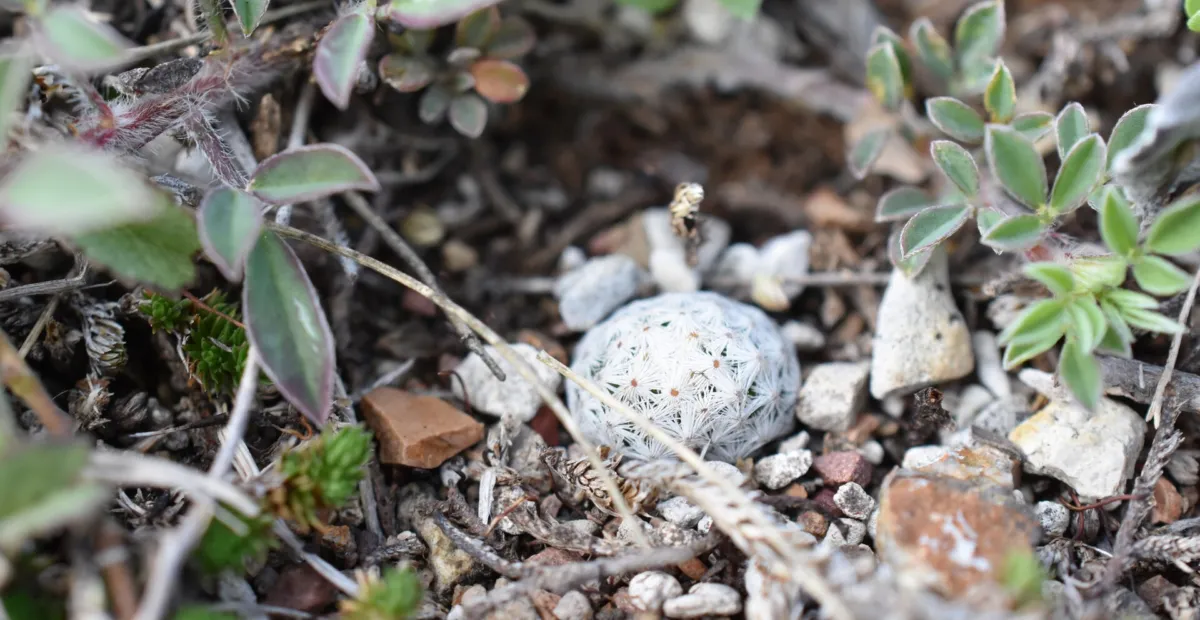
Mammillaria albiflora is a rare, miniature cactus from northeastern Mexico, usually growing as a solitary, narrow cylindrical body hidden beneath a striking coat of interwoven white spines. In cultivation it rewards intense light, rapid drainage, sparse summer watering, and a completely dry winter rest. Its white to faintly pink flowers are unusually large for such a small plant, but reliable flowering depends on strong light and careful seasonal care.
Taxonomic classification
Mammillaria albiflora care guide
Light and placement
Give the brightest practical exposure, ideally several hours of direct sun through a south- or southeast-facing window or in a greenhouse. Acclimate gradually when moving outdoors to prevent scorch. Too little light causes pale, stretched growth and poor flowering; excessive heat behind glass can cause sunburn if airflow is poor or the plant was not acclimated.
Watering and humidity
Water thoroughly only after the mix has dried completely, then let excess drain away. During active growth, the interval may be several weeks depending on pot size, heat, and airflow; do not follow a fixed calendar. Reduce watering sharply in fall and keep the plant nearly or completely dry in winter, especially below about 50°F. Humid air is less important than ventilation.
Soil and growing medium
Use a very open, predominantly mineral cactus substrate with rapid drainage and no standing water. Grit, pumice, lava rock, or coarse perlite should make up a substantial portion of the mix. Published cultivation advice conflicts on limestone and water chemistry, so avoid strongly alkaline amendments unless the plant’s provenance and response are known. A slightly acidic to neutral root-zone reaction is a cautious general target.
Feeding
Feed only during active growth, typically in spring and summer, using a cactus fertilizer diluted to about half the label strength and preferably low in nitrogen. Apply to already-moist soil rather than bone-dry roots. Stop feeding in late summer or early fall so growth can mature before the dry winter rest; never fertilize a dormant or stressed plant.
Growth and habit
This is a slow-growing, usually solitary cactus that can remain compact for many years. Its small size makes precise watering and pest inspection important: a minor wetness problem can affect the entire plant quickly. Avoid encouraging soft, elongated growth with excess fertilizer or insufficient light.
Planting and repotting
Plant after the danger of cold, wet weather has passed, setting the stem at its original depth rather than burying the body. Leave the crown dry and keep the plant sheltered from prolonged rain while it establishes. Space specimens far enough apart for airflow and access, although solitary plants generally need little ground area.
Repot in spring or early summer only when the mix is dry. Handle the plant with thick gloves or folded paper, inspect roots for rot, remove damaged tissue, and allow any wounds to dry before returning it to a dry mineral mix. Use a small pot with a drainage hole; oversized containers stay wet too long.
Propagation and pruning
Propagation
Propagate primarily from seed; grafting may be used by specialist growers for difficult or slow seedlings. Sow in a sterile, very gritty mix during warm, bright conditions and keep seedlings evenly but lightly moist until established, then increase drying intervals. Because the species is rare in habitat, use legally propagated material and never collect wild plants.
Pruning
No routine pruning is needed. Remove only dead, diseased, or irreparably damaged tissue with a sterile tool. Do not cut healthy spines or reshape the plant; wounds should remain dry and well ventilated until callused.
Overwintering
Keep completely dry or nearly dry in a bright, cool, well-ventilated space through winter. Protect from temperatures below roughly 27°F, and avoid combining cold with wet roots. In colder U.S. climates, overwinter indoors or in a heated, frost-free greenhouse; resume watering gradually in spring when growth begins.
Uses
A specialist ornamental for mineral cactus collections, greenhouse benches, windowsills, and protected xeric displays. Its conservation status makes nursery-propagated plants preferable to wild-collected material. It has no well-supported culinary or medicinal use in the reviewed sources.
Appearance
The plant is recognized by its very small, somewhat cylindrical body, small tubercles, bare axils, and absence of a central spine. Approximately 60–80 short white radial spines overlap and interlace so densely that they conceal much of the green stem. Plants are generally solitary, although clustering can occur in cultivation.
Flowering
Flowers arise from the upper areolar region in a ring and are white, sometimes showing a faint pinkish tint. They are relatively large compared with the plant body, reaching roughly 1.4 inches long and about 1 inch across in reported descriptions. Strong light is important for compact growth and flowering; exact flowering timing varies with climate and cultivation.
Pollination and visitors
Species-specific pollinator records were not found in the reviewed authoritative sources. The flowers may receive small insects, as is common among many cacti, but no visitor group is assigned here without direct documentation.
Mammillaria albiflora photos
Click any photo for a larger view. Source, author and license are shown separately.
Diseases and pests
Diseases
The main risk is root or stem rot from wet soil, cool moisture, or poor airflow. Keep the substrate dry during dormancy, use a porous mix, and isolate plants showing soft, darkened tissue. Remove rot with a sterile tool and allow the wound to dry before replanting; severe cases may not recover.
Pests
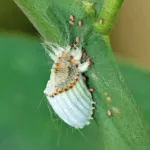
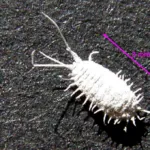
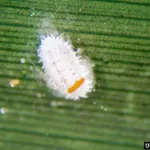
Watch for mealybugs, scale, and root-feeding insects, especially in sheltered collections. Inspect areoles, the root collar, and pot edges regularly. Remove small infestations with a targeted cotton swab treatment or an appropriate labeled product, while avoiding unnecessary broad-spectrum spraying and keeping the plant dry after treatment.
Related diseases and pests
Only Plant Doctor profiles whose host data indicate this plant may be affected are shown here.
Toxicity and pollen
No species-specific toxic principle was located in the reviewed sources. General Mammillaria guidance from a U.S. extension source describes the genus as non-toxic to humans and pets, but this should not be treated as a species-specific toxicology study. The practical hazard is mechanical injury from sharp spines; keep away from children and pets and seek medical or veterinary advice after ingestion or puncture.
- Pollination / pollen
- Unknown; likely insect-associated pollen release
Mammillaria albiflora is an insect-pollinated flowering cactus, but reliable species-specific information on pollen quantity, dispersal, and U.S. airborne allergy exposure was not found. Do not assume zero allergy risk solely because flowers are animal-pollinated; people with severe pollen sensitivity should avoid direct contact with flowers and monitor personal symptoms.
Native habitat
The species is native to northeastern Mexico, with the recorded range extending from Guanajuato toward San Luis Potosí. It occurs in desert or dry shrubland settings, where rapid drainage, intense light, seasonal dryness, and mineral soils shape its ecology. Wild populations are considered highly vulnerable, making conservation-aware cultivation important.
Interesting fact
The species was first described as a variety of Mammillaria herrerae before being recognized as distinct. Its name refers to its white flowers. The body is usually solitary and lacks a central spine, while the numerous radial spines form a dense white covering. The fruit is partly hidden among the spines but remains exposed outside the plant body.
Frequently asked questions (FAQ)
The most relevant questions about this plant, with short and direct answers.
🌱Quick care
What is Mammillaria albiflora?⌄
Mammillaria albiflora is a small, slow-growing cactus in the Cactaceae family and the Mammillaria, or pincushion cactus, genus. It is native to dry regions of Mexico and is regarded as a specialized, somewhat challenging species in cultivation.
How much light does Mammillaria albiflora need?⌄
Mammillaria albiflora needs full sun or several hours of strong direct light each day. Acclimate it gradually to intense sun to prevent scorching, especially after growing indoors or in a greenhouse.
How often should I water Mammillaria albiflora?⌄
Water Mammillaria albiflora thoroughly only after its gritty soil has dried completely. Water much less during winter dormancy, and keep the plant dry in cold conditions.
What is the best soil for Mammillaria albiflora?⌄
Use a very gritty, fast-draining mineral cactus mix with little organic material. Avoid peat-heavy or moisture-retentive potting soil because this species is especially vulnerable to overwatering and root rot.
🌤️Environment and placement
Can Mammillaria albiflora grow indoors?⌄
Mammillaria albiflora can grow indoors beside the brightest available window, preferably with supplemental grow lighting if it becomes stretched or pale. Provide excellent airflow and keep it away from persistently humid, poorly ventilated locations.
Can Mammillaria albiflora grow outdoors in the United States?⌄
It can grow outdoors year-round only in warm, dry locations where frost and prolonged wet weather are unlikely. In most of the United States, grow it in a container so it can be protected from cold and rain.
What USDA zones are suitable for Mammillaria albiflora?⌄
Mammillaria albiflora is best treated as a frost-tender cactus in the United States rather than assigned a guaranteed outdoor hardiness zone. Growers in warm USDA Zones 9–11 may keep it outdoors with protection, but local winter moisture and frost risk still matter.
What temperature does Mammillaria albiflora need in winter?⌄
Give Mammillaria albiflora a cool, bright, dry winter rest, ideally around 45–55°F. Protect it from frost and avoid watering when the plant is cold.
Does Mammillaria albiflora need high humidity?⌄
No, Mammillaria albiflora prefers dry air and strong ventilation rather than high humidity. Humid, stagnant conditions increase the risk of fungal problems and rot, particularly when the soil is wet.
💧Care and problems
Why is my Mammillaria albiflora turning soft?⌄
A soft or collapsing Mammillaria albiflora most often indicates excess moisture, poor drainage, or root rot. Stop watering, inspect the roots, and improve the mineral content, drainage, and airflow before watering again.
Why is my Mammillaria albiflora stretching?⌄
Stretching usually means Mammillaria albiflora is not receiving enough intense light. Move it gradually into stronger direct light and use a grow light indoors if a sunny window is insufficient.
Why is my Mammillaria albiflora shriveling?⌄
Some shriveling is normal during a dry winter rest, when the plant may lose noticeable stored water. During active growth, severe or persistent shriveling can indicate that the roots are damaged or the plant has remained dry too long.
Should I fertilize Mammillaria albiflora?⌄
Fertilize sparingly during active spring or summer growth with a diluted cactus fertilizer. Do not fertilize a dormant, stressed, recently repotted, or root-damaged plant.
How do I prevent root rot in Mammillaria albiflora?⌄
Prevent root rot by using a pot with a drainage hole, a predominantly mineral mix, thorough but infrequent watering, and complete drying between waterings. Keep the plant dry during cold winter conditions.
How do I know if white material on Mammillaria albiflora is natural or mealybugs?⌄
Dense, evenly distributed white spines or wool that are firmly attached are usually natural features of the cactus. Mealybugs appear as irregular cottony clusters, especially in crevices or around the roots, and may move or leave sticky residue.
🪴Planting and repotting
When should I repot Mammillaria albiflora?⌄
Repot Mammillaria albiflora in spring or early in its active growing season, preferably only when the roots have filled the container or the soil has degraded. Handle it carefully, replace wet or compacted mix, and allow damaged roots to dry before watering.
What type of pot is best for Mammillaria albiflora?⌄
Use a small pot with a drainage hole, sized only slightly larger than the root system. Unglazed clay can help the mix dry faster, while plastic or glazed pots are also suitable if watering is adjusted carefully.
Should I add limestone to Mammillaria albiflora soil?⌄
A small amount of limestone or another suitable mineral amendment may be beneficial, but it is not a substitute for excellent drainage. Avoid making the mix strongly alkaline or adding large quantities without a reason.
✂️Propagation and pruning
How do you propagate Mammillaria albiflora?⌄
Seed propagation is the most dependable method for Mammillaria albiflora because the species usually produces few or no offsets. Sow fresh seed in a sterile, gritty medium and provide warmth, light, and controlled moisture without waterlogging.
Can Mammillaria albiflora be propagated from offsets?⌄
Mammillaria albiflora can sometimes be propagated from an offset if one develops, but offsets are not considered its usual or most reliable propagation method. Let any detached offset callus fully before placing it on dry, gritty mix.
Can I cut the top off Mammillaria albiflora to propagate it?⌄
Cutting the top is generally not recommended for a small, slow-growing Mammillaria albiflora unless there is severe rot or irreparable damage. The cut surface must be allowed to callus completely, and success is less predictable than growing from seed.
⚠️Toxicity and safety
Is Mammillaria albiflora poisonous to cats or dogs?⌄
There is no confirmed species-specific toxicity information indicating that Mammillaria albiflora is poisonous to cats or dogs. Its spines can injure mouths, paws, or skin, so keep it away from pets and children.
How should I handle Mammillaria albiflora safely?⌄
Handle Mammillaria albiflora with thick gloves, folded newspaper, tongs, or a cactus tool rather than bare hands. Avoid squeezing the stem, because pressure can break spines or damage the plant.
🌸Flowering and special interest
When does Mammillaria albiflora flower?⌄
Mammillaria albiflora commonly flowers after a cool, dry winter rest when strong light and active spring growth return. Exact timing varies with latitude, greenhouse conditions, plant age, and the quality of its dormancy.
What color are Mammillaria albiflora flowers?⌄
Mammillaria albiflora produces white flowers that may show a faint pinkish tint under favorable conditions. The flowers typically form a ring or partial ring near the top of the stem.
Why is my Mammillaria albiflora not flowering?⌄
Insufficient light, overwatering, excessive winter warmth, or the absence of a cool dry rest can prevent flowering. Provide maximum safe light, allow a genuine winter dormancy, and avoid pushing soft growth with frequent water or fertilizer.
Does Mammillaria albiflora need a winter rest to bloom?⌄
A cool, dry winter rest strongly helps Mammillaria albiflora flower and maintain healthy compact growth. Keep it bright and protected from frost, with little or no water while temperatures are low.
Similar plants
 Azure Monkshood (Aconitum carmichaelii) care guideAconitum carmichaelii
 Monkshood (Aconitum ‘Stainless Steel’)Aconitum 'Stainless Steel'
 Monkshood (Aconitum ‘Bressingham Spire’)Aconitum 'Bressingham Spire'
 Golden full moon maple (Acer shirasawanum ‘Aureum’)Acer shirasawanum 'Aureum'
 Globosum (Acer platanoides ‘Globosum’)Acer platanoides 'Globosum'
 Striped maple (Acer pensylvanicum) care guideAcer pensylvanicum