
 Source:
 Campanula garganica short overview
Campanula garganica is a compact perennial bellflower from southeastern Italy and western Greece. It forms a low, spreading mat of small, toothed leaves and is covered in lilac-blue, star-shaped flowers in early summer. In U.S. gardens, it is especially useful for rock gardens, stone walls, edging, troughs, and containers. Plant it in sun or light partial shade with moisture-retentive but sharply draining soil, and avoid winter waterlogging.
Taxonomic classification
Campanula garganica care guide
Light and placement
Grow in full sun to partial shade. In cooler regions, an east-, south-, or west-facing position with several hours of direct light supports compact growth and flowering. In hot inland climates, protect from harsh late-afternoon sun. Excess shade causes sparse flowering and stretched growth; intense heat combined with dry soil can scorch foliage.
Watering and humidity
Water deeply when the upper inch of soil begins to dry, allowing excess water to drain completely. Keep plants moderately and evenly moist during establishment and flowering, then adjust to rainfall. Container plants dry faster and need more frequent checks. Avoid frequent shallow watering and especially avoid water standing around the crown in winter.
Soil and growing medium
Use a gritty, sharply draining soil containing loam, sand, or fine gravel. The species tolerates acid, neutral, and alkaline conditions, but drainage is more important than a narrow pH target. In heavy clay, plant on a raised mound or amend deeply with mineral material rather than leaving roots in winter-saturated soil.
Feeding
Feed lightly in spring with a balanced, slow-release fertilizer or a thin layer of mature compost around—not over—the crown. Avoid heavy nitrogen applications, which can produce soft foliage and fewer flowers. Do not fertilize drought-stressed, newly divided, or winter-dormant plants.
Growth and habit
This perennial develops a cushion-like, mat-forming habit rather than tall flowering stems. It works best where the crown can remain open and dry enough between rains. Divide or renew crowded plants when the center becomes thin, and avoid combining it with vigorous groundcovers that may overrun the mat.
Planting and repotting
Plant in spring or early fall, setting the crown at soil level rather than burying it. Space plants about 8–12 inches apart to allow the mat to knit together. Water regularly during the first growing season, then reduce irrigation once established if rainfall is adequate.
Repot container plants in spring when roots fill the pot. Move the plant into a slightly larger, shallow container with a gritty, well-drained mix. Handle the root ball carefully and water once after planting; thereafter allow the surface to dry slightly between thorough waterings.
Propagation and pruning
Propagation
Sow seed in a well-drained medium; do not cover heavily because Campanula seed is fine. Softwood cuttings are also documented. Take healthy nonflowering shoots in late spring or early summer, keep them evenly moist, and provide bright filtered light while rooting.
Pruning
No routine pruning is required. Remove spent flowers and damaged foliage for tidiness, then cut back only dead or untidy material after the main flowering period. Avoid cutting into a wet crown during autumn.
Overwintering
The plant is reported hardy in cold climates, but winter wet can cause losses. Keep it in sharply drained soil, avoid heavy autumn mulch over the crown, and use a light gravel mulch if needed. In containers, elevate pots, ensure drainage holes remain clear, and shelter from repeated freeze-thaw saturation.
Uses
Use as a rock-garden, gravel-garden, wall-crevice, edging, groundcover, or container perennial. Its compact habit suits troughs and small urban gardens. It has no verified culinary or medicinal use established here; do not consume it based on unconfirmed genus-level claims.
Appearance
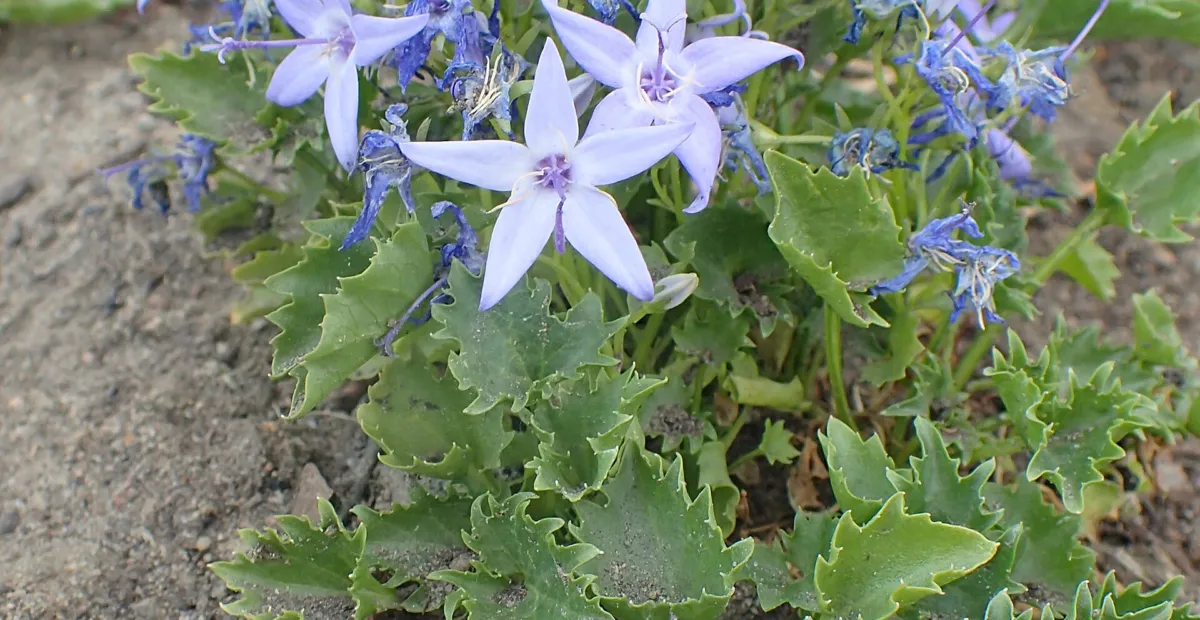
A low cushion or mat of small, heart-shaped to ovate green leaves forms the main identifying feature. The leaf margins are toothed, and slender flowering stems rise only slightly above the foliage. Numerous five-pointed lilac-blue flowers create a dense, starry surface during bloom.
Flowering
The flowers are open, star-shaped and lilac-blue, appearing in dense displays over a low mat. Normal U.S. garden flowering is concentrated from late spring into summer, although timing varies with climate, elevation, and container culture. Removing spent flowers can improve appearance and may encourage additional bloom.
Pollination and visitors
Campanula flowers are commonly associated with insect visitation, especially bees in documented Campanula research, but a species-specific visitor record for Campanula garganica was not confirmed in the reviewed sources. The pollinator card is therefore left unpopulated rather than extrapolated.
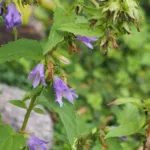
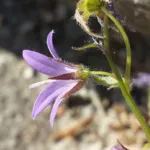
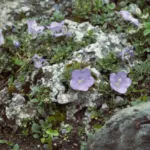
Campanula garganica photos
Click any photo for a larger view. Source, author and license are shown separately.
Diseases and pests
Diseases
Powdery mildew can develop where foliage stays crowded, shaded, or poorly ventilated. Improve air circulation, water at the soil surface, and remove badly affected leaves. Avoid persistently wet soil, which can contribute to crown or root problems.
Pests
Slugs and snails may chew young foliage and flowers, especially in damp beds. Reduce hiding places, keep the crown from staying wet, and inspect plants at night. Use barriers or other proportionate controls if damage is persistent.
Related diseases and pests
Only Plant Doctor profiles whose host data indicate this plant may be affected are shown here.
Toxicity and pollen
No species-specific poisoning reports or authoritative toxicity assessment were located in the reviewed sources. Do not present this as proven edible or definitively nontoxic. Prevent children and pets from eating ornamental plants, and seek medical or veterinary advice if substantial ingestion causes symptoms.
- Typical season
- Late spring through summer where plants are flowering
- Pollination / pollen
- Insect-carried pollen
The flowers are insect-pollinated, so pollen is not generally dispersed as a large airborne cloud. However, species-specific aeroallergen studies and U.S. exposure data were not located; sensitive individuals should avoid handling flowers if symptoms occur.
Native habitat
The species is native to southeastern Italy and western Greece, where it is associated with temperate Mediterranean conditions. In cultivation it favors open, rocky or gravelly sites with excellent drainage and sufficient moisture during active growth. Winter wet is usually more damaging than cold alone.
Interesting fact
The species is accepted by Kew under the name Campanula garganica Ten. Its native range is restricted to southeastern Italy and western Greece. It is unusually useful in small spaces because its flower display rises only a few inches above a spreading foliage mat. The open starry corollas distinguish it from many bell-shaped Campanula relatives.
Frequently asked questions (FAQ)
The most relevant questions about this plant, with short and direct answers.
🌱Quick care
How do you care for Campanula garganica?⌄
Grow Campanula garganica in sun to partial shade, moderately water it to keep the soil evenly moist, and provide excellent drainage. It is a low-maintenance perennial when protected from soggy winter soil.
Is Campanula garganica a perennial?⌄
Yes, Campanula garganica is a mat-forming herbaceous perennial. It can return each year when grown in suitable light and well-drained soil.
How big does Campanula garganica get?⌄
Campanula garganica usually grows about 4–6 inches tall and can spread roughly 6–20 inches wide. Its trailing stems form a low cushion or mat over time.
🌤️Environment and placement
Does Campanula garganica need full sun?⌄
Campanula garganica grows in full sun or partial shade, but it generally flowers most freely with plenty of light. In hot climates, afternoon shade can help reduce stress and leaf scorching.
Can Campanula garganica grow in shade?⌄
Campanula garganica tolerates partial shade but may produce fewer flowers in deep shade. Choose a bright location with morning sun or filtered light if summers are hot.
What soil is best for Campanula garganica?⌄
The best soil is gritty, loose, and well drained, such as loam amended with sand, gravel, or fine grit. It can tolerate neutral, acidic, or calcareous soil provided excess water drains quickly.
Can Campanula garganica grow in a rock garden?⌄
Yes, Campanula garganica is well suited to rock gardens, gravel beds, crevices, and stone walls. These sites provide the sharp drainage the plant needs, especially during winter.
Can Campanula garganica grow between paving stones?⌄
Yes, it can grow in narrow, well-drained crevices between stones or along walls. Avoid locations where water collects or where foot traffic will crush its spreading stems.
Is Campanula garganica hardy in winter?⌄
Campanula garganica is generally frost hardy when planted in sharply draining soil. Winter wet is more likely to cause losses than ordinary cold, so raise the planting area or use gravel in heavy soil.
Can Campanula garganica grow in containers?⌄
Yes, Campanula garganica grows well in containers, troughs, and shallow alpine pots. Use a container with drainage holes and a gritty potting mix rather than water-retentive soil.
💧Care and problems
How often should you water Campanula garganica?⌄
Water Campanula garganica when the soil surface begins to dry, keeping the root zone evenly moist but not soggy. Established plants usually need additional water mainly during prolonged spring or summer drought.
Why is my Campanula garganica not flowering?⌄
Insufficient light, excessive shade, drought, or poor drainage can reduce flowering in Campanula garganica. Move or thin surrounding plants if needed, and keep the soil moderately moist while the plant is actively growing.
Why is Campanula garganica turning brown or dying?⌄
Brown or declining growth is often linked to drought, waterlogged soil, root damage, or winter wet. Check drainage first, then remove dead growth and adjust watering to keep the soil moist but not saturated.
Does Campanula garganica need fertilizer?⌄
Campanula garganica usually needs little fertilizer when grown in reasonably fertile soil. If growth is weak, apply a balanced, general-purpose fertilizer in spring according to the product label.
What pests attack Campanula garganica?⌄
Slugs and snails are the main commonly reported pests of Campanula garganica. Check plants at night or after rain and reduce damp hiding places around the foliage.
Is Campanula garganica susceptible to disease?⌄
Campanula garganica can be affected by powdery mildew, particularly in crowded, dry, or poorly ventilated conditions. Improve air circulation, water at the soil line, and avoid persistently stressed plants.
Does Campanula garganica spread aggressively?⌄
Campanula garganica can gradually form broad mats and may need division to control its size. It is not the same species as creeping bellflower, Campanula rapunculoides, which is the more notorious weedy campanula.
🪴Planting and repotting
When should you plant Campanula garganica?⌄
Plant Campanula garganica in spring after the risk of severe frost has passed or in early fall while the soil is still workable. Spring planting is preferable in areas with harsh winters or very wet fall conditions.
How far apart should Campanula garganica be planted?⌄
Space Campanula garganica about 9–12 inches apart for a continuous mat, or farther apart if you want individual cushions. Adjust spacing according to the desired coverage and the cultivar’s mature spread.
How do you plant Campanula garganica in heavy clay soil?⌄
Improve heavy clay by creating a raised or mounded planting area and mixing in coarse grit or gravel to improve drainage. Do not place the crown below the surrounding soil level, because trapped winter moisture can cause rot.
How do you repot Campanula garganica?⌄
Repot Campanula garganica when roots fill the container or the plant becomes crowded, preferably in spring. Move it into only a slightly larger pot filled with a gritty, well-drained mix and water it in thoroughly.
✂️Propagation and pruning
How do you propagate Campanula garganica?⌄
Campanula garganica can be propagated by seed, softwood or basal cuttings, and division. Division is usually the simplest method for an established plant, while cuttings preserve the characteristics of a selected cultivar.
Can you grow Campanula garganica from seed?⌄
Yes, Campanula garganica can be grown from seed sown in containers. Alpine campanula seed may benefit from exposure to cool conditions, and seedlings should be kept evenly moist without waterlogging.
When should you divide Campanula garganica?⌄
Divide Campanula garganica in spring or fall once the plant is established and actively growing. Replant the divisions promptly in gritty soil and keep them moderately moist while new roots develop.
Can Campanula garganica be propagated from cuttings?⌄
Yes, softwood or basal cuttings can be used to propagate Campanula garganica. Take healthy young shoots in spring or early summer and root them in a clean, free-draining propagation medium.
Should Campanula garganica be pruned?⌄
Campanula garganica does not require routine pruning. Remove faded flowers and trim away damaged or untidy stems to maintain a neat mat and potentially encourage additional blooms.
⚠️Toxicity and safety
Is Campanula garganica toxic to people or pets?⌄
The toxicity of Campanula garganica is unconfirmed because no species-specific assessment was located. Prevent children and pets from eating unfamiliar plant material, and contact a poison-control or veterinary professional if ingestion causes symptoms.
🌸Flowering and special interest
When does Campanula garganica bloom?⌄
Campanula garganica generally blooms in late spring or summer, with timing varying by climate and growing conditions. Flowers are commonly blue to lilac and have a distinctive star-like form.
How do you keep Campanula garganica flowering longer?⌄
Deadhead faded flowers and maintain even moisture during active growth to help Campanula garganica continue blooming. Adequate sunlight and excellent drainage are also important for a strong floral display.
What color flowers does Campanula garganica have?⌄
The species typically produces blue, violet-blue, or lilac star-shaped flowers. Cultivars may vary in flower color, so check the plant label when a specific shade matters.
Is Campanula garganica good for pollinators?⌄
Campanula garganica’s open flowers can provide forage for bees and other flower-visiting insects. Its low, spreading habit also makes it useful near the front of pollinator-friendly rock gardens and borders.
Similar plants
 Peach-leaved Bellflower (Campanula persicifolia) care guideCampanula persicifolia
 Tussock bellflower (Campanula carpatica) care guideCampanula carpatica
 Campanula ‘Trachelium’Campanula 'Trachelium'
 Campanula poscharskyana care guideCampanula poscharskyana
 Rainer’s Bellflower (Campanula raineri) care guideCampanula raineri
 Harebell (Campanula rotundifolia) care guideCampanula rotundifolia