
 Source:
 Harebell (Campanula rotundifolia) short overview
Harebell (Campanula rotundifolia) is a fine-textured perennial bellflower recognized by its slender stems, rounded basal leaves and nodding violet-blue bells. Native across much of Europe and extending eastward, it also occurs in open habitats in parts of North America. Give it sun, excellent drainage and lean to moderately fertile soil. It is especially effective in rock gardens, meadow-style borders and small wildlife plantings.
Taxonomic classification
Harebell (Campanula rotundifolia) care guide
Light and placement
Grow in full sun for the strongest stems and flowering, ideally with an east-, south- or west-facing exposure and good air movement. Partial afternoon shade is useful in hot, dry climates. Too little light produces stretched stems and fewer bells; excessive heat combined with reflected afternoon sun may scorch foliage or shorten flowering.
Watering and humidity
Water deeply when the upper few inches of soil dry during the first growing season, then allow the soil to dry moderately between irrigations. Reduce watering in cool weather and avoid winter saturation. Established plants tolerate short dry periods, but prolonged drought can reduce flowering. Humidity itself is not a major requirement; drainage is more important.
Soil and growing medium
Use a gritty, sharply drained soil or rock-garden mix. Sandy, loamy or rocky ground is suitable, and calcareous or near-neutral conditions are tolerated. Avoid heavy, persistently wet clay; improve drainage with mineral grit rather than adding large amounts of rich organic matter.
Feeding
In average garden soil, apply a thin layer of compost in spring only if growth is weak. Avoid high-nitrogen fertilizer, which can produce soft, leafy growth and reduce the plant’s value in lean, open settings. Container plants may receive a dilute, balanced fertilizer once in spring, but do not feed drought-stressed or recently divided plants.
Growth and habit
This cool-climate perennial forms a fine, airy clump from a short rhizomatous base. Stems may lean or spread among stones and grasses rather than forming a dense mound. Keep neighboring plants from overtopping it, and allow some seed development if natural colonization is wanted.
Planting and repotting
Plant in spring after the soil is workable or in early fall, setting the crown at soil level. Space plants about 8–12 inches apart. Water during the establishment period, then reduce irrigation as roots develop. Choose a site where taller plants will not shade or smother the fine stems.
Container-grown plants can be moved in spring or early fall. Repot only when roots have filled the container, using a free-draining mineral-rich mix and a pot with generous drainage holes. Handle the crown gently and water lightly until new growth resumes.
Propagation and pruning
Propagation
Sow fresh or properly stored seed in containers or prepared soil, generally in fall or after a cold-moist stratification period. Press seed onto the surface because it needs light to germinate. Division is possible in spring or early fall, but small divisions establish more slowly than well-rooted seedlings.
Pruning
After flowering, remove spent stems if a tidy appearance is desired. Leave some stems in place for seed production and wildlife value, then cut back dead growth in late winter or early spring before new shoots expand. Avoid cutting deeply into the crown.
Overwintering
Leave the crown in the ground outdoors in suitable climates. In very wet winters, improve drainage and avoid heavy mulch directly over the crown. Container plants are more exposed to freezing than plants in the ground; shelter pots in an unheated, protected location and keep the mix only slightly moist.
Uses
Useful in rock gardens, gravel plantings, dry borders, meadow-style designs, alpine containers and native or naturalistic pollinator plantings. Its small scale suits gaps between stones and the front of a border. Do not present it as an edible or medicinal plant without separate, authoritative preparation and safety evidence.
Appearance
The plant has wiry, slender stems, often branching toward the top. Basal leaves are rounded to egg-shaped and usually petioled, while upper leaves become narrow and may disappear early. Nodding blue bells create an airy silhouette, and the mature seed capsules hang downward before opening near the base.
Flowering
Nodding, bell-shaped flowers are carried singly or in loose, open clusters on slender stems. Flowering is usually concentrated from late spring through summer, with the timing varying by latitude, elevation and local climate. Plants may continue producing scattered bells after the main flush.
Pollination and visitors
The pendent blue bells are visited by bees, bumblebees and some hoverflies. The flowers offer a compact nectar-and-pollen resource in open, sunny habitats, although the plant is not generally considered a high-volume nectar source compared with larger, mass-flowering perennials.
Campanula rotundifolia photos
Click any photo for a larger view. Source, author and license are shown separately.
Diseases and pests
Diseases
Good drainage and open spacing help prevent crown and root problems. Excess moisture may encourage fungal rot, while prolonged humid conditions can produce leaf spotting. Remove badly affected foliage, improve air circulation and avoid overhead watering; discard plants with persistent crown decay.
Pests
Slugs and snails may damage young foliage in damp conditions. Aphids can colonize tender shoots, though infestations are usually minor. Reduce hiding places, improve drainage, hand-remove pests and use targeted controls only when damage is significant.
Related diseases and pests
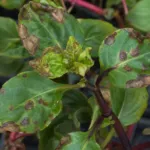
Only Plant Doctor profiles whose host data indicate this plant may be affected are shown here.
Toxicity and pollen
No well-established serious toxicity is documented for Campanula rotundifolia in the principal references consulted. As with any ornamental plant, ingestion may cause nonspecific stomach upset in some individuals, and sap or plant material can irritate sensitive skin. Do not use medicinally or as food without authoritative species-specific guidance.
- Typical season
- May through September in much of the United States, with regional variation.
- Pollination / pollen
- Insect-dispersed flower pollen
The flowers are primarily insect-pollinated, so pollen is not typically released in large airborne clouds. Sensitive people may still react to pollen or plant contact, and local exposure depends on plant abundance and flowering conditions. No species-specific United States airborne-pollen rating was found, so the low classification is a cautious practical estimate.
Native habitat
It grows in open, temperate habitats including grasslands, heaths, rocky slopes, mountain meadows, woodland edges and crevices. It generally favors well-drained mineral soils and tolerates exposed, cool conditions; populations may occur from lowlands to high elevations across its broad native range.
Interesting fact
The species combines rounded basal leaves with narrower upper stem leaves, a useful identification feature. Its nodding capsules open near the base when mature. Plants from near-neutral or calcareous soils may become taller and bear larger flowers than plants on strongly acidic, granite-derived ground.
Frequently asked questions (FAQ)
The most relevant questions about this plant, with short and direct answers.
🌱Quick care
What is the common name and scientific name of Campanula rotundifolia?⌄
Campanula rotundifolia is commonly called Harebell and belongs to the bellflower genus Campanula in the family Campanulaceae.
Is Harebell a perennial?⌄
Yes, Harebell is a cold-hardy perennial that returns from year to year when grown in suitable conditions.
How much sun does Campanula rotundifolia need?⌄
Harebell grows best in full sun to partial shade. In hot climates, afternoon shade can help reduce drought stress.
How often should I water Harebell?⌄
Water Harebell moderately while it establishes, then reduce watering once the plant is rooted. Let the soil become somewhat dry between waterings, especially in winter.
What soil is best for Campanula rotundifolia?⌄
Use sandy, loamy, rocky, or otherwise sharply drained soil. Harebell tolerates relatively poor soil but performs poorly in heavy, waterlogged ground.
🌤️Environment and placement
Where should I plant Harebell in the garden?⌄
Plant Harebell in a sunny or lightly shaded rock garden, meadow edge, border, retaining wall, or other site with excellent drainage. It is especially well suited to rocky or sandy conditions.
Can Campanula rotundifolia grow in partial shade?⌄
Yes, Harebell tolerates partial shade, particularly bright or dappled shade. Flowering may be reduced if the site is deeply shaded.
Is Harebell drought tolerant?⌄
Harebell has some drought tolerance after establishment, but it grows best with occasional moisture during prolonged dry periods. Avoid keeping the roots continuously wet.
What USDA hardiness zones can grow Campanula rotundifolia?⌄
Harebell is generally cold hardy across USDA Zones 3 through 9. Local performance can vary with soil drainage, summer heat, and the particular plant source.
Is Campanula rotundifolia suitable for a rock garden?⌄
Yes, Harebell is well suited to rock gardens because it handles rocky, sharply drained soil and produces delicate bell-shaped flowers on slender stems.
Does Harebell attract pollinators?⌄
Yes, Harebell flowers can provide nectar and pollen for native bees and other insect pollinators. Its open planting habit also fits wildlife-friendly gardens.
💧Care and problems
Does Harebell need fertilizer?⌄
Harebell usually needs little or no fertilizer when planted in reasonably fertile soil. Excessive feeding can produce weak, leafy growth rather than a compact flowering plant.
Why is my Campanula rotundifolia not flowering?⌄
Insufficient light, excessive nitrogen, drought, or poor drainage can reduce flowering. Move or thin the plant to provide more sun and correct watering or soil problems if needed.
Why are the basal leaves of Harebell disappearing?⌄
The rounded basal leaves commonly wither before or during flowering, while the upper leaves remain narrow and stem-hugging. This seasonal change is usually normal rather than a sign of disease.
What pests and diseases affect Harebell?⌄
Harebell generally has few serious pest or disease problems. Slugs, aphids, or drought stress may occasionally cause damage, especially in unsuitable growing conditions.
How do I prevent root rot in Campanula rotundifolia?⌄
Prevent root rot by planting Harebell in sharply drained soil, using containers with drainage holes, and avoiding frequent watering when the soil is already moist.
🪴Planting and repotting
When is the best time to plant Harebell?⌄
Plant Harebell in spring after the soil can be worked or in early fall, allowing the roots to establish before extreme heat or hard freezing. Avoid planting into waterlogged soil.
Can Campanula rotundifolia be grown in a container?⌄
Yes, Harebell can grow in a container if the pot has drainage holes and the mix drains quickly. Choose a container wide enough for the roots and protect it from prolonged saturation.
How deep should I plant Harebell?⌄
Plant Harebell at the same depth it was growing in its nursery container or garden soil. Do not bury the crown, and firm the soil gently around the roots.
Can I grow Harebell from seed?⌄
Yes, Harebell grows readily from seed when the seeds receive light and are sown on or barely covered by the growing medium. Germination may improve after about 30 days of cold, moist stratification.
✂️Propagation and pruning
How do I propagate Campanula rotundifolia by division?⌄
Divide Harebell in spring as new growth begins or in fall by lifting a healthy clump and separating it into rooted sections. Replant the divisions at the original depth and water them in.
How long does Harebell seed take to germinate?⌄
Harebell seed commonly germinates in roughly two to four weeks under suitable conditions. Keep the medium evenly moist, provide light, and avoid burying the very small seeds deeply.
Can Harebell self-seed in the garden?⌄
Yes, Harebell can self-seed, particularly when seed capsules are allowed to mature. Remove spent stems before seed dispersal if you want to limit volunteer seedlings.
Should I deadhead Campanula rotundifolia?⌄
Deadhead Harebell to remove faded flowers and reduce self-seeding. Leaving some spent flowers allows the plant to develop seed for natural regeneration or collection.
Should Harebell be cut back in fall?⌄
Cut Harebell back after flowering or in late fall once the stems have died back. Leaving a few stems through winter can provide seed and habitat, but remove diseased material promptly.
⚠️Toxicity and safety
Is Campanula rotundifolia toxic to people or pets?⌄
No established serious toxicity is documented for Harebell, but ingestion is discouraged because plant identity, growing conditions, and individual sensitivity can vary. Keep unfamiliar plant material away from children and pets.
Can you eat Harebell flowers or leaves?⌄
Some sources describe Harebell flowers and leaves as edible, but reliable identification is essential and the plant should not be eaten as a substitute for professional foraging guidance. Avoid consuming plants treated with pesticides or collected from contaminated areas.
🌸Flowering and special interest
When does Campanula rotundifolia bloom?⌄
Harebell usually blooms from late spring or early summer into late summer, with flowering sometimes continuing into early fall. Timing varies with climate, elevation, and growing conditions.
What color are Harebell flowers?⌄
Harebell flowers are typically violet-blue to blue and have a nodding, bell-shaped form. Occasional pale or white-flowered forms may also be cultivated.
How tall does Campanula rotundifolia grow?⌄
Harebell commonly reaches about 6 to 18 inches tall, although plants can be taller in favorable meadow conditions. Slender stems may arch or lean among neighboring plants.
How can I encourage more flowers on Harebell?⌄
Provide full sun to partial shade, sharply drained soil, and moderate moisture during establishment. Deadheading can tidy the plant and may extend the display, although it will also reduce seed production.
Similar plants
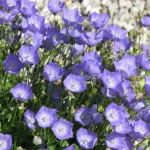 Tussock bellflower (Campanula carpatica) care guideCampanula carpatica
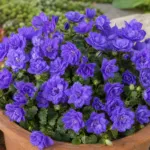 Campanula ‘Blue Wonder’Campanula 'Blue Wonder'
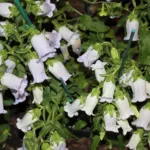 Canterbury bells (Campanula ‘Medium’)Campanula 'Medium'
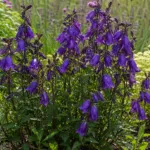 Campanula ‘Purple Sensation’Campanula 'Purple Sensation'
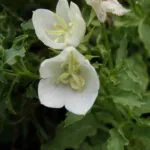 White Clips (Campanula carpatica ‘White Clips’)Campanula carpatica 'White Clips'
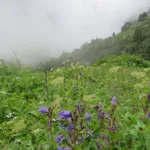 Giant Bellflower (Campanula latifolia) care guideCampanula latifolia