
 Source:
Mother-in-law’s cushion (Kroenleinia grusonii) short overview
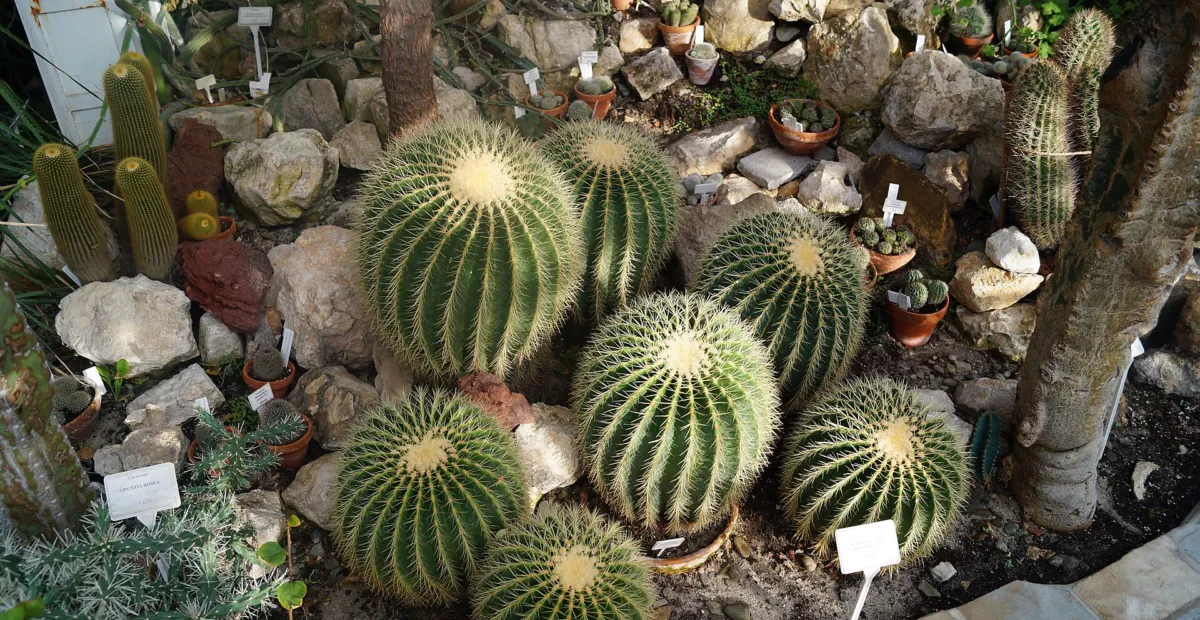
Mother-in-law's cushion, Kroenleinia grusonii, is a distinctive Mexican barrel cactus with a rounded, water-storing stem, pronounced ribs, and dense golden spines. It makes a striking specimen for a sunny container, rock garden, or dry landscape in frost-free parts of the United States. Mature plants may produce a ring of yellow flowers around the crown, but flowering generally requires considerable age, strong light, and a long warm growing season.
Taxonomic classification
Mother-in-law’s cushion (Kroenleinia grusonii) care guide
Light and placement
Provide full sun outdoors, ideally with several hours of direct light and excellent air circulation. A south- or west-facing window is suitable indoors, though glass can intensify heat; ventilate and acclimate gradually. Insufficient light causes weak, greener growth and poorer spine color, while abrupt intense sun can scorch previously shaded tissue.
Watering and humidity
Water thoroughly only after the mix has dried well, allowing excess water to drain completely. During spring and summer, the interval may be roughly every two to four weeks depending on heat, pot size, and substrate; water much less in fall and keep nearly dry in cold winter conditions. Never leave the pot standing in water.
Soil and growing medium
Use a sharply draining cactus substrate dominated by mineral material such as pumice, grit, coarse sand, or perlite. Avoid heavy garden clay and containers that retain water. A slightly acidic to slightly alkaline reaction is generally tolerated, provided drainage is excellent and the root zone dries between waterings.
Feeding
Feed only during active spring and summer growth. Use a dilute, low-nitrogen cactus fertilizer once every four to six weeks, or follow the product label at reduced strength. Do not fertilize a dry, dormant, recently repotted, diseased, or cold-stressed plant; water normally first so fertilizer salts do not concentrate around roots.
Growth and habit
The plant begins as a rounded globe and gradually becomes more barrel-shaped. It is generally solitary rather than offsetting freely, and the crown becomes increasingly woolly as mature flowers develop. Rotate container plants periodically for even growth, but acclimate them gradually when moving into stronger sun.
Planting and repotting
Plant outdoors after the danger of frost, when nights are reliably warm. Set the root ball at its original depth rather than burying the stem. Establish with light, occasional irrigation, then reduce watering as roots settle. Give enough clearance for the spines and avoid low spots where rainwater collects.
Repot in spring or early summer only when the mix is dry and the container is crowded or the substrate has degraded. Use a stable, wide pot with a drainage hole, protect hands with thick gloves or folded cardboard, and allow any damaged roots to dry before watering.
Propagation and pruning
Propagation
Propagate primarily from seed. Sow fresh or properly stored seed in a sterile, gritty, well-drained medium with warmth and bright filtered light; keep evenly lightly moist until germination, then gradually increase drying between waterings. Seedlings are slow at first and need protection from scorching sun.
Pruning
No routine pruning is needed. Remove only dead, diseased, or badly damaged tissue with sterile tools, taking care to avoid the spines. Let cut surfaces dry and callus before watering. Never cut healthy ribs or the crown to control size.
Overwintering
Keep container plants indoors or in a dry, bright greenhouse before temperatures fall below about 30°F. Provide maximum light, cool-to-mild temperatures, and very little water through winter. In marginal outdoor climates, use a rain shelter and frost cloth, but prolonged cold, wet soil is more dangerous than brief light frost.
Uses
Use as a specimen in cactus and rock gardens, xeriscapes, conservatories, sunny patios, and containers. Its architectural form provides year-round structure. It is not recommended for edible or medicinal use, and its spines make placement away from paths, pets, and children important.
Appearance
The apparent barrel is a swollen, leafless stem that stores water. Numerous strong ribs carry closely spaced areoles with golden radial and central spines, giving the plant its characteristic yellow cage-like appearance. Young plants are more spherical and may show less pronounced ribbing; older specimens can develop a woolly crown.
Flowering
Mature plants form yellow, radially symmetrical, trumpet-shaped flowers in a ring around the crown. Flowering is associated with substantial size and age; young nursery specimens commonly remain vegetative. In the United States, blooming is most likely during late spring or summer in warm, sunny outdoor plantings.
Pollination and visitors
Yellow flowers can provide pollen and nectar for bees. A botanical-garden account specifically reports bee pollination, but species-specific pollinator data for Kroenleinia grusonii are limited, so a general bee visitor category is more defensible than naming a particular bee species.
Kroenleinia grusonii photos
Click any photo for a larger view. Source, author and license are shown separately.
Diseases and pests
Diseases
Root and stem rot are the principal concerns and usually follow overwatering, poor drainage, or cold wet conditions. Watch for soft, darkened tissue and act promptly by removing rot, allowing wounds to dry, and replacing saturated mix. Good airflow, a porous substrate, and dry winter conditions provide the best prevention.
Pests
Mealybugs, scale, and spider mites may occur, especially on stressed or indoor plants. Inspect areoles and the crown regularly. Isolate affected plants, remove small infestations with a swab or targeted spray, and improve light and airflow. Avoid routine broad-spectrum pesticide use when flowers are open to protect visiting insects.
Related diseases and pests
Only Plant Doctor profiles whose host data indicate this plant may be affected are shown here.
 Environmental stressOverwatering
 PestBroad mitePolyphagotarsonemus latus (Banks)
 DiseaseRhizopus soft rotRhizopus stolonifer
 DiseaseBacterial soft rotPectobacterium carotovorum
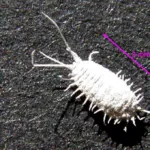 PestObscure mealybugPseudococcus viburni
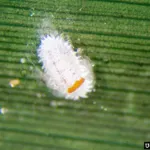 PestCitrus mealybugPlanococcus citri
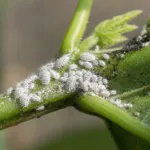 PestCotton mealybugPhenacoccus solenopsis Tinsley
Toxicity and pollen
No well-supported evidence identifies this species as poisonous through ingestion, but the rigid spines can puncture skin, eyes, mouths, and paws. Handle with tools or thick gloves, keep it away from high-traffic areas, and seek medical or veterinary advice for embedded spines or significant injury.
- Typical season
- Late spring through summer where mature plants bloom outdoors
- Pollination / pollen
- Heavy, insect-carried pollen
This is an insect-pollinated cactus, and its pollen is not normally released as a large airborne cloud. However, individual sensitivity cannot be ruled out, and handling flowering plants may expose a person to pollen. Avoid rubbing the eyes after touching flowers and use ordinary allergy precautions if symptoms occur.
Native habitat
Native to northeastern and central Mexico, including areas from Zacatecas toward San Luis Potosí. It occurs in desert and dry shrubland environments with intense sun, seasonal rainfall, porous mineral soils, and pronounced dry periods. Wild habitat has been reduced by land-use change and collection pressure.
Interesting fact
The accepted name places this familiar cactus in the monotypic genus Kroenleinia, although Echinocactus grusonii remains widely used in horticulture. Its spherical-to-barrel stem stores water, while the ribbed surface and spines help reduce exposure and herbivory. Wild populations are threatened by habitat loss and collection despite widespread nursery propagation.
Frequently asked questions (FAQ)
The most relevant questions about this plant, with short and direct answers.
🌱Quick care
What is Kroenleinia grusonii commonly called?⌄
Kroenleinia grusonii is commonly called Mother-in-law's cushion. It is also widely sold in the United States under the older name Echinocactus grusonii and the common name golden barrel cactus.
Is Kroenleinia grusonii easy to grow?⌄
Yes, Kroenleinia grusonii is generally easy to grow when given strong light, very sharp drainage, and infrequent watering. Its main risks are overwatering, insufficient light, frost, and contact with its spines.
How often should I water Kroenleinia grusonii?⌄
Water Kroenleinia grusonii thoroughly only after its soil has dried completely. Water much less often during winter or whenever the plant is cool and inactive.
How much sunlight does Kroenleinia grusonii need?⌄
Kroenleinia grusonii needs full sun for compact growth and strong golden spines. Indoors, place it in the brightest available window and acclimate it gradually to intense direct sunlight.
What soil is best for Kroenleinia grusonii?⌄
Use a sharp-draining cactus mix amended with abundant pumice, perlite, lava rock, or other mineral grit. The mix should drain quickly and never remain wet around the roots.
🌤️Environment and placement
Can Kroenleinia grusonii grow indoors?⌄
Yes, Kroenleinia grusonii can grow indoors in a very bright, sunny window. Indoor plants may grow more slowly and are less likely to flower if they do not receive strong direct light.
Can Kroenleinia grusonii grow outside in the United States?⌄
Yes, it can grow outdoors year-round in warm, frost-free parts of the United States. In colder areas, grow it in a container so it can be moved under cover before freezing weather.
What USDA hardiness zone is suitable for Kroenleinia grusonii?⌄
Kroenleinia grusonii is best suited to warm USDA zones with little or no frost, commonly around zones 9 through 11. Local exposure, winter moisture, and the severity of cold also affect survival.
What temperature is too cold for Kroenleinia grusonii?⌄
Protect Kroenleinia grusonii when temperatures approach 25°F, because it is frost tender. Cold combined with wet soil is especially dangerous and can cause tissue or root damage.
Does Kroenleinia grusonii need humidity?⌄
No, Kroenleinia grusonii does not need high humidity and usually prefers dry air with good ventilation. Avoid placing it where humid air and poor airflow keep the soil damp for long periods.
How much space does Kroenleinia grusonii need?⌄
Give Kroenleinia grusonii enough room for its rounded body and wide spine spread without allowing it to touch walkways or furniture. Mature plants can become substantially wider than young nursery specimens.
💧Care and problems
Why is my Kroenleinia grusonii turning yellow?⌄
Yellowing often indicates overwatering, poor drainage, root damage, or insufficient light. Check that the soil dries fully and inspect the roots if the base is soft, discolored, or developing an odor.
Why is my Kroenleinia grusonii becoming elongated?⌄
Elongated or column-like growth usually means Kroenleinia grusonii is not receiving enough direct light. Move it gradually to a sunnier position, but understand that existing stretched growth will not return to a round shape.
Why is Kroenleinia grusonii soft at the base?⌄
A soft base commonly signals rot caused by excessive moisture or damaged roots. Stop watering, remove the plant from wet soil, and assess whether any firm, healthy tissue remains.
Why is my Kroenleinia grusonii not growing?⌄
Kroenleinia grusonii is naturally slow-growing, so little visible change can be normal. Growth is further reduced by low light, cool temperatures, winter dormancy, root problems, or an overly wet potting mix.
What pests attack Kroenleinia grusonii?⌄
Common pests include mealybugs, scale insects, and root pests. Inspect the grooves, crown, and roots periodically, especially if the cactus develops yellowing, sticky residue, weak growth, or unexplained decline.
Should I fertilize Kroenleinia grusonii?⌄
Fertilizing is optional because Kroenleinia grusonii grows slowly and tolerates lean soil. If you fertilize, use a diluted cactus fertilizer during active growth and avoid feeding dry, dormant, or stressed plants.
🪴Planting and repotting
When should I repot Kroenleinia grusonii?⌄
Repot Kroenleinia grusonii in spring or early summer when roots have filled the container, the mix has degraded, or drainage has become poor. Healthy, slow-growing specimens may remain in the same pot for several years.
What type of pot is best for Kroenleinia grusonii?⌄
Use a pot with a drainage hole that is only slightly larger than the root system. Unglazed clay can help the mix dry faster, while any material is suitable if watering and drainage are carefully managed.
How do I repot Kroenleinia grusonii without getting injured?⌄
Handle Kroenleinia grusonii with thick gloves, folded cardboard, carpet, or sturdy plant tongs rather than bare hands. Support the body without squeezing it, and keep the pot stable while loosening the root ball.
Can Kroenleinia grusonii be planted in the ground?⌄
Yes, plant Kroenleinia grusonii in the ground only where winters are warm and the soil drains exceptionally well. A raised, rocky, full-sun site is safer than heavy soil or a low area that collects water.
Can Kroenleinia grusonii tolerate clay soil?⌄
Kroenleinia grusonii generally performs poorly in heavy clay unless drainage is substantially improved. Container culture or a raised bed filled with a gritty cactus medium is usually safer.
✂️Propagation and pruning
How do you propagate Kroenleinia grusonii?⌄
Kroenleinia grusonii is most reliably propagated from seed. Offsets may occasionally occur, but this species is primarily grown from seed and does not commonly produce convenient stem cuttings.
Can Kroenleinia grusonii be grown from seed?⌄
Yes, Kroenleinia grusonii grows from seed in a warm, bright, sterile, well-draining medium. Keep seedlings lightly but consistently moist at first, then gradually provide stronger drying cycles as they develop.
Does Kroenleinia grusonii need pruning?⌄
No, Kroenleinia grusonii normally does not need pruning. Remove only dead or severely damaged tissue with sterilized tools, using protective equipment to avoid the spines.
⚠️Toxicity and safety
Is Kroenleinia grusonii poisonous to people?⌄
Its toxicity is not well established, but no serious chemical toxicity is commonly reported for Kroenleinia grusonii. Treat it as a physical hazard because its sharp spines can puncture skin and cause significant injury.
Is Kroenleinia grusonii toxic to dogs and cats?⌄
Kroenleinia grusonii has no well-established poisoning risk, but its spines can injure the mouth, paws, eyes, or digestive tract. Keep it away from pets and contact a veterinarian if an animal chews or becomes impaled by it.
Are the spines of Kroenleinia grusonii dangerous?⌄
Yes, the spines of Kroenleinia grusonii are the principal safety hazard and can puncture skin or snag clothing. Place the plant away from children, pets, and high-traffic areas, and use protective tools when moving it.
🌸Flowering and special interest
Does Kroenleinia grusonii flower?⌄
Yes, mature Kroenleinia grusonii can produce small yellow flowers in a ring around the crown. Flowering is most likely when the plant receives strong sun and experiences healthy seasonal growth.
When does Kroenleinia grusonii bloom?⌄
Kroenleinia grusonii generally blooms during the warmer part of the year, often in summer. Young plants may not flower until they reach substantial size and maturity.
How old must Kroenleinia grusonii be before it flowers?⌄
Kroenleinia grusonii usually needs to become a large, mature specimen before flowering. The exact age varies with light, climate, growing conditions, and whether the plant is grown indoors or outdoors.
Why is my Kroenleinia grusonii not flowering?⌄
The most common reasons are insufficient direct sun, youth, cool conditions, or an indoor growing season that is too weak for bud formation. Improve light and seasonal care, but do not expect flowers from a small plant.
Similar plants
 Foxtail Palm (Wodyetia bifurcata) care guideWodyetia bifurcata
 He Mexican fan palm (Washingtonia robusta) care guideWashingtonia robusta
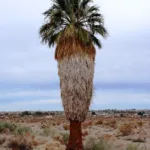 He California fan palm (Washingtonia filifera) care guideWashingtonia filifera
 Veitchia arecina care guideVeitchia arecina
 Trachycarpus latisectus care guideTrachycarpus latisectus
 He Chusan palm (Trachycarpus fortunei) care guideTrachycarpus fortunei