
 Source:
 Echinocereus ‘Coccineus’ short overview
Echinocereus 'Coccineus' is a clumping hedgehog cactus grown for its cylindrical blue-green stems, conspicuous spines, and brilliant scarlet-red spring flowers. The supplied cultivar name is distinct, but published information specific to this exact selection is scarce; most available guidance concerns the accepted species Echinocereus coccineus. Provide full sun, fast-draining mineral soil, careful summer watering, and a cool, dry winter rest for the best flowering and long-term health.
Taxonomic classification
Echinocereus ‘Coccineus’ care guide
Light and placement
Give full sun, ideally six or more hours of direct light, with the brightest exposure available. A south- or west-facing position is suitable in much of the United States; acclimate gradually after indoor growth or shipment to prevent sunburn. Weak, stretched stems indicate insufficient light, while bleached patches or sudden yellow-tan scars suggest excessive exposure without acclimation.
Watering and humidity
During active growth, water thoroughly until excess drains from the pot, then wait until the substrate is completely dry before watering again. In hot, bright conditions this may be every one to three weeks, but calendar watering is less reliable than checking the mix. Reduce sharply in fall and keep nearly dry during a cool winter rest; never water cold, dormant plants unless stems visibly shrivel.
Soil and growing medium
Use a very porous cactus substrate dominated by mineral grit, pumice, coarse sand, or small gravel. The pot or planting site must drain rapidly and never remain waterlogged. Neutral to slightly alkaline conditions are generally suitable; avoid heavy, peat-rich mixes that stay wet around the shallow roots.
Feeding
Feed only during active spring and summer growth, after the plant is fully hydrated. Use a balanced or low-nitrogen cactus fertilizer at about one-quarter strength once or twice in the season. Do not fertilize a dry, dormant, recently repotted, diseased, or winter-resting plant, and flush accumulated salts occasionally with clean water.
Growth and habit
This perennial cactus commonly forms offsets from the base and gradually develops a broad clump. Young plants may appear solitary before branching begins. Keep neighboring stems from remaining in constant contact with wet organic debris, and give mature clumps a stable, well-drained position because disturbance can damage their shallow root system.
Planting and repotting
Plant outdoors after the soil has warmed and the danger of prolonged wet weather has passed, or place containers outside gradually to prevent sunscald. Set the crown at the same depth as before and keep the stem base above surrounding soil. Leave room for offsets to expand, and use a gravel mulch that does not trap moisture against the stems.
Repot in spring only when the mix is dry, using a stable pot with a drainage hole. Handle with thick gloves or folded cardboard, keep the root ball mostly intact, and allow damaged roots to dry before watering. Choose a pot only slightly wider than the root system; oversized containers stay wet too long.
Propagation and pruning
Propagation
Seed is the most reliable documented method for maintaining genetic diversity. Established clumps may also be divided or rooted from offsets after separation wounds have fully dried. Take offsets or cuttings during warm active growth, let cuts callus, then root in barely moist, very porous medium. Vegetative propagation may not be documented for this exact selection.
Pruning
No routine pruning is needed. Remove dead, collapsed, or diseased stems with sterile tools during dry weather. Cut back to healthy tissue, keep wounds dry, and allow them to callus before rain or irrigation. Wear puncture-resistant gloves and protect eyes from dislodged spines.
Overwintering
Keep outdoor plants cold but dry, protected from prolonged winter rain and snowmelt. Container plants are more vulnerable because roots freeze faster; move them under an unheated roof, cold frame, or bright unheated room before repeated freezing. Maintain strong light and avoid warm, dark indoor conditions, which promote weak growth.
Uses
Use as a specimen cactus in xeric beds, rock gardens, alpine-style plantings, or containers. Its flowers provide ornamental value and documented small-bee visits. Do not treat it as a culinary or medicinal plant; spines make it unsuitable for unsupervised placement near paths or play areas.
Appearance
Stems are cylindrical to ovoid, green to bluish green, and organized into ribs bearing areoles with radial and sometimes central spines. Plants commonly branch from the base, producing dense hedgehog-like clumps. The combination of clustered stems, conspicuous areoles, and large red flowers is useful for recognition, but spine density varies across the species.
Flowering
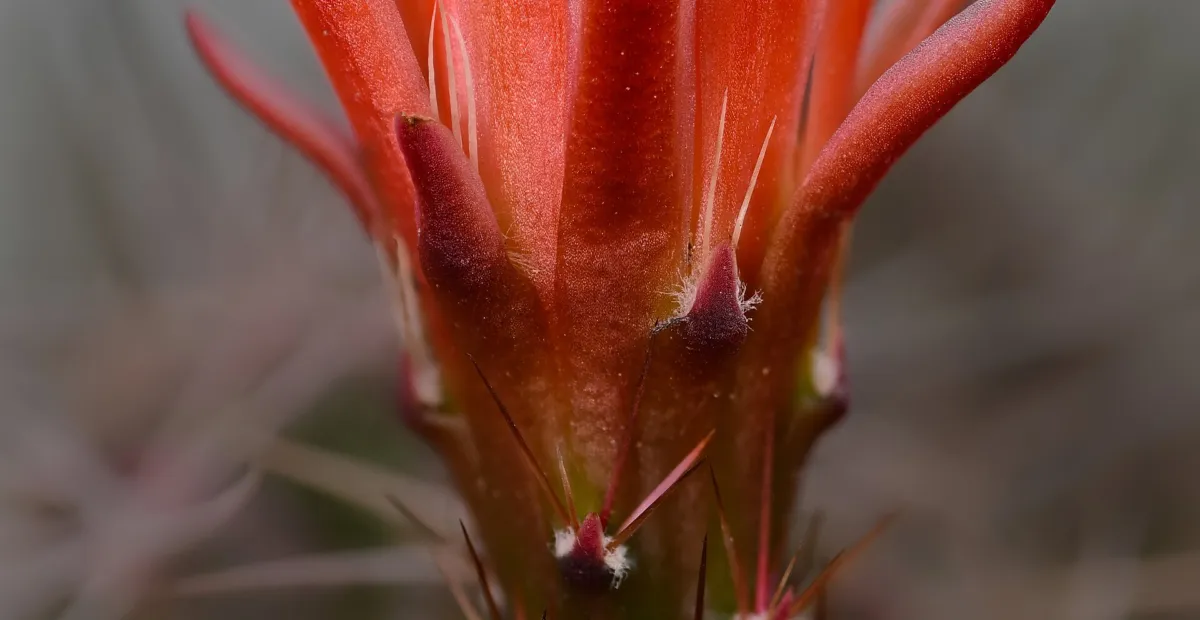
Showy funnel-shaped flowers arise from upper areoles on mature stems, usually opening in late spring or early summer. Species-level references describe brilliant orange-red to scarlet flowers, but the exact color and flowering performance of the named selection are not independently documented. Flowering is improved by strong light and a cool, dry winter rest.
Pollination and visitors
Field studies of Echinocereus coccineus document small bees as important flower visitors and pollinators. Flower sex and breeding behavior can vary among plants, so seed production may be inconsistent without compatible pollen or a second flowering plant. This evidence is species-level rather than confirmed for the quoted selection.
Echinocereus 'Coccineus' photos
Click any photo for a larger view. Source, author and license are shown separately.
Diseases and pests
Diseases
The main risk is root or stem rot caused by poorly draining soil, cool wet conditions, or watering before the mix dries. Remove affected tissue only if localized, let wounds callus, and repot into fresh mineral substrate. Improve airflow and avoid overhead irrigation during cold or persistently humid weather.
Pests
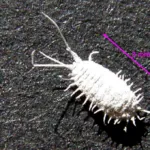
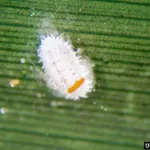
Watch for mealybugs, scale, and root pests, especially under cover. Inspect areoles and the stem base regularly. Remove small infestations with a targeted cotton-swab treatment or an appropriate labeled control; isolate affected plants and correct low airflow or excess nitrogen that encourages soft growth.
Related diseases and pests
Only Plant Doctor profiles whose host data indicate this plant may be affected are shown here.
Toxicity and pollen
No authoritative evidence located for systemic toxicity specific to Echinocereus 'Coccineus'. The practical hazards are mechanical: glochids or spines can penetrate skin and eyes, and ingestion of plant material may cause irritation or gastrointestinal upset. Keep away from children and pets, and use tools or gloves when handling.
- Typical season
- Late spring to early summer
- Pollination / pollen
- Insect-presented pollen
The flowers produce pollen, but no reliable evidence was found showing that this exact selection is a significant source of airborne allergy exposure. Because pollen is primarily presented within insect-visited flowers, practical airborne exposure is expected to be limited, though sensitive individuals should avoid handling flowers and pollen directly.
Native habitat
The accepted species ranges from Colorado and New Mexico through Texas into northeastern Mexico. It occurs in dry, sunny subtropical and high-desert settings, including rocky slopes, open woodland margins, and grassland-like sites. Natural populations experience strong seasonal temperature variation and generally rapid drainage.
Interesting fact
The species is sometimes treated in older literature within Echinocereus triglochidiatus.
Some populations show unusual variation in flower color.
A single old clump can contain hundreds of stems.
Flowers develop from areoles, the defining structures of cacti.
Frequently asked questions (FAQ)
The most relevant questions about this plant, with short and direct answers.
🌱Quick care
How do you care for Echinocereus 'Coccineus'?⌄
Grow Echinocereus 'Coccineus' in full sun, use sharply draining mineral soil, and water deeply only after the mix has dried completely. Keep it much drier in winter, especially when temperatures are low.
How often should I water Echinocereus 'Coccineus'?⌄
Water when the soil is completely dry, usually every 2–4 weeks during active growth depending on heat, pot size, and rainfall. In winter, withhold water or provide only a minimal drink if the plant is visibly shriveling.
Does Echinocereus 'Coccineus' need full sun?⌄
Yes, it grows best in full sun with several hours of direct light each day. Acclimate plants gradually when moving them from indoors or shade to intense outdoor sunlight.
What soil is best for Echinocereus 'Coccineus'?⌄
Use a sandy, rocky, mineral-heavy cactus mix that drains rapidly and dries completely between waterings. Avoid dense potting soil or any container that holds moisture around the roots.
Is Echinocereus 'Coccineus' cold hardy?⌄
Yes, it is notably cold hardy when kept dry and well drained. Cold, wet soil is much more dangerous than a brief freeze, so protect the plant from winter rain and prolonged moisture.
🌤️Environment and placement
Can Echinocereus 'Coccineus' grow outdoors year-round in the United States?⌄
It can grow outdoors year-round in suitable dry, sunny regions, particularly where winter soil stays well drained. In colder or wetter areas, grow it under rain protection or overwinter it in a bright, dry shelter.
What USDA hardiness zone is suitable for Echinocereus 'Coccineus'?⌄
Echinocereus 'Coccineus' is among the hardier hedgehog cacti and may tolerate severe cold when completely dry. Exact tolerance varies by population and plant origin, so local winter wetness and drainage matter as much as the zone number.
Can Echinocereus 'Coccineus' grow indoors?⌄
Yes, but it needs the brightest available location, such as a south-facing window or a strong grow light. Indoor plants commonly stretch when light is inadequate and are more vulnerable to overwatering.
How much direct light does Echinocereus 'Coccineus' need indoors?⌄
Provide at least 4–6 hours of direct sun or equivalent high-intensity grow lighting. Increase exposure gradually to prevent sunscald if the plant was previously kept in lower light.
Can Echinocereus 'Coccineus' tolerate humidity?⌄
It tolerates ordinary household humidity, but dry conditions and strong air circulation are safer. Avoid stagnant, humid locations and keep the soil dry during cool weather.
How large does Echinocereus 'Coccineus' get?⌄
Individual stems are commonly a few inches to roughly 16 inches tall, and mature plants can form broad clumps several feet across. Growth is generally slow, especially from seed.
💧Care and problems
Why is my Echinocereus 'Coccineus' turning soft?⌄
Softness usually indicates overwatering, root rot, or cold moisture damage rather than thirst. Remove it from the pot, cut away black or mushy roots, let healthy tissue dry, and replant in fresh dry mineral mix.
Why is my Echinocereus 'Coccineus' stretching?⌄
Stretching, or etiolation, means the plant is not receiving enough strong light. Move it gradually toward full sun or add a high-output grow light, understanding that existing weak growth will not become compact again.
Why is my Echinocereus 'Coccineus' shriveling?⌄
Mild winter shriveling can be normal during dormancy, but persistent shriveling during warm active growth may indicate severe dehydration or damaged roots. Check the roots and water only when the soil is fully dry.
Should I fertilize Echinocereus 'Coccineus'?⌄
Fertilize sparingly with a diluted, low-nitrogen cactus fertilizer during spring and summer. Do not feed a dormant plant or one growing in weak light, because excess nutrients can promote soft growth and root problems.
What pests affect Echinocereus 'Coccineus'?⌄
Mealybugs, scale, and spider mites can attack Echinocereus 'Coccineus', especially indoors or in stressed collections. Inspect between spines and at the base, isolate affected plants, and use a treatment labeled for the pest and crop.
How do I treat root rot on Echinocereus 'Coccineus'?⌄
Unpot the cactus, remove all dark or mushy roots with sterile tools, and allow the cut surfaces to dry before repotting into dry, gritty mix. Do not water immediately after treatment, and correct the drainage or watering problem that caused the rot.
🪴Planting and repotting
When should I repot Echinocereus 'Coccineus'?⌄
Repot in spring or early summer when active growth is beginning, or whenever the mix has broken down or roots have rotted. A healthy plant usually needs repotting only every few years.
What pot is best for Echinocereus 'Coccineus'?⌄
Use a pot with a drainage hole that is only slightly larger than the root system, preferably terracotta or another fast-drying material. Avoid oversized containers because excess soil stays wet too long.
How do I repot Echinocereus 'Coccineus' safely?⌄
Repot while the soil is dry, protect your hands with thick gloves or folded paper, and keep the cactus at its original planting depth. After repotting, leave it dry for about a week before resuming careful watering.
Can Echinocereus 'Coccineus' be planted in the ground?⌄
Yes, plant it in a sunny raised bed or rock garden with sandy, rocky soil and excellent drainage. In regions with wet winters, use a rain-shadow location or overhead shelter to keep the crown and roots dry.
Can Echinocereus 'Coccineus' grow in clay soil?⌄
It should not be planted directly in heavy clay because poor drainage can cause rapid root loss. Improve the site substantially with mineral material and elevation, or grow the cactus in a raised bed or container.
✂️Propagation and pruning
How do you propagate Echinocereus 'Coccineus' from offsets?⌄
Separate a naturally rooted offset during warm active growth, let any damaged area dry and callus, then plant it in dry gritty cactus mix. Wait several days before watering and keep the cutting in bright filtered light until rooted.
Can Echinocereus 'Coccineus' be grown from seed?⌄
Yes, seed propagation is possible and is useful for preserving genetic variation. Sow fresh seed in sterile, sharply draining medium with warmth, bright filtered light, and careful moisture, then gradually reduce humidity as seedlings mature.
Does Echinocereus 'Coccineus' need pruning?⌄
Routine pruning is generally unnecessary because the plant naturally forms clumps. Remove only dead, damaged, or diseased stems with clean tools, and wear thick gloves because the spines can cause puncture injuries.
⚠️Toxicity and safety
Is Echinocereus 'Coccineus' poisonous to cats or dogs?⌄
Systemic toxicity is not well established for Echinocereus 'Coccineus', so it should not be considered confirmed pet-safe. The primary hazard is mechanical injury from the spines, and pets should be kept away from the plant.
Are the spines of Echinocereus 'Coccineus' dangerous?⌄
Yes, the spines can puncture skin and may be difficult to remove. Handle the plant with thick gloves, tongs, or folded cardboard, and keep it away from children, pets, and walkways.
Can you touch Echinocereus 'Coccineus' with bare hands?⌄
It is best not to handle it with bare hands because even short or fine spines can penetrate skin. Use cactus-handling gloves or padded tools whenever moving, potting, or dividing the plant.
🌸Flowering and special interest
When does Echinocereus 'Coccineus' bloom?⌄
It generally blooms in spring to early summer, often after a cool, dry winter rest. Flowering time varies with climate, light, plant maturity, and the particular form being grown.
What color are Echinocereus 'Coccineus' flowers?⌄
The flowers are typically vivid orange-red to scarlet, which is the source of the epithet coccineus. They are large and conspicuous compared with the plant’s stems.
Why is my Echinocereus 'Coccineus' not flowering?⌄
The most common causes are insufficient sunlight, lack of a cool dry winter rest, or a plant that is still immature. Provide strong light, stop feeding in fall, and keep the cactus cool and nearly dry through winter.
How old must Echinocereus 'Coccineus' be before it flowers?⌄
There is no fixed flowering age because maturity depends on genetics, growing conditions, and plant size. Seed-grown plants may require several years, while established offsets can flower sooner when given strong light and a dry winter rest.
Similar plants
 Azure Monkshood (Aconitum carmichaelii) care guideAconitum carmichaelii
 Monkshood (Aconitum ‘Stainless Steel’)Aconitum 'Stainless Steel'
 Monkshood (Aconitum ‘Bressingham Spire’)Aconitum 'Bressingham Spire'
 Golden full moon maple (Acer shirasawanum ‘Aureum’)Acer shirasawanum 'Aureum'
 Globosum (Acer platanoides ‘Globosum’)Acer platanoides 'Globosum'
 Striped maple (Acer pensylvanicum) care guideAcer pensylvanicum