
 Source:
 Mammillaria ‘Compressa’ short overview
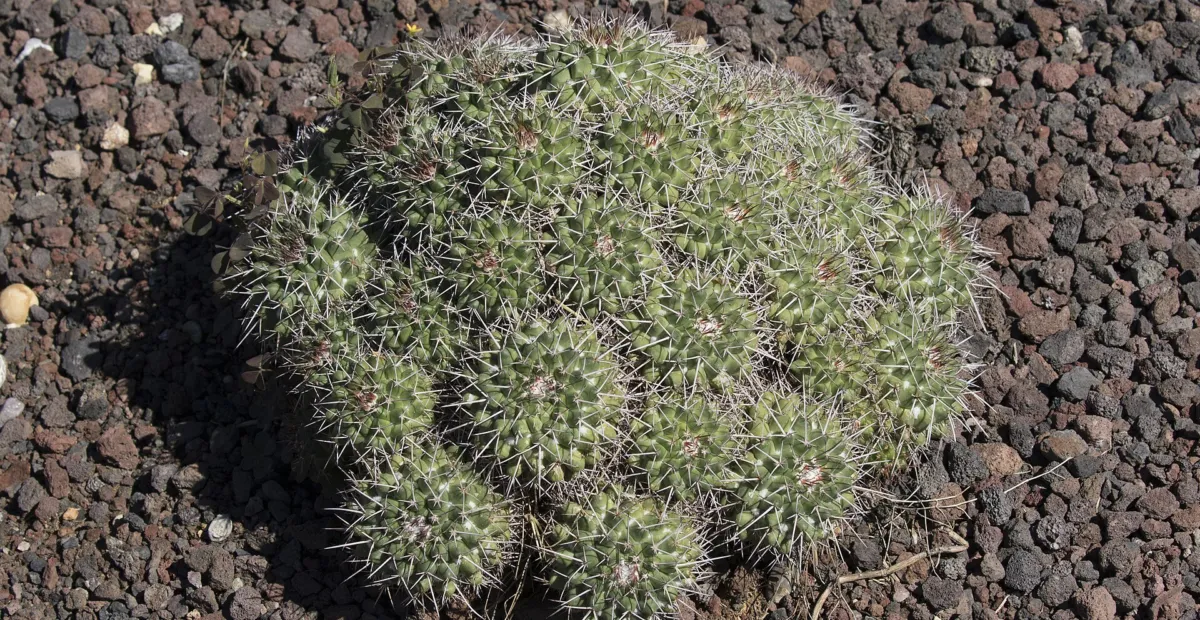
Mammillaria 'Compressa' is a compact Mexican pincushion cactus grown for its rounded, tubercled stems, radial spines, and small flowers arranged in a ring near the crown. Treat this horticultural name as distinct from the accepted species backbone Mammillaria compressa: clone-specific traits may vary. It needs strong light, sharply draining mineral soil, restrained watering, and a dry winter rest.
Taxonomic classification
Mammillaria ‘Compressa’ care guide
Light and placement
Provide the brightest practical position: several hours of direct sun through a clean window, greenhouse glazing, or a sheltered outdoor site. Acclimate gradually after low-light indoor growth to prevent sun scorch. Pale, stretched growth and weak spines indicate insufficient light; bleached patches or tan scarring indicate excessive sudden exposure.
Watering and humidity
Water deeply enough to wet the root ball, then wait until the mix is fully or nearly dry before watering again. In bright summer growth this may be every 2–4 weeks, but the interval depends on pot size, airflow, and temperature. Reduce sharply in fall and keep nearly dry during cool winter rest. Never leave the pot standing in water.
Soil and growing medium
Use a very porous cactus mix with a substantial mineral fraction such as pumice, perlite, coarse sand, or small gravel. The substrate should drain immediately and dry substantially between waterings. Slightly acidic to neutral conditions are suitable; avoid heavy, compacted, peat-dominant soil that stays wet around the roots.
Feeding
Feed only during active spring and summer growth. Use a balanced or low-nitrogen cactus fertilizer diluted to about one-quarter to one-half of the label strength every four to six weeks, or use a controlled-release cactus product sparingly. Do not fertilize a dry, recently repotted, diseased, or dormant plant.
Growth and habit
This cactus forms rounded stems and may gradually produce offsets, eventually becoming a small clump. Growth is fastest in warm conditions with strong light and a dry, porous root zone. A cool, dry winter rest helps prevent weak growth and rot; excessive shade or feeding can produce elongated, less compact stems.
Planting and repotting
Plant outdoors only after frost risk has passed and the soil or raised bed is exceptionally free-draining. Set the root collar at its original level rather than burying the stem. Allow room for offsets to develop, and shelter newly planted specimens from intense afternoon sun until established.
Repot in spring or early summer only when the plant is actively growing, the mix has degraded, or roots have filled the container. Use a pot with a drainage hole and move up only one size. Allow damaged roots to callus briefly before watering, then resume irrigation conservatively.
Propagation and pruning
Propagation
Propagate from offsets when a clump produces separable rooted or rootable pups, preferably during warm active growth. Seed propagation is possible but slower and requires clean, well-drained media, warmth, light, and careful moisture control. Let detached offsets callus before planting.
Pruning
No routine pruning is needed. Remove dead flowers, damaged stems, or offsets only with sterile tools. Allow cut surfaces to dry and callus before contact with moist soil. Wear thick gloves or use tongs to avoid spine injuries.
Overwintering
Keep frost-free, bright, and cool-to-moderate in winter, ideally with greatly reduced watering. A dry plant can tolerate brief cold better than a wet one, but prolonged temperatures near freezing are risky in containers. In colder US climates, overwinter indoors or in a protected greenhouse and resume watering gradually in spring.
Uses
Primarily an ornamental specimen for cactus collections, windowsills, greenhouses, containers, and frost-free rock gardens. Its compact clumping habit can create a strong textural display. It is not established here as a culinary or medicinal plant, and handling should account for spines.
Appearance
The plant has green, rounded to somewhat compressed stems divided into prominent conical tubercles. Each areole bears radial spines, giving the surface a regular pincushion texture. Offsets may arise around the base and create a colony. Exact spine color, length, stem compression, and flower color can vary among plants sold under this horticultural name.
Flowering
The species backbone produces small, funnel-shaped flowers in a ring around the upper portion of the stem. Flowering is commonly associated with spring growth after a cool, dry rest, but timing and color can vary with clone, latitude, greenhouse conditions, and winter temperatures. The horticultural name 'Compressa' does not by itself guarantee a uniform floral form.
Pollination and visitors
The flowers may be visited by small insects, but reliable identity-specific pollinator records for Mammillaria 'Compressa' were not found. The visitor classification is therefore cautious rather than definitive; avoid presenting this plant as a strongly pollinator-focused species.
Mammillaria 'Compressa' photos
Click any photo for a larger view. Source, author and license are shown separately.
Diseases and pests
Diseases
The main risk is root or crown rot caused by wet soil, poor drainage, or watering during cool inactive periods. Remove affected tissue if practical, discard saturated mix, and repot into dry sterile mineral substrate. Good airflow, clean tools, and allowing the plant to dry fully between waterings reduce disease pressure.
Pests
Inspect areoles, crevices, and roots for mealybugs, scale, and spider mites. Isolate infested plants, remove visible insects with a cotton swab or targeted treatment, and improve light and airflow. Check the root ball when growth remains weak despite proper watering, since root mealybugs can be hidden below the soil surface.
Related diseases and pests
Only Plant Doctor profiles whose host data indicate this plant may be affected are shown here.
 PestCotton mealybugPhenacoccus solenopsis Tinsley
 Environmental stressPoor drainage stress (waterlogging)
 PestCottony Cushion ScaleIcerya purchasi
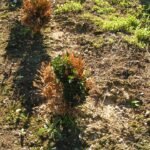 DiseasePhytophthora root and crown rotPhytophthora nicotianae
 Environmental stressWaterlogging
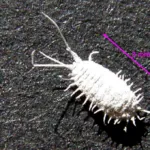 PestObscure mealybugPseudococcus viburni
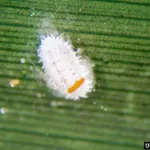 PestCitrus mealybugPlanococcus citri
Toxicity and pollen
No authoritative evidence was found identifying Mammillaria compressa as poisonous when eaten. The practical hazards are mechanical injury from spines and irritation from plant sap or embedded glochids-like spine material. Keep away from small children and pets that may chew plants, and use gloves when handling.
- Typical season
- Usually spring during flowering in the United States; indoor exposure is seasonal and localized
- Pollination / pollen
- Pollen contained within small seasonal flowers; limited airborne dispersal expected
As a flowering cactus, it produces pollen, but its flowers are not generally associated with high airborne pollen release in ordinary home cultivation. Exposure is likely limited by the small, seasonal blooms. Sensitive people should still avoid handling flowers closely if they notice symptoms, and greenhouse ventilation is advisable.
Native habitat
The accepted species is associated with dry shrubland and desert environments in eastern and central Mexico. It grows in climates with pronounced seasonal dryness and rapid drainage. Container cultivation should imitate those conditions with mineral substrate, strong light, warm summer growth, and reduced winter moisture.
Interesting fact
The accepted species Mammillaria compressa is native to eastern and central Mexico and extends toward Jalisco. Mammillaria flowers are produced from specialized areoles in a ring rather than from the stem apex alone. The species has accumulated many historical synonyms, reflecting past difficulty in interpreting variation.
Frequently asked questions (FAQ)
The most relevant questions about this plant, with short and direct answers.
🌱Quick care
How do you care for Mammillaria 'Compressa'?⌄
Grow Mammillaria 'Compressa' in bright light, gritty fast-draining soil, and water only after the mix dries completely. Keep it protected from frost and reduce or stop watering during cool winter dormancy.
Is Mammillaria 'Compressa' easy to grow?⌄
Yes, Mammillaria 'Compressa' is generally an easy, low-maintenance cactus when given strong light, excellent drainage, and restrained watering. Most problems result from prolonged wet soil or inadequate light.
How fast does Mammillaria 'Compressa' grow?⌄
Mammillaria 'Compressa' is a slow-growing cactus, although established plants may gradually form offsets and broad clumps. Growth is fastest during warm, bright weather.
🌤️Environment and placement
How much light does Mammillaria 'Compressa' need indoors?⌄
Give Mammillaria 'Compressa' full sun or the brightest filtered light available, such as a south- or west-facing window. Acclimate it gradually to strong direct sun to reduce the risk of sunburn.
Can Mammillaria 'Compressa' grow outdoors in the United States?⌄
Mammillaria 'Compressa' can grow outdoors year-round only in warm, dry regions where it is protected from frost and prolonged rain. In colder parts of the United States, grow it in a container and bring it indoors before freezing weather.
What USDA zone is suitable for Mammillaria 'Compressa'?⌄
Mammillaria 'Compressa' is best treated as a frost-sensitive container cactus rather than assigned a guaranteed outdoor hardiness zone. Outdoor growing is most practical in warm USDA Zones 9–11 when drainage and winter protection are excellent.
What temperature is best for Mammillaria 'Compressa' in winter?⌄
Keep Mammillaria 'Compressa' cool, bright, and dry in winter, ideally around 45–55°F. Protect it from frost, freezing temperatures, and cold wet soil.
Does Mammillaria 'Compressa' need low humidity?⌄
Mammillaria 'Compressa' tolerates dry indoor air, and good airflow is more important than maintaining a specific humidity level. Avoid stagnant, damp conditions, especially when temperatures are cool.
💧Care and problems
How often should you water Mammillaria 'Compressa'?⌄
Water Mammillaria 'Compressa' thoroughly during active growth, then wait until the soil is completely dry before watering again. The interval may range from roughly every two to six weeks indoors, depending on light, temperature, pot size, and airflow.
Should Mammillaria 'Compressa' be watered in winter?⌄
Water Mammillaria 'Compressa' very sparingly in winter and often not at all if it is kept cool. A completely dry rest helps reduce rot and can support spring flowering.
Why is my Mammillaria 'Compressa' turning soft?⌄
A soft Mammillaria 'Compressa' most often indicates overwatering, root rot, or cold moisture around the roots. Stop watering, inspect the roots and stem, and remove rotten tissue only if the damage is localized and salvageable.
Why is Mammillaria 'Compressa' stretching or leaning?⌄
Stretching or leaning usually means Mammillaria 'Compressa' is not receiving enough light. Move it gradually to a brighter location, but expect existing elongated growth to remain permanently distorted.
Why is my Mammillaria 'Compressa' turning yellow?⌄
Yellowing may result from overwatering, root damage, intense sudden sun, or normal aging of older tissue. Check that the soil dries fully and inspect the base for softness before increasing or decreasing light.
What pests attack Mammillaria 'Compressa'?⌄
Mammillaria 'Compressa' may be affected by mealybugs, root mealybugs, scale, or mites. Inspect between the tubercles and around the soil line, isolate affected plants, and treat promptly with a cactus-safe method.
Does Mammillaria 'Compressa' need fertilizer?⌄
Fertilizer is optional but can be applied during active spring and summer growth using a diluted cactus fertilizer or balanced fertilizer. Do not fertilize dry, stressed, or dormant plants.
🪴Planting and repotting
What is the best soil for Mammillaria 'Compressa'?⌄
Use a gritty, sharply drained cactus mix with a substantial mineral component such as pumice, perlite, or coarse grit. The mix should release excess water quickly and should not remain wet for extended periods.
What type of pot is best for Mammillaria 'Compressa'?⌄
Choose a pot with a drainage hole that is only slightly larger than the root system, and use terracotta if you want the soil to dry faster. Avoid oversized containers because they hold moisture around the roots.
When should Mammillaria 'Compressa' be repotted?⌄
Repot Mammillaria 'Compressa' in spring or early summer when it has outgrown its container, the mix has degraded, or drainage has slowed. Let damaged roots dry before returning the plant to a dry, gritty mix.
How often should Mammillaria 'Compressa' be repotted?⌄
Mammillaria 'Compressa' commonly needs repotting every two to three years, although a slower-growing plant may need it less often. Repot sooner if roots are crowded or the soil stays wet.
Can Mammillaria 'Compressa' be planted in the ground?⌄
It can be planted in the ground only in a warm, frost-protected site with exceptionally fast drainage and limited winter rainfall. A raised bed, rock garden, or covered cactus bed is safer than ordinary garden soil.
✂️Propagation and pruning
How do you propagate Mammillaria 'Compressa' from offsets?⌄
Detach a healthy offset from Mammillaria 'Compressa', allow the wound to callus in a dry shaded place, and set it on gritty mix. Begin light watering only after roots have had time to develop.
Can Mammillaria 'Compressa' be grown from seed?⌄
Yes, Mammillaria 'Compressa' can be propagated from seed, but seedlings develop more slowly than offset-grown plants. Sow on a fine, well-drained mineral mix and keep the seedlings lightly moist with bright, protected light.
How long should a Mammillaria 'Compressa' offset dry before planting?⌄
Let a detached Mammillaria 'Compressa' offset dry until the cut surface forms a firm callus, commonly several days. Larger or wetter cuts may need longer, and the offset should not be planted into damp soil.
Does Mammillaria 'Compressa' need pruning?⌄
Mammillaria 'Compressa' generally does not need pruning. Remove only dead, diseased, or damaged offsets with a clean tool, and handle the plant with thick gloves or tongs to avoid spine injuries.
⚠️Toxicity and safety
Is Mammillaria 'Compressa' toxic to cats or dogs?⌄
The toxicity of Mammillaria 'Compressa' has not been firmly established, so keep it away from cats, dogs, and children. Its documented practical hazard is its sharp spines, which can cause painful puncture injuries.
How should you handle Mammillaria 'Compressa' safely?⌄
Handle Mammillaria 'Compressa' with thick gloves, folded newspaper, cactus tongs, or other protective tools. Avoid pressing bare skin against the plant because fine spines can be difficult to remove.
What should you do if a Mammillaria 'Compressa' spine punctures your skin?⌄
Wash the area with soap and water, remove visible spine fragments with clean tweezers, and monitor for increasing redness, swelling, pain, or drainage. Seek medical care if a spine is deeply embedded or symptoms worsen.
🌸Flowering and special interest
Does Mammillaria 'Compressa' flower?⌄
Yes, Mammillaria 'Compressa' can produce small funnel-shaped flowers in a ring near the top of the stem. Mature, well-lit plants are more likely to bloom after a cool, dry winter rest.
When does Mammillaria 'Compressa' usually bloom?⌄
Mammillaria 'Compressa' typically flowers in spring or during the warmer growing season, although timing varies with age, light, temperature, and winter treatment. Indoor plants may bloom later or irregularly.
Why is my Mammillaria 'Compressa' not flowering?⌄
Insufficient light, a warm wet winter, immaturity, or excessive fertilizer can prevent Mammillaria 'Compressa' from flowering. Provide brighter light, a cool dry rest, and moderate feeding only during active growth.
What color are Mammillaria 'Compressa' flowers?⌄
Mammillaria 'Compressa' is reported to produce pale pink to reddish flowers, but color can vary among plants and horticultural forms. A precise flower color should not be assumed without observing the individual plant.
Similar plants
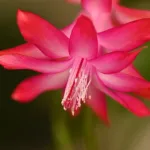 Crab Cactus (Schlumbergera truncata) care guideSchlumbergera truncata
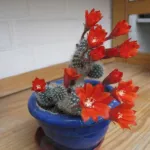 Red Crown Cactus (Rebutia minuscula) care guideRebutia minuscula
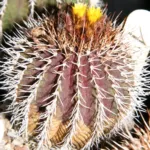 Uebelmannia pectinifera care guideUebelmannia pectinifera
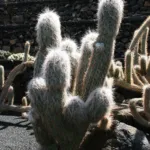 Old-man-of-the-Andes (Oreocereus celsianus) care guideOreocereus celsianus
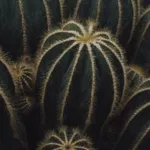 Balloon cactus (Parodia magnifica) care guideParodia magnifica
 He mistletoe cactus (Rhipsalis baccifera) care guideRhipsalis baccifera